Frankincense: Oman's Ancient White Gold
A Resin That Shaped Civilisations
| Details | |
|---|---|
| Where | Dhofar mountains around Salalah; souqs in Muscat, Nizwa, Salalah |
| Cost | Around 2-5 OMR for a good fistful of medium-grade resin |
| Time needed | 30-60 minutes for a souq shopping stop |
| Getting there | Al Baleed Archaeological Park (ticketed) near Salalah; Muttrah Souq in Muscat |
| Best time | Year-round; Khareef season (Jun-Sep) pairs a Dhofar visit with green mountains |
Thousands of years before Oman appeared on a tourist map — before its forts, its royal history, its modern airports — this corner of southern Arabia was already famous across the known world. It was famous for a gum resin that drips from the bark of a small, unimpressive-looking tree, solidifies in the desert air, and burns with a slow, sacred smoke that ancient Egyptians, Romans, Persians, and Israelites all considered divine.
Frankincense — luban in Arabic — was the oil of antiquity. It was used in religious ritual across every major civilisation of the ancient world. It was traded along routes that crossed the Empty Quarter desert, loaded onto dhows in Dhofar’s harbours, and carried to Egypt, Rome, Jerusalem, Babylon, and the courts of India. The demand for it shaped trade routes, founded cities, and made the people of Dhofar wealthy beyond the imagination of their neighbours in the dry interior.
Today, Oman is still one of the world’s primary sources of high-quality frankincense, and the resin remains woven into daily Omani life in ways that make this ancient trade story feel immediate and alive.
The Tree Behind the Legend
Boswellia sacra — the frankincense tree — is a botanical oddity. It grows in the mountains of Dhofar in southern Oman, on the limestone plateaus of Somalia, and in parts of Yemen and Ethiopia. It is not a large or particularly handsome tree. It has papery bark, sparse leaves, and a gnarled, low-growing habit that suggests struggle rather than abundance. In the dry season, without its leaves, it looks almost dead.
The magic is in the sap. When a slash is made in the bark with a special tool called a mingaf, the tree responds by exuding a sticky white resin from the wound. This resin is collected, allowed to harden for several weeks, then harvested as teardrop-shaped lumps of varying quality. The resin is graded by colour, size, and purity — pale, almost translucent pieces command the highest prices.
A single tree can be tapped several times a year, though experienced harvesters know that over-tapping stresses the tree and reduces long-term yield. The trees live for hundreds of years if treated with care. The relationship between a farming family and its frankincense trees is intergenerational — the same trees that a grandfather tapped may still be producing resin for his grandchildren.
The Dhofar region of Oman produces some of the highest-quality frankincense in the world, particularly the varieties known as Hojari, which are pale green to white in colour, highly aromatic, and significantly more expensive than East African equivalents. Omani frankincense connoisseurs have strong opinions about regional varieties and grades — a conversation that has been going on, more or less unchanged, for three thousand years.
The Ancient Trade Routes
The Land of Frankincense was the name given to the Dhofar region in ancient texts, and the UNESCO World Heritage Site that now bears that name at Al Baleed near Salalah represents one end of the most important long-distance trade system of the ancient world.
Frankincense from Dhofar was loaded onto ships in the harbours of what is now the Salalah coast and transported by sea to the Persian Gulf, Egypt, and India. Overland, camel caravans carried it north across the Arabian Peninsula along the Incense Route — a network of tracks through the Empty Quarter and the Hejaz that connected southern Arabia to the Mediterranean world. The cities that grew fat on this trade — Petra in Jordan, Palmyra in Syria, and the Nabataean ports of the Red Sea — owed their wealth directly to the passage of Omani and Yemeni incense.
In Egypt, frankincense was burned in enormous quantities in the temples of the gods. Egyptian pharaohs imported it for religious ceremonies, for mummification, and as a luxury good that demonstrated power. Roman emperors burned so much of it at public events that ancient writers recorded the quantity in tonnes. The New Testament’s account of frankincense as a gift to the infant Jesus reflects its status as one of the most precious commodities in the ancient world — ranked alongside gold and myrrh precisely because of its rarity, value, and sacred associations.
The city of Ubar — sometimes called the Atlantis of the Sands — was a major frankincense trading post in the interior of the Dhofar region. Long considered a legend, it was discovered in 1991 using satellite imagery, its ruins buried under a collapsed limestone cavern that had opened beneath the city. The story of Ubar — prosperous, legendary, then suddenly swallowed by the earth — has become one of the great archaeological mysteries of the Arabian Peninsula.
Frankincense in Modern Omani Life
The trade may be smaller in scale than it was two thousand years ago, but frankincense remains genuinely central to Omani daily life in a way that feels completely unperformative.
Walk into an Omani home or hotel and you will almost certainly smell frankincense burning within minutes. A small clay or metal burner — a mabkhara — holds a piece of charcoal over which lumps of resin are placed. As the resin melts, it produces the distinctive white smoke that is simultaneously woody, sweet, slightly medicinal, and ancient-smelling in a way that is immediately recognisable. Omanis wave the mabkhara through the folds of their clothing to absorb the scent — a practice used for personal fragrance as much as for the religious or purifying purposes that incense traditionally served.
At weddings, funerals, religious festivals, and ordinary dinner parties, frankincense is present. The souqs of Muscat and Salalah have entire sections dedicated to frankincense in its various grades and forms, alongside aromatic woods, resins, and the charcoal tablets and burners needed to use them.
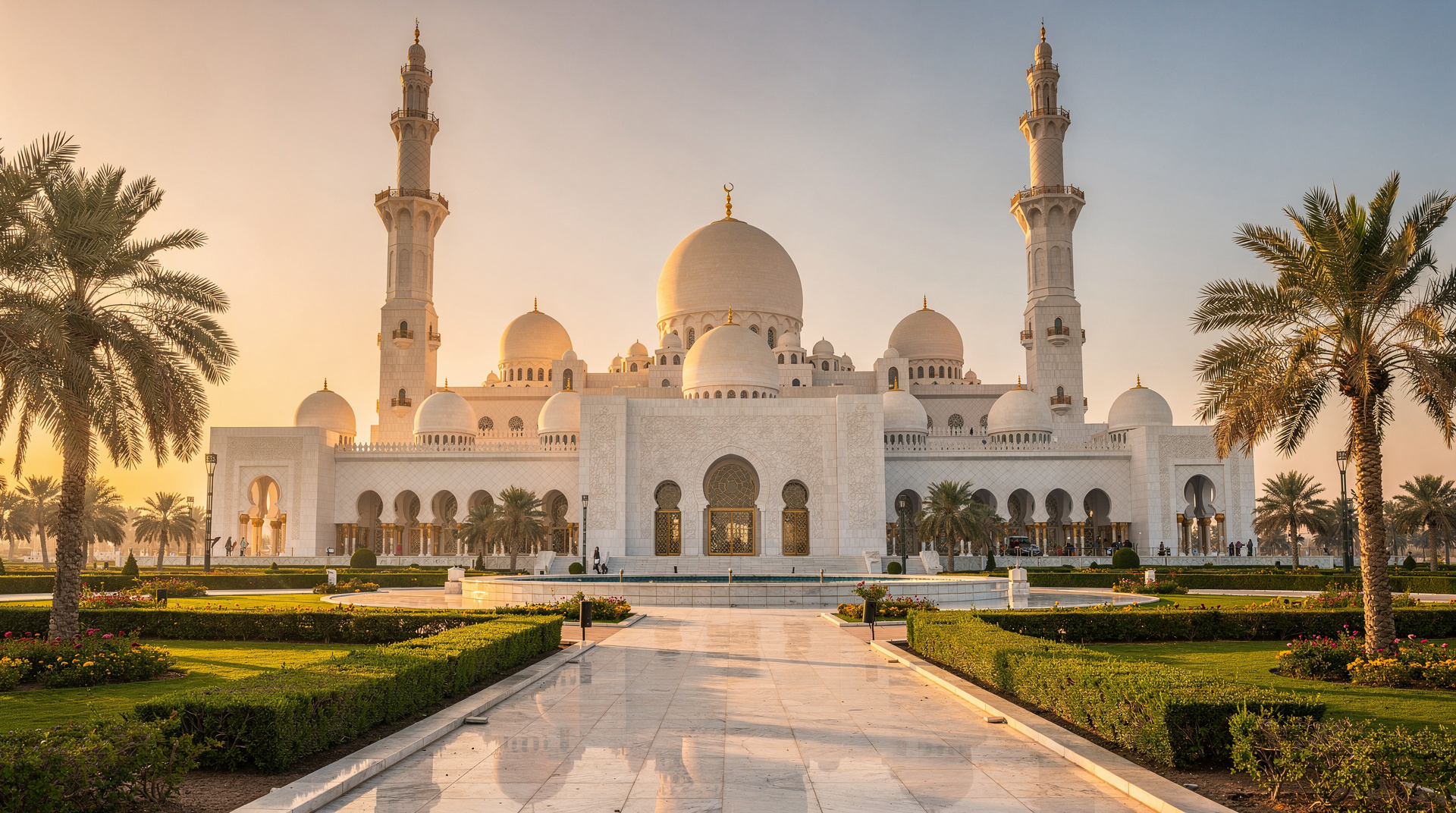
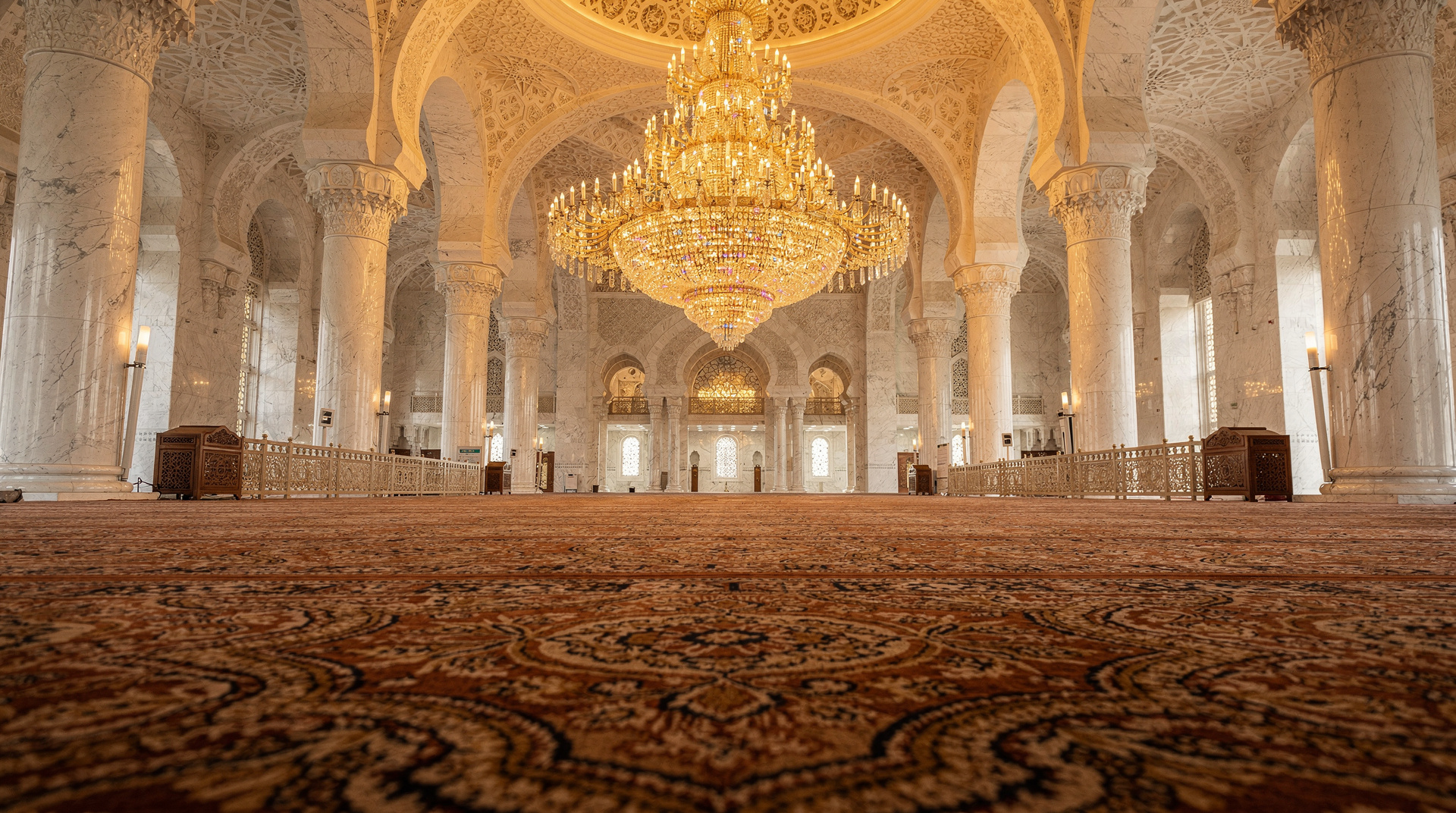
In the Sultan Qaboos Grand Mosque in Muscat, frankincense is burned continuously. It drifts through the prayer hall and the corridors in a way that becomes inseparable from the experience of the building itself.
Buying Frankincense: A Visitor’s Guide
Buying frankincense in Oman is one of the most authentic and affordable souvenirs you can take home. Here is what to look for.
Grades: Omani frankincense is sold in several grades. Hojari is the most prized — look for pale green or almost white pieces that are large and regular in shape. These cost more but have the finest aroma. Brown or darker resin is lower grade and significantly cheaper — fine for home use.
Where to buy: The best places are the dedicated frankincense shops in Muttrah Souq in Muscat and the covered souq near the Al Husn Palace in Salalah. Markets in Nizwa and the smaller souqs in mountain towns also stock good quality resin. Avoid tourist shops near major hotels, which tend to overcharge for packaged versions.
How much to buy: A good fistful of medium-grade resin — enough to last a year of occasional burning — costs around 2–5 OMR (5–13 USD) in a local shop. Top-grade Hojari is more expensive but still a fraction of what equivalent quality would cost in Europe.
What else you need: A mabkhara (incense burner) and charcoal tablets. Both are available at any frankincense shop for a few rials. Self-lighting charcoal tablets are the easiest option and work reliably.
Products beyond raw resin: Frankincense-based skincare products — creams, oils, soaps — have become a significant cottage industry in Oman. The resin does have documented anti-inflammatory and antibacterial properties, and these products make excellent gifts. Quality varies considerably; the best come from small Omani producers rather than tourist-facing brands.
The Conservation Question
The Boswellia sacra tree faces genuine pressure. Over-tapping — driven by rising global demand for frankincense in everything from luxury perfumery to alternative medicine — stresses trees and reduces their ability to reproduce. Climate change is altering the conditions in which the trees grow. In some parts of Ethiopia and Somalia, frankincense tree populations have declined sharply.
In Oman, the situation is better managed. The trees in the Dhofar Mountains remain relatively healthy, and the Omani government’s investment in the UNESCO designation and the heritage status of the land has created some protection. But the global market for frankincense is growing, and the pressure that creates on wild tree populations is real.
Buying frankincense directly from Omani producers and souqs, rather than from international retailers who may source from less sustainably managed regions, is a small but meaningful way to support the right end of the trade.
The Scent of Oman
There is no single smell more associated with Oman than frankincense. It is in the air at the airport when you arrive, in hotel lobbies, in souqs, in homes and mosques. It becomes, very quickly, the scent that your brain associates with the country — and when you burn a piece at home months after returning, it brings the whole experience back with a vividness that very few sensory memories can match.
Frankincense is not just a product of Oman. In the most meaningful sense, it is part of what Oman is — a continuous thread running from the ancient trading empires of Dhofar through to the mabkhara burning on a table in a modern Muscat apartment. Three thousand years is a long time to stay in business. But some products are simply irreplaceable.
Following the Frankincense Trail in Dhofar
For visitors who want to go beyond a souq purchase, the Dhofar region around Salalah lets you see the trade at its source. Al Baleed Archaeological Park, the UNESCO site referenced above, holds a dedicated Frankincense Land Museum with exhibits on the trade routes and the tree biology — a ticket applies, but it is the single best introduction available anywhere in Oman. From there, a short drive into the Dhofar hills reaches working frankincense groves, some of which welcome visitors during the harvest season. Our full frankincense trail guide to Salalah covers routes, timing, and what a groves visit involves in more practical detail than fits here.
Pairing a frankincense-focused trip with the Khareef monsoon (June-September) is popular, since the same misty, green Dhofar mountains that make the monsoon famous are where the Boswellia sacra trees grow. See our Khareef season guide for the practicalities of visiting Salalah during that window, and the broader Salalah complete guide for combining a frankincense visit with the rest of the Dhofar region.
Coffee and frankincense are often served together in Omani hospitality — a small cup of cardamom coffee alongside dates while the mabkhara burns nearby is one of the most common welcome rituals in the country. Our Omani coffee culture guide explains the etiquette involved.
Frequently asked questions
What is the best grade of frankincense to buy in Oman?
Hojari, grown in the Dhofar mountains around Salalah, is considered the finest grade — pale green to white, highly aromatic, and priced accordingly. For everyday home burning rather than gifting, a mid-grade brown resin is perfectly good and considerably cheaper.
Can I visit a working frankincense grove in Oman?
Yes, in the hills around Salalah, though access varies by farm and season — some groves welcome visitors informally during the harvest period. The more reliable way to see the trade close up is Al Baleed Archaeological Park and its Frankincense Land Museum, which does not depend on harvest timing.