Muscat — Gateway to Oman's Soul
Explore Muscat's Grand Mosque, Muttrah Souq, dhow cruises, and coastal wonders. Your complete 2026 guide to Oman's vibrant capital.
Quick facts
- Best time to visit
- October to March
- Days needed
- 3 to 5 days
- Getting there
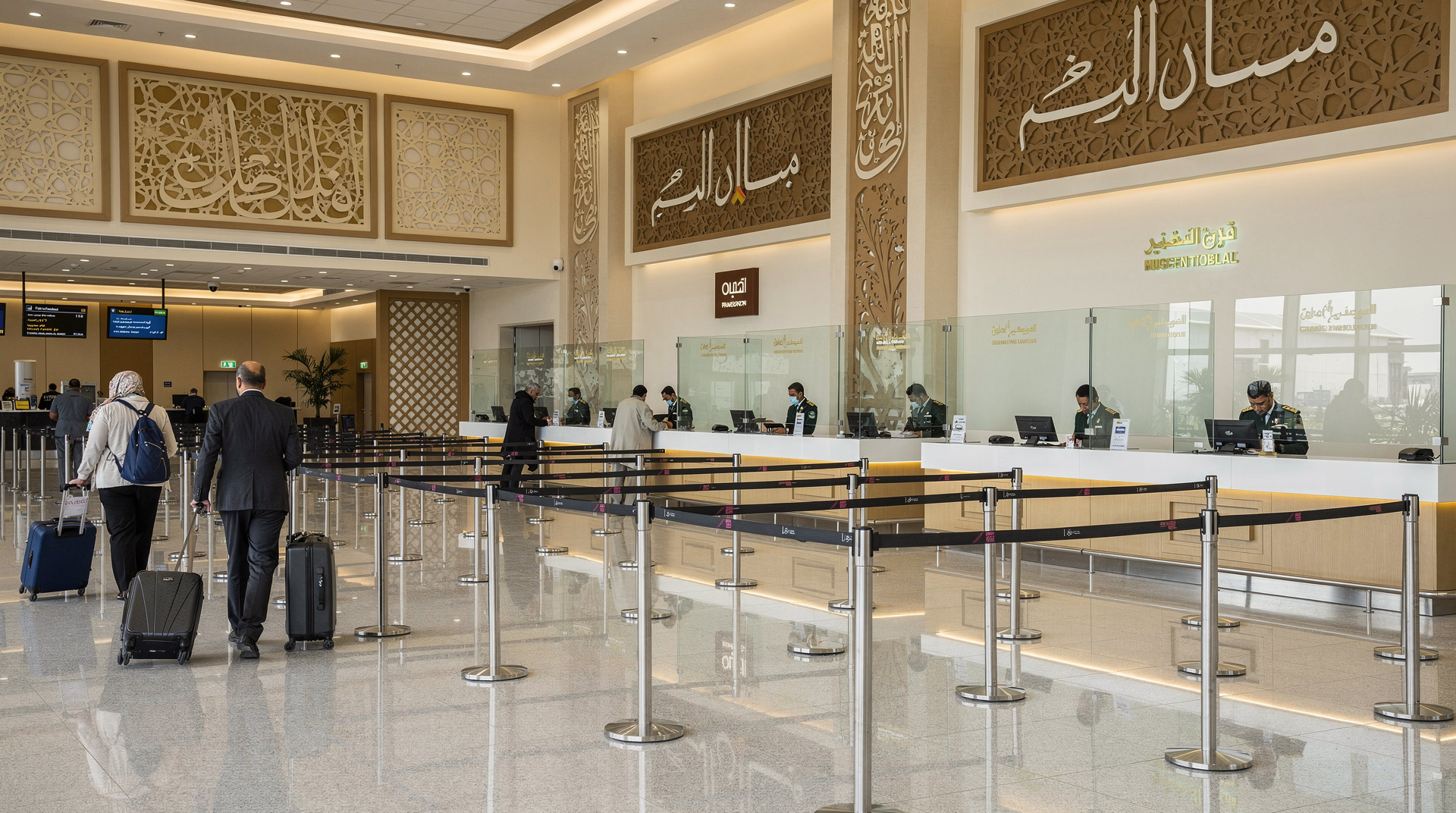
- Muscat International Airport (MCT), direct flights from Europe
- Budget per day
- USD 80 to 200
Why Muscat Belongs on Every Oman Itinerary
Muscat is unlike any other Arab capital. Spread across a dramatic coastline where the Hajar Mountains tumble into the Gulf of Oman, the city moves at a measured pace that feels deliberate — the result of strict planning laws that kept it low-rise, clean, and unhurried even as it grew into a modern metropolis. There are no skyscrapers competing with the ridgeline. The buildings are white. The streets are swept. And everywhere you look, the sea is close.
For most travellers arriving in Oman, Muscat is the entry point. What many discover is that it deserves far more than a single night. The Grand Mosque alone justifies an early morning. Muttrah Souq rewards an evening of slow wandering. The corniche, the forts, the fish market at dawn — each layer of the city reveals something that a rushed transit cannot capture.
This guide covers everything you need to plan a stay of three to five days, with honest recommendations on where to sleep, eat, and how to move around without overpaying.
| At a glance | |
|---|---|
| Where | Oman’s capital, on the Gulf of Oman coast where the Hajar Mountains meet the sea |
| Cost | Grand Mosque free (designated hours); dhow cruise from around USD 40; hotel rooms from around USD 40-450 |
| Time needed | 3 to 5 days |
| Getting there | Muscat International Airport (MCT), with direct flights from Europe and the region |
| Best time | October to March, when daytime heat is manageable |
The Grand Mosque: Oman’s Architectural Masterpiece
Sultan Qaboos Grand Mosque is the centrepiece of any Muscat visit and one of the most beautiful religious buildings in the Islamic world. Completed in 2001 after six years of construction, it can accommodate 20,000 worshippers and is open to non-Muslim visitors every morning except Friday, from 08:00 to 11:00.
The statistics are staggering without being the point. The main prayer hall contains a hand-woven Iranian carpet measuring 70 by 60 metres, one of the largest in the world. The chandelier overhead, inlaid with Swarovski crystals, weighs 8 tonnes. The marble came from Italy, the teak from India, the stained glass from Germany — yet the whole feels coherent rather than accumulated.
Dress conservatively. Women must cover hair, arms, and legs; the mosque provides abayas at the entrance if needed. Men must wear trousers and covered shoulders. Remove shoes before entering the prayer hall. Photography is permitted in all outer areas and the main prayer hall when not in use for prayers.
Entry is free. Arrive by 08:30 to enjoy the space before tour groups fill it.
Muttrah Souq: The Soul of Old Muscat
About 10 kilometres east of the Grand Mosque, Muttrah is the old mercantile quarter and the place where Muscat feels most itself. The souq is one of the oldest in the Arabian Peninsula, its covered alleyways piled with frankincense, silver khanjar daggers, Omani textiles, dates, and spices. It can feel labyrinthine, but that is the point — getting briefly lost is part of the experience.
The best strategy is to enter from the corniche side and give yourself at least 90 minutes. The silver section is worth your attention even if you are not buying. Omani silverwork — particularly the traditional khanjar — is a recognised craft tradition, and even the tourist-grade pieces are better quality than what you will find elsewhere in the Gulf. Fixed-price shops exist alongside bargaining stalls; ask before assuming.
Outside the souq, the Muttrah Corniche is one of the city’s great evening walks. The waterfront road stretches for a couple of kilometres, lined with benches, incense smoke drifting from cafés, and fishing boats rocking in the small harbour. The old Portuguese fort of Mutrah overlooks everything from above.
Al Jalali and Al Mirani Forts
The twin forts guarding Muscat Bay date from Portuguese occupation in the 16th century, though both were rebuilt under Omani rule. Al Mirani is closed to visitors but dramatic from below. Al Jalali, perched on the eastern headland, is a military museum and not publicly accessible, but both are the focal point of the famous harbour view — best photographed from the waterfront near the Royal Opera House of Muscat.
The Royal Opera House Muscat
Opened in 2011, the Royal Opera House Muscat (ROHM) stands as Oman’s premier performing arts venue and an architectural statement in its own right. The building combines traditional Omani Islamic design with state-of-the-art acoustics. International opera, ballet, classical music, and jazz acts perform here between October and May.
Tickets range from OMR 10 to OMR 80 (approximately USD 26 to 208) depending on the performance and seating. The gardens around the building are open to visitors during the day and are worth a walk even without a performance. Check the official schedule before your trip — a show here is one of Muscat’s genuine highlights.
Guided Tours from Muscat
For first-time visitors who want to understand the city’s geography and key landmarks efficiently, a guided city tour is the fastest way to orient yourself before exploring independently.
Half-Day Muscat City Tour — Old Town, Muttrah and Palaces covers the Grand Mosque, Muttrah Souq, Al Bustan Palace area, and the old city gates in about four hours. This is the most popular format for short-stay visitors and runs daily. In 2026, prices start at approximately USD 35 per person.
For a panoramic overview that lets you set your own pace between stops, the Muscat Panoramic Hop-On Hop-Off Tour is a practical option. It loops between the major districts on a regular schedule, from around USD 20 per adult.
Dhow Cruises on the Gulf of Oman
One of Muscat’s most atmospheric experiences is getting out on the water. Traditional wooden dhows, the same vessel design that has carried trade across the Indian Ocean for centuries, are available for sunset and evening cruises from the Muscat waterfront.
The Sunset Dhow Cruise in Muscat departs in the late afternoon and spends roughly two hours on the water as the sun drops behind the mountains. Refreshments are typically included. The light in that final hour before dark turns the white city extraordinary — pink and amber on limestone cliffs, the forts glowing above the bay. Prices in 2026 start around USD 40 per person.
Dolphin Watching and Snorkeling
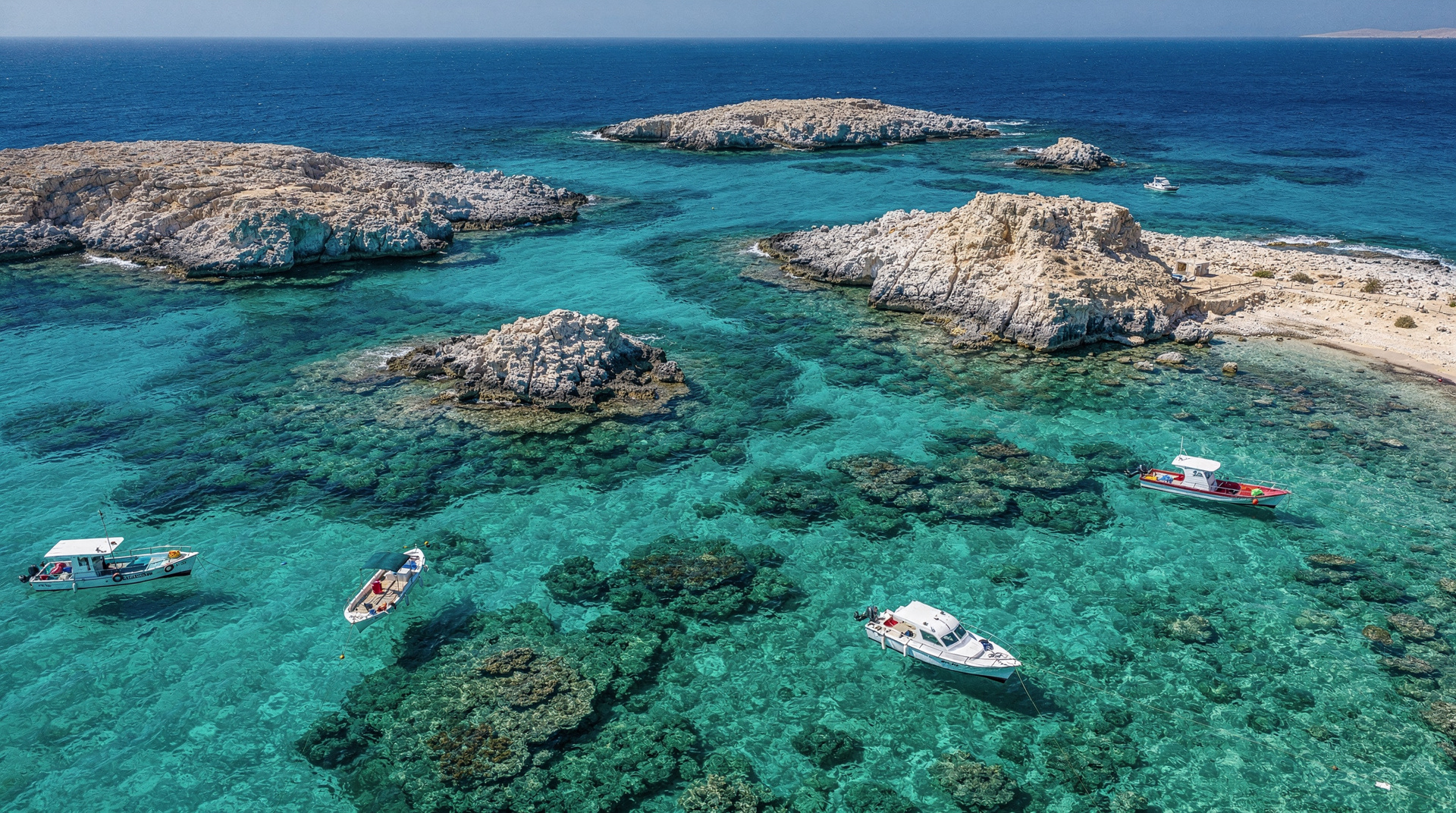
The waters around Muscat host spinner dolphins in significant numbers, and morning boat trips out of the harbour reliably encounter them. The same tours often include a snorkeling stop over reef areas with reasonable visibility and fish life.
The Muscat Dolphin Watching and Snorkeling Tour runs mornings and covers both activities in three to four hours. Snorkeling equipment is provided. Expect to pay from USD 45 per person. These tours also pass the Daymaniyat Islands on occasion — if the islands are a priority, book a dedicated trip as described in our Daymaniyat Islands guide.
Getting Around Muscat
Muscat is a sprawling city not built for walking between districts. The practical options are:
Rental car: The most flexible option, with well-maintained roads and ample parking. International licences are accepted. Fuel is cheap. Budget around OMR 15 to 25 per day (USD 39 to 65) for a basic car from reputable agencies at the airport.
Taxis and ride apps: Mwasalat taxis and Careem both operate in Muscat. Always confirm the fare before getting in with unmarked taxis, or use the app. Airport to city centre runs about OMR 8 to 12 depending on destination.
Mwasalat buses: The urban bus network has improved significantly but routes are limited for tourists. Useful for the Muttrah to CBD corridor.
For day trips to Nizwa, Wahiba Sands, or the Daymaniyat Islands, organised tours from Muscat are often more practical than self-driving if you are unfamiliar with Omani roads.
Where to Stay in Muscat
Luxury (from OMR 120 / USD 312 per night)
The Al Bustan Palace, a Ritz-Carlton Hotel, is the city’s most storied address — a vast palace hotel set in its own bay south of Muttrah, surrounded by mountains. Service standards are exceptional. The beach and pools are private. Rooms start around USD 450 in peak season.
Shangri-La Muscat (Al Bandar and Al Waha properties) occupies a private beach development at Qantab, about 25 minutes from the city centre. Two distinct hotels share facilities including multiple pools, a marina, and a selection of restaurants. Strong choice for families. Rates from USD 320.
Mid-range (OMR 40 to 80 / USD 104 to 208 per night)
The Hormuz Grand Muscat, a Radisson Collection hotel, sits in the Shatti Al Qurum district close to restaurants and the beach. Rooms are spacious, the rooftop pool has a good view, and service is consistently rated highly. Rates from USD 130.
Crowne Plaza Muscat OCEC is well-placed near the convention centre and Qurum beach, with comfortable rooms and multiple dining options. A reliable business-and-leisure hybrid. From USD 110.
Budget (under OMR 25 / USD 65 per night)
Muscat Hills Guest House in Ruwi is clean and central, with friendly management and easy access to the bus network. Basic but perfectly functional. From USD 40.
Sama Al Ghaim Hotel Apartments in Azaiba offer kitchen facilities and more space for the price, useful for longer stays. From USD 55.
Where to Eat in Muscat
Kargeen Caffe (Al Qurum): The essential Muscat social institution. Set in a garden with ambient lighting, pillows, shisha, and excellent Omani coffee, it draws a mix of locals and visitors every evening. The menu covers Omani staples, grills, and mezze. Expect to pay OMR 5 to 12 per person.
Bait Al Luban (Muttrah): One of the best traditional Omani restaurants in the country, located in a renovated merchant house overlooking the corniche. The shuwa (slow-cooked lamb), Omani rice, and halwa dessert are the reasons to come. Book ahead in peak season. Around OMR 10 to 18 per person.
Ubhar (Qurum): Modern Omani cuisine in an upmarket setting. The chefs here interpret traditional dishes with contemporary technique without losing authenticity. A great choice for a special dinner. OMR 15 to 25 per person.
Bin Ateeq (multiple locations): The local chain that Omanis actually eat at for traditional food. Rustic, busy, and very affordable. The maraq (broth soup), dates, and flatbreads are excellent. Under OMR 5 per person.
Automatic Restaurant (Ruwi): Lebanese chain institution in Oman for decades. Open late, reliable, and excellent value for grills, mezze, and fresh juices. OMR 5 to 10 per person.
For the freshest fish in the city, the Muttrah Fish Market at dawn sells the overnight catch directly to buyers. Nearby grill shacks will cook your purchase for a small fee — one of the more memorable budget meals available in Muscat.
Beaches and the Corniche
Muscat’s coastline gives it a relaxed, seaside character rare among Arab capitals. Qurum Beach and Al Bustan Beach are free public beaches with soft sand and calm, swimmable water for most of the year — good for an early-morning walk or a late-afternoon swim once the worst of the heat has passed. Neither has significant shade, so bring your own if you plan to stay more than an hour.
The Al Alam Palace, the ceremonial residence of Sultan Qaboos’s successor, sits between the two forts in Old Muscat. The palace itself is not open to visitors, but the striking blue-and-gold facade and the surrounding plaza can be viewed and photographed freely from outside — a quick, worthwhile stop on the way to or from Muttrah.
Muscat for Families and First-Timers
Muscat is an easy introduction to Oman for families and first-time visitors. The Grand Mosque and Muttrah Souq are both manageable with children given a slower pace and frequent breaks, and the calm waters of Qurum and Al Bustan beaches suit younger swimmers better than the open sea further along the coast.
For a change of pace, the National Museum near Old Muscat has interactive, well-labelled exhibits on Omani history that hold children’s attention better than most regional museums. Pair a Muscat stay with a short, well-paced excursion — the day trip to Nizwa or a short snorkeling trip to the Daymaniyat Islands — rather than attempting a long desert or mountain circuit with young kids.
Day Trip: Nizwa and the Interior
Muscat is the logical base for a day trip to Nizwa, Oman’s historic former capital. The drive takes about 90 minutes on the fast dual carriageway through the mountains. The fort, the Friday goat market, and the traditional souq make for a full day. If you prefer a guided experience, see our Muscat to Nizwa day trip guide.
Practical Tips for Muscat
Weather: Muscat is hot. From April to September, temperatures regularly exceed 40°C. The best months are November through February, when days are warm (25 to 32°C) and evenings require a light layer. Even in winter, plan outdoor activity for the morning and retreat indoors midday.
Dress code: Oman is conservative but not restrictive for tourists. In souqs, mosques, and traditional areas, cover shoulders and knees. On beaches and resort pools, swimwear is fine. Women do not need to cover hair outside religious sites.
Currency: The Omani Rial (OMR) is pegged to the US dollar at approximately 1 OMR to 2.60 USD. Cards are accepted widely. ATMs are easy to find.
Language: Arabic is the official language. English is widely spoken in hotels, restaurants, and tourist contexts.
Safety: Muscat consistently ranks among the safest capitals in the Arab world. Petty crime is rare. Standard travel precautions apply.
Friday hours: Many souqs and some restaurants operate on reduced hours or close on Friday morning. The Grand Mosque is not accessible to non-Muslims on Fridays.
Useful Internal Resources
- Oman visa requirements and how to apply
- When to visit Oman: month-by-month breakdown
- Daymaniyat Islands: snorkeling and diving from Muscat
- Nizwa: forts, souqs, and the old Omani heartland
- Two-week Oman road trip itinerary
- Muscat airport: arrival, transport, and tips
FAQ: Muscat Travel Questions
How many days should I spend in Muscat?
Three days is the practical minimum to cover the Grand Mosque, Muttrah, a dhow cruise, and one day trip. Five days allows you to explore Muscat thoroughly plus add a trip to the Daymaniyat Islands or Nizwa at a relaxed pace.
Is Muscat worth visiting or just a stopover?
Muscat rewards dedicated time. The combination of heritage sites, coastline, excellent food, and easy access to day trip destinations makes it one of the better-value capital cities in the Middle East. Many travellers who planned two nights end up wishing they had stayed longer.
What is the best area to stay in Muscat?
Al Qurum and Shatti Al Qurum put you close to restaurants, beach access, and a manageable drive to the main sights. Muttrah is atmospheric and excellent for souq access but quieter at night and slightly removed from the modern dining scene. The CBD (Al Khuwair) suits business travellers more than leisure.
Can I visit the Grand Mosque without a guide?
Yes. The Grand Mosque is easy to visit independently. Arrive by 08:30, dress conservatively (abayas are provided free at the entrance for women), remove shoes at the prayer hall entrance, and allow 45 to 90 minutes. No booking required; entry is free.
How do I get from Muscat to the Daymaniyat Islands?
Organised tours depart from the Muscat waterfront and take 45 minutes to an hour to reach the islands by boat. Self-organised trips are possible from Al Sawadi Beach further along the Batinah coast, but for most visitors an organised tour is the simpler option. See the full Daymaniyat Islands guide for details.
Is Muscat safe for solo female travellers?
Yes. Oman is consistently rated one of the safest countries in the region for solo female travellers. Local attitudes are respectful, harassment is uncommon, and the police are responsive. Standard precautions apply as in any city. Dress modestly in traditional areas and you will encounter no difficulties.
What currency should I bring to Muscat?
The Omani Rial is the local currency. USD and EUR are not accepted in shops (unlike some Gulf states). Change money at airport booths, banks, or licensed exchange offices (which offer better rates than hotels). Cards are accepted at virtually all hotels, restaurants, and larger shops.
Is alcohol available in Muscat?
Alcohol is available in licensed hotel bars and restaurants. It is not sold in regular shops or souqs. If you want a drink with dinner, choose a hotel restaurant or a licensed venue. Prices are approximately double what you would pay in Europe.
Can I combine Muscat with a Musandam trip?
Yes, but it requires planning since Musandam is a detached exclave separated from mainland Oman by the UAE. The simplest approach is a short flight from Muscat to Khasab (around 55 minutes) and back, spending two to three days in the fjords. It does not connect by road to the rest of Oman.
Is Muscat expensive compared to the rest of Oman?
Muscat runs a little higher than the interior or coastal towns like Sur, mainly due to hotel and restaurant pricing, but it remains inexpensive next to Gulf neighbours like Dubai. Budget travellers can comfortably manage on USD 80 a day using local restaurants and budget hotels; luxury travellers can spend USD 300 or more without difficulty. See our Oman budget guide for a fuller breakdown.