Oman vs Dubai: Which Should You Visit?
Two Destinations, One Choice
If you are planning a trip to the Arabian Peninsula and wondering whether to go to Oman or Dubai, you are facing a choice that more and more travellers are confronting. Dubai has dominated Middle East tourism marketing for two decades. Oman has been quietly building its reputation among those who have actually been there. Both countries have genuine appeal. They are also very different from each other, and the right choice depends entirely on what kind of trip you want.
This comparison covers the categories that matter most: cost, culture, nature, and how crowded each destination feels on the ground.
| Oman | Dubai | |
|---|---|---|
| Typical daily budget (mid-range) | Around 50-90 USD | Around 100-180 USD |
| Best for | Nature, culture, quiet | Luxury, nightlife, convenience |
| Getting there | Muscat International (MCT) | Dubai International (DXB) |
| Getting around | Rental car / 4x4 recommended, see the 4x4 rental guide | Metro, taxis, ride-sharing |
| Ideal trip length | 7-10 days, see the 7-day classic Oman itinerary | 3-4 days |
| Best time to go | October-April, see the best time to visit guide | November-March |
Cost: Which Country Is Cheaper?
Flights: Broadly similar from Europe, North America, and Asia. Emirates and flydubai dominate routes to Dubai; Oman Air and a growing number of carriers serve Muscat. Both cities are major international hubs with competitive pricing.
Accommodation: Dubai skews expensive at the upper end. The luxury hotel scene there is competitive but rarely cheap, and even mid-range properties in central Dubai carry a premium. In Muscat, you can find excellent four-star hotels for significantly less, and guesthouses in towns like Nizwa or Sur represent exceptional value. Camping in the desert or mountains in Oman costs very little — sometimes nothing.
Food: Both countries offer a full range from budget to fine dining. In Dubai, good local food (shawarma, Iranian restaurants, South Asian spots) is affordable if you know where to look, but tourist-facing restaurants are expensive. In Oman, local Omani restaurants serve generous meals — grilled fish, shuwa lamb, Zanzibar-influenced rice dishes — at prices that feel like genuine value. Street food culture is richer and more accessible in Oman.
Attractions: Dubai’s iconic experiences — Burj Khalifa observation deck, desert safaris, the Aquarium — all carry entrance fees that add up quickly. Oman’s most spectacular attractions are largely free: the wadis, the mountain roads, the ancient forts, the turtle beaches. Paid tours and experiences in Oman exist and are worthwhile, but the baseline experience is far more affordable.
Verdict: Oman wins on cost, particularly for mid-range and budget travellers. Dubai’s luxury experience can be competitive if you find the right deals, but the overall spend for a week in Oman will almost always be lower.
Culture: Depth vs Spectacle
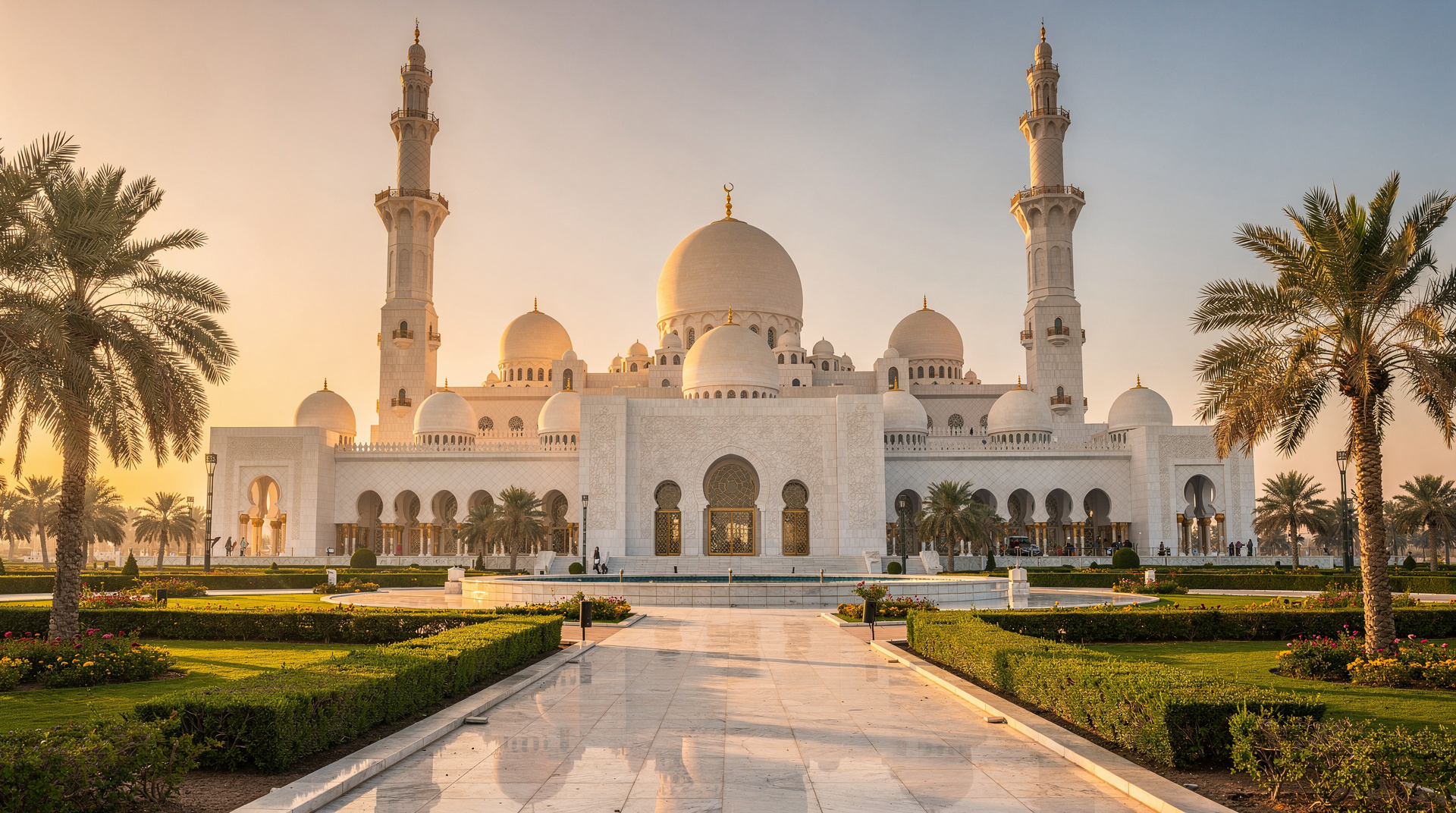
Dubai is a phenomenon — a city built from almost nothing in roughly five decades into one of the world’s most visited destinations. The cultural offer is real: the Al Fahidi Historical Neighbourhood, the Gold and Spice Souqs, the excellent Dubai Museum. But the dominant aesthetic of Dubai is novelty and scale. The tallest, the largest, the fastest. Culture in Dubai is something you seek out deliberately against a backdrop of shopping malls and skyscrapers.
Oman is different at a structural level. The country preserved its old towns, its forts, its traditional crafts, and its cultural practices not as tourist attractions but because they remained genuinely central to Omani identity. Walking through the old quarter of Muscat or exploring Muttrah Souq, you are not in a re-created heritage zone — you are in a living part of the city.
The Ibadi branch of Islam practised by most Omanis has shaped a culture that is notably moderate, tolerant, and inward-looking. Oman has never sought regional dominance or positioned itself as a power player. This has created a society that is confident, courteous, and genuinely welcoming to outsiders without being performatively so.
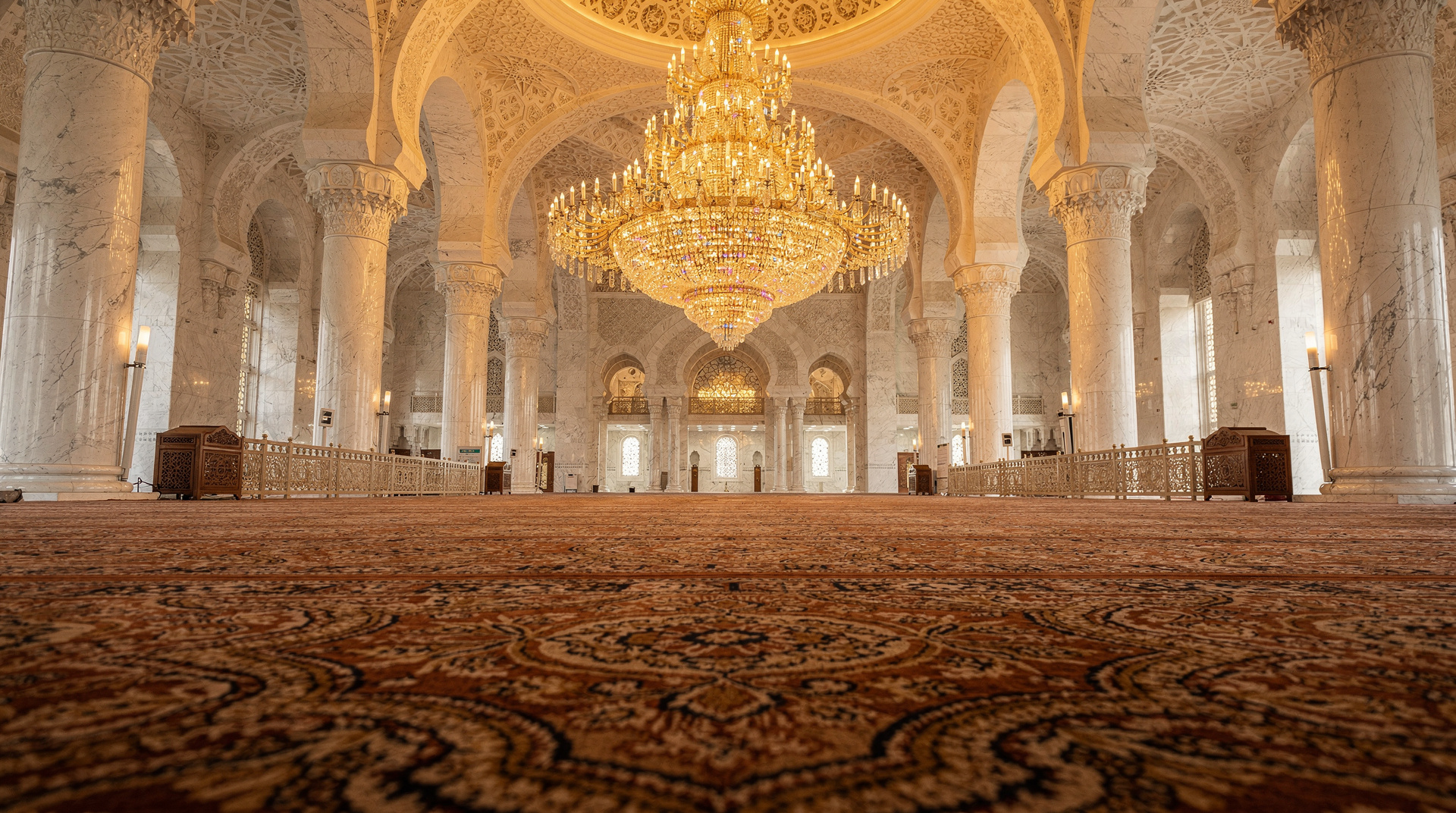
Frankincense, coffee, silver jewellery, hand-woven textiles, ancient trading routes to East Africa and India — Oman’s cultural heritage is layered and fascinating in ways that take time to appreciate. The Sultan Qaboos Grand Mosque alone, with its hand-knotted carpet, its Austrian crystal chandelier, and its architectural perfection, stands as one of the finest buildings in the Islamic world.
Verdict: For cultural depth and authenticity, Oman is significantly more rewarding. Dubai’s culture is real but heavily packaged. Oman’s is embedded in daily life.
Nature: Mountains, Wadis, Dunes, and Coasts
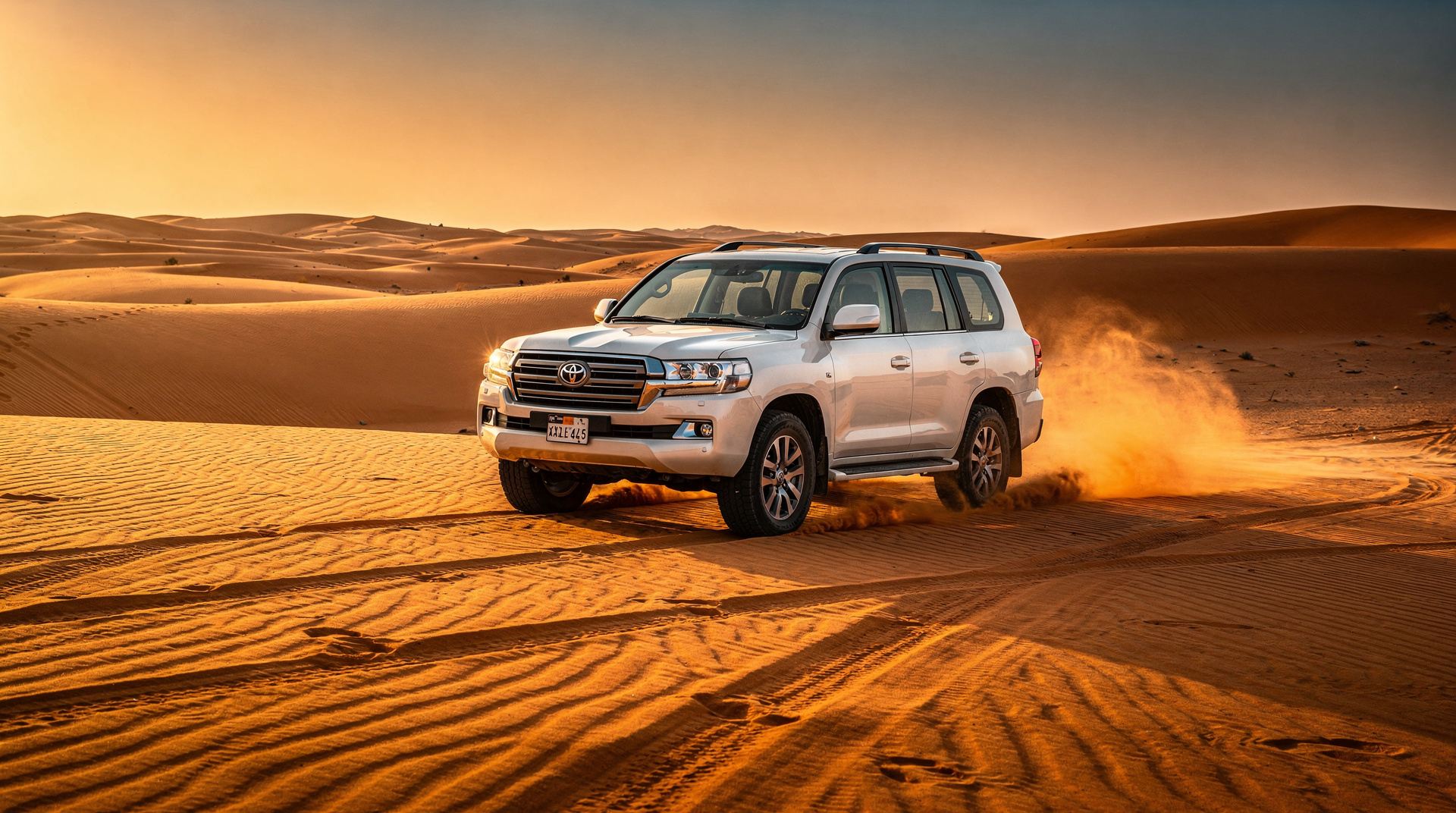
Dubai’s natural environment is the desert. The desert safari industry there is substantial and slick, and spending a night under the stars in the dunes outside Dubai is a good experience. But the desert in the UAE is essentially the one experience nature offers there.
Oman’s natural range is extraordinary. Within driving distance of Muscat you have:
- The Hajar Mountain range, including the dramatic canyon of Jebel Shams and the green terraces of Jebel Akhdar
- Dozens of wadis — seasonal riverbeds with permanent pools of clear water — where swimming is possible year-round
- A 3,000-kilometre coastline that includes dolphin habitats, turtle nesting beaches, the fjords of Musandam, and some of the best snorkelling in the Arabian Sea
- The Wahiba Sands — a genuine red-and-gold dune sea that makes most UAE desert camps look like a rehearsal
- The green hills of Dhofar in the south, which receive the tail end of the Indian Ocean monsoon every summer
This variety of terrain is what separates Oman from every other Gulf destination. You can swim in a wadi in the morning, drive through mountain villages in the afternoon, and sleep under desert stars at night — all within a single day’s journey. The Wadi Shab and Bimmah Sinkhole Full-Day Tour from Muscat is one of the best single-day illustrations of this variety — canyon swimming, geological wonders, and coastal scenery in one itinerary.
A panoramic tour of Muscat is a great way to understand the city’s geography before exploring further. This Muscat Panoramic Tour covers the major viewpoints, royal palaces, and coastal areas in a few hours.
Verdict: Oman wins on nature — not just slightly, but comprehensively. There is no comparison in terms of geographic variety.
Crowds: How Does Each Country Feel?
Dubai welcomed over 17 million international overnight visitors in a recent pre-pandemic year. The popular attractions reflect those numbers. Queues for the Burj Khalifa, crowds at the Dubai Mall, packed beaches at Jumeirah — Dubai at peak times is a genuinely busy destination, and navigating it requires patience.
Oman’s visitor numbers are a fraction of that. The country has been deliberately growing its tourism sector slowly, with an emphasis on quality over volume. The result is that popular sites feel calm compared to equivalent sites in Dubai or anywhere in Europe. The Jebel Shams Balcony Walk — one of the most spectacular hikes in the Middle East — can be completed on a quiet weekday morning with almost nobody else on the trail. The desert camps in the Wahiba Sands feel genuinely remote even when they are not technically far from civilisation.
This matters enormously for the quality of experience. Photographs without crowds, conversations with locals rather than tourist-industry workers, the feeling of genuine discovery — these are things that Oman delivers and Dubai, at scale, cannot.
Verdict: Oman is significantly less crowded. If you value space, quiet, and the feeling of being somewhere not yet exhausted by tourism, it is not close.
Where Dubai Wins
To be fair, there are things Dubai does better:
Convenience: Dubai’s infrastructure is flawless. The Metro is excellent, taxis and ride-sharing are cheap, the airport is vast and efficient, and English is spoken everywhere. Navigating Dubai requires zero effort.
Nightlife and entertainment: If you want rooftop bars, world-class restaurants, international concerts, and a high-energy urban scene, Dubai has it. Oman is quieter by design.
Shopping: Dubai’s retail scene — from the Gold Souq to the Dubai Mall — is unmatched in the region. Oman has good souqs but nothing on that scale.
Luxury: Dubai’s luxury hotel and dining scene is competitive with any city in the world. For a pure luxury break in ultramodern surroundings, it delivers.
The Combined Trip
It is worth noting that Dubai and Muscat are just over an hour apart by plane, and both cities are connected by bus — an eight-hour journey but an increasingly popular overland option. Many travellers combine both: a few days of urban luxury and spectacle in Dubai followed by a deeper, quieter Oman experience. That combination is excellent and covers both bases without compromise.
Making the Call
Choose Dubai if: you want guaranteed luxury, excellent urban infrastructure, a buzzing nightlife and dining scene, and you are comfortable being one of millions of tourists.
Choose Oman if: you want landscapes that will genuinely stop you in your tracks, cultural experiences that feel real, space and quiet, and the particular pleasure of a destination that has not been over-sold.
Choose both if you have ten days or more and want the full range of what the Gulf can offer.
A Note on Visa Logistics
One practical consideration when comparing the two destinations: the UAE offers visa-on-arrival or visa-free access to a very wide range of nationalities, and its process is frictionless. Oman has made significant improvements in recent years — most Western, European, and many Asian nationalities can obtain an e-visa online in minutes — but it is worth checking your specific passport against current Omani visa requirements before booking.
The good news for those who want both: a dual UAE-Oman trip is straightforward to organise. Fly into Dubai, spend three or four days there, then drive or take a bus to Muscat and spend the remainder of your trip in Oman. The border crossing at Hatta-Wajaja is the most convenient overland route and is straightforward for most passport holders.
What a Week Actually Costs
Numbers help more than adjectives here. A realistic mid-range week in Oman — a rental car, three- and four-star hotels, local restaurants with one or two splurges, and a couple of paid tours like the Wadi Shab and Bimmah Sinkhole day tour — tends to land around 500-800 USD per person excluding flights. For a fuller breakdown by category, the cost of 7 days in Oman guide walks through the actual line items.
A comparable week in Dubai, staying in equivalent mid-range hotels with a similar mix of dining and one or two paid attractions, typically runs noticeably higher once desert safaris, Burj Khalifa tickets, and taxi fares are added up — the Oman vs Dubai cost guide goes deeper into the comparison if budget is your deciding factor.
If You Are Choosing Between the Two Countries Themselves
Some travellers are not comparing Oman to Dubai specifically but weighing Oman against the wider region — Jordan, for instance, offers a different but comparable mix of ancient sites and desert landscapes, covered in the Oman vs Jordan comparison, while the Oman vs UAE guide looks at the broader UAE beyond just Dubai. If Oman wins your comparison, the practical next step is usually either a 3-day Muscat express itinerary for a short trip or the fuller 10-day grand tour for those with more time.
Frequently asked questions
Is it cheaper to fly into Dubai and cross overland into Oman, or fly directly to Muscat? For a trip focused mainly on Oman, flying directly into Muscat is usually simpler and not meaningfully more expensive than routing through Dubai — the overland crossing only makes sense if you actually want time in both countries.
Can I visit both Oman and Dubai on one Gulf trip without it feeling rushed? Yes, with ten days or more: a common pattern is three to four days in Dubai followed by six or more days in Oman, since Oman rewards slower travel between its wadis, mountains, and coast more than Dubai does.
The Bottom Line
Oman is not the underdog here. It is a different kind of destination — one that tends to produce deeper satisfaction, more memorable experiences, and travellers who come back. Dubai is world-class at what it does. Oman is world-class at something entirely different. The choice comes down to what kind of trip you actually want — and increasingly, travellers are choosing both.