Wahiba Sands Desert Safari: Complete Guide to Sharqiyah Sands
How do I visit Wahiba Sands from Muscat?
Take a day trip or overnight tour from Muscat, roughly 2.5 hours south via Highway 23. Most visitors book a guided 4WD safari that includes dune bashing, camel riding, and a Bedouin camp experience. Overnight stays in desert camps start from around 45 OMR per person.
Everything You Need to Know Before Visiting Wahiba Sands
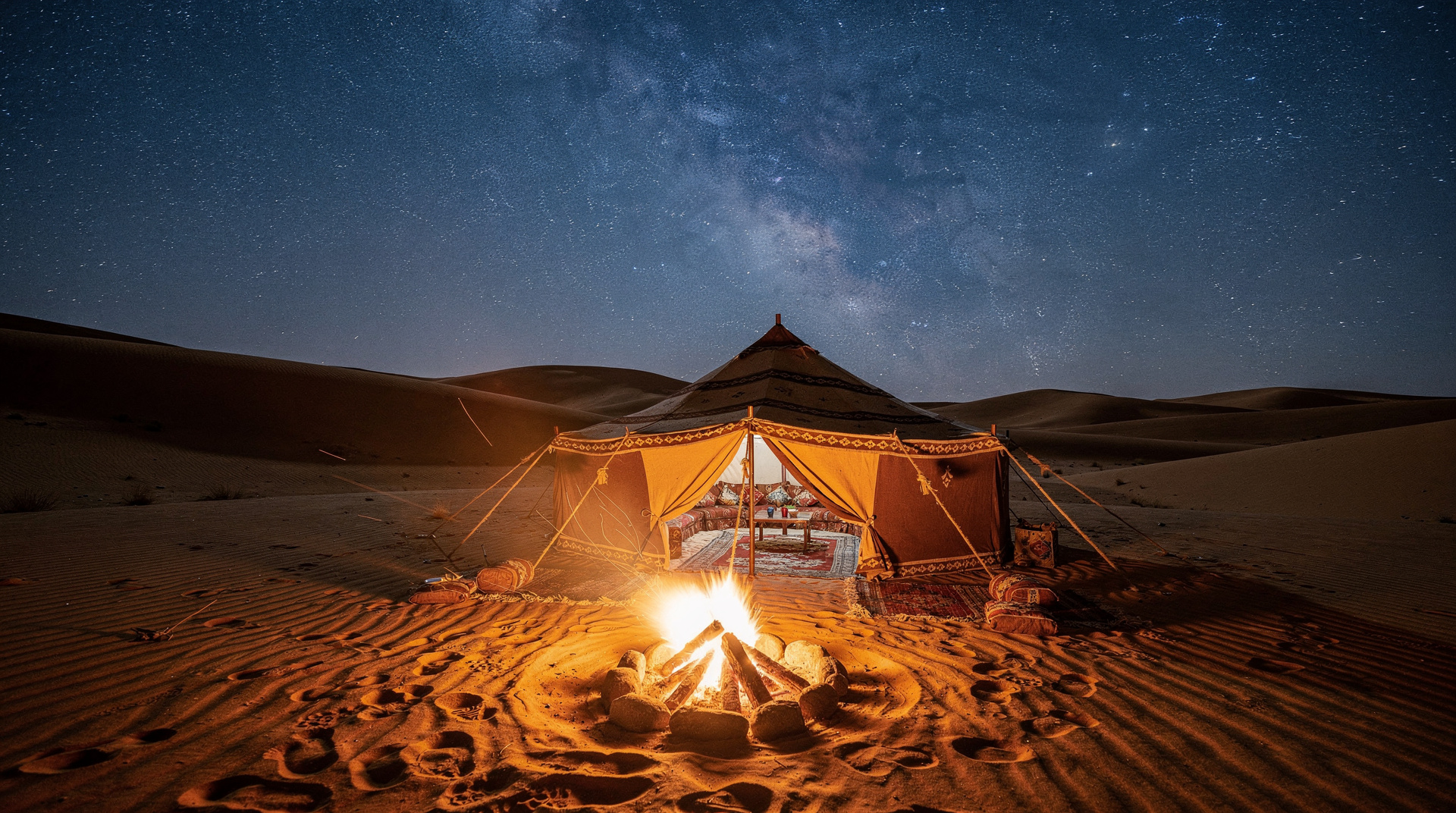
Stretching across roughly 12,500 square kilometres of southeastern Oman, Wahiba Sands — officially known as Sharqiyah Sands — is one of the most accessible yet genuinely dramatic desert experiences in the Arabian Peninsula. Unlike the remote Empty Quarter, these dunes sit close enough to Muscat to make them viable as a long day trip, yet far enough from urban sprawl to feel properly wild. Rust-red crests rise up to 100 metres in some areas, the silence is total once you cut the engine, and on clear nights the Milky Way fills the entire sky without competition from city light.
This guide covers every practical detail: which tours to book, where the best camps are located, what dune bashing actually feels like for first-timers, how to combine the sands with nearby Wadi Bani Khalid, and what to budget for 2026 prices.
At a glance
| Where | Sharqiyah Sands, southeastern Oman, around 200 km / 2.5 hours from Muscat via Highway 23 |
| Cost | Around 25-45 OMR per person for a day trip; overnight camps roughly 35-130 OMR per person depending on comfort level |
| Time needed | A long day trip is possible, but one overnight is recommended to experience the desert properly |
| Getting there | Guided tour from Muscat (most visitors) or self-drive 4WD via Highway 1 then Highway 23 through Ibra |
| Best time | October to February for comfortable temperatures; avoid May-September if possible |
Why Wahiba Sands Stands Apart from Other Desert Destinations
Most visitors arrive expecting something pleasant. What they get is something genuinely unforgettable. The dunes of Wahiba Sands have a particular colour quality — that deep burnt-sienna hue that photographs cannot quite capture — and they change shade throughout the day from pale gold at dawn to deep orange at dusk.
The terrain is also unusually varied. The western edge near the main entrance roads features classic towering dunes ideal for bashing and boarding. Move deeper into the sands and the dunes become softer, more rolling, interspersed with flat sabkha (salt flats) where Bedouin families still graze camels and goats. In the far south, the dunes eventually meet the sea near the fishing town of Al Ashkharah — a journey that hardcore overlanders sometimes attempt over several days.
For most travellers, though, the classic experience involves entering from the town of Al Qabil in the northwest, spending time on the high dunes near the camps clustered along the first 15-20 km, and either heading back to Muscat the same evening or sleeping under the stars.
Getting There: Practical Transport Options
From Muscat by private car or rental: The most direct route follows Highway 1 south toward Nizwa, then cuts east on Highway 23 through Ibra. Total distance is approximately 200 km, taking around 2.5 hours without stops. You will need to deflate your tyres to around 18-20 PSI before entering the sand — compressors are available at the Al Qabil entry point. A standard 4WD is essential; 2WD vehicles will get stuck within minutes.
From Muscat by organised tour: This is the easiest option for most visitors. Several reputable operators run day trips and overnight excursions from Muscat, handling the driving, all equipment, and camp logistics. You simply show up, get in the vehicle, and enjoy the ride.
The Wahiba Sands and Wadi Bani Khalid combined day trip from Muscat is one of the most popular options, letting you experience both the dunes and the famous oasis wadi in a single day. Departures are early — usually 6:30-7:00am — to make the most of daylight and avoid peak heat.
The 4WD Desert Safari from Muscat focuses exclusively on the Wahiba Sands experience with a longer time on the dunes, including lunch at a Bedouin-style camp and optional sandboarding.
For those wanting more than a single day, the 2-day, 1-night Wahiba Sands desert experience with wadi combines an overnight desert camp stay with a wadi visit, giving you both the evening stargazing atmosphere and a morning in one of the region’s beautiful wadis.
If the sunset over the dunes is your primary goal, the sunset at Wahiba Desert tour focuses specifically on the golden-hour dune experience — the most photogenic moment in the desert.
For a private group or family who want to combine the dunes with a wadi on their own schedule, the private Wahiba Sands and Wadi Bani Khalid tour from Muscat provides a dedicated vehicle and guide for the entire day.
The Best Dune Areas Within Wahiba Sands
The Northern Gateway Dunes (Al Qabil Entry)
This is where most organised tours begin. The dunes here are high, photogenic, and easily accessible by 4WD. The light catches them beautifully in the late afternoon. Drivers typically do a circuit of three or four large dunes, combining steady climbing with occasional steep descents that make passengers grip the dashboard and laugh nervously. This area is best for photography between 4:00pm and sunset.
The Interior Camps Zone
About 15 km from the entrance, several permanent camps have established themselves in valleys between the dunes. This is where overnight guests stay and where the quieter, more immersive desert experience begins. Walk 10 minutes from any camp and you will be entirely alone in the dunes. At night, guides often lead guests on star-gazing walks with basic astronomy explanations.
The Coastal Fringe Near Al Ashkharah
Few day-trippers reach this area, but if you are spending multiple nights in the sands, the southern coastal edge offers a surreal landscape where 80-metre dunes meet the Arabian Sea. Camping here independently requires strong desert navigation skills and a fully equipped expedition vehicle.
Desert Camps: Where to Stay
The camp scene in Wahiba Sands ranges from basic Bedouin-style tented areas to polished glamping setups with private bathrooms and air conditioning. Here are the most well-regarded options:
1000 Nights Camp sits in a particularly scenic valley around 12 km from the Al Qabil entrance. It has been operating for over a decade and offers a range of accommodation from traditional Bedouin tents to fixed chalets. Dinners are served buffet style with a mix of Omani and international dishes. Prices in 2026 run approximately 55-75 OMR per person including dinner and breakfast.
Desert Nights Camp is the most upscale option, frequently cited in travel publications. Tent-style suites have private terraces, proper ensuite bathrooms, and air conditioning. Their restaurant serves genuine Omani cuisine — shuwa (slow-cooked spiced lamb), harees (wheat and meat porridge), and excellent fresh-baked flatbread. Expect to pay 90-130 OMR per night per person with meals included.
Al Areesh Desert Camp is a mid-range option popular with families and small groups. Accommodation is in traditional barasti (palm-frond) shelters. The camel rides here are well organised with experienced handlers. Rates hover around 40-55 OMR per person.
Budget travellers sometimes choose to camp independently near the dune edges, though you need to carry all water and supplies in. Always inform someone of your plans and check weather forecasts.
Activities in Wahiba Sands
Dune Bashing
The heart of the Wahiba Sands experience for many visitors. Your driver — invariably a skilled Omani local who has been driving these sands since childhood — deflates the tyres, engages low-ratio 4WD, and proceeds to climb and descend the dunes at speeds and angles that seem impossible. The sensation on a steep downslope is genuinely exhilarating: the front of the vehicle drops, gravity takes over, and the sand provides just enough resistance to keep things controlled without cushioning the adrenaline spike. Most tours dedicate 45-90 minutes to pure dune bashing. See our dedicated dune bashing guide for more detail on what to expect.
Sandboarding
Boards are provided by most camps and tour operators. Stand-up sandboarding is possible on the steeper dunes — it is harder than snowboarding because sand offers less speed, but easier to fall safely. Lying flat on a board and going head-first is faster and more popular with guests who want pure speed. No experience required.
Camel Riding
A 20-30 minute camel trek across the base of the dunes is offered by virtually every camp. Early morning (just after sunrise) is the best time — the camels are fresh, the light is magnificent, and temperatures are comfortable. More experienced riders can book hour-long treks deeper into the dunes with a guide.
Quad Biking and Dune Buggies
Several operators have set up quad bike and buggy experiences at the dune edges. These are separately priced from the standard safari package — typically 15-25 OMR for 30 minutes on a quad, 30-45 OMR for a dune buggy. Check our quad biking in Oman guide for details on the best operators and safety tips.
Stargazing
Wahiba Sands has almost zero light pollution. On clear nights — which is most nights between October and May — the sky is extraordinary. Several camps offer structured stargazing sessions with telescopes and a guide who explains constellations used by Bedouin navigators for centuries. Even without equipment, simply lying on the cooling sand and watching the stars emerge from dusk is one of the great experiences of any Oman visit.
Cultural Visits to Bedouin Families
Some tours include a visit to a genuine Bedouin family still living in the traditional manner — low goat-hair tents, hand-woven rugs, coffee served in small handleless cups. These are not staged shows. The families receive guests on their own terms and offer a glimpse into a way of life that has changed far less than you might expect. Always follow your guide’s lead on etiquette, remove shoes when entering, and ask before photographing people.
Combining Wahiba Sands with Wadi Bani Khalid
The most satisfying day trip from Muscat combines both destinations. Wadi Bani Khalid, located about 45 minutes north of the main dune entry point, is one of Oman’s most beautiful oasis wadis — a series of turquoise pools fed by permanent springs, edged with palm trees and dramatic rock walls. The contrast with the nearby desert is striking.
Most combined tours visit Wadi Bani Khalid in the morning (swimming is possible in the pools), continue to the dunes for a midday lunch at a camp and afternoon dune activities, then head back to Muscat arriving around 9:00-10:00pm. The Wahiba Sands and Wadi Bani Khalid day trip packages this perfectly and is excellent value at around 35-45 OMR per person including lunch.
You can also combine Wahiba Sands with a visit to Wadi Shab by adjusting your route, though this makes for a very long day.
When to Go: Seasonal Breakdown
October to February (Best Season): Daytime temperatures between 25-32°C. Nights can drop to 15-18°C, making sleeping outdoors in a light blanket genuinely comfortable. The air is crystal clear and driving conditions are ideal.
March to April: Still excellent. Temperatures rising to 33-38°C during the day, but mornings and evenings remain pleasant. Some wind can kick up fine dust.
May to September (Avoid if Possible): Daytime temperatures regularly exceed 45°C. Overnight lows barely drop below 30°C. The heat removes much of the pleasure from outdoor activities. If you must visit in summer, limit activity to dawn and dusk.
The khareef (monsoon) that hits Dhofar in the south does not reach Wahiba Sands, so the sands remain accessible year-round from a weather perspective — just not comfortable in the peak summer months.
What to Pack for Wahiba Sands
The desert has specific packing requirements that differ from typical tourist destinations:
- Sun protection: Factor 50+ sunscreen, UV-protective sunglasses (wraparound style to block blowing sand), wide-brimmed hat or keffiyeh-style scarf
- Footwear: Closed shoes for walking on hot sand, or thick sandals — flip-flops are genuinely uncomfortable when sand reaches 65°C surface temperature
- Layers: A fleece or light jacket for evenings October through March
- Camera: Sand gets into everything; bring a zip-lock bag for protection and a microfibre cloth for lens cleaning
- Water: Even on organised tours, carry at least 2 litres per person beyond what the operator provides
- Cash: Many camps operate cash-only systems for extras (quad bikes, extra drinks, souvenirs)
- Modest clothing: Particularly if you are visiting Bedouin families or other cultural sites en route
2026 Pricing Guide
| Activity / Accommodation | Price Range (OMR) |
|---|---|
| Day trip from Muscat (tour) | 25-45 per person |
| Day trip with Wadi Bani Khalid | 35-50 per person |
| 4WD private safari from Muscat | 70-120 per vehicle |
| Overnight budget camp (tent) | 35-50 per person |
| Overnight mid-range camp | 55-75 per person |
| Overnight luxury glamping | 90-130 per person |
| Camel ride (30 min) | 5-10 per person |
| Sandboard rental | 3-5 per session |
| Quad bike (30 min) | 15-25 per person |
Prices include VAT where applicable. Camp rates generally include dinner and breakfast.
Practical Tips for Independent Visitors
If you are driving yourself, the two most important things to know are tyre pressure and compass direction. Deflate to 18 PSI before entering soft sand, and keep track of your bearing — the dunes can disorient experienced navigators. Download an offline map of the area before departure as mobile signal is unreliable beyond the first few kilometres.
Fuel up completely in Ibra before heading into the sands — there are no petrol stations inside. Al Qabil has a small shop where you can buy water and snacks but stock up before arriving.
Always carry a tow rope, shovel, and traction boards. Even experienced drivers get stuck. When you do get stuck (not if), the technique is to dig out the tyres, lay the traction boards, and reverse slowly out — gunning the engine only digs you deeper.
Respect the desert ecosystem. Do not drive over vegetation, take nothing (shells, rocks, sand), and carry out all waste. The desert looks invincible but is actually fragile.
Learn about the broader landscape of Oman’s desert regions and how Wahiba Sands fits into the country’s geography.
Getting the Most from a Day Trip vs. an Overnight Stay
Day trips suit visitors with limited time or those who want a taste of the desert without committing a full night. You get dune bashing, a camp lunch, sandboarding, a camel ride, and a sunset photo — all the headline activities. The main limitation is that you miss the evening atmosphere and the night sky, which many visitors cite as the highlight of the entire Oman experience.
Overnight stays allow a completely different pace. You watch the dunes change colour at dusk from your tent, eat a slow dinner around a fire, sleep to total silence, wake at 4:30am to catch the pre-dawn colour on the sands, and have time for a gentle morning camel ride before breakfast. If you can give it even one night, the overnight experience is significantly richer. Explore overnight desert camping in Oman for detailed information on what to expect.
Choosing Between Wahiba Sands and Other Oman Desert Experiences
Wahiba Sands is not the only desert option in Oman, and knowing how it differs helps set expectations. It is by far the most accessible from Muscat and the most set up for first-time visitors — extensive camp infrastructure, well-established tour routes, and a reasonably short drive.
Travellers seeking something more remote and challenging should look at the Empty Quarter expedition guide, a multi-day undertaking deep into the Rub’ al Khali with none of Wahiba’s camp comforts. For a shorter, adrenaline-focused add-on rather than a full desert stay, the dune bashing guide and sandboarding guide cover the specific activities in more depth than this overview can.
If timing is flexible, cross-reference this guide with the Wahiba Sands in winter guide, which goes deeper into the December-February conditions that most visitors should aim for, including specific temperature ranges and photography light.
Family and First-Timer Considerations
Dune bashing intensity is adjustable — a nervous stomach or a child prone to motion sickness is a legitimate reason to ask your driver for a gentler ride, and any reputable operator will comply without hesitation. For families, the camel ride tends to be the more universally enjoyed activity, since it removes the unpredictability of the 4WD descents while still delivering the sense of scale and quiet that makes the desert memorable. First-time desert visitors sometimes underestimate how disorienting soft sand and featureless horizon can be; this is precisely why self-driving into the dunes without experience is discouraged, and why the guided options above are the sensible default for anyone without prior desert-driving practice.
Read the Oman with kids guide for a broader view of family logistics across the country, and the family desert experience guide for desert-specific planning.
Frequently asked questions about Wahiba Sands Desert Safari: Complete Guide to Sharqiyah Sands
How far are Wahiba Sands from Muscat?
The drive from Muscat city centre to the main dune entry point near Al Qabil is approximately 200 km, taking around 2.5 hours on a good day without traffic. Allow 3 hours if you depart during morning rush hour.
Do I need a 4WD to visit Wahiba Sands?
Yes, absolutely. Standard saloon cars and even soft-roaders will get stuck almost immediately on the soft sand. You need a proper high-clearance 4WD with low-ratio gearing. If you are on an organised tour, this is handled for you. If driving independently, rent a Toyota Land Cruiser or similar from Muscat.
Is it safe to visit Wahiba Sands independently?
Yes, with proper preparation. The main risks are vehicle stuck situations, dehydration, and disorientation. Carry twice the water you think you need, deflate your tyres, tell someone your plans, and stay within the well-travelled dune zones unless you are an experienced desert navigator. Organised tours are safer for first-timers.
What is the best time of day to visit the dunes?
Late afternoon is ideal for photography and dune bashing — the light turns golden from around 4:00pm and the temperatures are cooling. Early morning (6:30-8:00am) is beautiful for camel riding and walking. The middle of the day between 11:00am and 3:00pm is the least pleasant due to heat and harsh overhead light.
Can children visit Wahiba Sands?
Yes. Most camps and tours accommodate children well. Dune bashing can be intense — if you have young children or anyone prone to motion sickness, ask your driver to keep the bashing gentle. Sandboarding and camel riding are both suitable for children of most ages.
Are there restaurants or shops in the desert?
No standalone restaurants or shops exist in the dunes themselves. Camps provide meals and drinks within their premises. You can buy basic water and snacks in Al Qabil town at the entrance. Plan to bring any specific dietary requirements or medications with you.
What should I wear for a desert safari?
Light, loose, long-sleeved clothing is best — it protects against sun and wind while remaining cool. Avoid synthetic fabrics that trap heat. Bring a light jacket or fleece for evenings. Scarf or buff for your face if there is wind. Closed shoes or sturdy sandals with socks protect against hot sand.
Can I visit Wahiba Sands as a solo traveller?
Yes, solo travellers are very welcome on group tours and at desert camps. Solo independent driving is possible but higher risk — if you get stuck alone with no phone signal, help can be a long time coming. Joining an organised tour is the sensible choice for solo visitors.
Is it better to visit Wahiba Sands or the Empty Quarter?
For most visitors, Wahiba Sands is the better choice — it is far more accessible from Muscat, has established camp infrastructure, and delivers the core desert experience (dunes, stargazing, camel riding) without a multi-day expedition. The Empty Quarter suits experienced desert travellers seeking genuine remoteness and willing to commit several days and specialist logistics.
What is the difference between visiting Wahiba Sands in summer versus winter?
Winter (roughly October to February) offers comfortable daytime temperatures of 20-32°C and cool, pleasant nights, making it by far the better season for dune walking, camel riding and overnight camping. Summer temperatures regularly exceed 45°C, restricting activity to brief early-morning or dusk windows. See the Wahiba Sands in winter guide for full seasonal detail.