Muttrah Souq: Muscat's Ancient Market Guide
Muscat: city tour of Grand Mosque, old souqs, museum and fort
Duration: 5 hours
- Instant confirmation
- Hotel pickup
- English guide
What are Muttrah Souq's opening hours?
Generally open 9 AM to 1 PM and 4 PM to 10 PM daily, with Friday mornings often quieter. Evening visits (after 5 PM) offer the best atmosphere.
Where Muscat Has Always Come to Trade
Muttrah Souq is one of the oldest markets in Arabia. For centuries, merchants arriving by dhow at the natural harbour of Muttrah brought goods from East Africa, India, Persia, and beyond, and the souq grew organically around this maritime trade. Today the covered market stretches through a labyrinth of narrow alleyways just back from the corniche, and while its clientele has shifted to include tourists alongside local shoppers, its essential character remains stubbornly, wonderfully authentic.
This is not a sanitised heritage market. It is a working souq where Omani families buy household goods, where spice merchants weigh out quantities by hand, where incense smoke drifts permanently through the covered lanes, and where silver jewellery that has been crafted in Oman for generations sits alongside modern imports. Spend an evening here and you will understand something about the country that no museum can teach.
| At a glance | |
|---|---|
| Where | Muttrah district, Muscat, on the harbour side of the corniche |
| Cost | Free to browse and enter; you pay only for what you buy |
| Time needed | Around 1.5 hours minimum, 2-3 hours for a thorough visit |
| Best time | Evening from around 5 PM onward for atmosphere and cooler temperatures |
| Getting there | Taxi or ride-hailing app; parking near the corniche is limited |
The Layout of the Souq
Muttrah Souq spreads across a roughly rectangular area behind the corniche. The main entrance gate on the waterfront side is the most prominent landmark — a white arched gateway that marks the beginning of the covered lanes. From here, a central spine of alleyways branches off into dozens of smaller passages, each with its own character and specialisation.
Navigation is genuinely difficult and maps are not particularly useful. The approach most visitors find rewarding is to abandon the idea of following a route and instead to simply wander. You will inevitably loop back on yourself, discover unexpected corners, and stumble upon stalls that no guidebook has mentioned. Getting slightly lost in Muttrah Souq is part of the experience.
The Main Covered Lane
The central lane running from the main gate is the widest and busiest section. This is where you will find the highest concentration of shops aimed at tourists — silver jewellery, Omani khanjars (traditional daggers), frankincense and bakhoor (incense), pashminas, ceramic plates, and an enormous variety of decorative items. Quality varies enormously. A little time spent comparing prices across several stalls before committing to a purchase is well worthwhile.
The Spice Section
Deeper into the souq, particularly toward the northern end, the character shifts. Spice merchants display their goods in open sacks — turmeric, dried limes, cinnamon, cumin, cardamom, and blends used in traditional Omani cooking. The aromas alone make this section worth seeking out. Most spice sellers also stock dried rose petals, which are used in Omani rose water production and make a fragrant souvenir.
The Frankincense Stalls
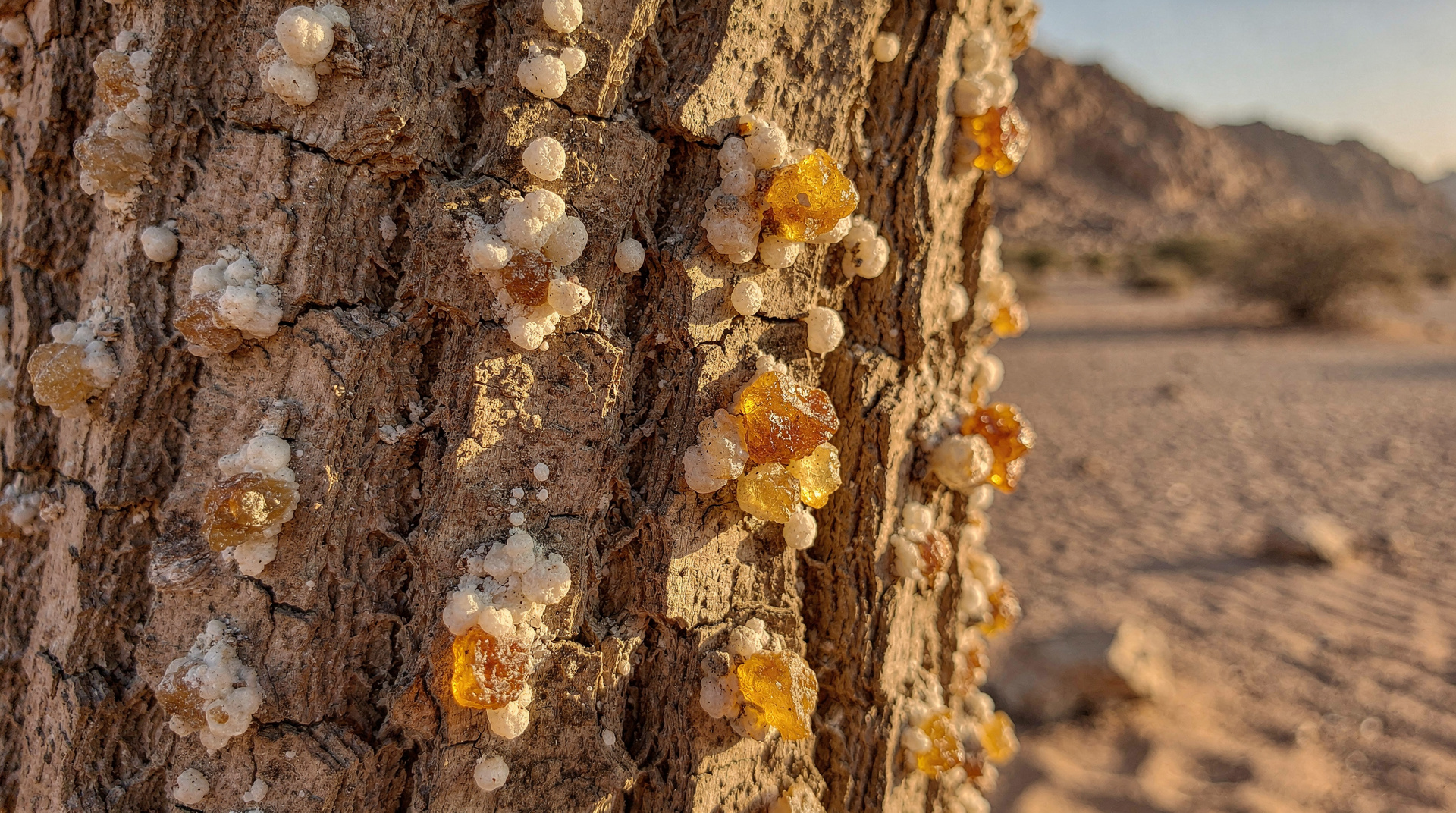
Frankincense deserves a section of its own because it is central to Omani culture in a way that goes far beyond souvenir shopping. Oman has been producing and exporting frankincense for at least 5,000 years, and the trade made the ancient kingdoms of the south extraordinarily wealthy (see our Frankincense Trail guide for the full story).
In Muttrah Souq you can buy raw frankincense resin in several grades — the paler and more translucent the pieces, the higher the quality. You can also buy the burner (known as a mabkhara) needed to burn it properly, traditionally a ceramic or silver vessel. Ask sellers to let you smell different grades before buying; the difference between ordinary frankincense and high-grade Hojari from Dhofar is immediately apparent to the nose.
The Silver Jewellery Section
Omani silver work is among the most distinctive in the Arabian world, and Muttrah Souq has numerous specialists. Traditional Omani jewellery — heavy silver bangles, elaborate necklaces with Maria Theresa thaler coins, and the iconic khanjar brooches — represents genuinely fine craftsmanship. Be aware that not all silver jewellery in the souq is either Omani in origin or genuinely silver. Ask about hallmarks and origins before purchasing anything expensive.
The khanjar, Oman’s traditional curved dagger, appears on the national emblem and is a culturally significant object. Decorative versions suitable for display range enormously in quality and price. A well-made khanjar with a genuine silver handle and carved camel bone sheath is a significant investment and a significant object; cheap tourist versions are also plentiful.
What to Buy: Recommendations
Frankincense and bakhoor: The most distinctively Omani gift you can bring home. Lightweight, aromatic, and meaningful. Buy a small mabkhara burner alongside the resin for a complete gift.
Karak spice mixes: Pre-blended spice mixes for Omani karak chai (spiced tea) are easy to find, pack well, and provide a genuine taste of Omani hospitality at home.
Rose water: Oman produces some of the finest rose water in the world, particularly from the Jebel Akhdar region. Small bottles are available in the souq.
Pashminas and shawls: Quality varies, but genuine pashminas are available at reasonable prices if you are willing to spend time looking and are prepared to feel the weight and texture carefully.
Pottery: Omani ceramic work, particularly the blue and white pieces that reflect the historical connection with the Silk Road trade routes, makes a good souvenir.
Dates: Multiple varieties of Omani dates are available throughout the souq. They make excellent gifts and are a significant part of the country’s agricultural heritage.
Bargaining: The Practical Guide
Bargaining is expected and is part of the cultural experience in Muttrah Souq. That said, a few principles will serve you better than aggressive haggling.
Start by establishing what you are genuinely willing to pay for an item before you engage with a seller. The initial quoted price in tourist-facing stalls is typically 30 to 50 percent above what the seller will accept. A calm, friendly counter-offer at around 60 percent of the asking price is a reasonable opening position.
Do not walk away dramatically and then return — this is sometimes recommended in bargaining guides but tends to feel theatrical and can embarrass both parties in a way that Omanis find uncomfortable. A more effective approach is simply to ask directly: “What is your best price?” Most sellers will respond with a more honest number.
If a price has been agreed and you then decide not to buy the item, that puts the seller in a difficult position. Only begin serious negotiation on items you genuinely intend to purchase.
Shops selling fixed-price items (some stalls, particularly those selling branded items or in the more modernised sections) will display prices and bargaining is not appropriate there.
When to Visit Muttrah Souq
The souq operates on a split-shift schedule typical of Oman: morning opening from roughly 9 AM to 1 PM, then a midday closure for the hottest hours and Friday prayers, followed by an evening reopening from around 4 PM to 10 PM.
Evening visits, particularly from 5 PM onward, offer the best experience. The heat has dropped, more local families are shopping, the lighting through the covered lanes becomes atmospheric, and the overall energy of the place intensifies. This is when Muttrah Souq feels most alive.
Friday mornings are generally quieter and some stalls are closed, but the reduced crowds can make for a more peaceful wander.
Avoid the period immediately around midday in any season. The covered lanes of the souq, despite their shade, become genuinely hot in summer, and most of the interesting shops are closed anyway.
Combining With the Muttrah Corniche
The corniche running alongside the harbour is one of the most pleasant waterfront promenades in Oman. A visit to Muttrah Souq pairs naturally with a walk along the corniche, either before or after your time in the market. The fish market, positioned at the northern end of the corniche, is worth a brief visit in the early morning when the catch comes in — an entirely different but equally authentic experience to the souq itself.
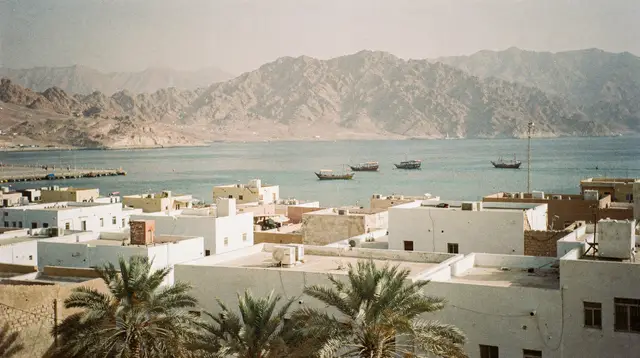
The view from the corniche across to the Portuguese-era fort on the hillside above Muttrah gives a sense of how long this harbour has been a significant place. Dhows still moor here occasionally, a direct link to the trading past that gave the souq its reason for existing.
Guided Shore Excursions and City Tours
Muttrah Souq is included in most Muscat city tours, which typically also take in the Sultan Qaboos Grand Mosque and the old Muscat palace district. If you are arriving in Muscat on a cruise ship, shore excursion tours specifically designed around the souq and corniche area are available.
For a well-organised half-day tour from the cruise terminal or your hotel, this Muscat shore excursion tour covers the souq, corniche, and key landmarks with an experienced guide.
The History of Muttrah Harbour
Understanding a little of Muttrah’s maritime history makes the souq visit considerably richer. Muttrah was always the commercial heart of the Muscat area, while old Muscat itself (the area around the Portuguese forts) served as the administrative and political centre. The natural deep-water harbour of Muttrah was ideally suited to the large dhows that plied the Indian Ocean trade routes.
In the 19th and early 20th centuries, Muttrah was a significant cosmopolitan port, home to communities of Baluchi traders, Sindhi merchants, East African traders, and Indian merchant families who had been resident for generations. Their influence can be seen in the architecture of the older buildings behind the corniche, in the spice mixes sold in the souq, and in the names of longstanding merchant families who still operate in the area.
Nearby Attractions
Muttrah Souq is well positioned as a base for exploring several nearby attractions. The Bait Al Baranda museum, a short walk from the souq, traces the history of Muscat and Muttrah with well-presented exhibits covering the pre-Islamic era through to the modern period. The Muttrah Fort above the harbour is open to visitors and provides excellent views across the corniche and bay. The Al Riyam Park, at the end of the corniche, is a pleasant open space with a small funfair that local families use in the evenings.
For a broader understanding of Muscat’s cultural landscape, our Royal Opera House guide and our overview of Oman’s forts provide complementary perspectives.
Getting to Muttrah Souq
Muttrah Souq is located in the Muttrah district of Muscat, approximately 3 km from the old Muscat fort area and about 35 km from the airport. Ride-hailing apps and taxis are the easiest transport options. There is limited parking near the corniche if you have a hired car, but Muttrah’s streets are narrow and parking can be frustrating — arriving by taxi and walking back to your driver is often easier.
The souq is not currently on any bus route that makes it practically accessible for most visitors.
Pairing the Souq With a Sunset Dhow Cruise
Many visitors combine an evening at Muttrah Souq with a sunset dhow cruise departing from the harbour nearby — the two activities share a start time and a location, and watching the corniche and fort light up from the water is a natural complement to the market’s atmosphere. See our sunset dhow cruise in Muscat guide for operators and timing. If you would rather sit down for a proper meal after shopping, the best restaurants in Muscat guide lists options within easy reach of the corniche.
Where to Stay for Easy Souq Access
Travellers who want to visit the souq more than once, or simply prefer walking distance over a taxi each evening, should look at accommodation in or near Muttrah rather than further-out Muscat districts. Our where to stay in Muscat guide breaks down neighbourhoods by what they suit, and Muttrah itself is a reasonable base for travellers prioritising culture and the harbour over beach access. For a wider view of what to see across the city before or after your souq visit, the Muscat city guide is a useful starting point.
Beyond the Souq: Where Else to Shop in Oman
Muttrah Souq is the best-known market but not the only one worth a stop. Nizwa Souq, with its Friday livestock market, has a different, more rural character — see the Nizwa Fort and Souq guide for details. For a broader sense of what makes a good Omani souvenir beyond what is covered here, our Oman souvenirs and shopping guide rounds up options across the country.
Frequently asked questions about Muttrah Souq: Muscat’s Ancient Market Guide
Is Muttrah Souq safe for tourists?
Muttrah Souq is extremely safe. Oman consistently ranks among the safest countries in the world for visitors, and the souq is a family-oriented public space. Standard common-sense precautions — keeping valuables secure, being aware of your surroundings — are all that is required.
Do shops in Muttrah Souq accept credit cards?
Many shops accept cards, but cash is preferred and often gives you a stronger bargaining position. Bring Omani rials in small denominations. ATMs are available on the corniche near the souq entrance.
What is the best souvenir to buy from Muttrah Souq?
Frankincense and a small mabkhara burner is the answer most experienced visitors give. It is lightweight, authentically Omani, affordable at any budget, and immediately evocative of Oman every time you burn it at home. Silver jewellery and Omani khanjar daggers are also excellent choices for those willing to spend more time selecting carefully.
Can I find food inside or near Muttrah Souq?
Yes. Several small cafes and restaurants operate near the souq entrance and along the corniche. Omani halwa (a sweet confection made with rose water, saffron, and ghee) is sold at specialist shops near the market and is worth trying. The corniche area has numerous cafes where you can rest between shopping sessions.
Is Muttrah Souq open every day?
The souq operates most days of the year, though individual shops may be closed for prayer times, on Friday mornings, or during Ramadan at unusual hours. The broad pattern of 9 AM to 1 PM and 4 PM to 10 PM covers the vast majority of stalls on most days.
How much time do I need at Muttrah Souq?
A minimum of 1.5 hours gives you time to wander the main lanes and make a few purchases. Two to three hours allows for a more thorough exploration, including the spice section and a walk along the corniche. If you combine it with the Muttrah Fort, the Bait Al Baranda museum, and a corniche walk, half a day passes easily.
Is bargaining rude or expected at Muttrah Souq?
Bargaining is entirely expected in the traditional sections of the souq and is part of the cultural experience. Approach it in a friendly, calm manner rather than aggressively. Omanis are generally courteous in commercial interactions and respond well to respectful negotiation. Shops displaying fixed prices expect those prices to be honoured.
Can I visit Muttrah Souq and the Sultan Qaboos Grand Mosque on the same day?
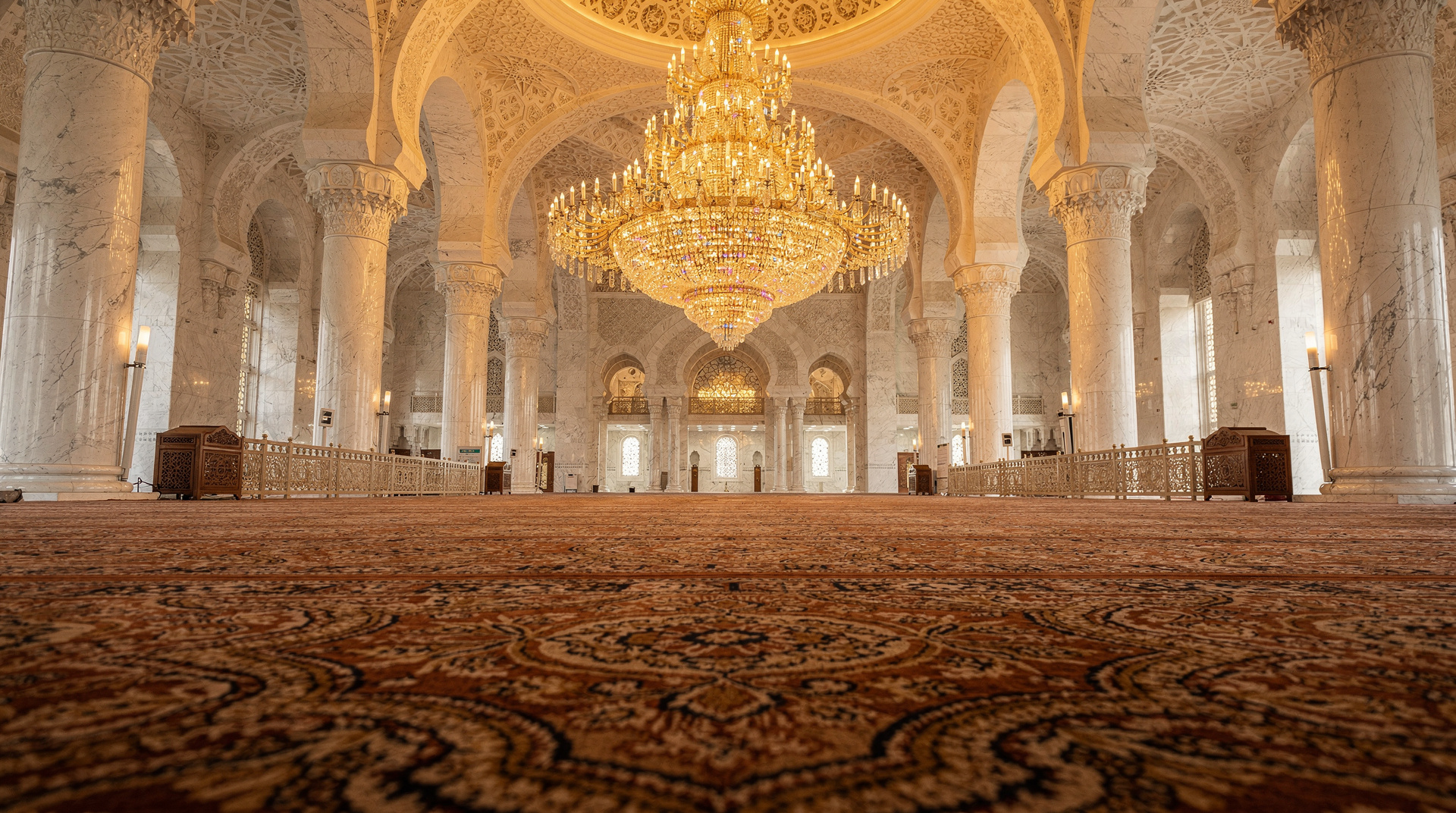
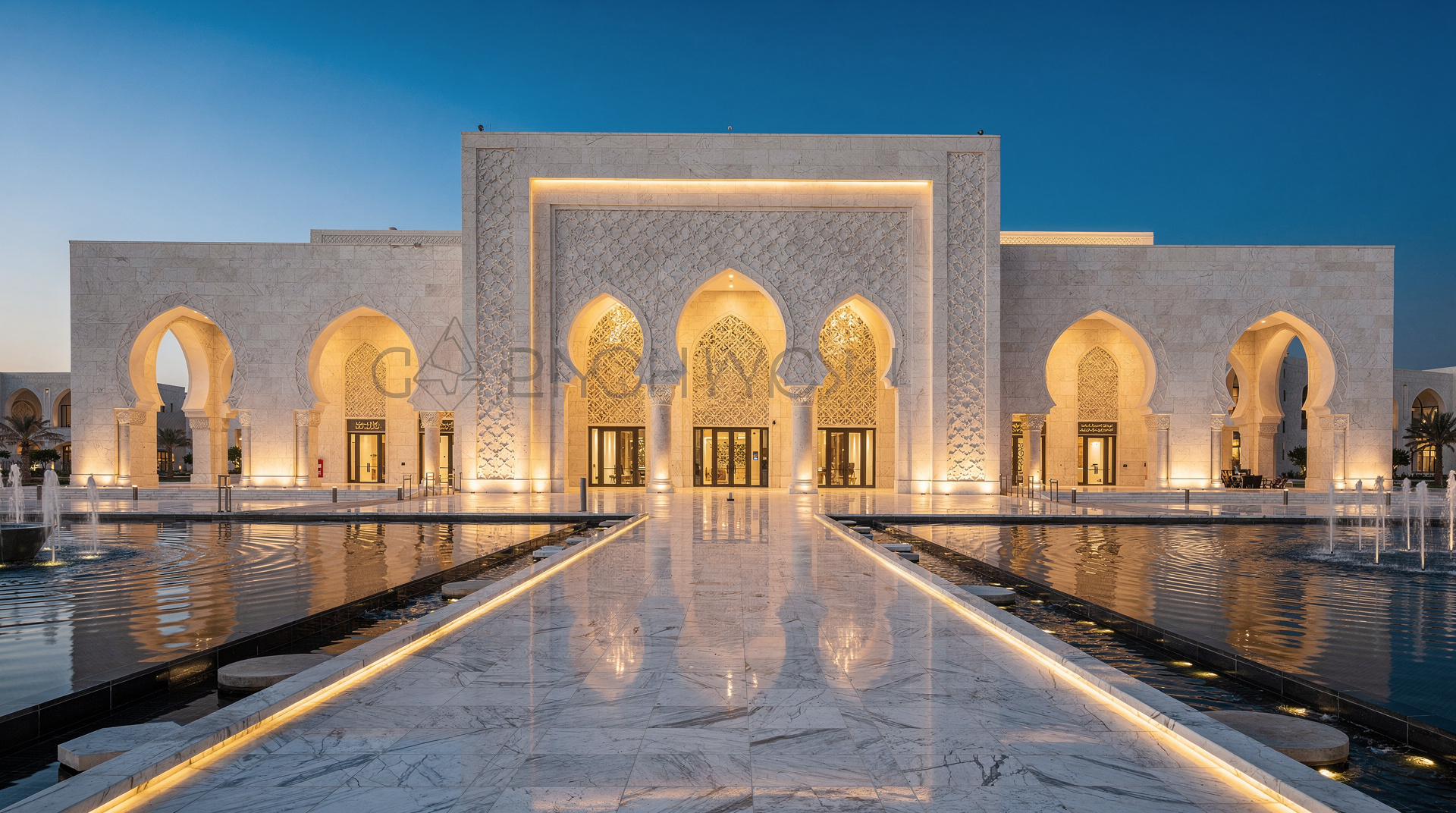
Yes, and it is a common pairing. The mosque’s free non-Muslim visiting hours are in the morning (roughly 8-11am, closed Fridays), so a natural day combines a morning mosque visit with an evening souq visit once the market reopens. See the Sultan Qaboos Grand Mosque guide for dress code and timing details.
Is Muttrah Souq worth visiting if I am only in Muscat for one day?
Yes, particularly in the evening. It is one of the most efficient ways to experience Omani daily life and pick up souvenirs in a single stop, and it pairs naturally with a corniche walk. If your day is tightly scheduled, our Muscat city guide can help you sequence the souq alongside the mosque and old town.
Top experiences
Bookable activities with verified prices and instant confirmation on GetYourGuide.
 📍 Muscat
 Muscat: city tour of Grand Mosque, old souqs, museum and fort
- Instant confirmation
- Hotel pickup
- English guide
 📍 Muscat
 Muscat: half-day city tour
- Free cancellation
- Instant confirmation
- Hotel pickup
 📍 Muscat
 Muscat: 2-hour sunset dhow cruise
- Instant confirmation
- Free cancellation
- Best seller
 📍 Nizwa
 Full-day tour: enchanting forts of Nizwa and Jabreen
- Free cancellation
- Hotel pickup
- Best seller