Oman Packing List: What to Bring for Every Season
From Muscat: Wadi Shab and Bimmah Sinkhole full-day tour
Duration: 10 hours
- Free cancellation
- Hotel pickup
- Best seller
What should I pack for Oman?
Lightweight breathable clothes plus one modest outfit for mosques, sturdy shoes for wadis, and sunscreen. In winter, add a fleece or jacket for mountain nights.
Packing Smart for Oman’s Diverse Landscapes
Oman is a country of startling contrasts — within a single week you might swim in turquoise wadis, scramble up mountain trails at 2,000 metres, sleep under stars in the desert, and explore air-conditioned souqs. Each environment has different demands on what you wear and carry.
The good news is that packing for Oman is manageable with good planning. The country has no extreme gear requirements for standard tourist activities, and most essentials are available in Muscat if you forget something. This guide is organised by season, activity type, and category — with specific brand recommendations, a list of what not to bring, and a complete electronics and adapters section — so you can build the right kit for your specific itinerary.
At a Glance: Packing for Oman
| Core strategy | Lightweight, breathable, modest clothing plus one warm layer |
| Non-negotiable item | Sturdy closed-toe sandals for wadi hiking |
| Winter addition | Fleece or light jacket for mountain nights (can drop to near-freezing) |
| Summer addition | UPF sun shirt and wide-brimmed hat; skip the fleece |
| What to buy locally | Sunscreen, snacks, water, basic toiletries — available in Muscat supermarkets |
| What to bring from home | Specialist outdoor gear, prescription medication, adapters (Type G) |
Winter vs Summer Packing: Quick Comparison
| Item | Winter (Oct–Mar) | Summer (Apr–Sep) |
|---|---|---|
| Insulating layer | Fleece or light jacket — essential for mountains | Usually unnecessary except for chilled indoor AC |
| Fabric priority | Cotton or linen blends fine | Pure linen strongly preferred for heat |
| Headwear | Sun hat still useful | Wide-brimmed hat critical |
| Sleeping bag (desert camping) | Rated to around 5°C recommended | Thin liner sufficient |
| Rain gear | Packable shell useful (occasional winter fronts) | Only needed for Salalah Khareef (Jun–Sep) |
| Salalah-specific note | N/A, dry season | Pack a proper waterproof jacket for the Khareef monsoon mist |
What NOT to Bring to Oman
Before covering what to pack, here is what to leave at home:
Skimpy or revealing clothing for public wear: Shorts, sleeveless tops, and crop tops for wearing in towns, souqs, and cultural sites will attract attention and may cause offence. These are fine at beach resorts and hotel pools only.
Heavy rain gear: Oman rarely sees sustained rain (Salalah Khareef being the exception — covered below). A packable rain jacket is sufficient for most itineraries. A full waterproof hiking suit is unnecessary weight.
Hiking poles for standard activities: Oman’s most popular hiking is on flat wadi bottoms and paved mountain paths. Poles are only needed for technical mountain routes like the Jebel Shams summit approach.
High heels and impractical dress shoes: The cobblestones of Muttrah, the uneven paths of mountain villages, and the rocky wadi edges all demand practical footwear. There is no tourist venue in Oman requiring formal dress shoes.
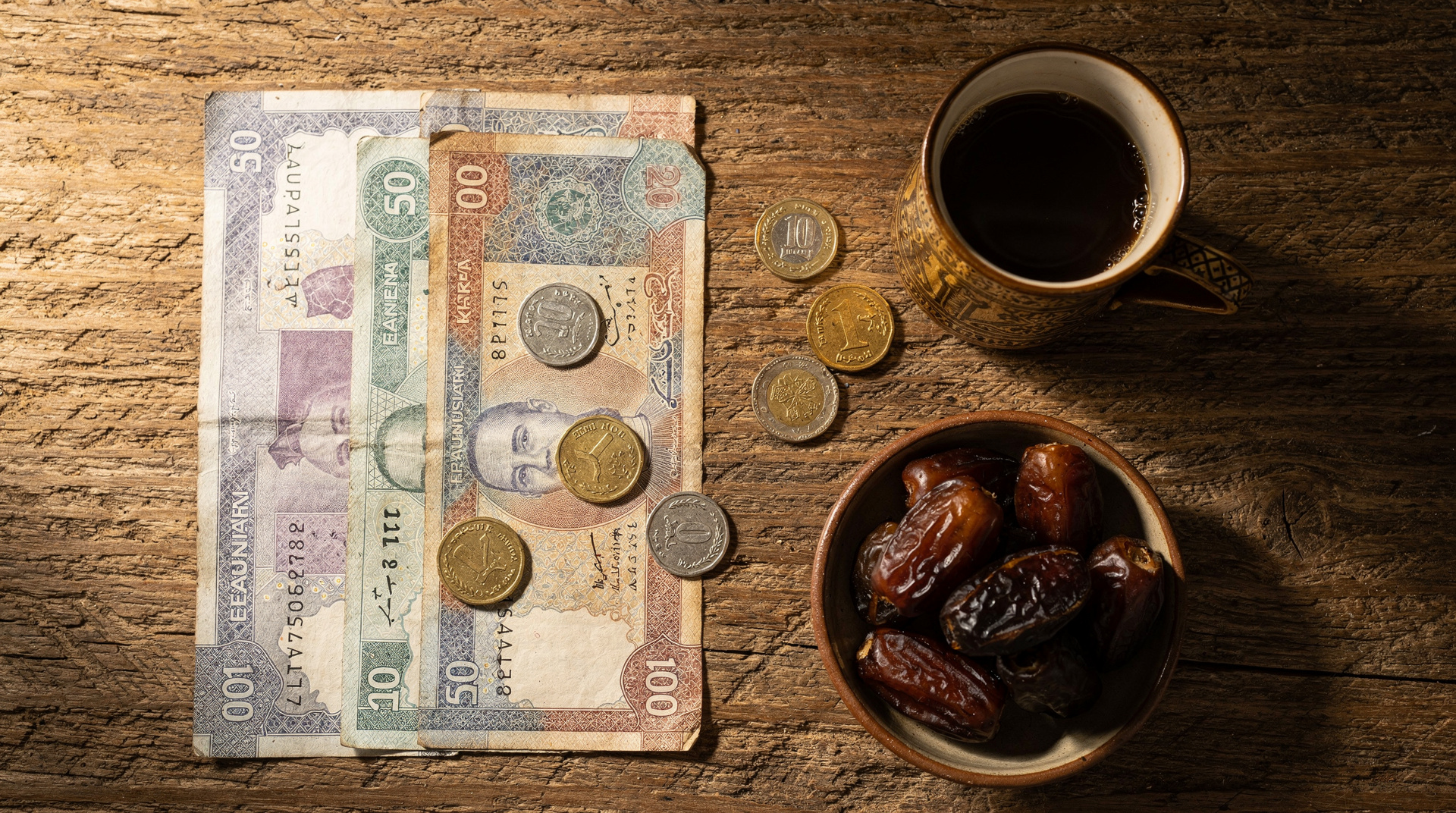
Large amounts of foreign cash: Change money at the airport or use ATMs in Muscat. Carrying significant foreign currency is unnecessary and a security risk.
Clothing: The Core Principles
Two principles should guide every clothing decision for Oman:
1. Respect for local culture: Oman is a conservative Muslim country. Public dress norms require covered shoulders and knees for both men and women in most situations. Shorts and vests are acceptable on beaches and in resort pools, but not in souqs, religious sites, or small towns. Swimwear stays at the pool and beach. See our Oman safety tips and cultural etiquette guide for a fuller treatment of dress codes.
2. Climate practicality: Oman is hot for most of the year. Lightweight, breathable fabrics that cover your skin actually keep you cooler than baring everything — this counterintuitive truth matters enormously in 40°C summer heat.
Clothing for Winter Travel (October to March)
Winter is peak season and the most popular time to visit. The following covers comfortable outdoor activities in mild to warm conditions.
Core wardrobe for 7–10 days:
- 3–4 lightweight linen or cotton shirts: Uniqlo AIRism, Columbia Silver Ridge, or Patagonia Capilene are all excellent options — quick-drying and packable
- 2 pairs of lightweight long trousers: Craghoppers NosiLife or Rohan Bags trousers are the gold standard for travel — lightweight, quick-dry, and presentable enough for restaurants
- 1 pair of convertible trousers/shorts (zip-off style): optional but useful for wadi days
- 1–2 modest dresses or loose skirts (women) — at least knee length; linen works best
- 2–3 base layer T-shirts: Merino wool (Icebreaker or SmartWool) for versatility; synthetic for sweaty hike days
- 1 mid-weight fleece or zip-up jacket: Patagonia Nano Puff or North Face 100 series — essential for Jebel Akhdar and Jebel Shams nights (can drop to 3–5°C in January).
This is non-negotiable for any mountain stay.
- 1 windproof or light waterproof shell: particularly November–February when Mediterranean rain fronts are possible; a packable Helly Hansen Loke or Montane Minimus is lightweight and worth the space
- Underwear and socks for 7 days
- 1 modest outfit for mosque visits — women should carry a lightweight headscarf; men need covered knees and shoulders
For January mountain stays specifically (Jebel Akhdar, Jebel Shams): Add thermal base layers (top and bottom), a down jacket or heavier insulation layer, and a wool or fleece hat. Mountain nights in January are genuinely cold — treat it like a European autumn mountain trip.
Swimwear:
- 1–2 swimsuits or swim shorts — for wadis, beaches, and hotel pools. Quick-dry fabric essential.
Shoes:
- 1 pair of sturdy grippy sandals with closed-toe protection (Teva Terra Fi 5 Universal or Keen Clearwater CNX) — the workhorse of Oman travel, ideal for wadis, and comfortable enough for evening walking
- 1 pair of lightweight trail runners or walking shoes (Salomon Speedcross, Brooks Cascadia) — for rocky terrain and longer mountain hikes
- 1 pair of packable flip flops — for hostel showers, beach, and around desert camp
Clothing for Summer Travel (April to September)
Summer in northern Oman demands maximum breathability. Linen is king.
Adjustments vs winter kit:
- Prioritise linen over cotton — 100% linen is dramatically cooler than any cotton equivalent in 40°C heat; Irish or Belgian linen is the gold standard
- Lightweight UPF-rated sun shirts (Coolibar, Solumbra, Columbia PFG) protect better than sunscreen alone for full-day outdoor activities
- Remove the fleece — replace with one light layer for the extreme contrast between 42°C outside and aggressively air-conditioned malls and hotels
- Sun hat becomes critical — wide-brimmed, packable. The Tilley LTM6 or Patagonia Quandary hat are both excellent choices
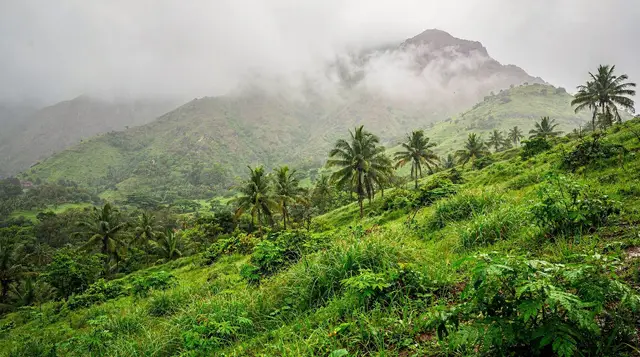
For Salalah during Khareef season (June–September), the weather surprises most visitors: mild and often damp at 22–25°C with monsoon mist and occasional light rain. Pack a proper packable waterproof jacket (not just a windshell), quick-dry layers, and a light fleece for mountain evenings. This feels more like coastal Ireland than Arabia in July. See our Oman in summer guide for the full Salalah Khareef packing notes.
Sun and Heat Protection
Oman’s sun is intense year-round. Underestimating UV radiation causes misery and can ruin a trip.
Essential sun protection items:
-
Sunscreen SPF 50+: bring from home in the quantity you will need — available in Oman but expensive and limited brands. Recommended: La Roche-Posay Anthelios (lightweight, excellent UVA/UVB), Altruist SPF50+ (budget-friendly, dermatologist brand), or Ultrasun (long-lasting, popular with outdoors users). Apply every 90 minutes without exception.
-
Aftersun lotion: Oman’s dry air dehydrates skin even without sunburn. Aloe vera gel or a moisturising aftersun applied each evening preserves your skin across a week-long trip.
-
Lip balm with SPF 30+: easily forgotten, painful to regret
-
Polarised sunglasses: quality matters significantly — cheap lenses without proper UV filtering can actually dilate pupils behind tinted glass, worsening UV exposure.
Maui Jim, Oakley, and Cebe all offer quality at different price points.
- Wide-brimmed sun hat (men and women): a 10 cm+ brim protects face, neck, and ears. The Tilley LTM6 hat packs flat and survives rough travel. A baseball cap protects only the front — not adequate for a wadi day.
- UPF-rated sun shirt or rash guard: for snorkelling and long beach days. Far better protection than sunscreen when repeatedly in and out of water.
- Insect repellent: DEET-based (minimum 20% concentration) or Icaridin alternatives for wadis, oases, and green areas, especially in summer months and around the Salalah Khareef. Jungle Formula Maximum or Off! Deep Woods are reliable choices.
Footwear Guide for Oman Activities
Getting footwear right is arguably the most important gear decision for Oman.
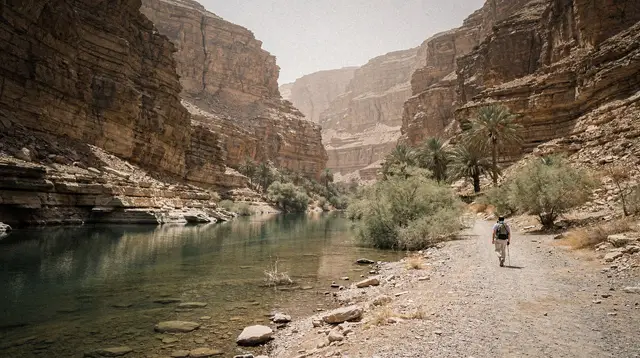
Wadis: Wadi hiking in Oman involves stream crossings, slippery rocks, and scrambling. Waterproof boots are too hot and take too long to dry. The ideal wadi footwear is a pair of grippy sandals with closed-toe protection (Teva Terra Fi or similar). They protect your toes on rocks, drain instantly, and dry in minutes. Trail runners are a solid second choice.
A full-day guided tour from Muscat to Wadi Shab and Bimmah Sinkhole is a useful reference point for what to pack — the guide covers swimming through cave passages, rocky scrambles, and the heat management needed for a complete wadi day.
Desert: Standard trainers are fine in the Wahiba Sands if you are staying at a camp. If you plan to hike in the dunes, gaiters prevent sand from entering shoes. Remove shoes before entering Bedouin tents.
Jebel Akhdar and mountain trails: Hiking shoes or trail runners with ankle support are advisable for the steeper terraced paths and rocky mountain tracks.
City and souqs: Comfortable walking shoes or sandals. You will remove shoes before entering mosques — slip-ons are convenient.
Bags and Luggage
Day bag: A 20–30 litre daypack is essential for wadi hikes, day trips, and carrying water. Choose one with a hip belt for longer walks and side pockets accessible for water bottles.
Main luggage: A medium-sized wheeled suitcase or soft-sided travel bag works for most Oman itineraries. Oman is not a destination where you need specialist expedition luggage. A 50–65 litre backpack suits travellers doing a circuit with overnight camping.
Dry bag: If you plan to swim in wadis or do any water activities, a waterproof dry bag for your phone, camera, and valuables is essential. A 10-litre dry bag is the minimum.
Packable tote bag: Useful for souq shopping, beach visits, and supermarket runs.
Health and Pharmacy Items
Oman has good pharmacies in all major towns, but specific brands and formulations may differ from home. Bring from home:
- Your personal prescription medications (with prescriptions/documentation)
- Antihistamines — useful for dust, pollen, and insect reactions
- Anti-diarrhoea medication — useful for adjusting to different food
- Rehydration salts — critical for desert and summer travel; heat exhaustion is a real risk
- Blister plasters
- Basic first aid (antiseptic wipes, plasters, bandage roll, pain relief)
- Eye drops — helpful in dusty desert conditions
- Tweezers (for thorns on mountain trails)
Electronics and Adapters: Complete Guide
Power adapters: Oman uses British-style three-pin plugs (Type G), the same as the UK, India, and many former British territories. Voltage is 240V at 50Hz. US, European, and Australian plugs will not fit without an adapter. Bring a Type G adapter or a universal travel adapter. Recommended: BESTEK Universal Travel Adaptor or Foval Power Travel Adapter — both cover all plug types with built-in USB ports.
Power bank: Essential for long days out and desert camping where charging infrastructure is limited. A 20,000 mAh bank (Anker 737 or similar) provides 4–6 full phone charges. On road trips, it is your insurance against a dead phone in a remote area.
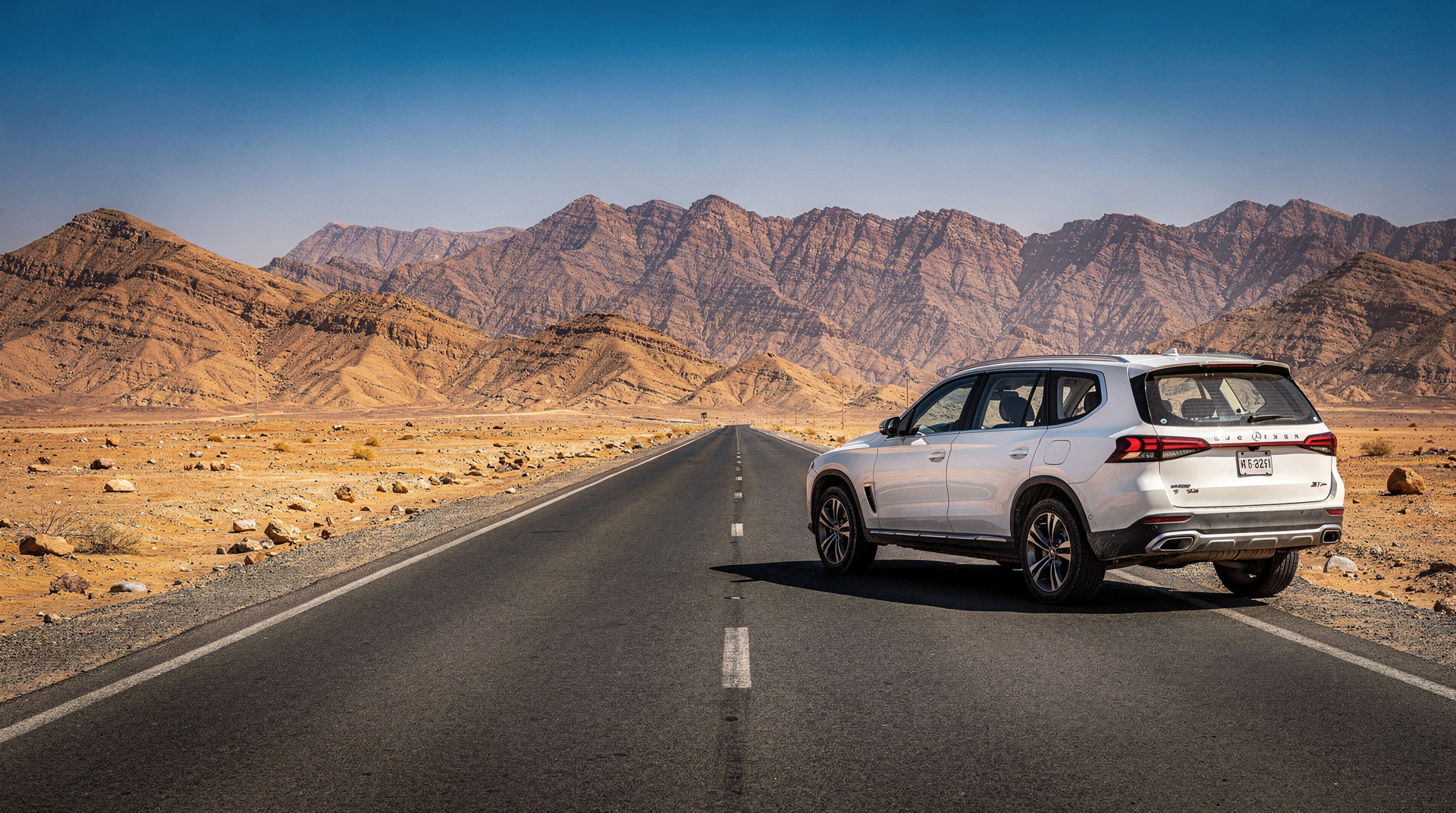
Car charger: A dual-port USB-A/USB-C car charger (Anker PowerDrive or Belkin equivalent) uses your rental car’s cigarette lighter socket as a continuous charging source on long drives. This is the primary charging method on multi-day road trips. See our renting a car in Oman guide for car type advice.
Cables: USB-C and/or Lightning cables. Bring at least one backup of each type you use — cables fail at inconvenient times and specific cable types are not always available in small towns.
Camera: Oman is one of the world’s most photogenic countries — desert light, canyon depth, wadi colour, and mountain scale all reward proper photography. Bring extra memory cards (at least 2 x 64 GB minimum) and spare batteries or a battery charger. Desert camps have limited charging points. A waterproof dry bag or waterproof phone case is essential for wadi and snorkelling photography.
Headlamp: Invaluable for desert camping, night turtle watching at Ras al Jinz (the reserve requires a red-light mode — white light disturbs turtles), and wadi swimming after dark. A headlamp keeps hands free. Black Diamond Spot 400 or Petzl Actik Core are reliable choices with red-light modes.
Offline apps to download before arriving:
- Google Maps offline (download the Oman region before you go — critical for remote areas with no signal)
- Maps.me with the Oman offline map (includes more unpaved track detail than Google for desert and mountain)
- WhatsApp — the standard communication tool throughout Oman for businesses and accommodation
For SIM card and mobile connectivity options, see our dedicated Oman SIM card and eSIM guide. For cultural preparation and environmental hazards, see our Oman safety tips guide.
Hydration and Food
Water bottle: A large (1-litre minimum, 2-litre ideal) reusable insulated bottle is essential. Hydration needs in Oman are extreme — 4–6 litres per person per day is not unusual during active wadi hikes or summer conditions. An insulated bottle (Hydro Flask, Klean Kanteen, or Nalgene Oasis) keeps water cool for hours. A plain plastic bottle left in a hot car becomes hot water within 30 minutes in Oman’s sun.
Electrolyte tablets or powder: Nuun tablets, SIS Hydro, or similar — dissolve in your water bottle to replace the electrolytes lost through heavy sweating. More palatable and effective than drinking plain water in extreme heat.
Water purification tablets or filter: For remote mountain and desert trips, a portable filter (Sawyer Squeeze or similar) or purification tablets give backup options. Not needed for standard itineraries but worthwhile for serious off-road exploration.
Snacks: Stock up at Muscat supermarkets (Lulu Hypermarket, Carrefour) before heading into the interior. Local supermarkets have excellent ranges. Buy Omani dates at any supermarket — they are exceptional and far better than anything available at home. Nuts, dried fruit, energy bars, and crackers all travel well in heat. For budget planning around food costs, see our Oman budget guide.
Desert Camping Essentials
If you plan to camp in the Wahiba Sands or elsewhere in the interior:
- Lightweight sleeping bag or liner (not needed in summer, essential in winter mountain camping)
- Sleeping mat (inflatable or foam roll)
- Tent or bivy bag (if not staying at an organised camp)
- Camp stove and lightweight pot (if self-catering)
- Headlamp
- Traction boards (sand ladders) if driving in dunes independently
What You Can Buy in Muscat
Muscat has large, modern supermarkets (Lulu, Carrefour) and shopping malls. The following are easily purchased in Muscat rather than lugging from home:
- Sunscreen (available, though expensive and limited brands)
- Basic medication and pharmacy items
- Insect repellent
- Travel-size toiletries
- Water and snacks for road trips
- Cheap towels
High-quality outdoor gear — hiking poles, technical climbing equipment, camping stoves — is limited in Oman. Bring specialist kit from home.
Items Specifically for Mosque Visits
To visit the Sultan Qaboos Grand Mosque and other religious sites:
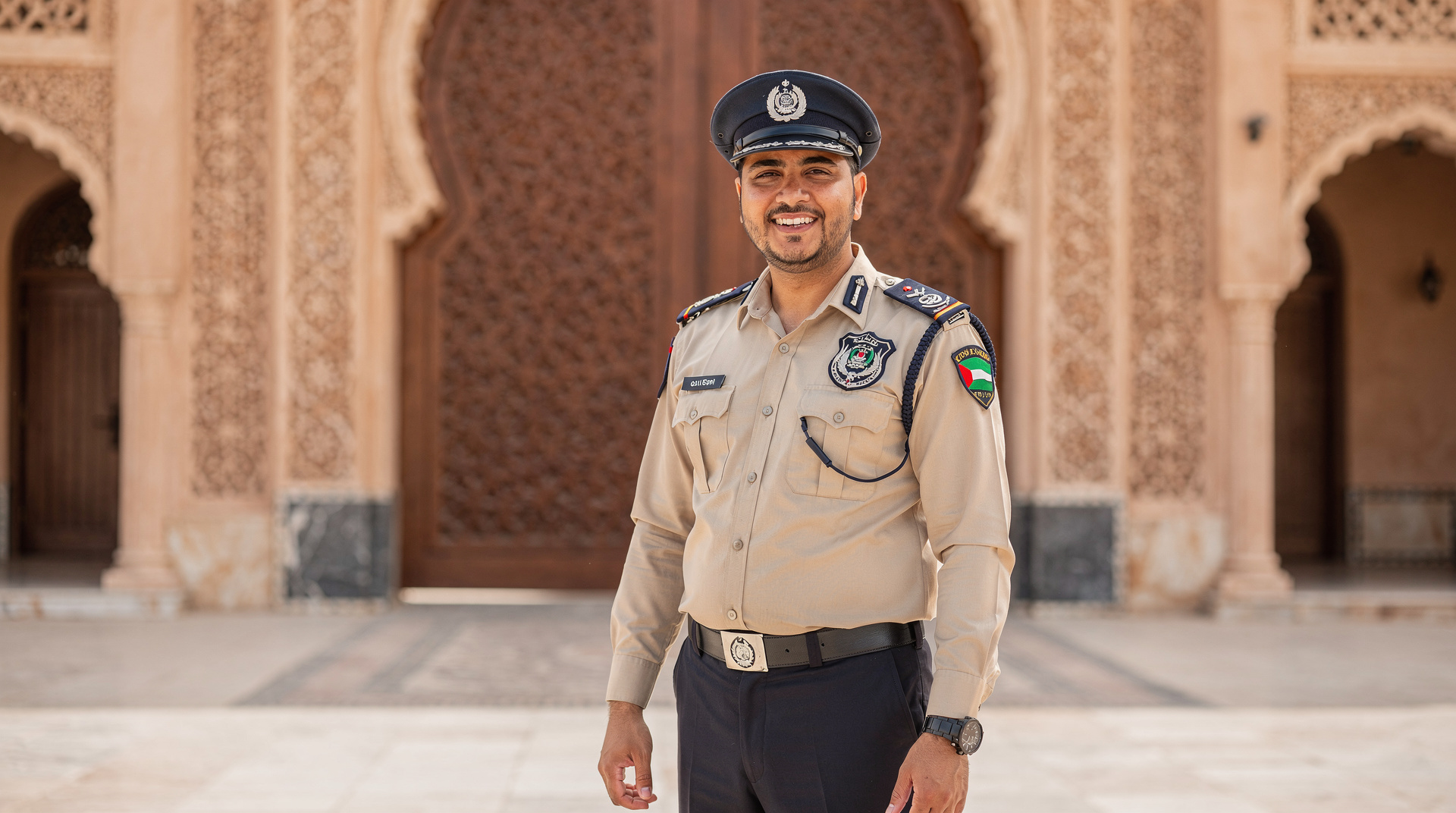
Women: Long dress or trousers and top covering arms, plus a headscarf. The Grand Mosque lends abayas at the entrance, but bringing your own modest outfit is more comfortable. Covered shoes.
Men: Long trousers (not shorts), shirt covering shoulders. Covered shoes. Both sexes remove shoes at entrance — easy-on footwear is helpful.
Documents and Important Items
- Passport: valid at least 6 months beyond your intended departure date from Oman
- Physical printout or offline-saved PDF of your e-visa — immigration sometimes asks for a printed copy even if the digital version should suffice
- International driving permit if renting a car — required alongside your national licence; available from your national automobile association
- Travel insurance documents with the 24-hour emergency contact number highlighted
- Accommodation booking confirmations for the first night minimum
- Emergency contacts list (written on paper, not only on your phone)
- Credit card plus 30–50 OMR in cash for rural areas, desert camps, and small souqs
Keep digital copies of all important documents in a secure cloud folder (Google Drive, iCloud) accessible offline from your phone. For visa requirements and what to prepare for entry, see our Oman visa guide.
Ramadan-Specific Packing Additions
If your trip falls during Ramadan (February–March 2026), additional preparation is needed:
- At least one outfit per person that fully covers arms and legs for public daytime activity — more conservative than standard recommendations
- A lightweight headscarf for women (essential at mosques, respectful elsewhere during Ramadan)
- Snacks in your bag to consume privately in your car or hotel room during daylight hours
- A refillable water bottle you can drink from discretely in your car
See our Ramadan travel guide for the complete cultural and logistical preparation for visiting during Ramadan.
Frequently asked questions about Oman Packing List: What to Bring for Every Season
Do women need to cover their hair in Oman?
At standard tourist sites, shops, and restaurants, hair covering is not required for non-Muslim women. However, when visiting mosques, covering your hair with a scarf is mandatory. In very conservative villages, a headscarf shows cultural respect but is rarely compulsory.
Can I wear shorts in Oman?
Men can wear shorts in beach areas, hotels, and resort pools. In towns, souqs, forts, and religious sites, long trousers are appropriate. Women should wear at least knee-length coverage in most public settings. The practical rule: shorts on the beach, not in the souq.
What shoes are best for wadi hiking in Oman?
Grippy, quick-drying sandals with closed-toe protection (like Teva Terra Fi or Keen Clearwater) are ideal. They handle stream crossings, rock scrambling, and drying instantly. Trail runners are a good alternative if you prefer more support.
Is Oman too hot to do outdoor activities in summer?
For northern Oman, summer outdoor activity should be limited to early mornings (before 9am) and evenings (after 5pm). Wadi hiking in 40°C heat is genuinely dangerous without proper hydration. However, Salalah during Khareef season is beautifully mild and perfect for outdoor exploration.
Should I bring a sleeping bag for Oman desert camping?
In winter (November to February), a lightweight sleeping bag rated to around 5°C is recommended for desert camping — nights can be chilly even if days are warm. In summer, a thin sleeping bag liner is sufficient. Most organised desert camps provide bedding.
What is the dress code for visiting the Sultan Qaboos Grand Mosque?
Women: abaya or equivalent covering arms, legs, and hair. Men: long trousers and shirt covering shoulders. No shorts. The mosque provides abayas for women who arrive without appropriate clothing. Non-Muslims can only visit during specific visiting hours (mornings, not Fridays).
Do I need special gear for the Wahiba Sands desert camps?
No specialist gear is required for an organised camp — most camps provide bedding and basic facilities. Bring a light layer for cool desert evenings, a headlamp, and a power bank if you want to keep devices charged, since charging points at camps are limited. See our guide to the Wahiba Sands desert safari for what a typical stay involves.
How many days of clothing should I pack for a week in Oman?
For a standard 7-day trip, 3–4 tops, 2 pairs of trousers, one modest outfit for mosque visits, and swimwear is generally enough, since laundry is available at most hotels and Oman’s dry climate means clothes dry quickly if you rinse items yourself. Pack slightly more underwear and socks than outerwear, as those are harder to re-wear comfortably in the heat.
Top experiences
Bookable activities with verified prices and instant confirmation on GetYourGuide.
 📍 Wadi Shab
 From Muscat: Wadi Shab and Bimmah Sinkhole full-day tour
- Free cancellation
- Hotel pickup
- Best seller
 📍 Muscat
 Muscat: half-day city tour
- Free cancellation
- Instant confirmation
- Hotel pickup
 📍 Muscat
 Muscat: 2-hour sunset dhow cruise
- Instant confirmation
- Free cancellation
- Best seller
 📍 Salalah
 Salalah: sunset desert safari - Rub Al Khali - Empty Quarter
- Free cancellation
- Hotel pickup
- Small group