Oman in Summer: April to September Travel Guide
Discover Salalah city, history, nature, culture
Duration: 5 hours
- Free cancellation
- Hotel pickup
- English guide
Is Oman worth visiting in summer?
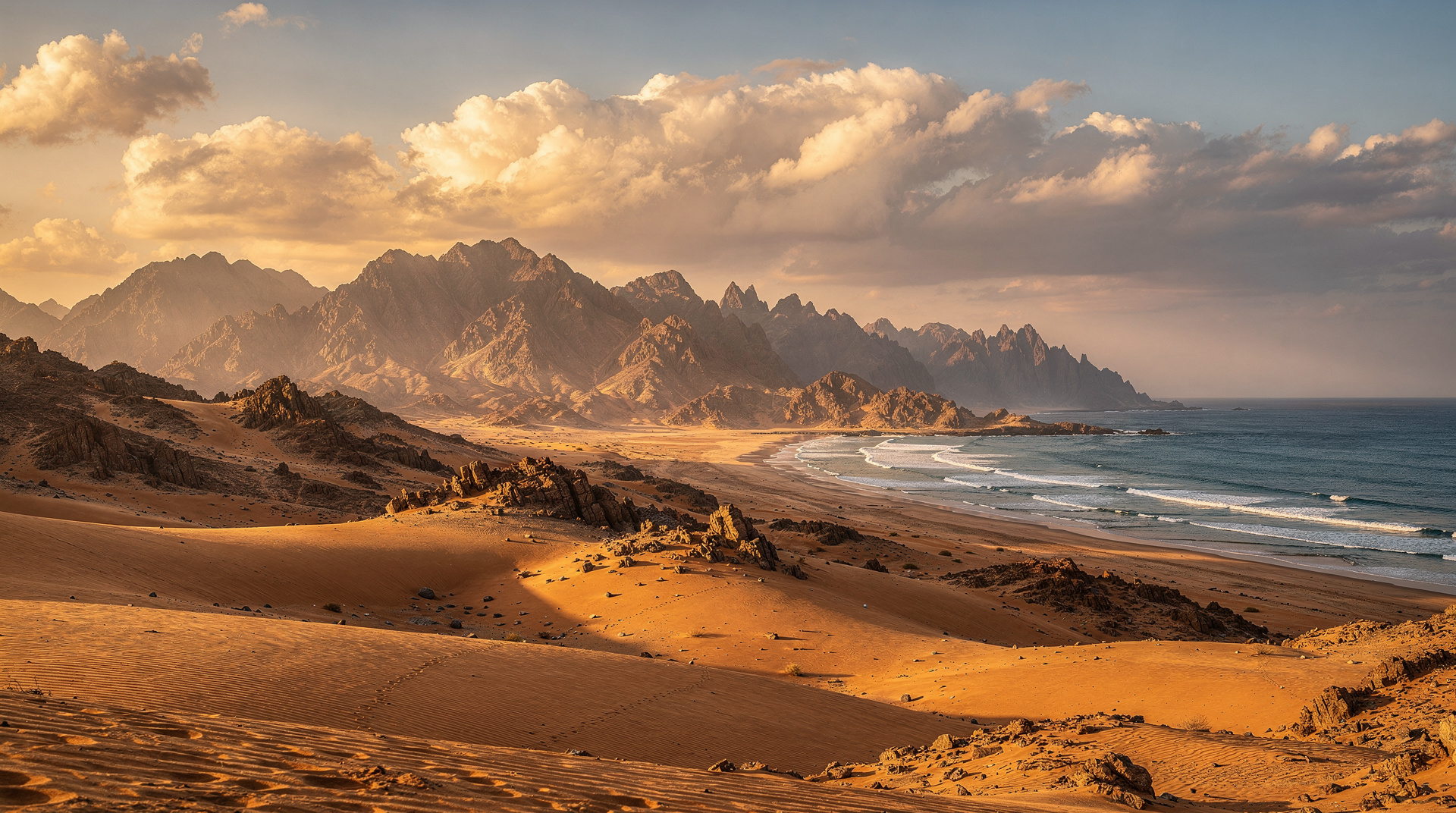
Northern Oman in summer is challenging — 40°C+ heat limits outdoor activity. But Salalah during the Khareef (June–September) is lush, green, and around 22°C — a spectacular summer destination.
Summer in Oman: Two Very Different Stories
Ask “should I visit Oman in summer?” and you actually need to ask a second question first: which part of Oman? The answer differs dramatically depending on whether you are heading to the north or the south.
In northern Oman — Muscat, Nizwa, the desert, the mountains — summer is genuinely hot. From May through September, Muscat routinely exceeds 40°C, humidity makes coastal areas feel brutal, and the desert interior can reach 50°C. Prolonged outdoor activity is genuinely dangerous.
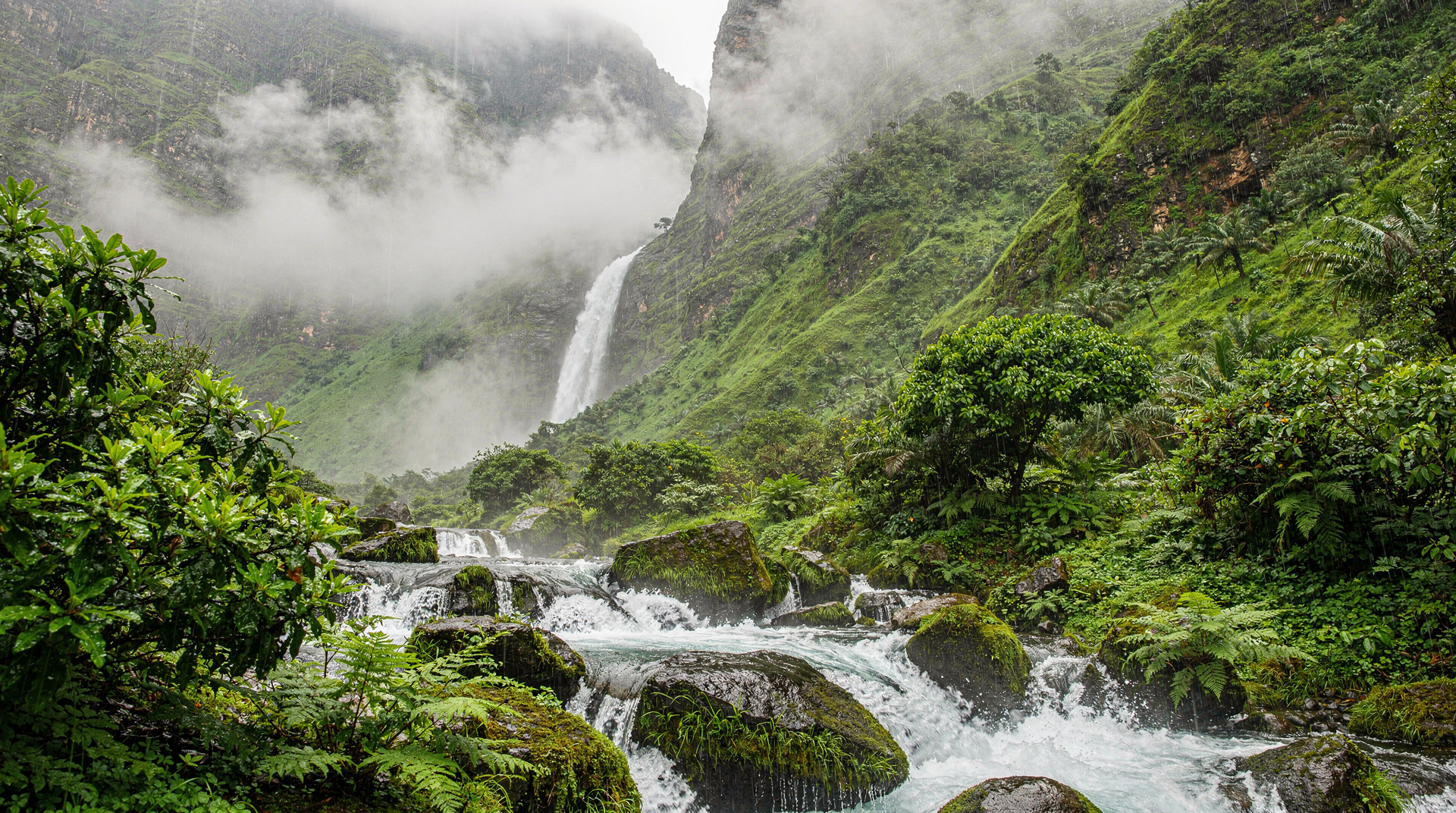
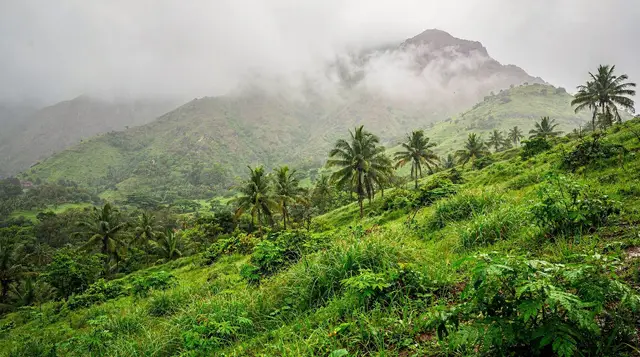
In southern Oman — specifically the Dhofar region around Salalah — summer is something entirely different. From June to September, the Indian Ocean monsoon (the Khareef) arrives, transforming a normally arid landscape into something resembling the foothills of Sri Lanka: misty, green, waterfall-fed, and around 22°C. This seasonal inversion makes Salalah the Gulf region’s summer escape.
This guide covers both scenarios honestly, with specific temperature data by region, practical indoor options for Muscat, hotel deal strategies, and the full Khareef experience — so you can make the right call for your trip.
| At a glance | |
|---|---|
| Where | Salalah (Khareef, June-September) for comfort; Muscat/interior for deep-discount indoor trips |
| Typical cost | Muscat hotels around 40-60% below January peak; Salalah rates rise sharply during the Khareef Festival |
| Time needed | 4-5 days for Salalah’s Khareef; 3-4 days is enough for an indoor-focused Muscat visit |
| Getting there | Fly into Muscat (MCT) or Salalah (SLL); the domestic connector flight is around 90 minutes |
| Best time to book | Book Salalah 6-8 weeks ahead for Khareef season; Muscat needs little lead time in peak summer |
Temperature Reality: Oman by Region in Summer
Understanding the temperature variation across Oman’s regions helps you plan realistically. These are typical daytime highs in the hottest months (July and August):
Muscat (coastal): 38–42°C with humidity levels of 60–80%. The heat index (what it feels like) regularly exceeds 48°C. Morning minimums of 30–32°C mean there is no cool escape overnight.
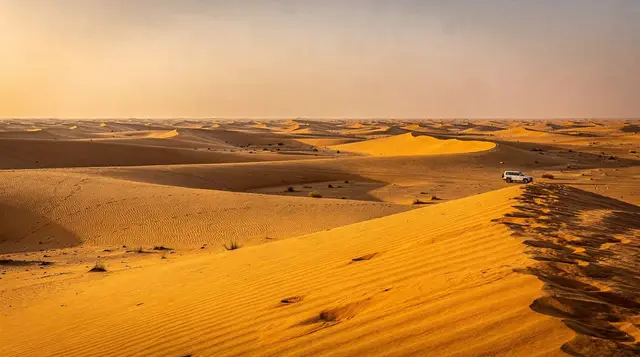
Wahiba Sands (desert interior): 45–50°C daytime. Nights cool to around 28–30°C, which is more bearable than the coast but still warm. Dry heat rather than humid — more tolerable per degree, but extreme.
Nizwa and interior towns: 38–44°C. Slightly drier than the coast, which helps, but similar danger levels.
Jebel Akhdar (2,000m elevation): 28–33°C daytime, 18–22°C at night. The mountain escape — 10°C cooler than the coast, genuinely comfortable for short periods.
Jebel Shams (3,000m elevation): 22–28°C daytime, 14–18°C at night. The coolest point in northern Oman.
Salalah (Dhofar coast, during Khareef): 22–26°C daytime, 20–22°C at night. Misty, green, and mild. A completely different country climatically.
Dhofar Mountains during Khareef: 18–22°C, often misty. Requires a light jacket in the evenings.
Northern Oman in Summer: Month by Month
April: The Shoulder Transition
April is a transitional month. The first half can still be very pleasant — warm in Muscat (28–34°C), with comfortable mornings and evenings. By late April, the heat becomes noticeable. Crowds are thin, prices are dropping, and the country has a pleasantly quiet atmosphere.
For visitors with heat tolerance and flexible schedules, April — particularly the first two weeks — is actually an underrated time to visit. Early morning wadi hikes before 9am are still comfortable. Fort visits in the morning, midday air conditioning, afternoon resorts and pools.
By the second half of April, daytime outdoor activity becomes increasingly challenging, and most visitors begin planning indoor-heavy itineraries.
Hotel rates in April are typically 20–30% below peak season pricing. A luxury property like the Shangri-La Barr Al Jissah that charges 150 OMR per night in January often drops to 100–110 OMR in April. Booking directly with hotels or through platforms like Booking.com will show these seasonal rates clearly.
May: Transition to Full Summer
May sees Muscat temperatures climbing steadily from the mid-30s to the low 40s. Humidity begins rising. This is the last month before true summer, and it has one significant advantage: prices are at their lowest for the entire year at many hotels, flights, and tour operators.
Serious outdoor activity requires early starts (before 8:30am) and strict heat precautions. The wadis are less inviting — cool wadi water is appealing in theory but reaching them in 40°C heat is uncomfortable. Indoor Muscat — the National Museum, the Grand Mosque in the morning, the Royal Opera House — works well.
Wadi flash floods are less common in May (the rainy season is effectively over), making it safer for wadi visits than November–March in that specific respect. For more on wadi safety regardless of season, see our Oman safety tips guide.
June, July, August: Full Summer in the North
These months are not recommended for extended outdoor activity in northern Oman. Temperatures typically range from 38–45°C in Muscat, with peak heat around 2pm. The humidity on the coast makes these temperatures feel worse than they read.
However, northern Oman does not shut down. Visitors who do come in peak summer use a strategy of:
- Early morning (6am–9am) for any outdoor activity
- 9am–5pm for air conditioning — malls, hotels, indoor sites
- 5pm–8pm return to outdoors as temperatures moderate
What works in Muscat in peak summer:
- Indoor museums and cultural sites
- Shopping malls (Muscat City Centre, Muscat Grand Mall, Avenues Mall)
- Cooking classes and indoor culinary experiences
- Hotel spa days
- Evening corniche walks (after 7pm)
- The Grand Mosque (visit at 8am before it closes at 11am)
- The Royal Opera House — check performance schedules as the season continues into early summer
- Bait Al Zubair Museum in Old Muscat — excellent indoor exhibits on Omani heritage
The advantage: hotel prices in Muscat in July and August are at their absolute lowest. Luxury properties that cost 150 OMR per night in January can be found for 50–70 OMR in August. Popular heritage sites are virtually empty. If you can handle the heat and accept an indoor-daytime rhythm, the savings are significant.
For couples considering a summer Muscat stay with luxury hotel deals, our Oman for couples guide outlines which properties offer the best summer rates.
September: Early Transition Back
September in northern Oman is still hot — Muscat averages 37–40°C — but the end is in sight. By mid-September, the very first hints of humidity reduction begin. The landscape starts to recover from summer. By late September, the country begins to stir in anticipation of the upcoming tourist season.
September in Salalah is the tail end of the Khareef — greenery still present but beginning to dry, waterfalls reducing as the monsoon retreats. It is a quieter and cheaper time to experience the Khareef with fewer crowds.
Indoor Activities in Muscat for Summer Days
If you are visiting northern Oman in peak summer, a well-planned indoor itinerary makes the trip genuinely enjoyable rather than merely survivable. Muscat offers more than most visitors expect.
National Museum of Oman (Muscat): The finest museum in Oman, housed in a spectacular purpose-built building near the Ministry of Heritage. The collections cover Omani history from prehistoric times through the modern era, with extraordinary displays of frankincense trade artefacts, traditional dress, maritime heritage, and the Ibadhi Islamic tradition unique to Oman. Allow 2–3 hours. Entry is 5 OMR. Air-conditioned throughout.
Bait Al Zubair: A private museum in Old Muscat with outstanding collections of Omani silver jewellery, weapons, and historic photographs. More intimate than the National Museum. Entry is 3 OMR.
The Royal Opera House: Even if you are not attending a performance, the building itself is one of the most beautiful in Oman — a masterpiece of Islamic architecture. Tours run on certain days. The complex includes a shopping arcade and cafe.
Muscat City Centre and Mall of Muscat: Modern shopping malls with international and Omani brands, food courts, children’s entertainment, and a cinema. These are where Muscat residents genuinely spend summer afternoons.
Hotel pool days: Several Muscat luxury hotels offer day-use pool passes for non-guests — the Shangri-La Barr Al Jissah and the Chedi Muscat being the most sought-after. Expect to pay 15–25 OMR for day access, which often includes a food and beverage credit.
Cooking classes: Several operators in Muscat run indoor cooking classes focused on Omani cuisine — preparing dishes like majboos (spiced rice with meat), shuwa (slow-cooked lamb), and halwa (the traditional Omani sweet). An excellent 2–3 hour indoor activity.
Salalah and the Khareef: Summer’s Great Exception
The Khareef (Arabic for autumn, applied here to the Indian Ocean monsoon) transforms the Dhofar region between mid-June and mid-September each year. It is one of the most remarkable seasonal phenomena in the Arabian Peninsula — a sub-tropical monsoon in the middle of the world’s hottest region.
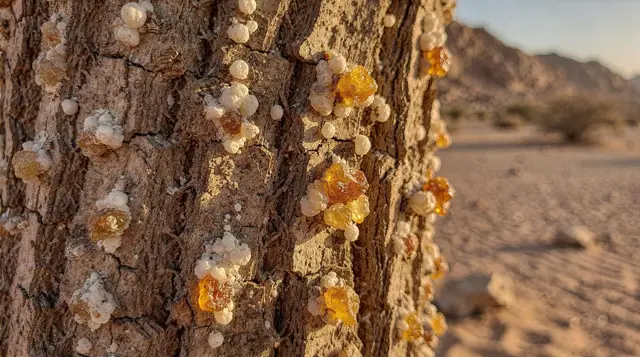
The Dhofar mountains fill with fog. Waterfalls cascade down limestone cliffs. Frankincense trees drip with moisture. The normally ochre hills turn vivid green. Camels and cattle graze on emerald grass. Temperatures hover around 22–25°C — actively pleasant, sometimes requiring a light jacket in the evenings.
For the full story on the Khareef experience, see our dedicated Khareef season guide for Salalah. The headline: if you are visiting Oman in summer, Salalah is not a compromise — it is genuinely one of the best experiences in the country.
Key Salalah Khareef Experiences
Wadi Darbat: The Khareef’s most spectacular wadi. A waterfall that exists only during the monsoon cascades into a lake that fills with flamingos and wading birds. The surrounding mountains turn an impossible green. Drive up the wadi road as far as you can, then hike to the waterfall viewpoint. Entry is free. Allow half a day.
Al Mughsail Blowholes: Limestone sea cliffs on the Dhofar coast with natural blowholes that force water and mist skyward as waves hit. During the Khareef, the mist and monsoon clouds combine with the blowholes to create an extraordinary atmosphere. The beach here is dramatic — large waves, green hills behind, mist rolling in. Entry is free.
Sumhuram (Khor Rori): The ruins of an ancient frankincense trading city at the mouth of a lagoon. During the Khareef, the lagoon fills with water and the green surroundings make this atmospheric UNESCO-listed site even more photogenic. Entry is 3 OMR.
Jebel Samhan: The highest peak in the Dhofar mountains, accessible by a winding mountain road. During the Khareef, the drive through the mist and cloud forest is otherworldly. Arabian leopards (rare) are known to inhabit these mountains.
Frankincense trees at Al Baleed: The ancient frankincense trade port site in Salalah city includes an excellent museum and walking grounds dotted with frankincense trees. During the Khareef, the trees weep resin visibly — you can see why ancient civilisations valued this landscape so highly.
The Salalah city and nature discovery tour provides an excellent introduction to the region’s highlights, including Wadi Darbat, the ancient city of Sumhuram, Al Mughsail blowholes, and the Khareef landscapes — ideal for first-time visitors who want context from a local guide.
Jebel Akhdar: The Northern Escape
For those determined to visit northern Oman in summer, Jebel Akhdar (the Green Mountain) offers relief. At 2,000+ metres elevation, temperatures are 8–10°C lower than the coast — meaning 30–32°C in peak summer rather than 40–42°C. This is still warm by European standards but dramatically more manageable.
The Anantara Al Jabal Al Akhdar and Alila Jabal Akhdar resorts stay busy year-round precisely because their elevation makes summer visits viable. The famous Damask rose gardens are not in season (rose season is February–April, covered in our Jebel Akhdar rose season guide), but the mountain landscape is still dramatic.
In summer, the mountain villages are quieter and hotels often offer their lowest rates. The infinity pools of the clifftop resorts become the main attraction — swimming at 2,000 metres with a canyon stretching to the horizon below you in temperatures that feel almost comfortable is a genuinely extraordinary experience.
For budget-conscious summer visitors, smaller guesthouses and lodges on Jebel Akhdar offer the same mountain scenery at a fraction of the five-star resort rates. Check the village of Al Ayn and the small lodges on the plateau rim.
Salalah Summer Accommodation: What to Book
Salalah’s accommodation scene has improved dramatically over the past decade, with options at every price point.
Anantara Salalah Resort: The most prestigious address in Salalah. Beachfront position with multiple pools, excellent restaurants, and spa. Rooms from approximately 90–150 OMR per night in Khareef season — book at least 3 months ahead.
Salalah Rotana Resort: Large resort on the beach west of Salalah city. Family-friendly with good pool facilities. Rates from around 60–90 OMR in peak Khareef.
Hilton Salalah Resort: Long-established property that remains popular for good reason — beachfront position, consistent quality, reliable service. Rates from 55–80 OMR.
Haffa House: Budget-friendly and centrally located in Salalah city. Basic but clean. From 20–30 OMR per night.
The Salalah Tourism Festival (running July–August) fills all hotels in the city. Prices spike during festival weekends — book well in advance and check festival dates before finalising your travel.
Practical Tips for Summer Visitors
Water: Carry large quantities — 4–6 litres per person per day for outdoor activity. Dehydration risk is severe. A headache often indicates early dehydration; do not ignore it. In Salalah during the Khareef, water requirements are much lower due to mild temperatures, but still carry at least 2 litres per person.
Sunscreen: Apply SPF 50+ every 90 minutes to all exposed skin. Long-sleeved UPF shirts are more effective than sunscreen for extended exposure. Our Oman packing list covers the best brands and formats for Oman’s conditions.
Activity timing: In northern Oman, outdoors only before 9am and after 5pm. Plan indoor activities for 10am–4pm. In Salalah during the Khareef, outdoor activity is comfortable all day.
Dress: Light-coloured, loose linen clothing covers skin without trapping heat. Dark clothing absorbs heat and should be avoided in full sun. Cotton is good; linen is better for the hottest conditions.
Never leave children or animals in a parked car. Even for 5 minutes, car interiors can reach fatal temperatures in Oman’s summer sun.
Rehydration salts: Pack sachets and use them when sweating heavily. Plain water alone is not enough to replace the electrolytes lost in 40°C heat.
Car air conditioning: Rental cars in Oman run air conditioning powerfully. The transition from 42°C outside to 20°C inside is extreme — dress in layers if you are sensitive to temperature changes. See our getting around Oman guide for car rental advice specific to summer driving.
Budget Advantages of Summer Travel
The financial case for summer is real:
- Muscat hotel rates drop 40–60% versus January peak
- International flights to Muscat are often cheapest in June and July
- Guided tours and activities have better availability and less waiting
- Rental cars are cheaper and more available
For visitors who can structure an indoor-focused itinerary, summer offers the most dramatic value in Oman travel. A luxury hotel at budget prices, empty museums, and quick morning visits to heritage sites represents a genuine option for heat-tolerant travellers.
For a full breakdown of costs by season, see our Oman budget guide, which includes summer-specific pricing for accommodation and tours.
Salalah in Summer: Timing the Khareef
Best months for Salalah Khareef: July and August offer the most reliable greenery and waterfall activity, with August being the peak. June can be variable — some years the Khareef arrives late. September is tail-end Khareef with reducing greenery but fewer crowds.
Getting to Salalah: The domestic Muscat–Salalah flight (90 minutes on Oman Air) is the most practical option. During Khareef season, book at least 6–8 weeks ahead — flights fill with Gulf tourists escaping the heat. For driving (10–12 hours on the Muscat–Salalah highway), factor in fuel stops and the dramatic landscape change as you enter Dhofar. Our getting around Oman guide covers the logistics of the Salalah trip in detail.
Salalah Tourism Festival (July–August): The annual festival brings cultural performances, heritage markets, food stalls, and entertainment events to Salalah during peak Khareef. Accommodation books out during festival weekends — reserve at least 2 months in advance.
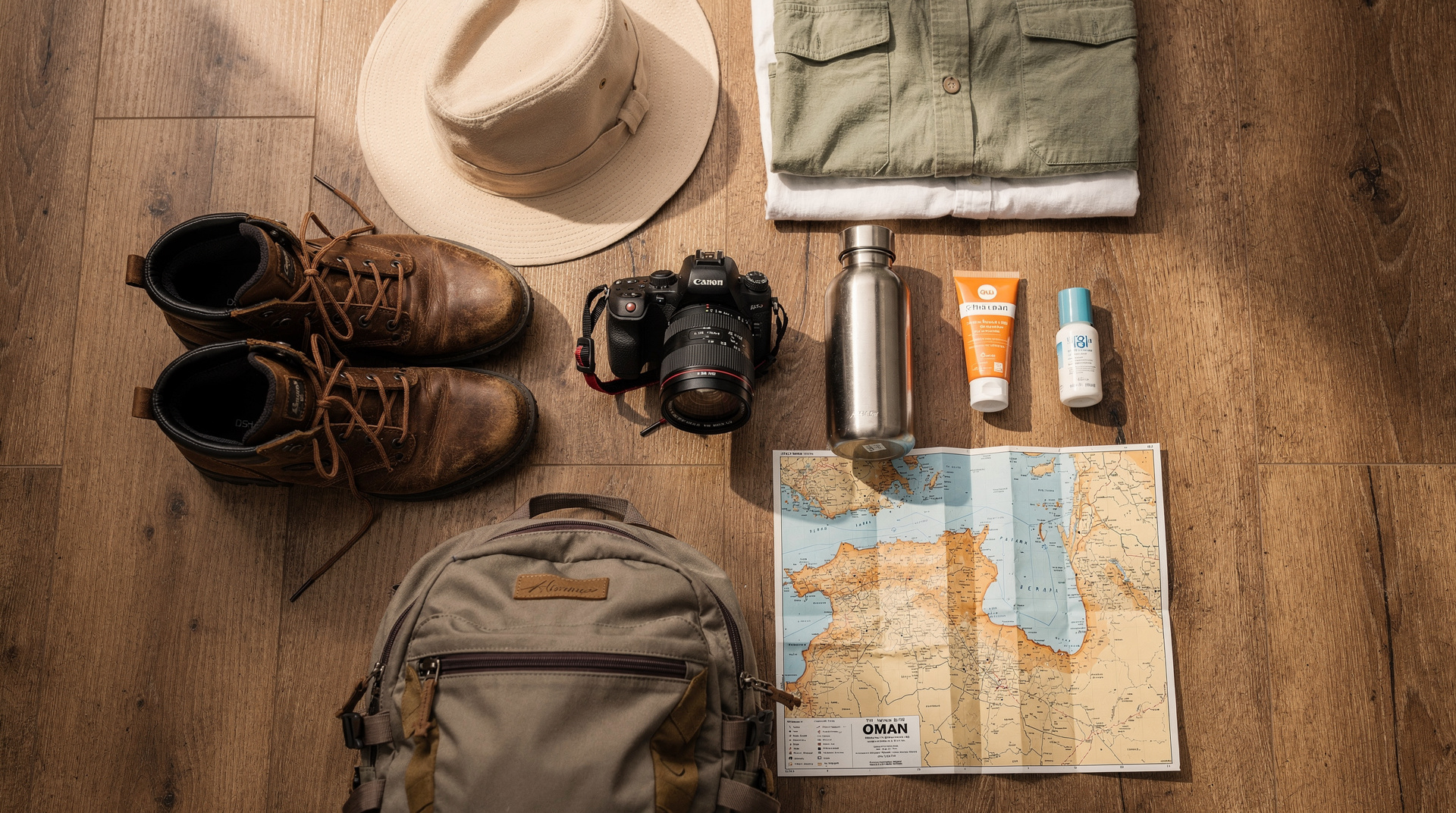
What to pack for Salalah Khareef: This is the section that surprises most visitors. A light rain jacket or waterproof layer is genuinely useful — the Khareef brings mist and occasional light rain. A fleece or zip-up for mountain evenings. Standard summer clothing for daytime. Proper walking shoes or sandals for the wadi and mountain hikes. See our Oman packing list for a full Salalah-specific kit list.
Choosing Between the Two Summer Trips
Because “Oman in summer” really means two different trips, it helps to compare them directly before booking flights.
| Factor | Muscat / northern Oman | Salalah (Khareef) |
|---|---|---|
| Daytime temp | 38-45°C | 22-26°C |
| Trip style | Indoor-heavy, budget-focused | Outdoor sightseeing, nature-focused |
| Peak crowding | Low year-round | High, especially August festival weekends |
| Best for | Value hunters, layover extensions, families using pools/malls | First-time Khareef visitors, couples, photographers |
If you can only pick one, Salalah’s Khareef is the more distinctive Oman experience and the one most visitors describe as unexpectedly memorable. Muscat in summer is a legitimate budget play but works best as a short add-on rather than the centrepiece of a trip — pair it with the Oman for couples guide or Oman with kids guide if travelling as a family around the mall and pool circuit.
A Simple Summer Route
- Days 1-2 — Muscat, indoor-focused: National Museum, Bait Al Zubair, and a hotel pool day, with only early-morning or evening outdoor time.
- Day 3 — Fly to Salalah: The 90-minute domestic flight is the practical way to reach the Khareef.
- Days 4-6 — Salalah Khareef: Wadi Darbat, Al Mughsail blowholes, Sumhuram, and the frankincense heritage sites at Al Baleed. See our khareef season guide for a fuller day-by-day plan.
- Day 7 — Return via Muscat: A short final stop for shopping or the Grand Mosque’s morning visiting hours before departure.
For those instead choosing to stay north the whole trip, our best time to visit Oman guide and oman in winter guide lay out how the cooler months compare if your dates are flexible.
Frequently asked questions about Oman in Summer: April to September Travel Guide
Is Wahiba Sands accessible in summer?
Technically yes, but not recommended for overnight camping — daytime desert temperatures reach 45-50°C. Some operators run early-morning or evening dune drives, but a full desert-camp experience is far better suited to the October-April season. See our Wahiba Sands overnight guide for the best conditions.
Is Jebel Akhdar a good summer escape from Muscat heat?
Yes — at 2,000m elevation, Jebel Akhdar runs 8-10°C cooler than the coast, making it one of the more comfortable outdoor options in northern Oman during summer. It’s not as dramatic a temperature drop as Salalah’s Khareef, but it’s a practical day-trip or overnight escape without leaving northern Oman. See our Jebel Akhdar green mountain guide for route planning.
Is Oman too hot to visit in summer?
For northern Oman, summer is genuinely challenging — 40°C+ limits outdoor activity to early mornings and evenings. But it is not impossible for heat-tolerant visitors with a flexible itinerary. Salalah during the Khareef (June–September) is actively pleasant at around 22°C and is one of Oman’s finest seasonal experiences.
What temperature is Oman in August?
In Muscat, August daytime temperatures average 38–42°C with high humidity and a heat index that can reach 48°C. In Salalah during the Khareef, temperatures average 22–26°C — dramatically cooler due to the Indian Ocean monsoon. Jebel Akhdar (2,000m) stays around 28–32°C in August, while the desert interior can exceed 48°C at peak daytime heat.
Is Salalah worth visiting in summer?
Absolutely. Salalah during the Khareef season (June–September) is one of Oman’s most extraordinary travel experiences — a green, misty, waterfall-filled monsoon landscape in the middle of Arabia. July and August are the most reliable months for full Khareef conditions. The region is genuinely cooler than anywhere else in the country during summer, making it a practical and spectacular choice.
Are there cheaper flights to Oman in summer?
Generally yes for northern Oman. International flights to Muscat are often cheaper in June and July than the winter peak months. Domestic flights from Muscat to Salalah, however, are more expensive in July–August due to high Gulf tourist demand for the Khareef — book at least 6–8 weeks ahead for good fares.
What can you do in Muscat in summer?
Indoor attractions work well in summer: the National Museum (5 OMR entry), Bait Al Zubair (3 OMR), the Royal Opera House tour, shopping malls including Muscat City Centre and Avenues Mall, cooking classes, and hotel spas. Outdoor visits should be planned for very early morning (before 9am). Hotel pools and sea swimming are popular in the evening after 6pm. The Grand Mosque is comfortable to visit at 8am with good hydration. Day-use pool passes at luxury hotels offer an excellent mid-range summer afternoon option.
Is the Khareef season crowded?
Yes, particularly in August. The Salalah Tourism Festival draws large numbers of Gulf tourists escaping the heat elsewhere. Hotels fill up, prices spike, and coastal roads can be busy on weekends. June and early September offer similar natural beauty with fewer crowds and lower prices. Book accommodation months in advance if visiting during the festival period — this is not an exaggeration, as popular properties sell out entirely.
How do I get from Muscat to Salalah in summer?
The 90-minute Oman Air domestic flight is by far the most practical option. Book early for Khareef season. The highway drive (10–12 hours) is an option for those who want to see the landscape transformation as you enter Dhofar, but in summer heat, overnight driving is recommended. See our getting around Oman guide for transport details between the two cities.
Top experiences
Bookable activities with verified prices and instant confirmation on GetYourGuide.
 📍 Salalah
 Discover Salalah city, history, nature, culture
- Free cancellation
- Hotel pickup
- English guide
 📍 Salalah
 Salalah: sunset desert safari - Rub Al Khali - Empty Quarter
- Free cancellation
- Hotel pickup
- Small group
 📍 Salalah
 West Salalah tour: Fazayah Beach, Al Mughsail Beach, blowhole
- Free cancellation
- Hotel pickup
- Instant confirmation
 📍 Muscat
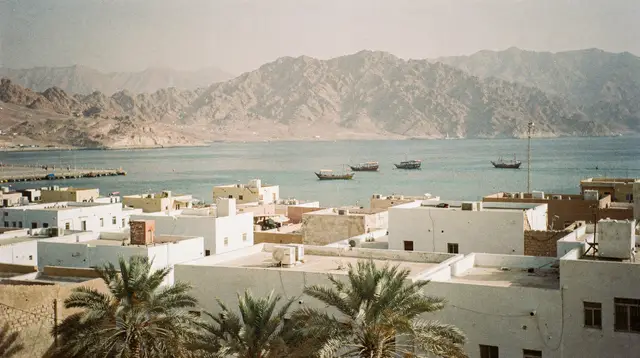
 Muscat: half-day city tour
- Free cancellation
- Instant confirmation
- Hotel pickup