Oman vs Jordan: Which Should You Visit First?
Muscat: explore Nizwa Fort and Souq + Jebel Akhdar
Duration: 10 hours
- Free cancellation
- Hotel pickup
- English guide
Should I visit Oman or Jordan first?
Jordan if you're short on time (1–2 weeks) and want high-density history and culture. Oman if you have 10+ days, want to combine nature, beaches, and culture, and prefer a quieter, less tourist-heavy destination.
At a glance
| Category | Oman | Jordan |
|---|---|---|
| Size | 310,000 km² | 89,000 km² |
| Population | 4.5 million | 11 million |
| Capital | Muscat | Amman |
| Currency | Omani Rial (OMR) | Jordanian Dinar (JOD) |
| Language | Arabic (English widely spoken) | Arabic (English widely spoken) |
| Best visited | Oct–Apr | Mar–May, Sep–Nov |
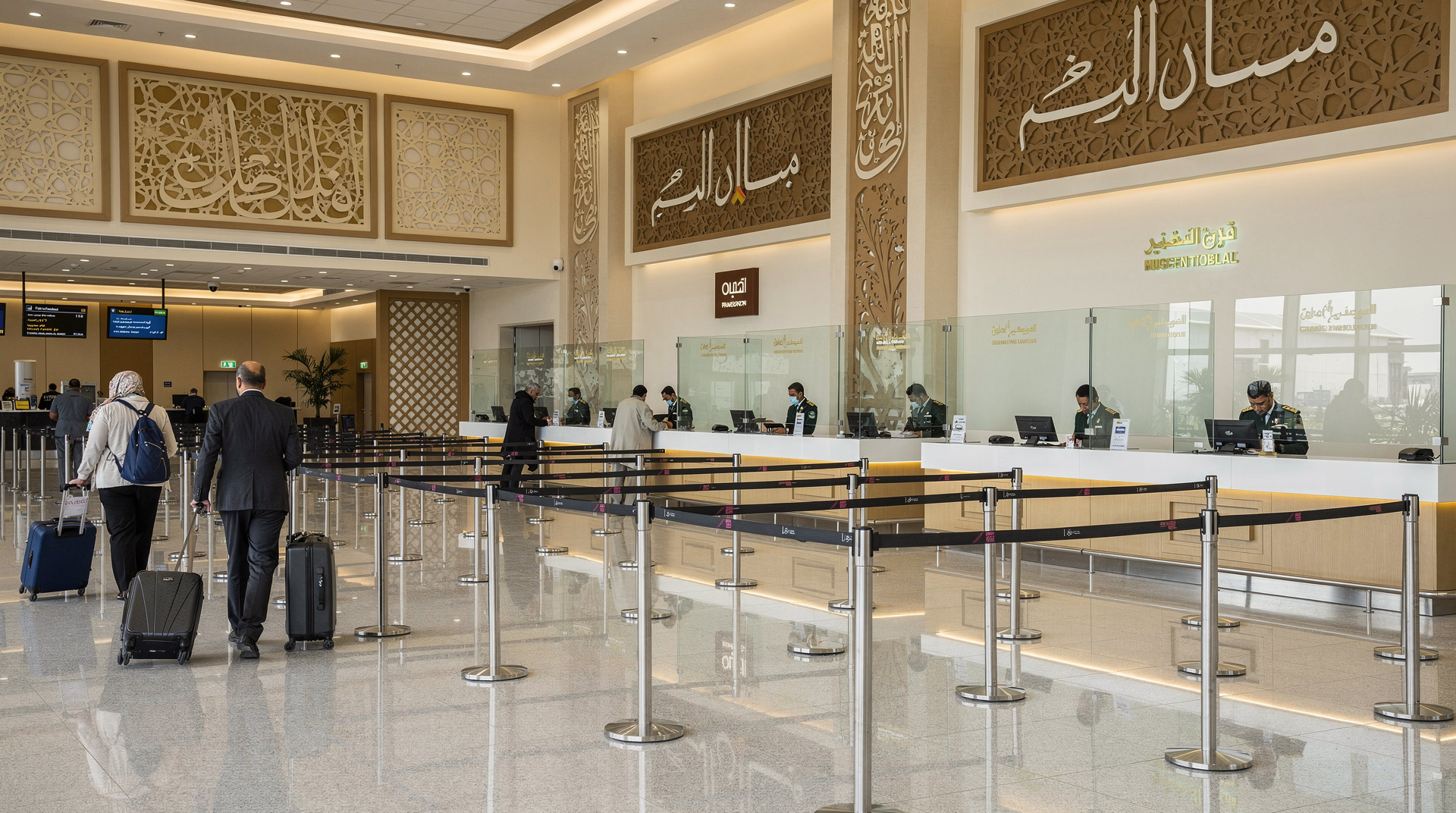
| Entry visa | VOA or eVisa for most nationalities | VOA or Jordan Pass |
| Average mid-range daily budget | $120–200 | $80–140 |
| Coastline | 3,165 km (Arabian Sea, Gulf of Oman) | None (landlocked except Aqaba) |
| UNESCO sites | 5 | 6 |
| Star attraction | Wadi Shab, Nizwa, Musandam | Petra, Wadi Rum, Dead Sea |
Climate and seasons
Oman’s interior experiences extreme summer heat — Muscat exceeds 40°C from June to September, making outdoor activities difficult. The coast and mountains are more forgiving, and Salalah enjoys a unique monsoon season (khareef, June–September) that transforms the south into a green, mist-wrapped landscape. The best time to visit Oman is October to April.
Jordan’s climate is more moderate. Amman and Petra can be cold in winter (December–February) — snow is not unusual — but spring (March–May) is outstanding, with wildflowers and comfortable temperatures. Wadi Rum is hot in summer but nights are cold year-round. Jordan’s narrower shoulder seasons make timing slightly more critical than Oman.
Winner for climate flexibility: Oman (longer comfortable season, beach option year-round).
Cost and value
Jordan is cheaper, period. Budget travellers can survive in Jordan on $40–60 per day including accommodation, food, and transport. Oman is harder to do cheaply — car rental is almost essential and costs $40–70 per day, accommodation starts at around $50 for a decent double, and tourist activities can add $50–100 per day.
That said, Oman’s luxury value proposition is exceptional. A safari camp in Wahiba Sands costs considerably less than an equivalent experience in East Africa, and Alila Jabal Akhdar or Six Senses Zighy Bay deliver world-class settings at lower rates than comparable properties in the Maldives or the Alps.
The Jordan Pass ($70–100) is excellent value for first-time visitors, bundling entry to Petra and 40+ other sites with the visa fee. Oman has no equivalent bundled pass.
Winner for budget travel: Jordan. Winner for luxury value: roughly equal.
Top experiences
Oman
- Wadi Shab and the hidden cave pool (unmissable)
- Overnight in Wahiba Sands desert camp
- Musandam fjords by traditional dhow
- Driving the Jebel Akhdar mountain road
- Turtle nesting at Ras Al Jinz
- Nizwa Friday livestock market
Book the Wadi Shab and Bimmah full-day tour and the desert overnight experience as the two highlights of any Oman trip.
Jordan
- Petra by day and by night (candle-lit)
- Wadi Rum Jeep tour and stargazing camp
- Float in the Dead Sea
- Jerash Roman ruins
- Dana Biosphere Reserve trekking
- Aqaba diving and snorkelling
Both countries offer outstanding experiences, but Jordan’s headline acts (Petra, Wadi Rum) are more concentrated and famous. Oman’s highlights require more travel between them but reward with greater diversity — beaches, mountains, wadis, and desert all within one itinerary.
Winner for concentrated highlights: Jordan. Winner for experience diversity: Oman.
Logistics and accessibility
Jordan is a compact country — Petra, Amman, Wadi Rum, and the Dead Sea can all be covered in 5–7 days without feeling rushed. No car is strictly necessary; tours and shared taxis connect the main sites. Petra itself is highly walkable.
Oman is vast. Driving from Muscat to Salalah takes 10+ hours, and even the central circuit (Nizwa, Wahiba Sands, Wadi Shab) requires 3–4 days. A rental car is almost essential unless you rely entirely on organised tours. Roads are excellent, traffic is minimal, and the driving experience is genuinely pleasurable — but distances are real.
Both countries are very safe for solo travellers and women travelling alone. Dress codes are slightly more conservative in Oman’s interior than in Jordan’s tourist areas.
Winner for ease and compactness: Jordan.
Food and drink in each country
Jordan’s table is the one most travellers talk about afterwards. Levantine cooking is familiar before you arrive, which makes ordering easy, and the sharing-plate style suits groups and first-time visitors who like to taste a little of everything. Oman’s cuisine is more regional and more tied to home cooking, so the best meals often come from small local restaurants or from a host rather than from a polished dining room. If you want to understand what to look for, our Omani food guide covers the dishes worth seeking out, and the story of shuwa, the slow-cooked festive lamb shows how deeply food is tied to occasion and community here.
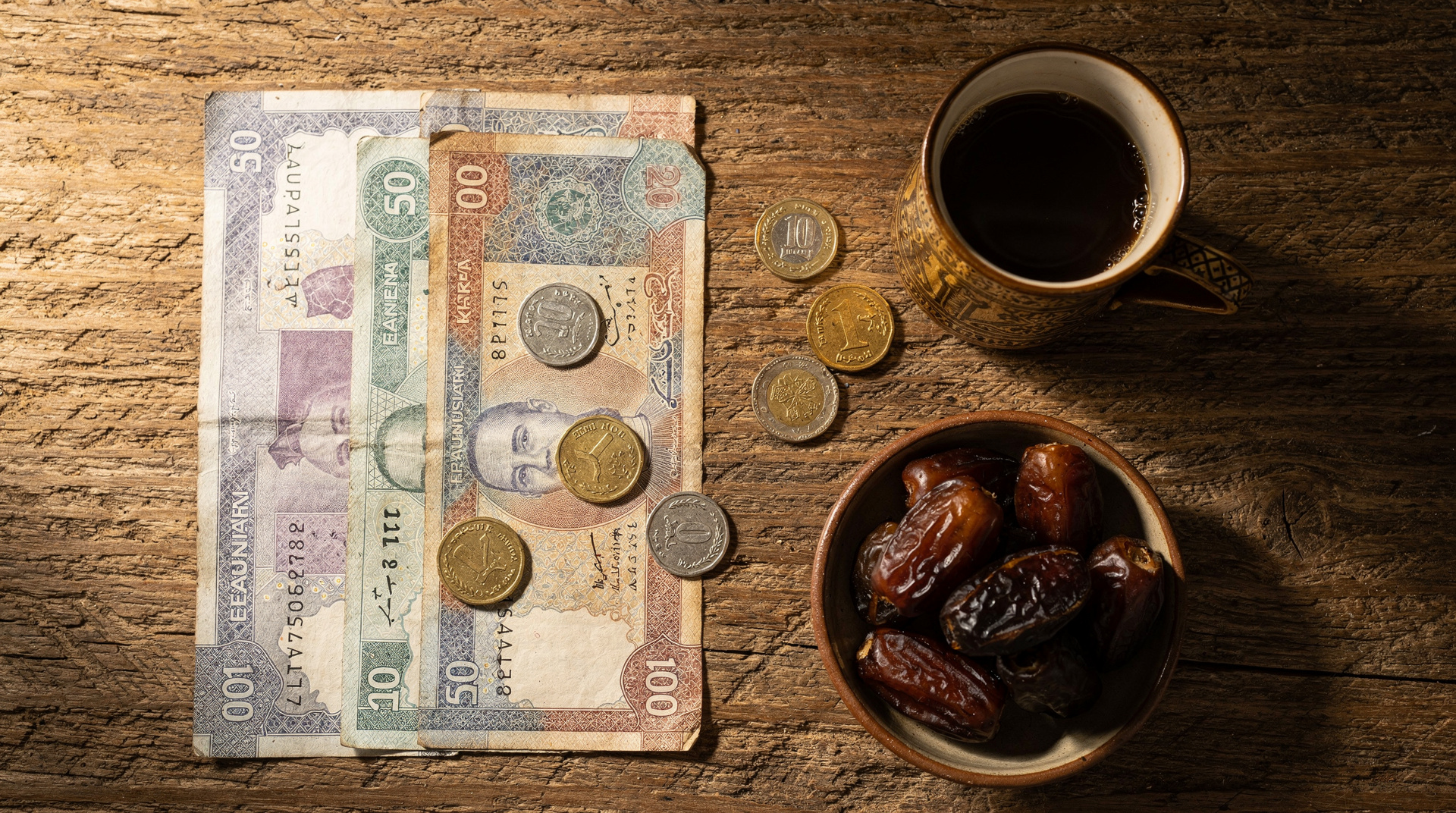
Coffee and sweets are a good place to compare the two. In Oman, the ritual of serving coffee with dates is a gesture of welcome, and you will meet it in homes, forts and hotel lobbies alike. Read about it in Omani coffee culture and sample the local confection described in our Omani halwa guide. In the capital, the best restaurants in Muscat give a more varied picture than most visitors expect, which narrows the gap with Jordan for anyone who stays in the city for a few days.
Alcohol is one more practical point. In both countries it is available mainly in licensed hotels and restaurants rather than on every street, so plan evenings accordingly. Our page on alcohol in Oman explains how this works in practice.
Culture, etiquette and how welcome you will feel
Visitors to both countries tend to remark on the hospitality, and it is a real part of the experience rather than a marketing line. In Oman the pace is slower and the tone is quiet. People will often stop to offer help or a cup of coffee, and conversations in souqs are relaxed rather than pushy. Jordan’s tourist circuits are busier and more commercial around the famous sites, which can feel energetic or tiring depending on your mood and how much you enjoy bargaining.
Showing a little cultural awareness goes a long way in either place. Greet people politely, dress modestly away from beach and resort areas, and ask before photographing anyone. For Oman specifically, the guide to Omani etiquette and culture and the dress code guide set out what is expected, and they are worth reading before you pack. Women travelling alone will find reassurance in our guide on whether Oman is safe for women, and the broader Oman safety tips apply to all travellers.
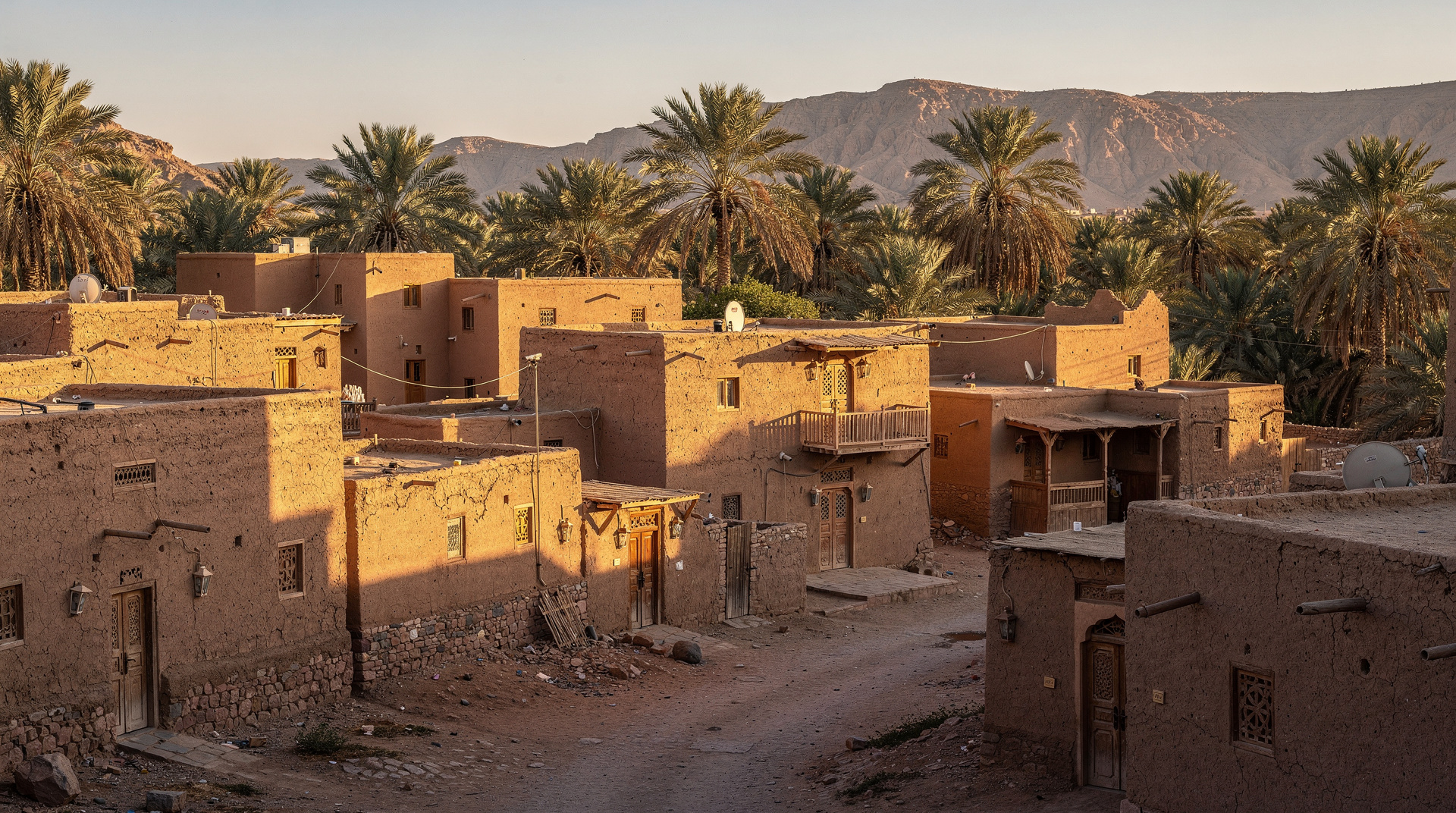
Heritage is where the two countries differ most in character. Jordan’s story is told through monumental ancient cities carved into rock and Roman streets. Oman’s story is told through forts, falaj irrigation channels, trading ports and old mountain villages. If you enjoy castles and defensive architecture, the complete guide to Oman’s forts and the shorter top 10 forts are a good starting point, and Nizwa Fort and souq is the easiest place to see local life and history in the same visit.
Nature and outdoor activities compared
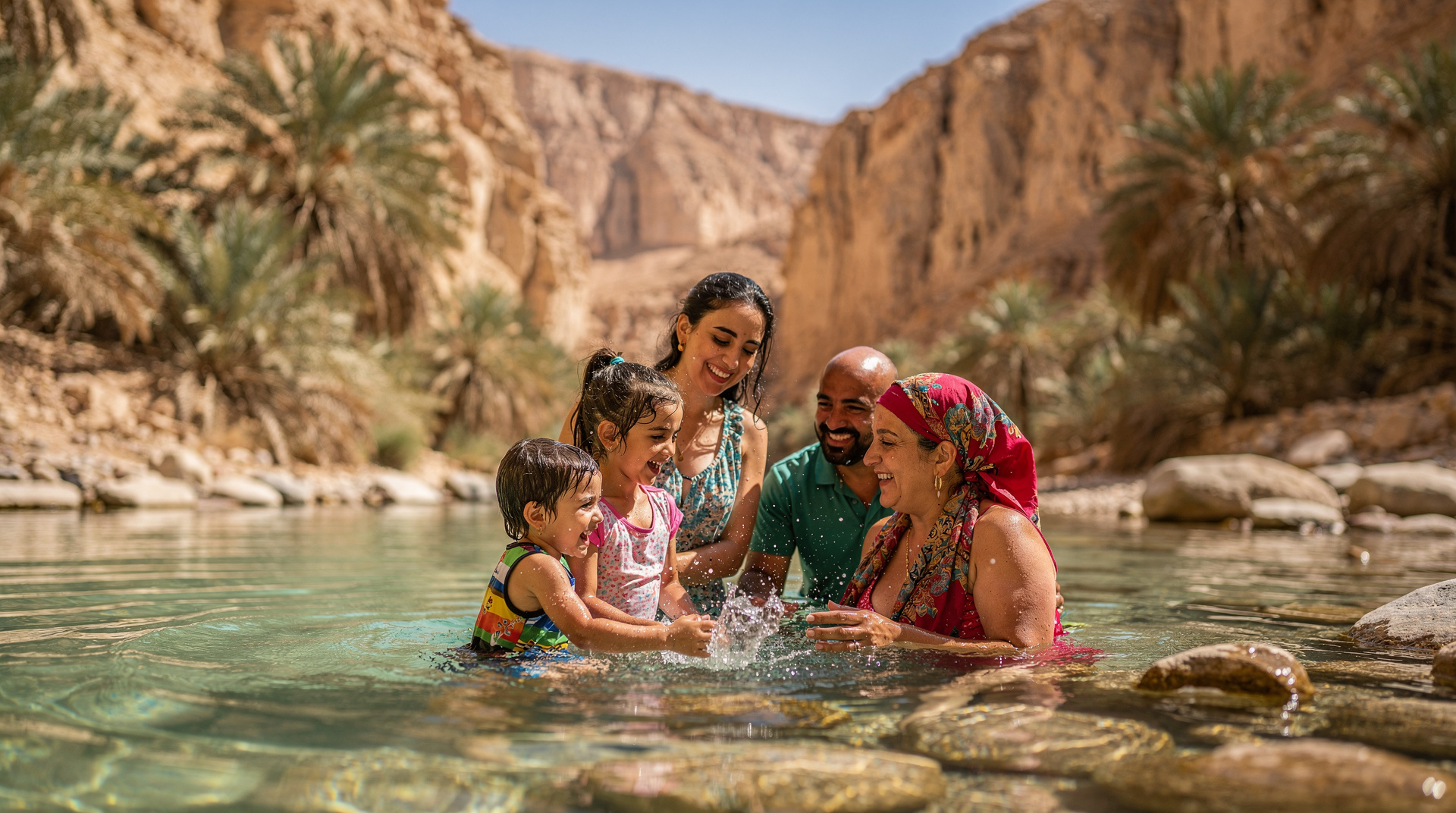
Jordan’s landscapes are dramatic but compact: red desert, canyon trails and a salt lake you can float in. Oman’s variety is wider. Within a single trip you can swim in a wadi, sleep in the dunes, walk a mountain rim and watch marine life from a boat. This is the main reason Oman suits longer trips, and it is why activity-minded travellers often lean in its favour.
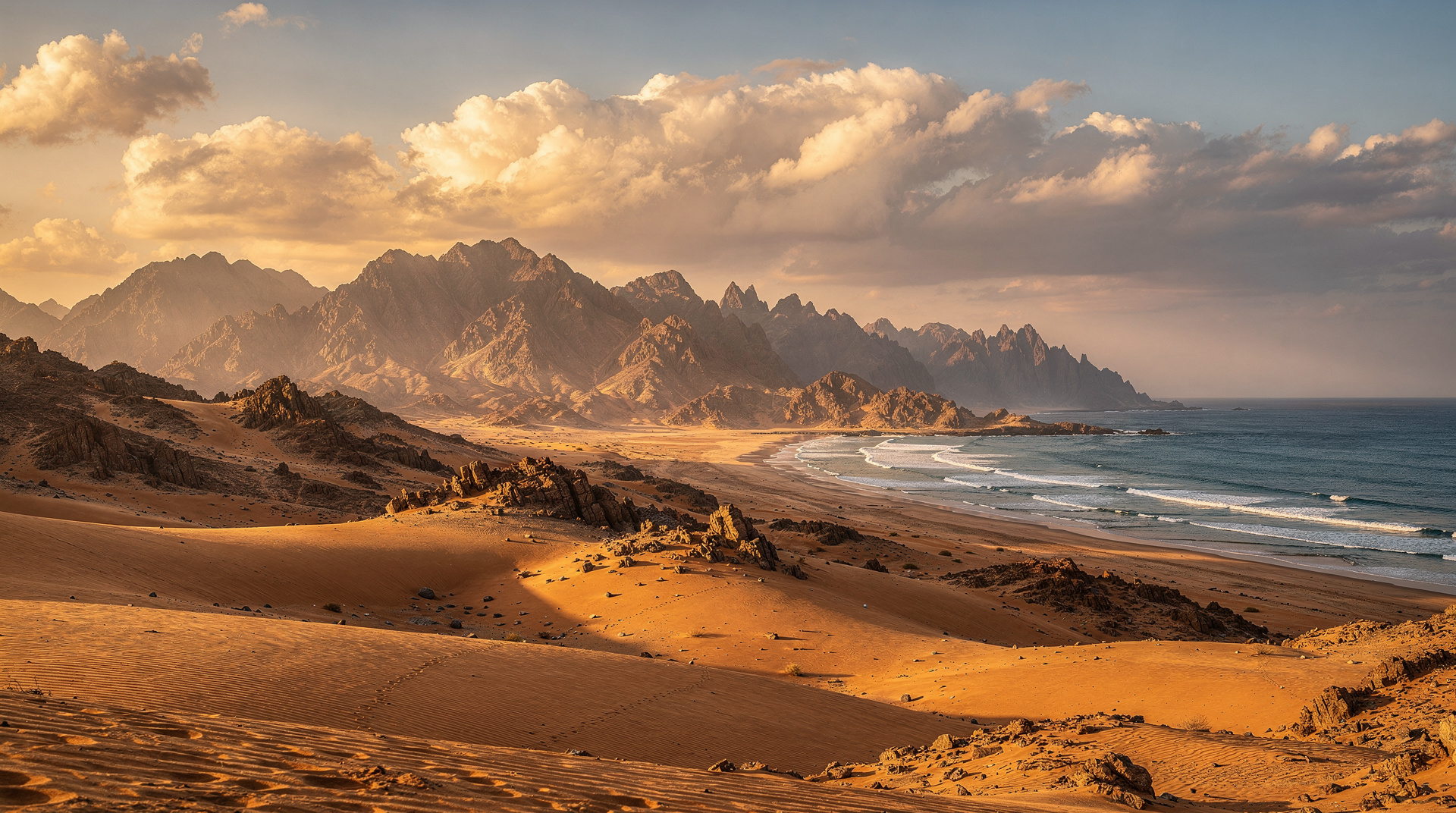
For water lovers the difference is clear. Oman offers sea access along a long coast, and you can explore it through snorkelling spots across Oman, scuba diving in Oman and dolphin watching from Muscat. The best beaches in Oman are an easy reason to add a couple of slow days to a desert-and-mountain itinerary. If you prefer freshwater, the top 10 wadis and the Wadi Shab complete guide cover the classic swimming and hiking spots.
The desert is a draw in both countries, but the Omani version is different. Rather than a single famous protected area, you have several ways to meet the dunes, from a quiet camp stay to more energetic options. Browse the Wahiba Sands desert safari page, the overnight desert camping guide and the luxury desert camps if you want comfort under the stars. For mountains, Jebel Akhdar and Jebel Shams are the natural centrepieces.
How to decide if you are still undecided
A simple way to choose is to start with how much time you have and what you want to feel at the end of the trip. If the goal is a short, focused journey in which a single unforgettable sight anchors everything, Jordan fits naturally. If the goal is to unwind, drive empty roads and move between very different landscapes, Oman fits better.
Think about how you like to travel as well. Some people enjoy a tight loop with a clear checklist, while others would rather have space to linger and change plans. Oman rewards the second kind of traveller, and a flexible plan helps because distances and road conditions shape each day. If you want a ready-made structure, the 7-day classic Oman itinerary and the 5-day Oman highlights show how the country can be sequenced, while the 10-day grand tour gives a fuller picture for those with more time.
Travel companions matter too. Couples may be drawn to Oman’s resorts and scenery, as described in Oman for couples, while families will want to weigh the advice in Oman with kids against their own children’s patience for long drives. Solo travellers can read solo travel in Oman to see how the country feels when you are on your own.
Who should choose Oman?
- Travellers with 10+ days who want diversity beyond culture and history
- Beach lovers, snorkellers, and divers
- Hikers seeking serious mountain terrain
- Anyone interested in driving holidays on empty roads
- People who want a quiet, uncrowded destination (Oman tourism numbers are a fraction of Jordan’s)
- Couples seeking luxury resorts in dramatic natural settings
Who should choose Jordan?
- First-time Middle East visitors who want maximum impact in minimum time
- History and archaeology enthusiasts (Petra, Jerash, Petra, Madaba)
- Budget travellers
- Families with young children (Jordan’s attractions are more accessible)
- Travellers combining with Israel, Egypt, or the Levant region
- Food-focused travellers
Where to base yourself if you choose Oman
Oman is easier to enjoy when you pick a few bases rather than moving every night. Muscat is the natural arrival point and a comfortable introduction, with our Muscat city guide and where to stay in Muscat covering the practical side. From there the interior opens up around Nizwa, the mountains and the desert, while the south offers a very different mood around Salalah. If you are weighing the two main hubs against each other, Salalah vs Muscat makes the contrast clear.
For a short stay, the 3-day Muscat express is a gentle way to sample the country before committing to a longer trip.
Can you combine both?
Absolutely, and the combination is one of the great Middle East itineraries. Three weeks allows justice to be done to both countries: fly into Amman, spend 10 days in Jordan, fly to Muscat from Amman (direct routes available), and spend 10 days in Oman before flying home.
The two countries are entirely different aesthetically — Jordan’s pink-rock Nabataean architecture versus Oman’s white-plaster forts and turquoise wadis — which makes the combination refreshing rather than repetitive.
See our Oman visa guide and best time to visit Oman to plan your combined itinerary. The Nizwa Fort and Jebel Akhdar combo tour is an ideal first day in Oman’s interior if you fly in from Amman.
Getting around once you arrive
How you move between places shapes the whole feel of a trip. In Jordan, short hops between the main sites mean that you spend more time looking and less time travelling. In Oman, the journey is part of the experience, and the scenery between stops is often a highlight in itself. Our getting around Oman guide explains the options, and the page on renting a car in Oman is the place to start if you plan to drive. For long gaps, domestic flights in Oman can save a day, and the scenic drives guide helps you choose routes worth the time.
If you would rather not drive at all, organised tours are a sensible compromise, especially for a first visit. See the overview of multi-day tours in Oman to see how a guided trip can replace the planning work.
Practical differences beyond the headline comparison
Jordan’s tourism infrastructure is built around a handful of concentrated sites, which makes independent planning straightforward — English signage, well-worn tour circuits, and the Jordan Pass bundling entry fees. Oman spreads its highlights across a much larger area, so the planning burden shifts toward logistics: booking a 4x4 rental with confidence, sequencing driving days sensibly, and allowing buffer time for mountain roads that are excellent but slower than they look on a map.
Dress and alcohol norms are broadly similar — both are Muslim-majority countries where modest dress is expected outside resort areas and alcohol is confined to licensed hotels and restaurants. Jordan’s tourist zones (Amman’s Rainbow Street, Aqaba’s beach resorts) feel a shade more relaxed day to day than Oman’s interior towns, where conservative norms hold more consistently even around tourist sites like Nizwa.
For photographers and hikers specifically, Oman’s Jebel Shams Balcony Walk and Jordan’s Wadi Rum both deliver serious terrain, but Oman’s trails are generally quieter and less waymarked — useful information if you’re deciding which suits your experience level.
Frequently asked questions about Oman vs Jordan: Which Should You Visit First?
Is Oman or Jordan cheaper to travel?
Jordan is significantly cheaper for budget travellers. Oman's accommodation and car rental costs are higher, though food prices are similar. A week's travel costs roughly $800–1,200 in Jordan vs $1,200–2,000 in Oman for a mid-range traveller.Which country is safer for tourists?
Both are among the safest countries in the Middle East. Oman consistently ranks as the safest country in the Arab world. Jordan has a strong tourism infrastructure and is very safe in tourist areas, though its proximity to regional conflicts occasionally affects traveller confidence.Can you visit both Oman and Jordan in one trip?
Yes — connecting flights via Dubai, Doha, or Amman make this straightforward. A combined 3-week itinerary is entirely feasible: 10 days in Jordan, a flight to Muscat, and 10 days in Oman.Which country has better food?
Jordan is generally rated higher for food by international travellers — Levantine cuisine (hummus, fattoush, mansaf, knafeh) has global appeal and is widely available. Omani food is excellent but less varied and harder to find outside local restaurants.Do I need a rental car in both countries?
In Jordan, a car helps but is optional — organised tours and shared taxis cover Petra, Wadi Rum, and the Dead Sea reasonably well. In Oman, a rental car or private tour is close to essential outside Muscat, since public transport barely exists between the main sites.Which is better for a first Middle East trip?
Jordan, generally. Its sites are concentrated and well-signposted for independent travel, and Petra alone justifies a shorter trip. Oman rewards a bit more travel experience and comfort with driving or self-organising longer distances.
Top experiences
Bookable activities with verified prices and instant confirmation on GetYourGuide.
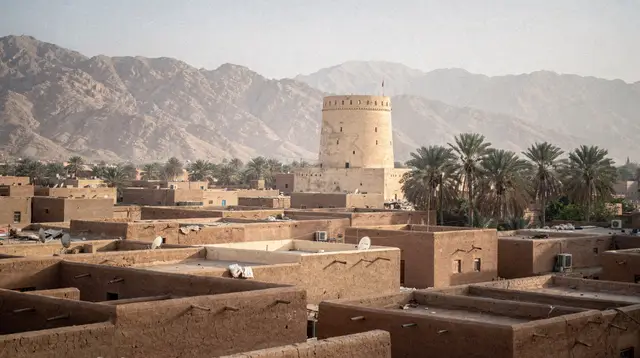 📍 Nizwa
 Muscat: explore Nizwa Fort and Souq + Jebel Akhdar
- Free cancellation
- Hotel pickup
- English guide
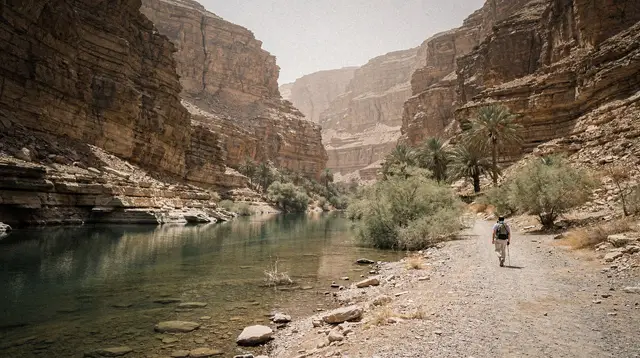 📍 Wadi Shab
 From Muscat: Wadi Shab and Bimmah Sinkhole full-day tour
- Free cancellation
- Hotel pickup
- Best seller
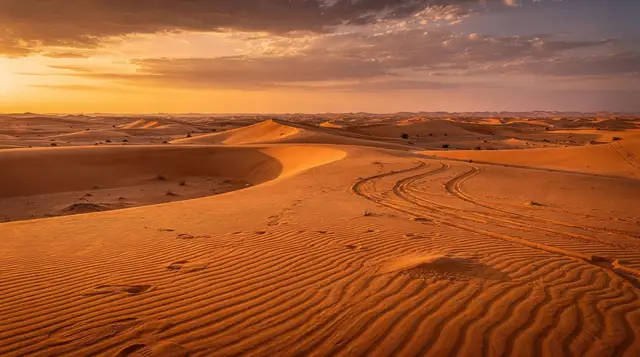 📍 Wahiba Sands
 From Muscat: desert overnight and Wadi Bani Khalid
- Private tour
- Hotel pickup
- Free cancellation
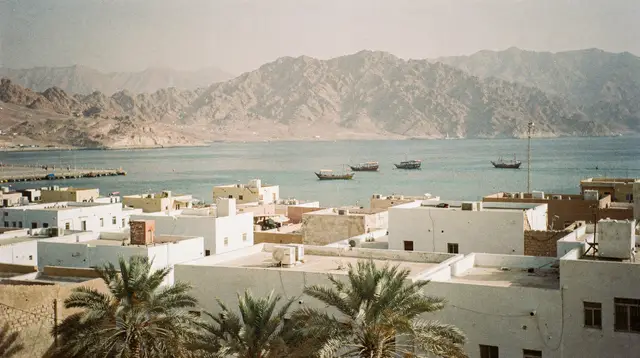 📍 Muscat
 Muscat: half-day city tour
- Free cancellation
- Instant confirmation
- Hotel pickup