Shuwa: Oman's Iconic Underground-Roasted Lamb
What is Omani shuwa?
Shuwa is a traditional Omani dish of spiced lamb or goat slow-cooked in an underground pit for 24 to 48 hours. It is served at celebrations including Eid al Adha and is Oman's most iconic festive food.
The Dish That Defines Omani Celebration
In a country whose cuisine reflects centuries of Indian Ocean trade — spiced with cardamom and saffron, perfumed with rosewater, built on the abundance of the sea — shuwa stands apart as the preparation most completely and unmistakably Omani. This underground-roasted whole lamb or goat is the food of ceremony, of generosity, of time itself. You cannot hurry shuwa. It takes what it takes — often a full 24 to 48 hours — and the wait is part of its meaning.
Shuwa is prepared for the great occasions of Omani life: the two days of Eid al Adha, when households across the country simultaneously lower their pits and the smoke of a thousand fires rises over every neighbourhood; the feast at a wedding celebration; the welcome for a distinguished guest; the conclusion of Ramadan. It is not everyday food. Its preparation requires planning, collaboration, and a certain ritual intention that elevates the act of cooking into something approaching ceremony.
Understanding shuwa — how it is made, what it means, and why it tastes the way it does — is one of the most direct routes into the heart of Omani cultural life available to a visitor.
| At a glance | |
|---|---|
| Where | Homes and select restaurants across Oman; most prevalent nationwide during Eid al Adha |
| Cost | A shuwa-inclusive Omani feast at a hotel typically runs around OMR 10-25 per person; family portions are not sold individually |
| Time needed | The cook itself takes 24-48 hours; as a diner, plan for a leisurely shared meal of an hour or more |
| Getting there | Ask at your Muscat hotel for an “Omani night” or check the best restaurants in Muscat guide for reliable availability |
| Best time | Eid al Adha for the most atmospheric experience, though some restaurants serve it on set days year-round |
History and Origins of Shuwa
Underground cooking is one of the oldest food preparation techniques in human history, found in cultures as geographically separated as New Zealand (the Maori hangi), Mexico (the barbacoa pit), and Hawaii (the imu). In each case, the basic principle is the same: bury meat with heat and seal the pit, allowing the meat to cook slowly in its own moisture and the heat of the surrounding earth and embers.
In Oman, this technique appears to have developed independently in the warm, dry coastal and inland environment of the Arabian Peninsula, where an abundance of wood for charcoal, a tradition of keeping livestock, and the practical challenges of cooking large quantities of meat for communal celebrations made underground cooking a natural solution. Historical records of the dish are difficult to pin down precisely, but shuwa is generally regarded as having been part of Omani festive food culture for many centuries, predating the Portuguese arrival in the sixteenth century and probably far older.
The specific spice blend used in the marinade bears some resemblance to the spice profiles of East African coastal cooking — reflecting Oman’s long and intimate commercial and cultural relationship with the Swahili coast — though it also shares elements with the Persian and Indian spice traditions that permeate the whole of Omani cuisine.
Shuwa Among the World’s Underground-Cooked Dishes
| Dish | Region | Typical cook time | Wrapping |
|---|---|---|---|
| Shuwa | Oman | 24-48 hours | Banana leaves, palm fronds, or foil |
| Hangi | New Zealand (Maori) | 3-4 hours | Woven flax baskets or cloth |
| Barbacoa | Mexico | 6-12 hours | Maguey/agave leaves |
| Imu | Hawaii | 6-8 hours | Banana leaves and burlap |
Shuwa’s cooking time is unusually long even within this global family of techniques, reflecting both the size of the animal typically prepared and the depth of flavour integration Omani cooks consider essential to a proper feast.
The Traditional Preparation: Step by Step
Making shuwa is a process that takes place over two to three days, and it typically involves multiple members of a household or extended family. The communal nature of the preparation is part of its social function: shuwa brings people together before it is even eaten.
The first stage is the preparation of the marinade. The core of the spice mix — called kamouneh in the shuwa context — typically includes coriander, cumin, black pepper, cinnamon, cloves, cardamom, dried chilli, and turmeric, all ground together with garlic and often generous quantities of white vinegar or tamarind water. Regional and family variations mean that no two households make quite the same marinade: some add baharat spice blend, others incorporate dried rose petals, a few use date vinegar rather than ordinary vinegar.
The lamb or goat — typically a whole animal or large cuts including the leg and shoulder — is scored deeply through the skin and into the muscle to allow the marinade to penetrate. The spice paste is rubbed aggressively into every surface, into the score marks, under the skin where possible, and into the body cavity. The marinated meat is then wrapped tightly in banana leaves, palm fronds, or — in more modern preparations — aluminium foil, creating a sealed packet that will prevent moisture from escaping during the long cook.
The second stage is the preparation of the pit itself. A hole roughly one to one and a half metres deep and of appropriate width for the quantity of meat is dug in the ground. Hardwood is burned in the pit until a deep layer of glowing embers is established — this process alone takes two to three hours. The embers are spread evenly across the bottom of the pit, the wrapped meat is lowered in, and the pit is sealed: traditionally with a metal sheet or stones covered in earth and sometimes additional embers placed on top. Today, purpose-made metal containers (sometimes called “shuwa pots”) are commonly used instead of or in addition to the traditional earth pit, but the principle is identical.
The meat is left for 24 hours minimum — 48 hours for a large animal or particularly thick cuts. When the pit is opened, the result is meat so completely tender that it falls from the bone at a touch, saturated with the deep, complex flavour of the spices and the slow cooking process. The skin, where it remains, is a deep mahogany colour and almost jerky-like in texture; the interior meat is extraordinary in its softness.
The Flavour: What Makes Shuwa Unique
The flavour profile of well-made shuwa is unlike any other meat preparation. The long cooking time produces what food scientists would describe as extensive Maillard reactions even at relatively low temperatures — a complexity of flavour that is neither grilled nor stewed but something altogether different. The spices, which would be pungently sharp and individual if added at the end of cooking, become completely integrated over 48 hours: you taste something round, warm, and deep rather than any single identifiable spice note.
The natural gelatin from the bones, slowly extracted over the long cook, gives the meat a silkiness — a quality of lubrication in the mouth — that has nothing to do with fat. Even lean cuts of goat, which can be tough and dry when cooked quickly, become butter-soft.
The acid in the marinade (from vinegar, tamarind, or the natural acids in the spices) tenderises the muscle fibres before cooking even begins, creating a texture that is almost impossible to achieve through any other method. Great shuwa is simultaneously among the most intensely flavoured and most tender meat preparations in the global culinary repertoire.
What Is Shuwa Served With?
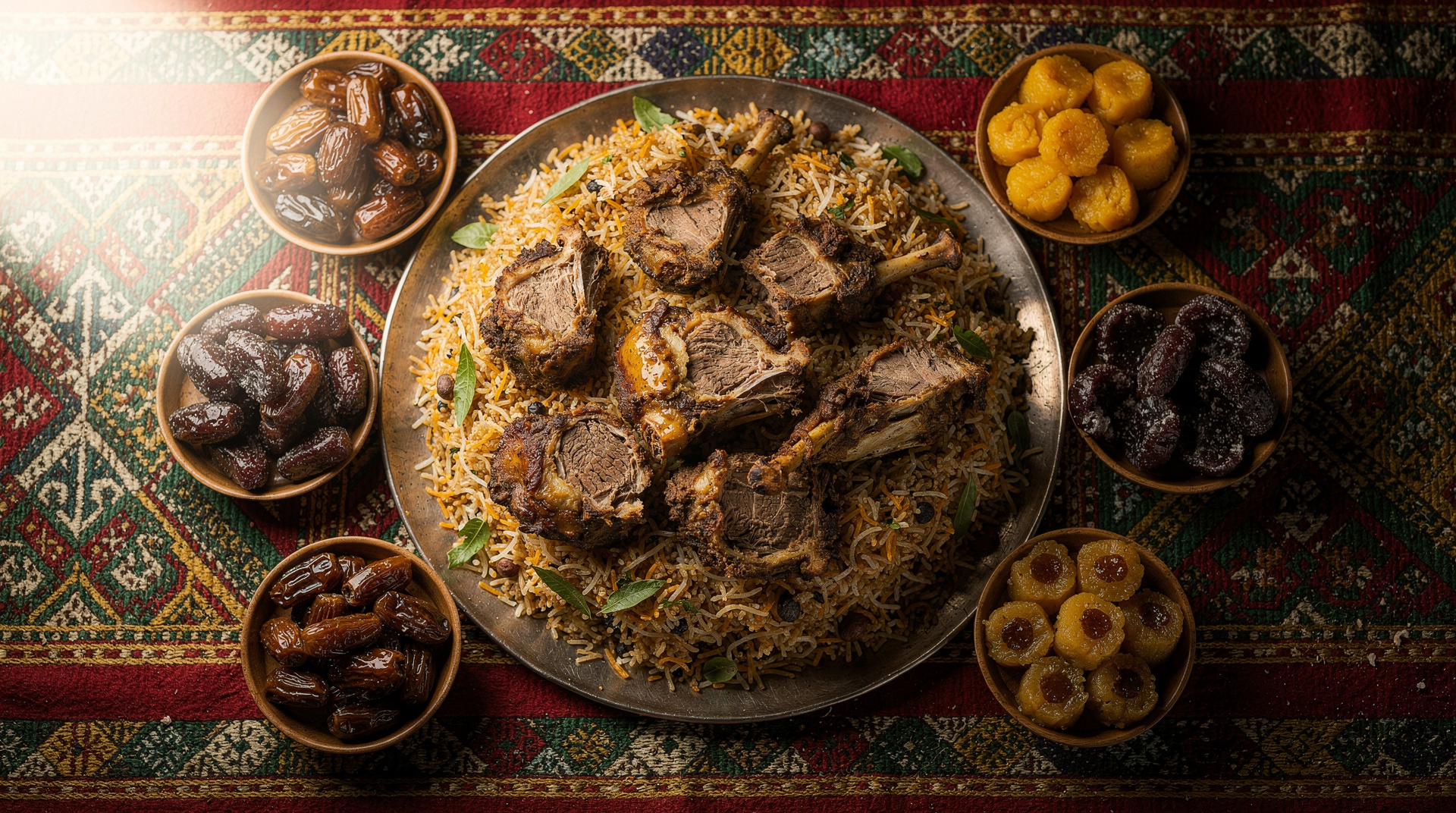
Shuwa is served with Omani rice — typically a saffron-scented preparation cooked in the meat’s own juices or in a stock made from the cooking liquid. The rice, golden and perfumed, is the essential partner that absorbs the deep flavours of the meat and its cooking liquids.
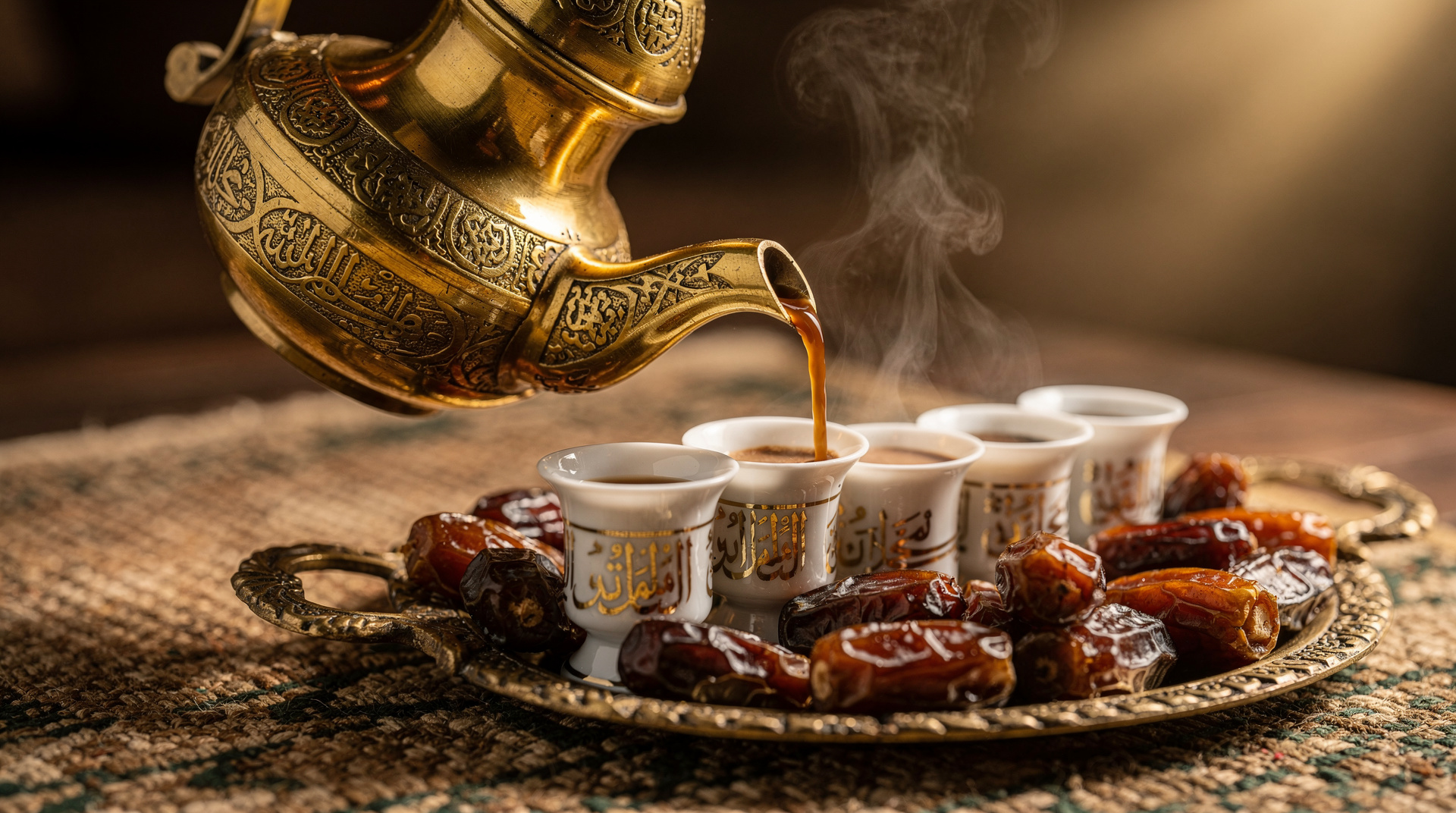
Additional accompaniments vary by family and region but commonly include: a fresh salad of diced tomato, onion, and coriander dressed with lemon and salt; a thin, spiced broth for moistening the rice; and flatbread for scooping. The sequence always ends with Omani dates and kahwa coffee — the traditional conclusion to any significant meal.
Shuwa is always eaten communally. The traditional presentation is to lay large platters of rice topped with the pulled meat in the centre of the eating space, surrounded by the accompaniments. Diners gather around the central platter and eat together, and the sharing of the meal from common platters has its own social significance.
Shuwa at Eid: The National Celebration
The most important occasion for shuwa throughout Oman is Eid al Adha — the Festival of Sacrifice. In the days before Eid, livestock markets fill with buyers selecting their animals, and the night before the holiday, preparation fires are lit across every residential neighbourhood in the country. The following morning, after the Eid prayer, the sacrificial animal is slaughtered according to Islamic ritual, and the meat is divided: a portion for the family, a portion for neighbours and friends, and a portion for those in need.
Some of the family’s portion will be prepared as shuwa. The pits, often dug and maintained in the same spot in the garden or courtyard for generations, are fired up again. By the evening of the first day of Eid — or more often by the morning of the second — the pits are opened and the celebration feast begins.
During Eid al Adha in Oman, the smell of shuwa smoke is literally in the air across every residential area of the country. If you happen to be visiting Oman during this period, you are in one of the most atmospheric possible places to experience it.
Finding Shuwa in Restaurants
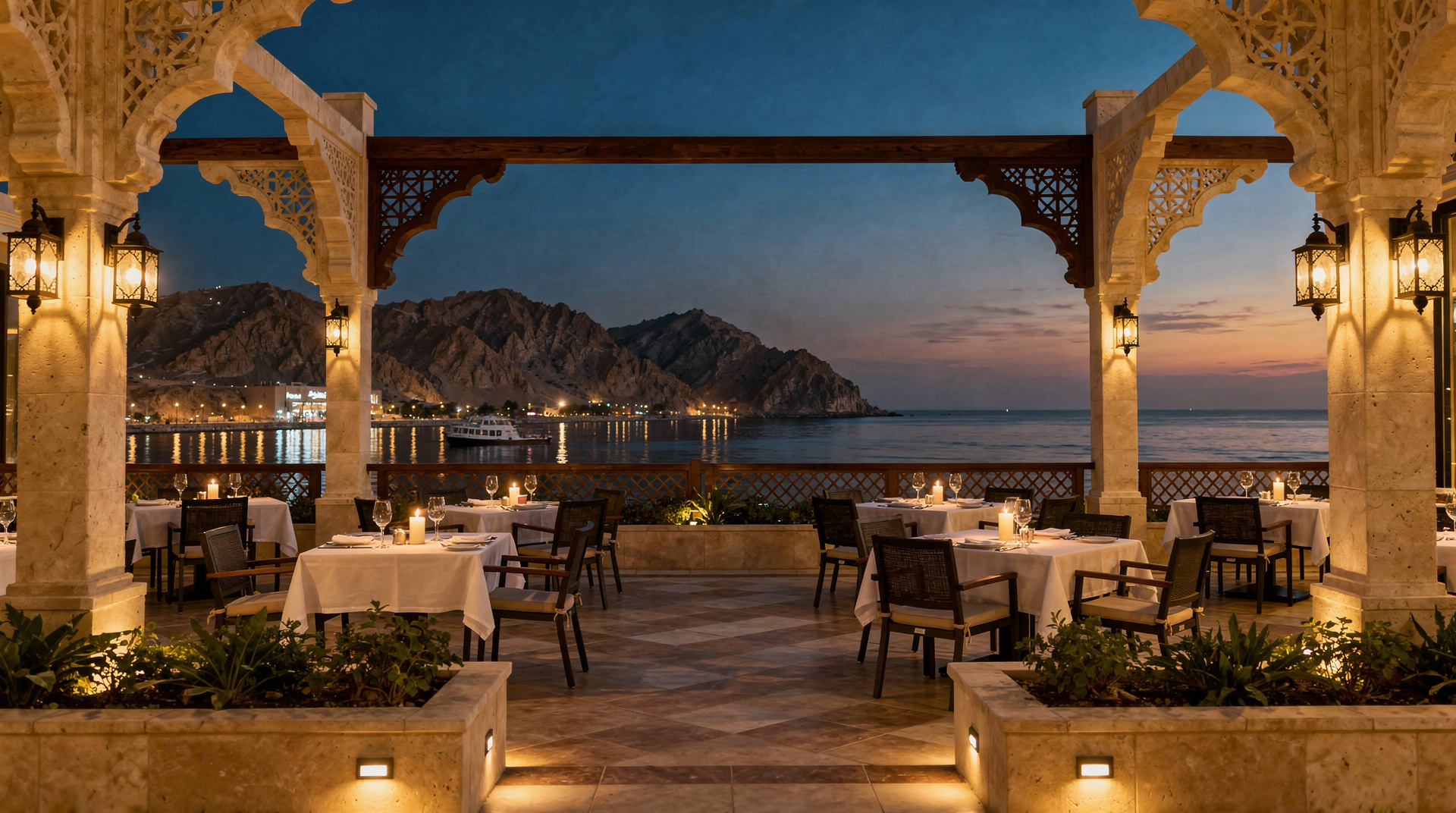
Shuwa’s long preparation time makes it challenging for restaurants to keep on the regular menu — most establishments that serve it do so only on specific days, often announced in advance, or on a pre-order basis. However, several restaurants in Muscat and elsewhere do serve excellent shuwa on a reliable basis.
For restaurant recommendations including those that serve authentic shuwa, the best restaurants in Muscat guide is the essential reference. Omani nights at hotels — where a traditional Omani feast including shuwa is prepared for guests — are another reliable way to experience it in a more controlled setting.
For visitors who want to explore Muscat’s food culture districts as a whole, a half-day Muscat city tour covering Old Town and Muttrah passes through the traditional restaurant and market neighbourhoods where shuwa and other Omani specialities are most accessible.
The most authentic shuwa, needless to say, remains that eaten at an Omani family table. If you have Omani friends or contacts, an invitation to a shuwa feast during Eid or a family celebration is an experience of the very highest order, not to be declined under any circumstances.
Shuwa Beyond Lamb: Variations
While lamb and goat are the classic choices, shuwa can also be prepared with beef or camel meat. Camel shuwa is considered a delicacy in some parts of Oman — the tough muscle of working camel meat benefits enormously from the extreme tenderising effect of the long cook, becoming remarkably mild and soft. Camel shuwa is harder to find in restaurants but appears at celebrations in the interior and southern regions.
The spice marinade used for shuwa is also applied in modified form to other preparations in Omani cooking. Slow-roasted whole fish with a shuwa-style marinade is a coastal speciality that gives a hint of the dish’s deep flavour in a more accessible format.
A Note on Respectful Participation
If you are invited to participate in shuwa preparation or to attend the opening of a pit as a visitor, consider this a significant honour. Follow your host’s lead in terms of timing, expectations, and participation. Offer to help; most hosts will decline the offer but appreciate the gesture. Eat generously and express genuine appreciation. Do not rush. Shuwa teaches patience — it is the right spirit in which to receive it. The Omani etiquette and culture guide covers the wider hospitality norms — eating with the right hand, modest dress at a family gathering, and how to graciously accept second and third helpings — that apply just as much at a shuwa feast as anywhere else in Oman.
If your visit falls during Ramadan rather than Eid al Adha, note that dining customs shift significantly: the Ramadan travel in Oman guide explains how daytime eating rules and restaurant hours change, and how the Eid al Fitr feast at the end of the month differs from the Eid al Adha shuwa tradition described here.
Travellers based in Muscat looking to build a food-focused day around shuwa and other specialities should pair a stop in Muttrah Souq with a broader look at the Muscat city guide, and those heading south should note that Dhofar’s food culture, covered in the Salalah complete guide, has its own regional variations worth trying alongside shuwa.
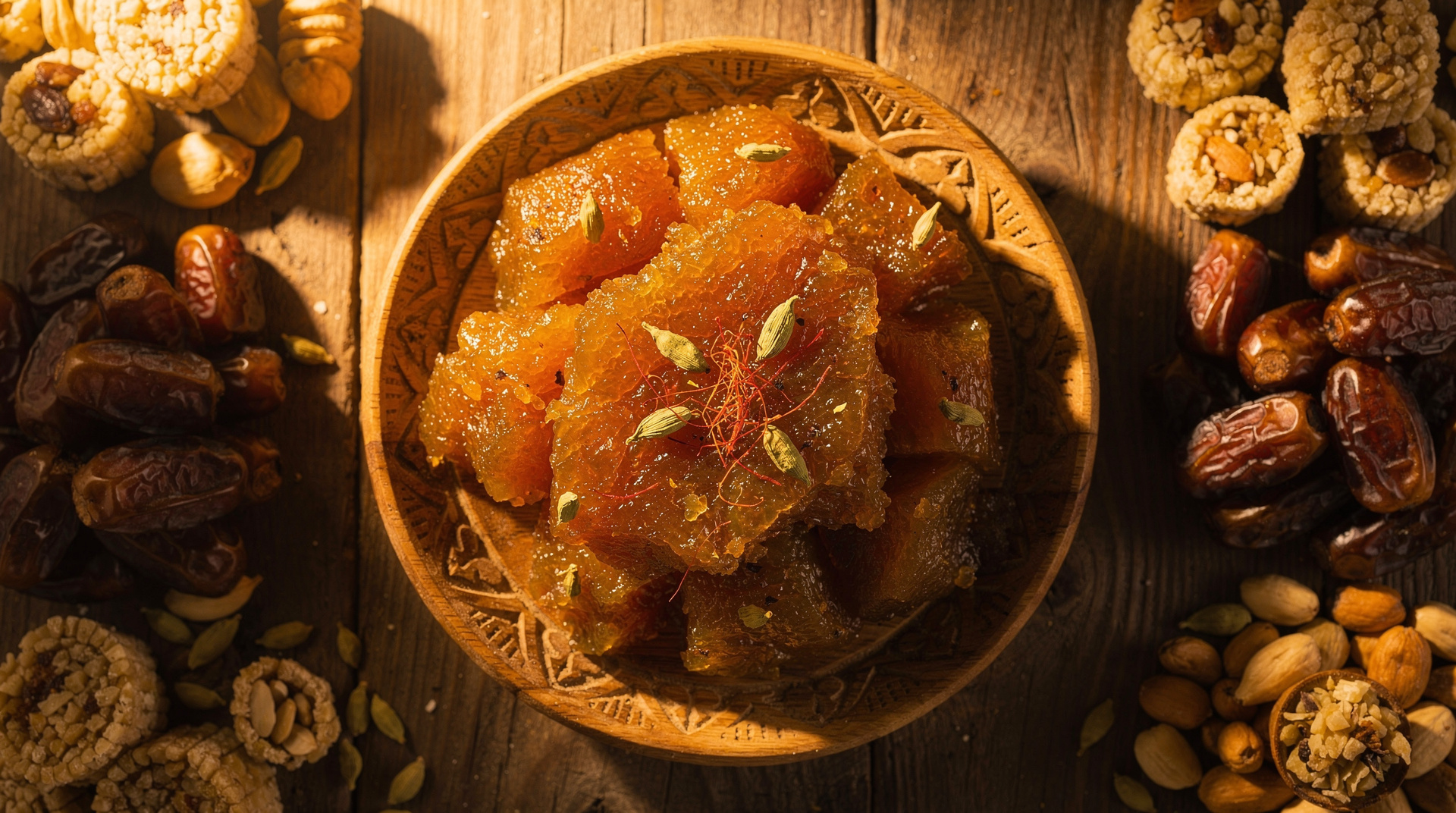
The complete Omani food guide provides broader context for understanding how shuwa fits into the wider landscape of Omani cuisine and hospitality culture. The Omani coffee culture guide explains the kahwa and halwa tradition that always concludes any significant shuwa feast.
Frequently asked questions about Shuwa: Oman’s Iconic Underground-Roasted Lamb
How long does it actually take to cook shuwa?
The minimum cooking time for shuwa in a properly prepared underground pit is 24 hours. A whole large lamb or goat will typically be cooked for 36 to 48 hours. The longer cooking period produces notably more tender and deeply flavoured results. No commercial shortcut (slow cooker, oven, etc.) produces anything more than a rough approximation of genuine pit-cooked shuwa.
Is shuwa only made with lamb?
Lamb and goat are the traditional and most common choices, but shuwa is also made with beef and camel in some regions and communities. Camel shuwa is considered a luxury preparation and is served at very large celebrations. The marinade is broadly similar regardless of the meat, though regional traditions vary.
Can I make shuwa without digging a pit?
Several Omani cooks and food writers have developed home-kitchen adaptations of shuwa using a Dutch oven, a slow cooker, or a sealed roasting pan in a very low oven (around 130 to 150 degrees Celsius for 6 to 8 hours). These preparations capture some of the spice profile of shuwa and produce genuinely good slow-roasted lamb, but the flavour of the earth and the smoke from the original charcoal fire is irreplaceable. The adaptation is worth making; just understand it as a homage rather than the real thing.
What does shuwa taste like compared to other slow-cooked lamb?
Shuwa has a depth and complexity of flavour that is distinct from any other lamb preparation. The combination of the spice marinade (particularly the dried chilli, cumin, coriander, and vinegar acid), the very long cook time, and the characteristic light smokiness from the charcoal produces something that is simultaneously intensely savoury, warmly aromatic, and silkily tender. People who try it for the first time are often surprised by how gentle it tastes, given the intensity of the spice list — the long cooking integrates everything completely.
Is shuwa served at any restaurants outside Oman?
Some Omani restaurants operating in the UAE (particularly in Dubai and Abu Dhabi) serve shuwa on specific days, typically weekends. Outside the Arabian Peninsula, it is almost impossible to find anywhere, as the preparation requirements make it impractical for commercial restaurant service. This makes it one of the most compelling food-specific reasons to actually visit Oman.
What is the difference between shuwa and barbecue?
The most fundamental difference is temperature and time. Barbecue (in the American slow-cook sense) typically involves cooking at temperatures of 110 to 130 degrees Celsius for 8 to 16 hours. Shuwa, in a sealed underground pit, cooks at even lower temperatures — the ambient heat in the sealed earth rarely exceeds 100 degrees — for significantly longer. The result is a different texture and flavour profile. The spice dimension also differentiates them completely: the aromatic Indian Ocean spice profile of shuwa is radically different from the North American barbecue tradition of sugar, smoke, and heat.
Can I watch a shuwa pit being opened as a tourist?
It is possible if you have a genuine local connection or are staying somewhere that arranges an Omani cultural evening with a real pit rather than an oven simulation — ask specifically when booking. Simply turning up uninvited to observe a family occasion is not appropriate; this is a private, often deeply personal celebration, and any access should come through a genuine invitation or an organised cultural experience designed for visitors.