Top 10 Wadis in Oman: Best Canyon Pools and Hikes
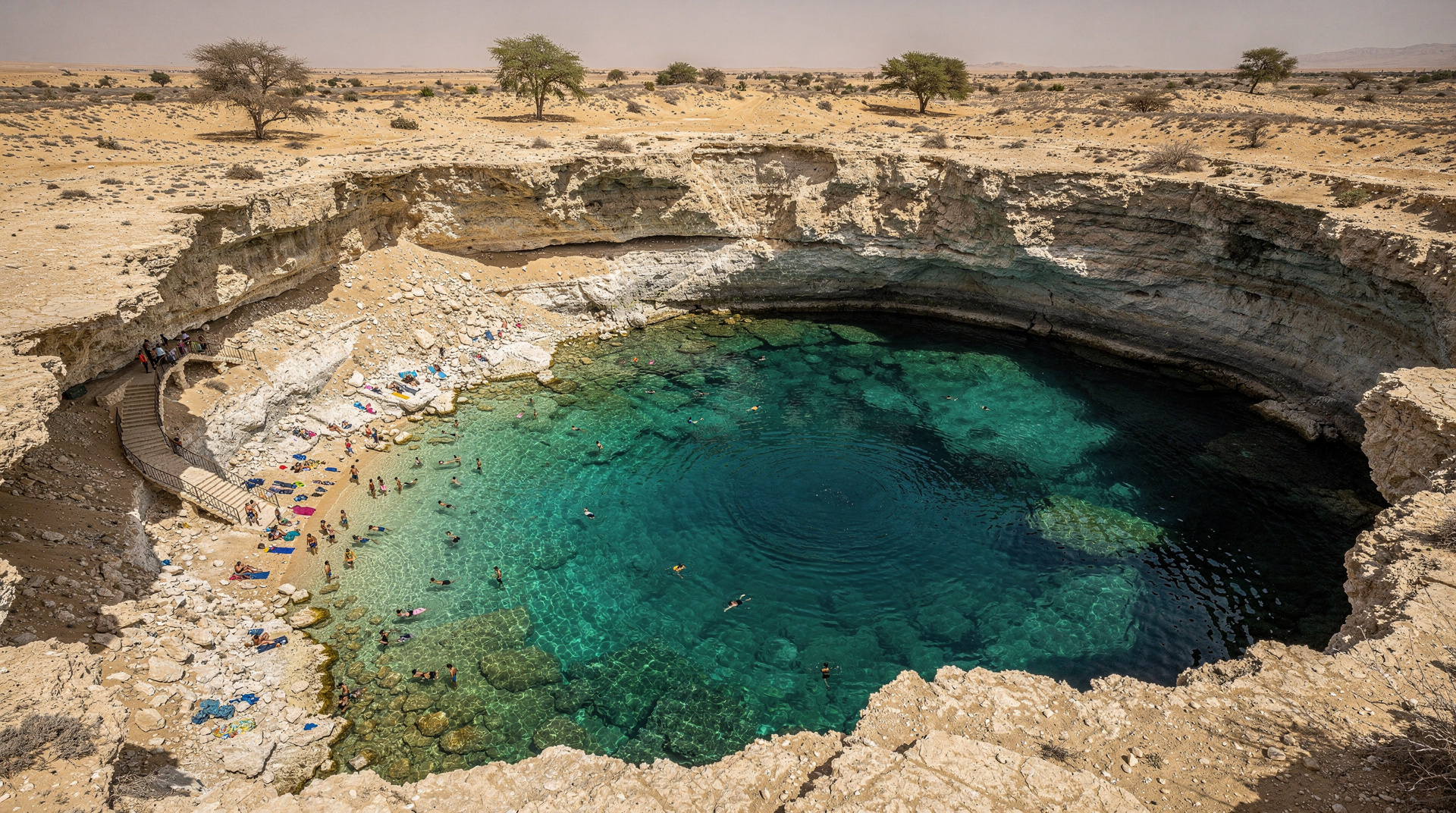
From Muscat: Wadi Shab and Bimmah Sinkhole full-day tour
Duration: 10 hours
- Free cancellation
- Hotel pickup
- Best seller
What is the most famous wadi in Oman?
Wadi Shab is the most visited wadi in Oman, famous for its turquoise pools hidden inside a cave. Wadi Bani Khalid is a close second for its year-round access and lush palm groves.
Oman’s wadi world: what to expect
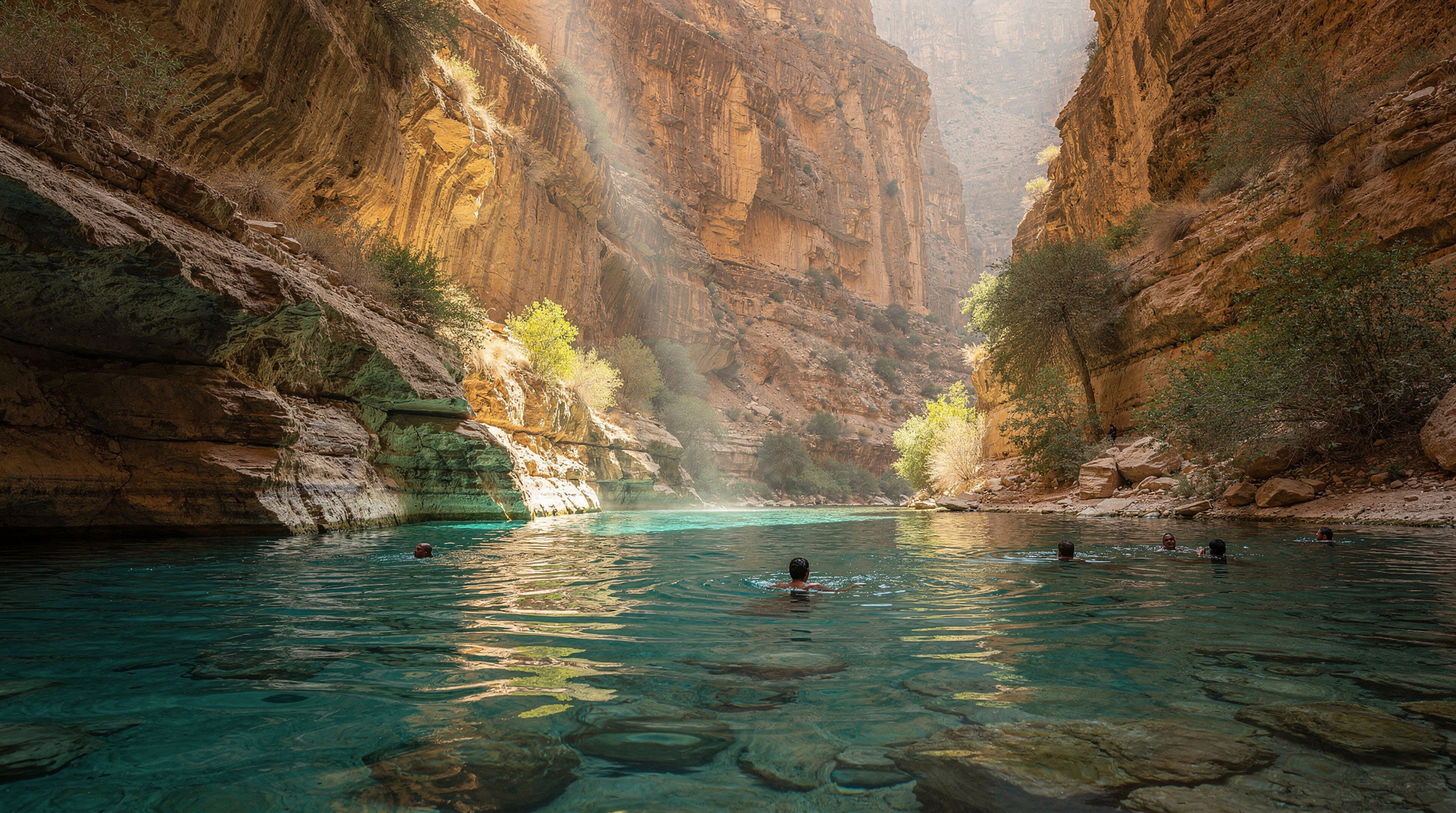
Oman is a country defined by its wadis. These seasonal riverbeds — carved through limestone, granite, and sandstone over millennia — are the lifeblood of the country. After winter rains, they fill with crystal-clear water ranging from pale aquamarine to deep turquoise. Even in drier months, many retain permanent pools sheltered from evaporation by towering canyon walls.
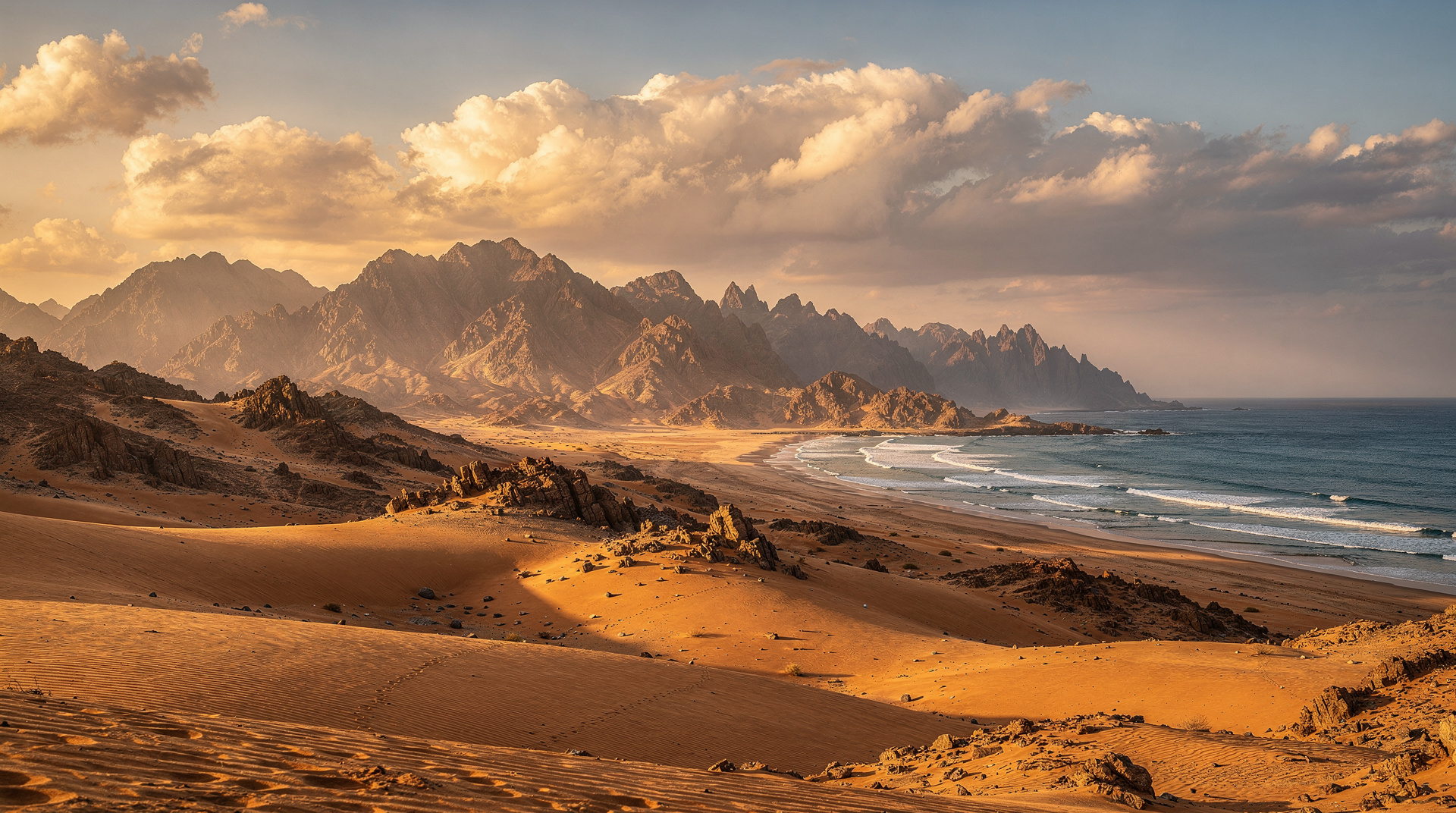
A wadi visit in Oman is unlike anything else in the Gulf. You wade through ankle-deep streams, scramble over boulders, and sometimes swim through narrow gorges to reach hidden caverns. The contrast with the surrounding desert is staggering — a flash of green palms, the sound of running water, and the cool relief of shade in a country that bakes at 45°C in summer.
This list covers the ten wadis that genuinely deliver — ranking them by accessibility, scenery, swimming quality, and overall experience.
| At a glance | |
|---|---|
| Where | Mostly the Eastern Hajar Mountains near Sur, plus the Al Hamra/Rustaq mountain wadis |
| Cost | Free to enter at most wadis; small fees apply at Wadi Shab (boat crossing) and Wadi Bani Khalid (entry) |
| Time needed | Around 2–4 hours per wadi including the hike or swim |
| Getting there | Regular car for the coastal wadis (Shab, Tiwi, Bani Khalid); 4x4 required for Bani Awf, Damm, and Ghul |
| Best time | October–April for water levels and comfortable hiking; avoid entering after rain due to flash flood risk |
1. Wadi Shab
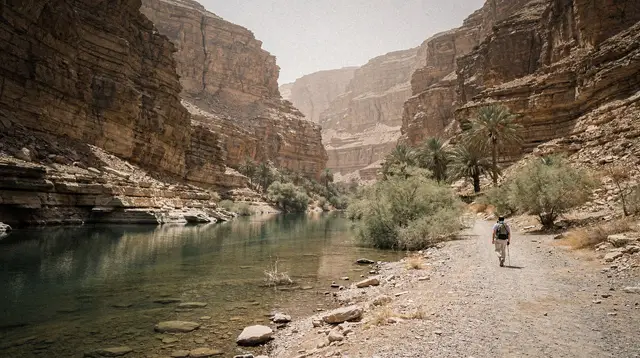
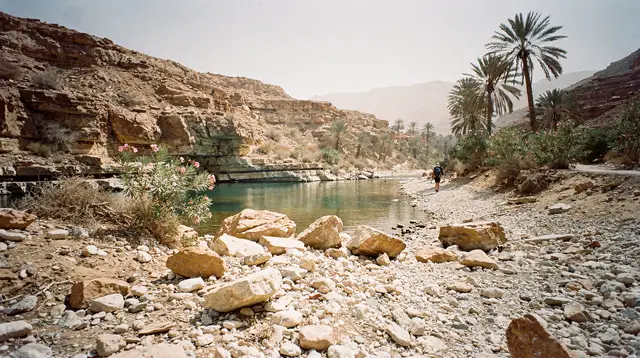
Wadi Shab is Oman’s most iconic wadi, and it earns that title every time. Located about 140 km south of Muscat near Sur, it requires a short boat crossing (1 OMR) before you begin a 45-minute hike through a canyon strung with date palms and emerald pools.
The payoff is extraordinary: a narrow slot in the rock that leads to a cave with a hidden waterfall and a pool of extraordinary blue-green water. You swim through darkness to reach it. It is one of the most theatrical moments in any Oman itinerary.
If Wadi Shab is the centrepiece of your trip, read the complete Wadi Shab guide before you go. It walks through the route in more detail, and the Bimmah Sinkhole guide covers the other half of the usual day. Arriving early, travelling light and keeping your phone in a dry bag will make the swim far more enjoyable. The cave itself is dark and atmospheric, so take your time and let your eyes adjust.
The full-day tour from Muscat typically combines Wadi Shab with the Bimmah Sinkhole. Book your spot via GetYourGuide’s Wadi Shab full-day tour if you don’t have a rental car — hotel pickup included.
2. Wadi Bani Khalid
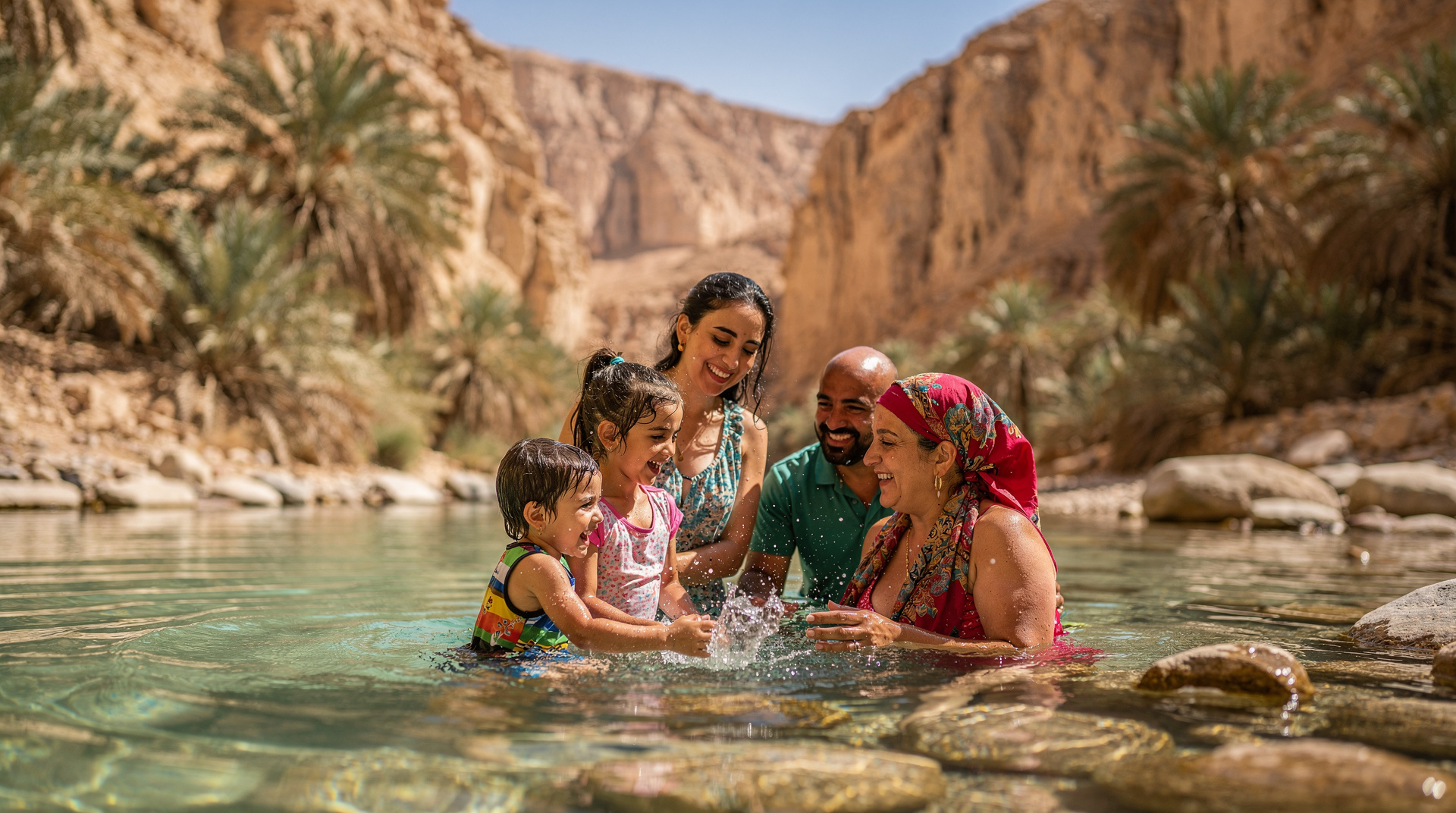
Year-round water makes Wadi Bani Khalid the most reliably swimmable wadi in Oman. Set in the Eastern Hajar Mountains about 200 km from Muscat, it features a series of terraced pools fringed by palms and flanked by rust-red cliffs.
Facilities here are better than at most wadis — cafes, changing rooms, and even inflatable floats for rent. The inner gorge requires some scrambling but is manageable for most fitness levels. This is the wadi to choose if you want guaranteed swimming and family accessibility.
See our guide to the Wahiba Sands and Wadi Bani Khalid day trip for itinerary ideas combining the two.
3. Wadi Tiwi
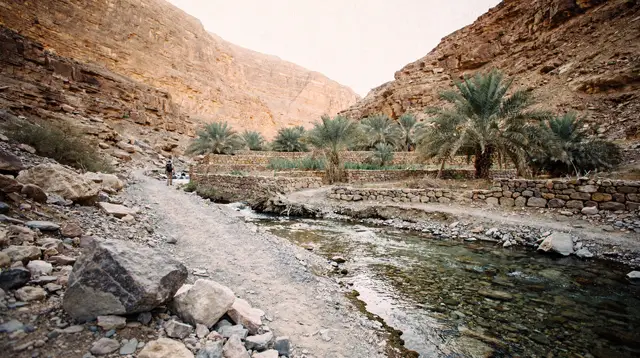
Often overshadowed by its famous neighbour Wadi Shab, Wadi Tiwi sits just a few kilometres up the coast and rewards those who make the detour. It is longer, greener, and significantly less crowded. Terraced villages cling to the canyon walls, and the road penetrates deep into the mountains past orchards of bananas, mangoes, and limes.
The lower section is accessible by regular car; the upper reaches demand 4WD. Swimming is excellent at multiple points. Combine it with a visit to Fins Beach — one of Oman’s most beautiful snorkelling spots — via this full-day Wadi Tiwi adventure.
4. Wadi Bani Awf (Snake Canyon)
For adventurers, Wadi Bani Awf is the ultimate Oman wadi. Nicknamed Snake Canyon for its sinuous limestone gorge, this route involves genuine canyoning — jumping into pools, squeezing through narrow passages, and abseiling in some sections. It is not for the unprepared.
The approach from Al Hamra or Rustaq winds through the Al Hajar range past ghost villages and ancient watchtowers. The scenery is among the most dramatic in Oman. A 4WD is essential and a guide is strongly recommended.
Our Wadi Bani Awf off-road guide describes the drive in detail, and the Snake Canyon canyoning guide explains what the canyoning itself involves. Read both before deciding whether to go independently or with an operator. The villages along the approach are also worth a stop, and the Al Hamra and Misfat villages guide suggests how to spend time there.
5. Wadi Ghul (Grand Canyon of Oman)
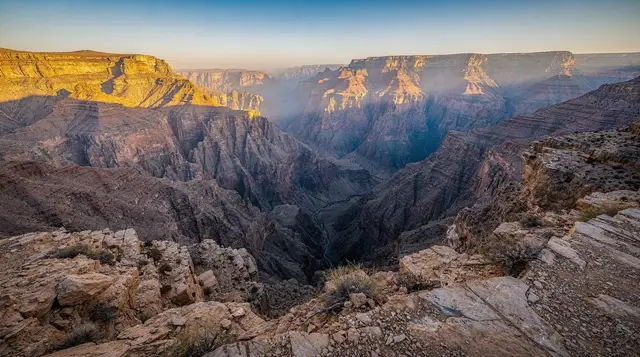
Technically a canyon rather than a water-filled wadi, Wadi Ghul near Jebel Shams drops 1,000 metres into the earth — earning its nickname as the Grand Canyon of Oman. The views from the balcony walk are breathtaking, and the abandoned village of Ghul on the opposite rim adds an eerie, unforgettable dimension.
You don’t swim here, but the hiking and photography make it mandatory. The Jebel Shams day trip from Muscat covers both the canyon and the summit plateau.
For a closer look at the rim itself, the Jebel Shams balcony walk guide explains the path along the edge, and the Jebel Shams destination page helps you decide how long to stay in the area. Walk slowly near the edge, keep children close, and take photographs from a safe distance from the drop.
6. Wadi Damm
One of Oman’s most photogenic and least-visited wadis, Wadi Damm in the Al Batinah region features multi-coloured rock formations — stripes of ochre, rust, purple, and green. The pools are smaller than Wadi Shab, but the geology is extraordinary and the solitude is real.
A 4WD is needed for the approach, and most visitors are Omani families or in-the-know expats. If you find it empty on a weekday morning in winter, count yourself lucky.
7. Wadi Bani Habib
Perched on the terraced slopes below Jebel Akhdar, this wadi is more of a walk through a historic landscape than a swimming destination. The ghost village of Bani Habib — abandoned in the 1960s — clings to the cliff face above, its stone houses slowly dissolving back into the mountain. Rose gardens, pomegranate trees, and ancient falaj irrigation channels line the path.
For Jebel Akhdar, this full-day private trip from Muscat to Nizwa and Al Jabal Akhdar is a close alternative.
8. Wadi Fins
Tucked between Wadi Shab and the coast near Sur, Wadi Fins flows into the sea at Fins Beach — a stretch of white sand backed by mountains that rivals the Mediterranean for beauty. The wadi walk through the lower gorge is short but scenic, and the beach itself is one of the best snorkelling spots in Oman.
The combination of freshwater wadi, beach, and reef in one location makes this a standout even among tough competition.
9. Wadi Al Arbeieen
Near Izki in the Al Dakhiliyah region, Wadi Al Arbeieen is a hidden gem that sees relatively few tourists. Its name means “of the forty,” referring to forty springs that emerge along its length. The water is exceptionally cold and clear, the palms dense, and the atmosphere serene.
Access is straightforward by regular car. The falaj system here is ancient and well-preserved — a glimpse into centuries of water management in the Arabian desert.
10. Wadi Sahtan
The drive into Wadi Sahtan from Rustaq is itself an attraction — a mountain road that winds through hairpin bends to reveal terraced fields, beehive tombs dating back 4,000 years, and views across the Hajar range. The lower pools are accessible for swimming in winter and spring.
This wadi is best visited as part of a loop from Muscat combining Rustaq Fort, the hot springs of Ain Al Kasfa, and the Batinah plains.
Treat Wadi Sahtan as a slow day rather than a quick stop. The pleasure lies in the drive, the viewpoints and the villages along the way, so build in time to stop, walk a little and take in the terraces. If you are planning a longer journey around the country, the Oman road trip planning guide shows how a wadi loop can fit into a wider route, and the renting a car in Oman guide explains what to check before you collect a vehicle.
How we chose this list
Selection criteria focused on four factors: swimming quality (pool colour, depth, and reliability), hiking experience (variety of terrain and scenic reward), accessibility (road conditions and distances from Muscat), and uniqueness (geology, flora, cultural context). Wadis requiring extreme technical skill or that only hold water for a few weeks per year were excluded in favour of destinations that reliably reward a visit.
Which wadi is right for you?
If you want the classic Oman wadi experience, Wadi Shab is non-negotiable. If you have children or limited mobility, Wadi Bani Khalid offers the easiest access with excellent swimming. For serious hikers and adventurers, Wadi Bani Awf and Wadi Ghul demand the most but return the most. If you have a week and a 4WD, try to combine Wadi Shab, Wadi Tiwi, Wadi Bani Khalid, and Wadi Ghul into a circuit of the Eastern Hajar — it makes for one of the best road trips in the entire Middle East.
See our best time to visit Oman guide and Oman budget guide before you plan your wadi circuit.
Wadi safety and swimming conditions compared
| Wadi | Swimming reliability | Difficulty | Best paired with |
|---|---|---|---|
| Wadi Shab | Excellent year-round | Moderate, one boat crossing | Bimmah Sinkhole |
| Wadi Bani Khalid | Excellent, most reliable | Easy | Wahiba Sands |
| Wadi Tiwi | Good, quieter pools | Moderate | Fins Beach |
| Wadi Bani Awf | Technical, guide recommended | Hard, canyoning skills needed | Al Hamra villages |
| Wadi Ghul | No swimming, viewpoint only | Easy walk, dramatic drop | Jebel Shams summit |
Staying safe: flash floods and swimming sense
The single biggest risk in Omani wadis is not the hiking terrain but flash flooding — a storm system in the mountains many kilometres upstream can send a wall of water down a canyon that was dry moments before, even under a clear blue sky at the entrance. Before entering any wadi, check the Omani meteorological service’s forecast and avoid entry entirely if rain is forecast anywhere in the surrounding mountains, not just at the wadi itself. Local authorities close access to the highest-risk wadis, including Wadi Bani Awf’s Snake Canyon section, during active flood warnings — heed any barriers or closures without exception.
Away from flood risk, most wadi swimming is straightforward, but currents inside narrow slot sections (as at Wadi Shab’s cave swim) can be stronger than they look, and rocks underfoot are often slick. Modest swimwear — a rash guard or t-shirt over a swimsuit — is both culturally appropriate and practical against sun and rock scrapes. For those wanting a structured introduction to swimming technique and etiquette in these settings, our swimming in wadis guide covers the basics in more depth, and the comparing Oman’s wadis piece breaks down which wadi suits which fitness level.
Frequently asked questions about Top 10 Wadis in Oman: Best Canyon Pools and Hikes
When is the best time to visit wadis in Oman?
October to April is ideal — water levels are high after seasonal rains and temperatures are comfortable. Avoid summer (June–September) when flash floods are possible and heat is extreme.Do I need a 4WD to visit Oman's wadis?
Most popular wadis like Wadi Shab and Wadi Bani Khalid are accessible by regular car. Wadis like Wadi Ghul, Wadi Bani Awf, and Wadi Damm require a 4WD vehicle.Is swimming safe in Oman's wadis?
Generally yes at established spots, but check weather conditions upstream before entering. Flash floods can occur with no warning even on sunny days. Avoid swimming after rain in the mountains.Are wadis in Oman free to visit?
Most wadis are free to enter. Some, like Wadi Shab, charge a small boat crossing fee (around 1 OMR per person). Guided tours are available from Muscat for the most popular wadis.What should I bring for a wadi hike?
Quick-dry clothing you don't mind swimming in, sturdy water shoes with grip for wet rock, a dry bag for your phone and valuables, and plenty of water. Modest swimwear is advisable — cover-ups over swimsuits are appreciated at busier wadis with local family visitors.Can you combine several wadis in one trip?
Yes — Wadi Shab, Wadi Tiwi, and the Bimmah Sinkhole sit close together on the coast road south of Muscat and are commonly combined in a single long day. Wadi Bani Khalid pairs naturally with a Wahiba Sands desert stop further inland.
Top experiences
Bookable activities with verified prices and instant confirmation on GetYourGuide.
 📍 Wadi Shab
 Explore Wadi Shab: hike and swim in paradise
- Free cancellation
- Pickup included
- Small group
 📍 Wadi Shab
 From Muscat: Wadi Shab and Bimmah Sinkhole full-day tour
- Free cancellation
- Hotel pickup
- Best seller
 📍 Wadi Tiwi
 Muscat: Wadi Tiwi adventure, Fins Beach, and Bimmah Sinkhole
- Free cancellation
- Hotel pickup
- Small group
 📍 Jebel Shams
 Jebel Shams (day trip): the Grand Canyon of Oman
- Free cancellation
- Hotel pickup
- Small group
 📍 Nizwa
 Muscat: explore Nizwa Fort and Souq + Jebel Akhdar
- Free cancellation
- Hotel pickup
- English guide