Oman for Digital Nomads: WiFi, Coworking, and Cost of Living in 2025
Is Oman a Realistic Destination for Remote Workers?
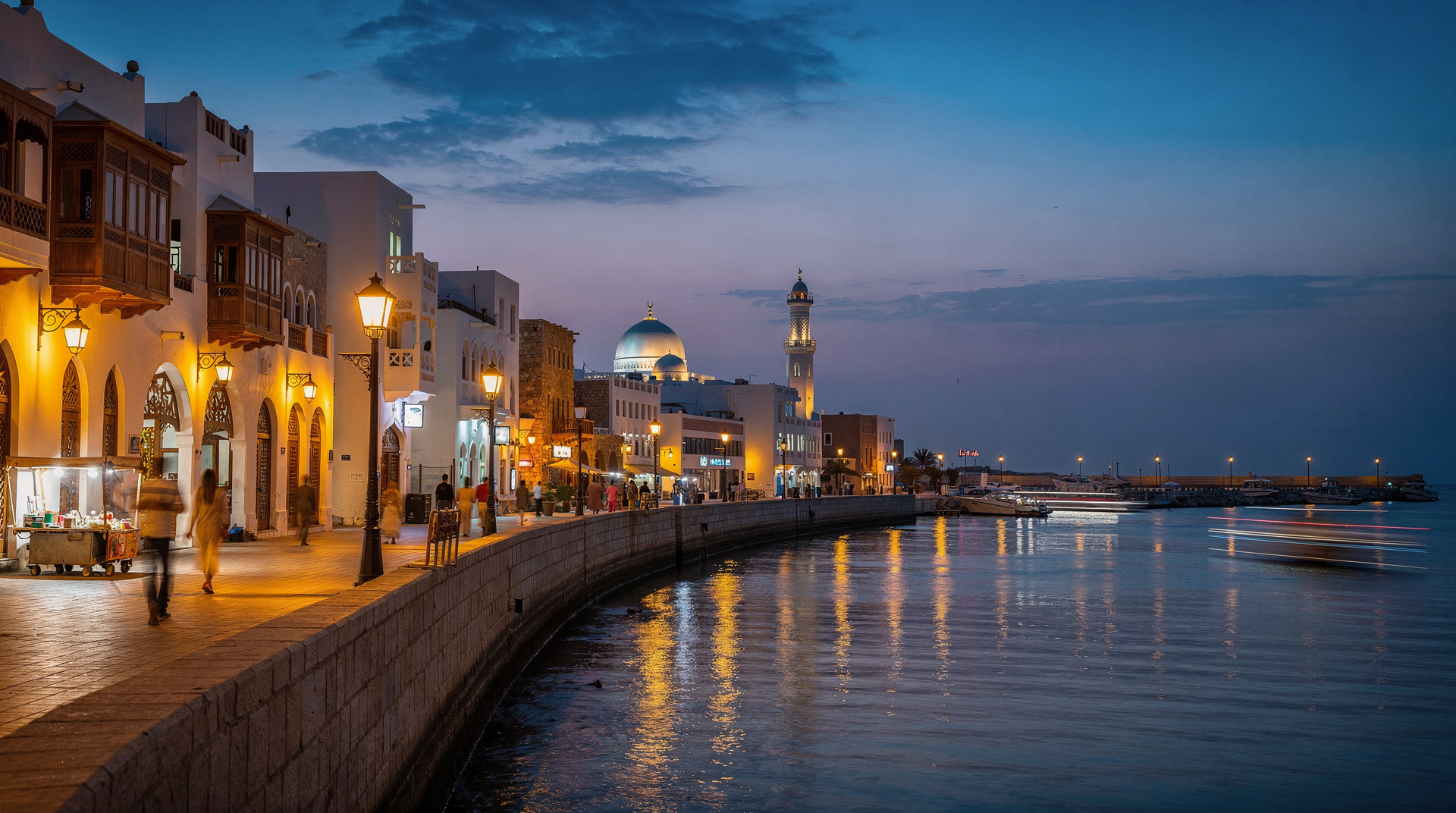
The short answer is yes — with caveats that matter. Oman has several genuine advantages for remote workers: high internet penetration, relative political stability, low crime rates, genuine cultural depth, and remarkable natural landscapes within striking distance of the capital. It also has limitations: a modest coworking infrastructure compared to Southeast Asian or Eastern European nomad hubs, high costs in some categories, and a visa situation that requires planning.
This guide covers the practical reality of working remotely from Oman in 2025, based on the on-the-ground situation in Muscat and the secondary cities.
At a Glance
| Where | Muscat is the realistic base; secondary cities have far less infrastructure |
| Cost | Around 650-1,500 OMR per month depending on lifestyle (see budget breakdown below) |
| Visa | 30-day tourist e-visa, extendable; no dedicated digital nomad visa yet |
| Internet | 100-300 Mbps fibre in modern Muscat apartments; solid 4G/5G in the capital |
| Best time | October-April for comfortable outdoor hours around the working day |
Internet Connectivity: Better Than You Expect
Oman’s internet infrastructure has improved significantly over the past five years. The country’s two main operators — Ooredoo and Omantel — both offer reliable 4G coverage across Muscat and major urban areas, with 5G rollout underway in the capital.
Fixed-line broadband: In Muscat, furnished apartments with fibre connections are common. Download speeds of 100–300 Mbps are standard in modern residential buildings. The coverage in the older Muttrah and Ruwi neighbourhoods is less consistent but still generally adequate for video calling and standard remote work.
Mobile data: A tourist SIM from Ooredoo or Omantel, available at Muscat International Airport and any operator shop, provides solid 4G data for the duration of a short stay. Packages of 50GB for around 5–8 OMR are available. 4G signal is reliable throughout Muscat, the Batinah coast, and the major interior towns.
Rural and remote areas: Connectivity drops significantly outside urban centres. Mountain wadis, desert areas, and the Musandam peninsula all have patchy or no signal. Plan your working days around city bases if consistent connectivity is required.
VPN considerations: Some VoIP services are restricted by Omani operators, including WhatsApp calling in certain configurations. A reliable VPN resolves most connectivity restrictions and is strongly recommended for remote workers. Download and configure your VPN before arriving, as VPN service websites are sometimes inaccessible from within Oman.
Coworking Spaces in Muscat
Muscat’s coworking scene is smaller than you might hope for a capital city of its size, but it exists and continues to grow. Options in 2025 include:
IdeaHub Oman: One of Muscat’s most established coworking spaces, located in the Al Khuwair area near the ministries district. Hot desks, private offices, and event space are available on daily, weekly, or monthly basis. Reliable WiFi, printing, and meeting room access. Pricing around 5–8 OMR per day for hot desks.
Nwad Space: A smaller coworking community-oriented space with a startup-friendly atmosphere. Regular networking events connect you with local entrepreneurs and the small but active Muscat tech community.
Co-Working by Wave: Located in the Qurum area near the beach, this space caters to freelancers and small teams. Good coffee, reasonable daily rates, and proximity to restaurants and retail.
Hotel lobbies and business centres: Several of Muscat’s international hotels — particularly the Intercontinental, Grand Hyatt, and Kempinski — have business centres or lobby areas that function as de facto coworking environments. Not the cheapest option, but the WiFi tends to be excellent and the coffee is good.
Cafes: The cafe-as-office culture is developing but not fully established in Muscat. Some cafes are welcoming of laptop workers; others less so. Coffeeway and Arabica branches in the Qurum and Al Mouj areas are generally laptop-friendly during off-peak hours.
If you are planning an extended stay focused on productivity, securing a furnished apartment with reliable home internet and using coworking spaces for meetings and social interaction is more practical than relying on coworking as your primary workspace.
Cost of Living: Where It Is High and Where It Surprises
Oman is not a budget destination, but it is also not as expensive as Dubai or Abu Dhabi in all categories. Understanding where costs concentrate helps with realistic budget planning.
Accommodation
Muscat housing costs are the largest budget item for most remote workers. Options:
Furnished apartments (short-term): Studios and one-bedroom furnished flats in the Qurum, Madinat al Sultan Qaboos, and Al Mouj (The Wave) areas run from 400–700 OMR per month. Modern, well-equipped, typically including utilities and WiFi in the price.
Serviced apartments: Available from 50–120 OMR per night, with weekly discounts. Good for stays of two to four weeks.
Hotels: Budget hotels in the Ruwi area from 20–35 OMR per night. Mid-range hotels in better locations run 50–100 OMR. Luxury properties (Grand Hyatt, Shangri-La) from 100–200 OMR.
Airbnb availability has grown in Muscat but remains more limited than in major European or Southeast Asian nomad destinations.
Food and Eating
This is where Oman can be surprisingly affordable if you eat the way residents eat.
Local Omani and South Asian restaurants: A full meal at a small Omani restaurant or Indian/Pakistani establishment in Ruwi or Muttrah runs 1.5–3 OMR. This is genuinely excellent food — biriyani, majboos, grilled fish, daal — at very low price points.
Mid-range international restaurants: Main courses 5–12 OMR. A dinner for two with soft drinks at a decent restaurant runs 20–35 OMR.
Supermarkets: Lulu Hypermarket and Carrefour are well-stocked with international products. Fresh produce, dairy, and packaged goods are broadly similar in price to European supermarkets. Imported products carry premiums.
Alcohol: Available at licensed hotel restaurants and a small number of permitted retail outlets. Prices are high by global standards — beer around 3–5 OMR per bottle at a hotel bar. Budget accordingly if this is a factor for you.
Transport
Petrol in Oman is government-subsidised and cheap by international standards. Renting a car is the most practical way to get around Muscat given the city’s spread.
Car rental: 12–25 OMR per day for a sedan from reputable agencies. Fuel: Approximately 0.19 OMR per litre (Super 91). A full tank of a mid-size car costs under 10 OMR. Taxis and ride-hailing: 3–8 OMR for typical cross-city journeys. No public bus system of meaningful coverage for most remote worker needs.
Monthly Budget Estimates
Budget remote worker (Ruwi area, eating locally, minimal social spending): 650–900 OMR per month.
Comfortable mid-range (Qurum area apartment, mixed eating, occasional activities): 1,000–1,500 OMR per month.
Comfortable with international lifestyle (Al Mouj or similar, regular restaurants, gym, activities): 1,800–2,500 OMR per month.
Where to Base Yourself: Neighbourhood Comparison
| Area | Vibe | Best for |
|---|---|---|
| Qurum | Central, beach-adjacent, restaurants and cafes | Most remote workers; good balance of cost and convenience |
| Al Mouj (The Wave) | Modern marina development, higher-end | Those wanting a resort-like, walkable base |
| Muttrah / Ruwi | Old-city, budget, less polished infrastructure | Short stays on a tight budget, cultural immersion |
| Madinat al Sultan Qaboos | Diplomatic quarter, quiet, near Opera House | Longer stays prioritising quiet over nightlife |
For weekend breaks from your workspace, our Muscat weekend itinerary covers the city’s essential sights, and the complete packing checklist is useful for balancing work gear with weekend adventure kit.
Weekend and Downtime Options Near Muscat
Part of Oman’s appeal as a remote work base is how much sits within a half-day’s drive of the capital. Wadi Shab and the eastern coast are roughly 90 minutes away and make an easy Friday escape given Oman’s Friday-Saturday weekend. The Wahiba Sands desert is two to three hours out for an overnight reset, and Nizwa in the interior offers a full day of forts, souqs, and mountain villages without needing a 4x4 for the main sights. Longer-staying nomads often use one weekend a month for a genuine trip rather than treating Oman purely as an office with a beach attached — it is one of the country’s real advantages over more urban nomad hubs.
Visa Options for Remote Workers
Oman’s visa options for remote workers improved significantly with the introduction of the Freelance Visa and enhanced tourist visa policies, though the situation continues to evolve.
Tourist Visa (30 days, extendable): The most common approach for shorter stays. Available on arrival or as e-visa for most Western passport holders. Extendable at the Directorate General of Passports in Muscat. Many nomads operate on tourist visas with periodic border runs to the UAE, though this is not officially sanctioned for long-term work.
Annual Multiple-Entry Tourist Visa: Available for multiple nationalities, permits stays of up to 30 days per entry. Allows periodic departures and returns over a 12-month period.
Investor and Company Registration: For those establishing a genuine presence in Oman, registering a company through the Ministry of Commerce allows long-term residency and a formal legal basis for working in-country.
Pending developments: Oman has been reported to be working on a formal digital nomad visa programme, following the example set by several regional and global competitors. Check the Royal Oman Police visa portal for current status before planning a long-term stay based on new visa categories.
Lifestyle Realities: The Good and the Challenging
The Good
Safety: Muscat consistently ranks among the safest cities in the world. Street crime is extremely rare. Women report feeling safe walking alone at night in tourist and residential areas. This contributes meaningfully to quality of life for remote workers, particularly those travelling solo.
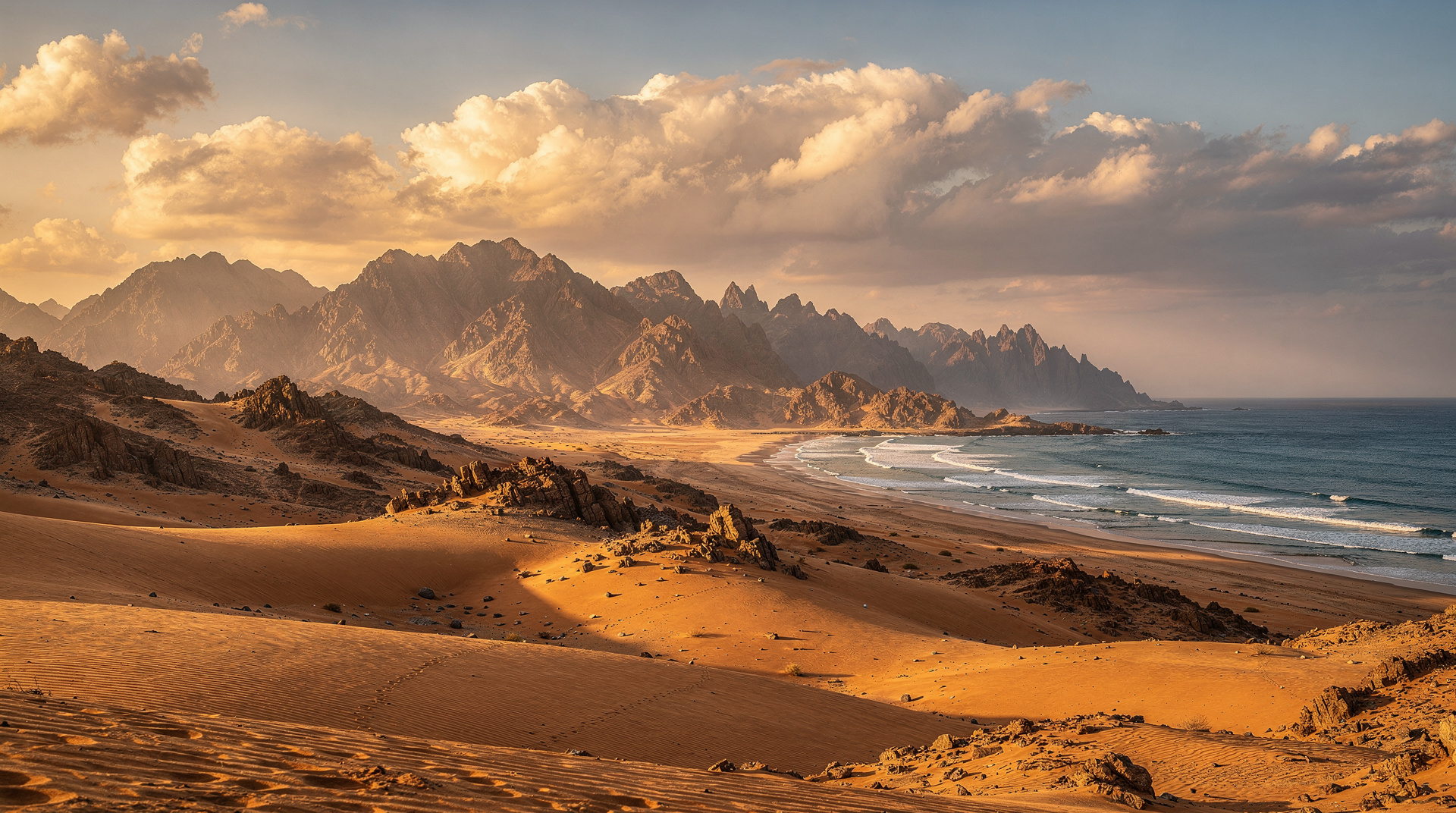
Natural environment: The ability to drive 90 minutes from Muscat and be in a dramatic wadi canyon, or two hours to be in the desert, is genuinely unusual for a capital city. Weekends in Oman have texture that purely urban nomad bases do not offer.
Warm weather for most of the year: For those who find cold European winters depressing, Oman’s October–April season offers consistent warmth and sunshine. Even summer, while extreme, is negotiable with indoor work environments and early morning outdoor activity.
Cultural depth: Oman is a genuinely interesting country culturally — the frankincense heritage, the Ibadi Islamic tradition distinct from both Sunni and Shia orthodoxy, the seafaring history. Engagement with that culture is available to visitors who seek it and makes Oman a more sustaining destination than the beach-and-cowork model some nomad locations offer.
Low crime: Left your laptop bag on a cafe table by accident? In Muscat, there is a realistic chance it is still there. This level of ambient safety is not universal in nomad destinations and matters more than many people acknowledge until they experience its absence.
The Challenging
Social connections: Muscat’s expat community is real but stratified — long-term corporate expats in gated compounds, South Asian labour workforce, Omani citizens in their own social networks. The organic backpacker-and-nomad social scene that makes Lisbon or Chiang Mai immediately welcoming does not exist in the same form. Building social connections takes more deliberate effort.
Nightlife limitations: If a vibrant evening social scene is important to your work-life balance, Muscat will disappoint. Alcohol is available but not central to social life. Most restaurants close by 11:00. The culture is family-oriented and relatively conservative after dark.
Heat: May through September in northern Oman is genuinely limiting for outdoor life. If you value the ability to sit outside and work, or to exercise outdoors at any time of day, summer months in Muscat will restrict you to early mornings and evenings.
Bureaucracy: Visa extensions, banking, and residency paperwork in Oman can be slow and opaque. The country is improving in this regard, but patience is required.
Limited dietary options for specific needs: Vegans will find Oman challenging. Alcohol-free social life is the norm rather than a specialised option.
Is Oman Right for Your Remote Work Trip?
Oman works well as a remote work base for someone who values safety, genuine cultural immersion, dramatic natural landscape access, and a slower, more contemplative pace than typical nomad hotspots. It is a particularly good fit for those who travel solo and prioritise personal security, nature-based weekend activities, and a Muslim-world cultural experience.
It is less suited to those who prioritise a ready-made social scene, cheap costs across all categories, or a highly developed nomad infrastructure.
For practical trip planning, our seasonal guide covers the optimal timing for a Muscat-based extended stay, and our complete packing list ensures you arrive with everything needed for both work and weekend adventures. If you plan to rent a car for weekend trips out of the city, the getting around Oman guide and renting a car in Oman guide cover the logistics in more depth.
Frequently Asked Questions
Is there a digital nomad visa for Oman? Not yet as a dedicated category. Most remote workers use the extendable 30-day tourist visa or the annual multiple-entry tourist visa, while Oman has reportedly been developing a formal nomad visa programme; check the Royal Oman Police visa portal before planning long-term stays around it.
Is Muscat expensive compared to other nomad destinations? It sits in the middle: cheaper than Dubai for daily food and local transport, but accommodation and imported goods can push a comfortable monthly budget above many Southeast Asian or Eastern European hubs. Budget roughly 650-1,500 OMR per month depending on lifestyle.