Masirah Island — Oman's Remote Kitesurfing & Wildlife Frontier
Masirah Island offers world-class kitesurfing, loggerhead turtle nesting, exceptional birdwatching, and a genuine off-the-beaten-path experience in Oman.
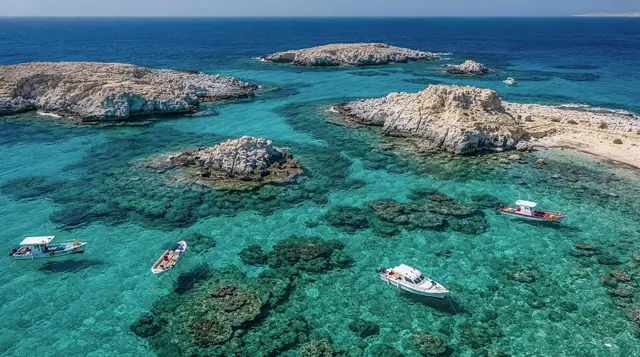
Oman: Daymaniyat Islands snorkeling trip
Duration: 6 hours
- Free cancellation
- Pickup included
- Instant confirmation
Quick facts
- Best time to visit
- October – April (kite: June–September)
- Days needed
- 3–5 days
- Getting there
- 5–6 hrs from Muscat + 45-min ferry
- Budget per day
- OMR 25–50
Oman’s Forgotten Island
There is a moment, roughly forty-five minutes into the ferry crossing from Shannah on the Omani mainland to Masirah Island, when the Arabian Sea opens up around you in every direction and the coast behind you disappears. The water here is wild in the best sense — deep blue, windswept, without the tourist infrastructure that softens so many island destinations. It is the kind of crossing that announces arrival on somewhere genuinely different.
Masirah Island lies approximately 20 kilometres off the Al Wusta coast, roughly midway between Sur in the north and Salalah in the south. It is 95 kilometres long and 15 kilometres wide — large enough to absorb a week of exploration — and home to around 12,000 Omanis, most of them fisherfolk whose lives have oriented toward the sea for centuries.
The island is not on the standard Oman tourist circuit. There are no five-star resorts, no organised tours departing from Muscat, no souvenir shops on the corniche. The roads are paved but basic, the accommodation is functional rather than luxurious, and the island’s appeal is rooted entirely in what it naturally possesses: constant trade winds that make it a world-class kitesurfing and windsurfing destination, the world’s largest loggerhead turtle nesting population, extraordinary birdwatching on a major migration route, and an atmosphere of unhurried remoteness that has become genuinely rare in the Arabian Peninsula.
Masirah is for the traveller who has done Muscat, Nizwa, Wahiba, and the eastern coast, and is looking for the Oman that exists outside the guidebooks. It rewards patience, flexibility, and a willingness to arrange everything locally.
| At a glance | |
|---|---|
| Where | Al Wusta coast, around 20km offshore, between Sur and Salalah |
| Cost | Around OMR 25-50/day; ferry fare around OMR 1-2 per person plus a vehicle fee |
| Time needed | 3-5 days to make the journey worthwhile |
| Getting there | Around 5-6 hrs drive from Muscat to Shannah, then a 45-min ferry |
| Best time | October-April for general travel; June-September for kitesurfing |
Getting to Masirah Island
Getting to Masirah requires commitment, which is part of what keeps it off the beaten path.
From Muscat, drive south on the coastal highway (Highway 17) to Sur (three hours), then continue south on Highway 23 through the Al Wusta governorate. The town of Shannah, where the ferry departs, is approximately 230 kilometres south of Sur — another two and a half to three hours on a straight inland road through some of Oman’s emptiest landscape. Total driving time from Muscat is five to six hours.
The ferry from Shannah to Masirah operates several times daily, with a journey time of around forty-five minutes. As of 2026, the fare is approximately OMR 1–2 per person plus a fee for vehicles. Schedules vary seasonally and can be affected by weather — check with the port authority in Shannah upon arrival, as times are not reliably published online. Bring cash for the ferry as card payment is not always available.
There is no regular direct bus service from Muscat to Shannah. ONTC buses connect Muscat to Haima (a town further south on the Al Wusta highway), from where shared taxis to Shannah can sometimes be arranged. For independent travellers without a rental car, this option requires significant flexibility and advance planning.
Oman Air operates occasional flights from Muscat to Masirah Airport (a legacy of the RAF base that operated here during and after World War II), but the schedule is infrequent and routes change seasonally. Check the Oman Air website in the months before your trip.
Because organised tours to Masirah from Muscat are not currently available from major operators, all visits to the island must be self-arranged. This means booking your ferry crossing, arranging your own accommodation, organising any kitesurfing or activity instruction directly with local providers, and planning your own route around the island. The experience of doing so is itself part of what makes Masirah memorable.
Before committing to the crossing, it helps to read the broader advice in getting around Oman and the notes on domestic flights in Oman, since the choice between driving and flying shapes the whole trip. If you are starting from the capital, Muscat is the natural place to stock up on cash, supplies and kit before heading south.
Kitesurfing and Windsurfing: A World-Class Venue
Masirah Island’s reputation among the global kitesurfing and windsurfing community rests on one simple fact: the trade winds here blow almost constantly from June through September, reaching sustained speeds of 25–35 knots on many days. This makes the island one of the most reliable wind venues in the world during those months — comparable in consistency (if not in infrastructure) to Dakhla in Morocco or Cabarete in the Dominican Republic.
The main kitesurfing area is on the western (lee) side of the island, where the channel between Masirah and the mainland provides flat, waist-deep water for learning and intermediate riding, while the open ocean on the eastern side offers wave-riding conditions for advanced kiters. The combination in one location is rare and highly valued.
Several small local kitesurfing operations have established themselves on the island over the past decade. Masirah Kite Camp is the best-established, offering equipment hire, basic lessons, and accommodation in simple beach cabins or tents. Prices in 2026 run around OMR 15–20 per hour for equipment hire and OMR 40–60 for a two-hour beginner lesson. Contact them directly before arriving, as the camp’s opening hours and availability depend on season and operator schedules.
Visitors who want a more structured water sports introduction before making the journey to Masirah can start with the Daymaniyat Islands snorkelling trip from Muscat, which gives a taste of Oman’s coastal marine world in a more accessible setting.
For experienced kiters, bringing your own kit is the most reliable approach — the island’s wind is predictable enough that you will find conditions on virtually every day between June and September, but equipment availability from local operators can be inconsistent. A quiver of two to three kites (9m, 12m, and 15m) covers all conditions typically encountered here.
Outside the main wind season (October through May), the island occasionally sees lighter but usable wind days for kitesurfing, and conditions are generally calmer and more suitable for general beach activities, snorkelling, and wildlife watching.
Our dedicated kitesurfing on Masirah guide goes deeper into spots, gear and planning, and it is worth reading before you decide which month to travel. For a wider view of where to get in the water elsewhere in the country, see the overview of snorkelling spots in Oman.
Loggerhead Turtles: The World’s Largest Nesting Population
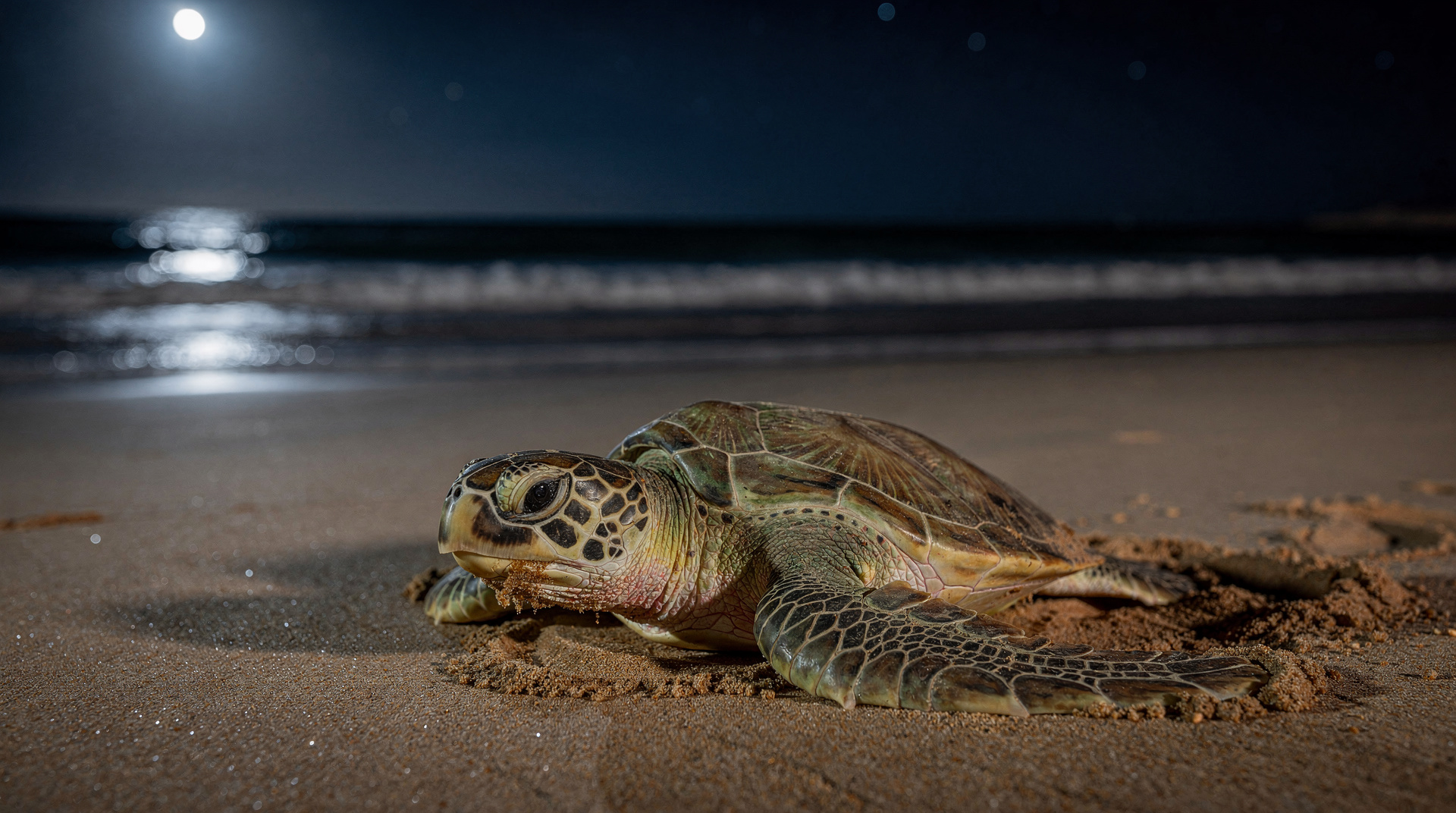
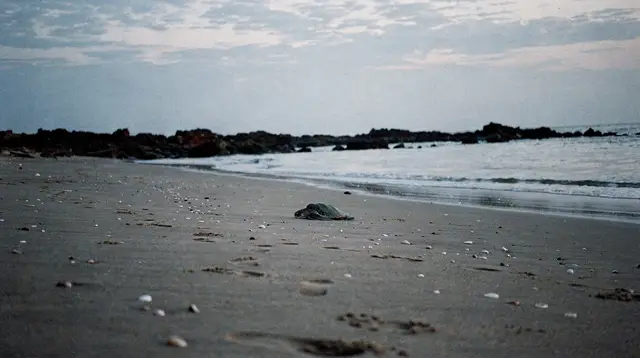
While Ras Al Jinz is famous for green turtle nesting, Masirah Island holds a strikingly different record: it is home to the world’s largest documented population of nesting loggerhead turtles (Caretta caretta). Estimates suggest that between 20,000 and 30,000 loggerhead females nest on Masirah’s beaches each year, a number that represents a significant proportion of the entire Indian Ocean loggerhead population.
Unlike Ras Al Jinz, where turtle watching is organised through a formal visitor centre with guided tours, Masirah’s turtle beaches are largely unmanaged from a tourism perspective. You can walk the eastern coast beaches at night and encounter nesting turtles without a guide, without a permit, and without a fee. This freedom comes with responsibility: the same principles apply as anywhere — no lights, no noise, no approaching turtles until they are settled in the nesting trance, no interference with nesting or hatching.
The loggerhead nesting season at Masirah runs primarily from May through August, with hatching occurring from July through November. The eastern beaches, accessible by unpaved track from the island’s main road, are the primary nesting areas. The beach near Dawwa village on the northeast coast is particularly productive and relatively accessible.
The absence of formal management at Masirah’s turtle sites means encounters feel genuinely wild — but it also means there is no safety net for inexperienced visitors who might unknowingly interfere with nesting. Research the protocol thoroughly before visiting and treat the encounter with the same reverence you would at a formal reserve.
Birdwatching on a Migration Highway
Masirah Island sits directly on one of the major bird migration corridors between the Indian subcontinent and East Africa. The island acts as a stepping stone for millions of birds crossing the Arabian Sea each spring and autumn, creating spectacular concentration events when weather conditions cause migrants to pile up on the island before continuing.
The spring migration (March through May) and the autumn migration (September through November) are the richest periods. Species recorded at Masirah in unusual numbers include sooty falcons (which breed on the offshore rocks), red-footed falcons, Eurasian rollers, bee-eaters, waders, terns, and occasionally rare Palearctic vagrants that have been blown off course.
The island’s varied habitats — sandy beaches, rocky headlands, dry wadis, coastal scrub, and the sheltered western channel — provide niches for a wide range of species. Experienced birdwatchers working the island thoroughly over three to four days can expect a list of over 100 species during migration periods.
For non-specialist wildlife watchers, the seabird colonies on the offshore islets (visible from the eastern shore) include nesting brown boobies and sooty terns in summer. Humpback whales and sperm whales pass through the deeper waters off the eastern coast between October and April — sightings from shore are possible during calm conditions, and local fishermen can sometimes be hired to take visitors out to deeper water.
Anyone who enjoys this side of the trip will find more context in the birdwatching in Oman guide and the marine life of Oman overview, both of which place Masirah’s wildlife within the wider picture of the country’s coast and seas. Patience matters more than gear here: early mornings and quiet evenings, with a flexible schedule, tend to reward watchers best.
Exploring the Island
Masirah’s main town of Hilf on the western coast contains the island’s main services: a hospital, several small supermarkets, a handful of basic restaurants, a fuel station (fill up here — there are no others on the island), and the island’s administrative offices. Most of Masirah’s 12,000 residents live in Hilf or in the smaller settlement of Dawwa on the northeastern coast.
The main road runs the length of the island from south to north, with reasonable tarmac for most of the route. Side tracks to beaches and coastal viewpoints vary from solid graded dirt to soft sand requiring a 4WD. A standard saloon car can access most of the main road and the western beaches; a 4WD is advisable for eastern coast beaches and more remote areas.
The island has no ATMs. Bring sufficient cash from the mainland — the nearest reliable ATM is in the town of Al Jazir, several hours north on the highway. Credit cards are not accepted at most island establishments.
Several beaches on the western coast are suitable for swimming in calm conditions, with relatively warm, clear water protected from the full force of the prevailing wind. The lagoon south of Hilf is sheltered and calm year-round.
The abandoned RAF airbase on the northern part of the island — used by British forces from World War II through the late 1970s — still has visible runways, hangars, and infrastructure that give the northern part of the island an eerie quality on early morning drives. Access to the base itself is restricted (it is now a Royal Air Force of Oman facility), but the perimeter and the surrounding coast are freely accessible.
Where to Stay and Eat
Accommodation on Masirah is basic by any standard but has improved in recent years. The Al Shaati Hotel in Hilf offers clean, air-conditioned rooms from OMR 20–30 per night — the most reliable option on the island. The Masirah Island Hotel, also in Hilf, is comparable in price and facilities.
The Masirah Kite Camp (on the western coast, accessed via a dirt track from Hilf) offers tent and cabin accommodation primarily oriented toward kitesurfers, with prices from OMR 15–25 per person per night including basic meals. The camp atmosphere is relaxed and international during the wind season, with kiters from Europe, South Africa, and Australia making extended stays.
Eating options on Masirah are almost entirely limited to small Omani restaurants in Hilf serving fresh fish (the standard by which any island should be judged), rice, and salad. The catch here is exceptional — Masirah’s fishing grounds are among the most productive on the Arabian Sea. A full meal of grilled kingfish with rice and salad typically costs OMR 2–3. Basic groceries are available at several small supermarkets in Hilf.
There are no licensed premises for alcohol anywhere on the island.
Masirah by Season
| Season | Weather | Wind (kitesurfing) | Wildlife highlights |
|---|---|---|---|
| June-September | Hot, 35-40°C | Excellent, 25-35 knots almost daily | Peak loggerhead nesting |
| October-February | Comfortable, 22-30°C | Lighter, less reliable | Hatchlings emerging, migrating birds, whale/dolphin sightings |
| March-May | Warming | Occasional usable wind | Spring bird migration, some remaining hatchling activity |
Masirah vs Ras Al Jinz: Two Very Different Turtle Experiences
Both destinations put you close to nesting sea turtles, but the experience is not the same. Ras Al Jinz is a managed, guided visitor-centre experience focused on green turtles, easily reached as a coastal day or overnight trip from Sur. Masirah’s loggerhead nesting beaches are unmanaged and unguided — you walk the beach yourself, at night, without a permit or fee, which is either the appeal or the drawback depending on what you want. If you’d rather have expert interpretation and a controlled, family-friendly setup, choose Ras Al Jinz; if you want a wilder, self-directed encounter and are prepared to research the etiquette yourself, Masirah delivers something Ras Al Jinz cannot.
Masirah in Context: The Al Wusta Governorate
Masirah sits within the Al Wusta governorate — Oman’s largest and least populated administrative region, covering the central and southern coast. The governorate is characterised by vast, flat terrain, sparse population, and a landscape that transitions gradually from the Al Hajar mountains in the north to the Dhofar highlands in the south.
The nearest destinations of interest on the mainland are the oil town of Haima (a fuel and service stop, not a tourist destination), and the coastal plain that connects Masirah’s access road to the main Muscat-Salalah highway. Travellers combining Masirah with a full north-south Oman road trip will pass through here between the eastern coast circuit (Sur, Ras Al Jinz) and Salalah in the south.
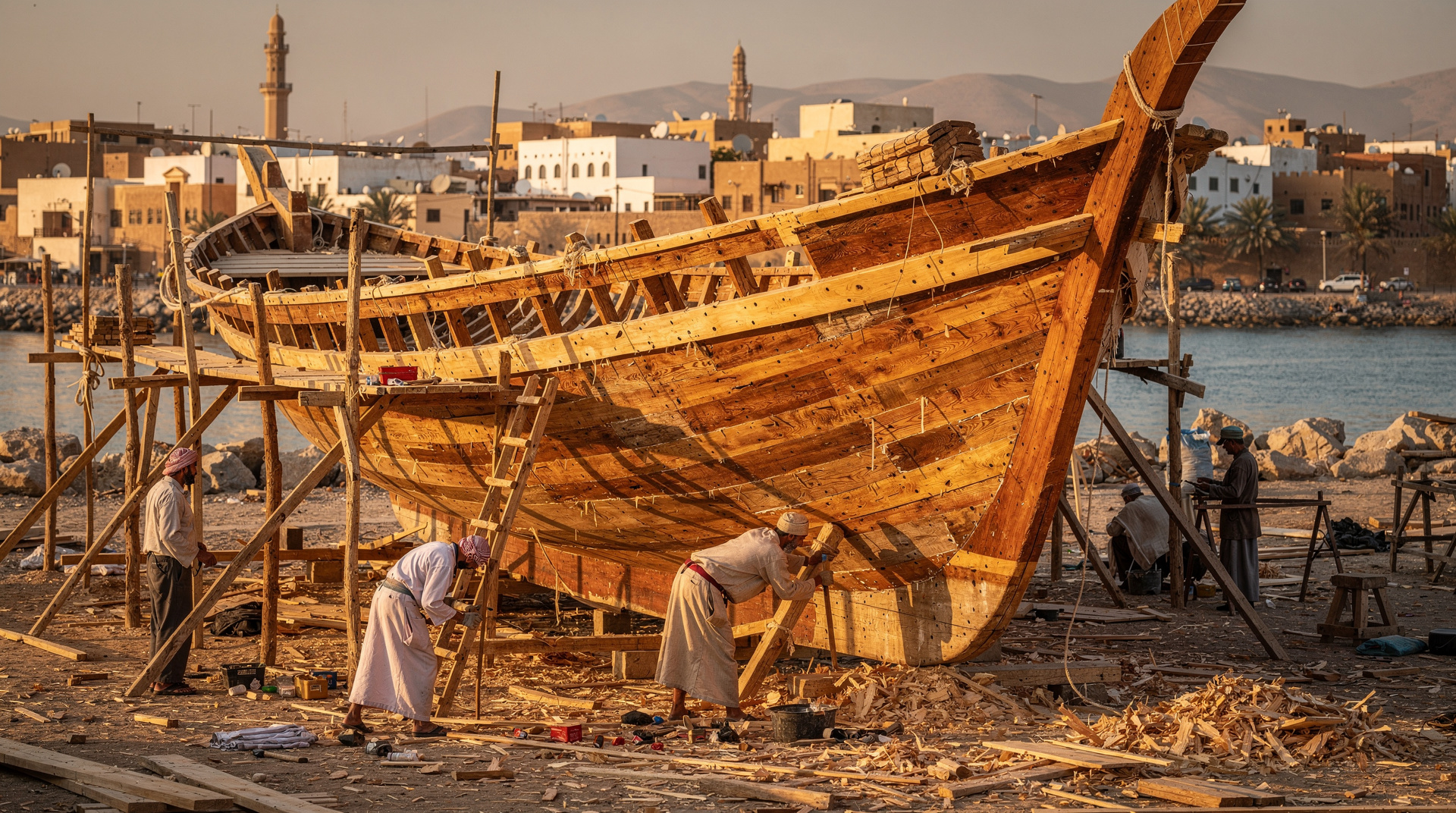
The two-week Oman road trip itinerary includes Masirah as an optional extension for travellers with sufficient time. The Oman wildlife guide covers the island’s turtle, bird, and marine mammal populations in greater detail. The Sur coastal guide covers the nearest mainland hub with its dhow yard and turtle beach at Ras Al Jinz, which makes a natural combined itinerary with Masirah.
Is Masirah Right for You?
Masirah is emphatically not for every visitor. If you want organised tours, comfortable hotels, good restaurants, reliable transport, and predictable logistics, Masirah will frustrate you. These things simply do not exist here at the level available elsewhere in Oman.
If, on the other hand, you want an island that has not been shaped by the tourism industry, where turtles outnumber tourists on many nights, where the wind blows clean and constant, where fishing dhows are still the primary economic activity, and where the experience of simply being somewhere unspoiled is its own reward — then Masirah is one of the most rewarding places in Oman. Possibly in the entire Arabian Peninsula.
To judge the timing of your visit against the rest of the country, check the best time to visit Oman and the Oman road trip planning guide. If you want a contrast with Masirah’s emptiness, the dunes of Wahiba Sands offer another kind of desert-meets-sea remoteness on the same side of the country.
Come with flexible plans, cash, your own entertainment, an offline map of the island, and a willingness to wait for the ferry if it runs late. You will leave with something that the standard Oman itinerary cannot provide.
Frequently asked questions about Masirah Island — Oman’s Remote Kitesurfing & Wildlife Frontier
How do I get to Masirah Island without a car?
Getting to Masirah without a rental car requires ingenuity. ONTC buses serve Haima from Muscat, from where shared taxis to Shannah (the ferry port) can sometimes be arranged through local contacts — this is not a reliable scheduled service. Oman Air occasionally operates flights from Muscat to Masirah Airport, though the schedule is infrequent. For most independent travellers, a rental car (4WD recommended) from Muscat is the most practical approach. The long drive south through Al Wusta is itself an experience worth making.
What is the kitesurfing season on Masirah?
The primary wind season is June through September, when the southwest monsoon trades deliver sustained winds of 25–35 knots almost daily on the western channel. This is also the hottest time of year and peak turtle nesting season, making it the most activity-rich period for visitors who can handle high temperatures (35–40 degrees Celsius). October through May sees lighter and less reliable wind — still kiteable on good days, but not the consistent conditions that bring the international kite community to Masirah.
Is it true that Masirah has the most loggerhead turtles in the world?
Yes — Masirah is the most important loggerhead turtle (Caretta caretta) nesting site in the Indian Ocean and one of the most significant globally, with estimated annual nesting of 20,000–30,000 females. This compares with better-known loggerhead sites in Florida and the Mediterranean. The nesting beaches are on the eastern coast of the island and largely unprotected by formal reserves, which makes responsible behaviour by visitors particularly important.
Are there any ATMs on Masirah Island?
No. As of 2026, there are no ATMs on Masirah Island. Bring sufficient cash for your entire stay — accommodation, meals, ferry, fuel, and any activity costs — before boarding the ferry at Shannah. The nearest reliable ATM is in the town of Al Jazir, north on the mainland highway. Most island establishments do not accept credit or debit cards.
What is the best time of year to visit Masirah for wildlife?
October through February is the most productive period for combined wildlife watching. Loggerhead hatchlings emerge from August through November, migrating birds concentrate in October and November, whale and dolphin sightings are most reliable from October through April, and the weather is comfortable for general exploration (temperatures 22–30 degrees Celsius). For the turtle nesting spectacle itself, June through August has the highest nesting numbers but intense heat. For birdwatching specifically, March through May (spring migration) rivals the autumn season.
Can I camp on Masirah Island?
Informal camping on beach areas is generally accepted on Masirah, as it is across most of Oman’s undeveloped coastal areas. There are no formal campsite facilities outside the Masirah Kite Camp. Bring all supplies including water — freshwater is precious on the island and not available at beach locations. The most atmospheric camping is on the eastern coast beaches among the turtle tracks, but this requires a 4WD to access and strict light discipline at night during nesting season. Always leave no trace and pack out all waste.
Is Masirah worth it if I’m not a kitesurfer?
Yes, particularly for wildlife-focused travellers. The loggerhead turtle nesting and hatching, the migratory bird concentrations, and the general sense of an unspoiled island are reason enough to visit outside the wind season, when the pace is also noticeably calmer than during the kitesurfing months.
How does Masirah compare to Musandam for an off-the-beaten-path trip?
They offer different kinds of remoteness. Musandam is dramatic fjord scenery reached relatively easily by road or a short flight, with an established dhow-cruise tourism infrastructure. Masirah is flatter, harder to reach, and has essentially no organised tourism — it suits travellers who specifically want wildlife and wind over scenery and convenience.
Top experiences
Bookable activities with verified prices and instant confirmation on GetYourGuide.
 📍 Daymaniyat Islands
 Oman: Daymaniyat Islands snorkeling trip
- Free cancellation
- Pickup included
- Instant confirmation
 📍 Muscat
 Muscat: half-day city tour
- Free cancellation
- Instant confirmation
- Hotel pickup
 📍 Muscat
 Muscat: 2-hour sunset dhow cruise
- Instant confirmation
- Free cancellation
- Best seller
 📍 Ras Al Jinz
 From Muscat: Wadi Shab, Ras Al Jinz, Wahiba Sands 2-day tour
- Free cancellation
- Hotel pickup
- Small group