Jebel Akhdar in Winter: Frost, Stars and Empty Trails
From Muscat: full-day private trip to Nizwa and Al Jabal Akhdar
Duration: 10 hours
- Free cancellation
- Hotel pickup
- Best seller
What is Jebel Akhdar like in winter?
Jebel Akhdar in December to February is the coldest destination in Oman — temperatures drop to 2–5°C at night and frost is not uncommon. The plateau is clear, trails are empty, stargazing is extraordinary, and the terraced pomegranate and rose gardens lie dormant in their most skeletal beauty.
Jebel Akhdar When Everyone Else Goes to the Desert
The conventional Oman winter wisdom sends visitors straight to the Wahiba Sands for dune camping under the stars, or to Muscat’s pleasant December streets. Jebel Akhdar — the Green Mountain — sits above all of this at 2,000 metres, with a completely different reality: frost-touched stone, bare terraced gardens, cold mountain air, and a silence so complete it is disorienting.
Most visitors come to Jebel Akhdar for the rose season in February and March. Winter — the true cold-season months of December and January — brings a different and arguably more striking version of the mountain. The rose gardens lie dormant but their terraced architecture shows its geometry most clearly. The trails are empty. The sky at altitude without light pollution is extraordinary.
Jebel Akhdar in Winter: At a Glance
| Factor | Details |
|---|---|
| Where | Al Hajar mountains, around 2,000m altitude, roughly 2.5-3 hours’ drive from Muscat |
| Cost | Free to reach and walk the trails; hotels from around 50-80 OMR (Sahab/Sama Al Sahar) to 250-400 OMR (Alila) |
| Time needed | A day trip is feasible, but one to two nights lets you catch sunrise and the stargazing |
| Getting there | 4WD only — a permanent checkpoint above Al Hamra turns away 2WD cars; see renting a car in Oman |
| Best time | December and January for the coldest, clearest nights; wrap up with a proper layer system from the Oman packing list |
What to Expect This Season
Temperature and Conditions
Jebel Akhdar operates on a completely different climate register from the rest of Oman. While Muscat is pleasant at 22°C in January and the Wahiba Sands desert nights drop to 10°C, the Jebel Akhdar plateau at 2,000 metres regularly sees night temperatures of 2–5°C. Frost on vehicles is not unusual in January. Snow has been recorded on higher peaks in exceptional years, though it is rare.
Daytime temperatures are more forgiving — clear winter days bring sunshine and temperatures around 12–18°C. But the wind at the canyon edge can make it feel significantly colder, and the shadow canyons retain cold air long into the morning. Pack layers that you are serious about wearing, not just insurance clothing.
The Light
Winter light at altitude in Oman is extraordinary. The air is completely clear — no haze, no humidity — and at 2,000 metres the sun has an intensity you feel but the atmosphere does not diffuse into whiteness. Sunrises on the plateau are particularly dramatic, the first light catching the limestone walls of Wadi Ghul in amber and gold before the valley floor receives any direct sun.
Sunset from the rim of the canyon — with the 1,000-metre drop into shadow below you and the mountains turning violet beyond — is one of the most memorable views available anywhere in Arabia.
Winter Month by Month
| Month | Night temps | What to expect |
|---|---|---|
| December | Around 5-8°C, frost possible late month | Clear skies, terraces bare, quiet trails, New Year crowds on the plateau |
| January | Around 2-5°C, frost more likely | The coldest and clearest month, best stargazing, book hotels early |
| February | Around 6-10°C, warming | Trails still quiet, early buds appear ahead of the March-April rose bloom |
For the wider seasonal picture across the whole country, see our best time to visit Oman guide and, if you would rather trade cold nights for the desert, Wahiba Sands in winter.
The Landscape
Wadi Ghul: Oman’s Grand Canyon
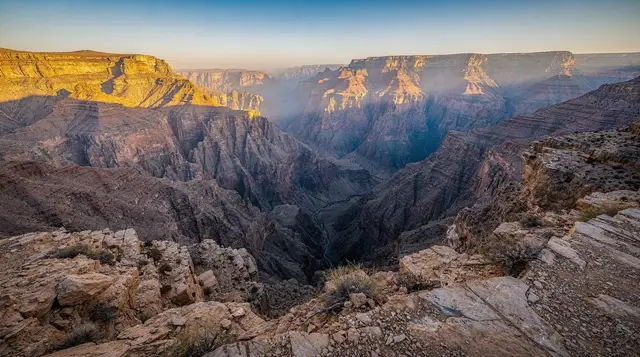
Wadi Ghul drops nearly 1,000 metres from the plateau to its floor — one of the deepest canyons in Arabia. In winter, with no haze and cold-season clarity, the scale becomes almost overwhelming. The limestone walls are layered in ochre, cream, and rust, and the ancient irrigation channels (falaj) that the plateau villages depend on trace hairline paths across the cliff faces.
Looking into the wadi in winter light is fundamentally different from a summer visit. The colours are richer, the shadows are deeper, and the canyon feels more alive with the geological drama of its formation.
The Terraced Village Landscape
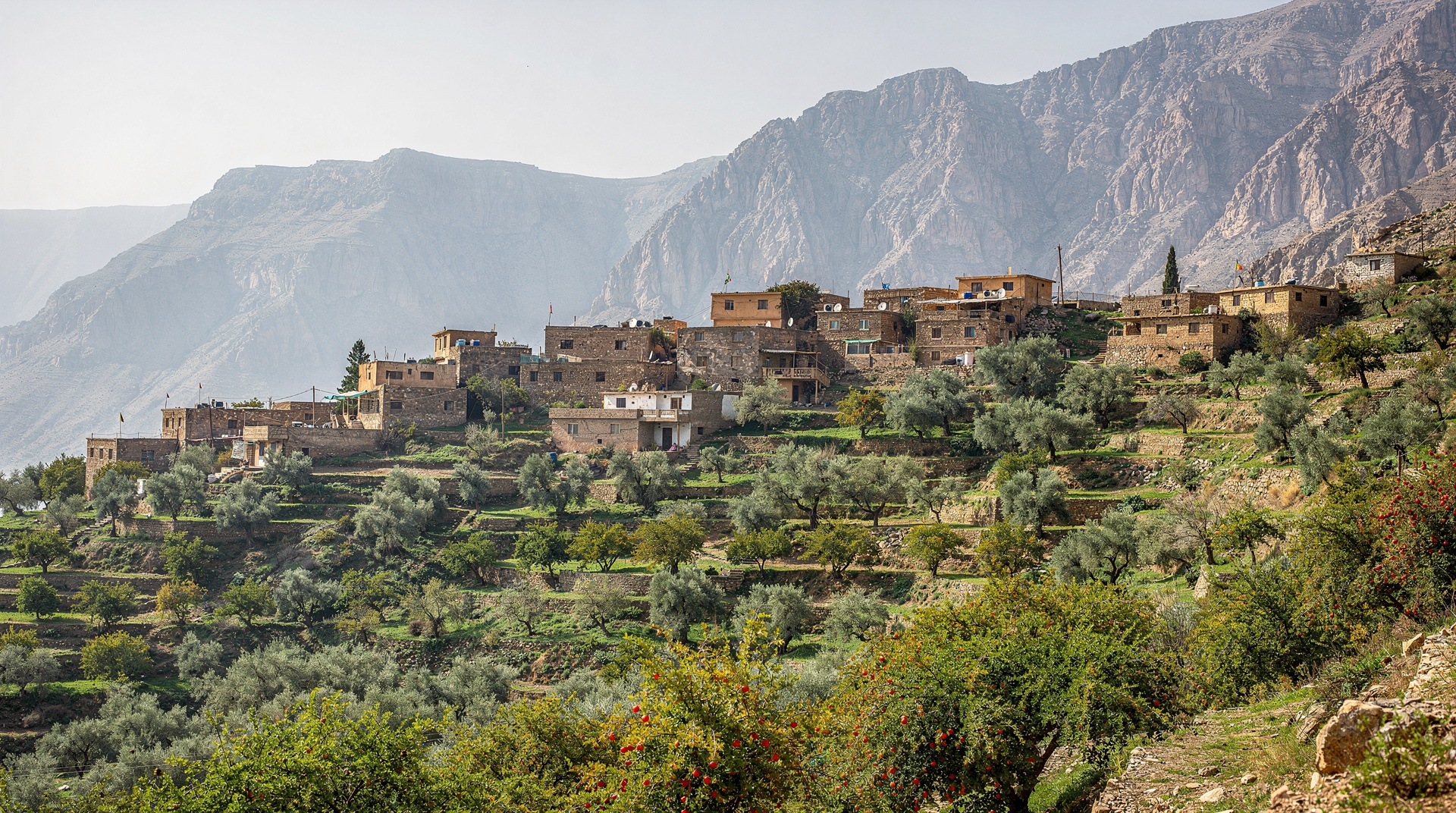
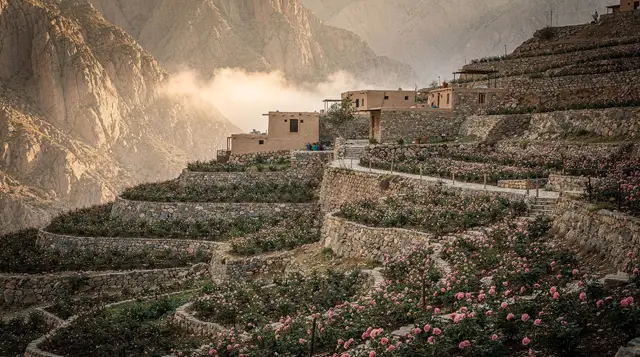
Birkat Al Mouz at the foot of the mountain road, and the plateau villages of Sayq, Al Ayn, Ash Sharayjah, and Wadi Bani Habib, are among Oman’s most beautiful heritage settlements. In winter the pomegranate and rose garden terraces show their constructed geometry stripped of leaves — dry-stone walls following contour lines up the hillside, the ancient agricultural engineering of mountain Oman laid bare.
The partially abandoned village of Wadi Bani Habib is ghostly and beautiful in winter light — crumbling clay-and-stone buildings on terraces above the wadi, still partially inhabited, surrounded by bare gardens. It is one of the most evocative places in Oman.
What to Do
The Balcony Walk (W6 Trail)
The plateau’s best hiking trail follows the rim of Wadi Ghul for approximately 6km return, with near-constant views into the canyon below. The trail is well-marked and not technically difficult, but several exposed ledge sections are genuinely vertiginous — comfortable for most hikers but worth knowing about before you set out.
In winter, the trail is empty of other visitors for significant stretches. The cool air makes the walking genuinely pleasant rather than the sweaty endurance test that summer hikes become. Start early for the best light and the best chance of solitude.
Stargazing
At 2,000 metres with no nearby significant population centre and very low atmospheric moisture in winter, the night sky above Jebel Akhdar is extraordinary. The Milky Way is visible on clear winter nights as a distinct band with visible structure. The darkness is the kind that takes your eyes several minutes to fully adjust to.
The Alila Jabal Akhdar organizes guided stargazing sessions for guests. Even without a guide, the hotel’s terrace and the viewpoints along the canyon rim deliver exceptional night sky viewing.
Guided Mountain Tours
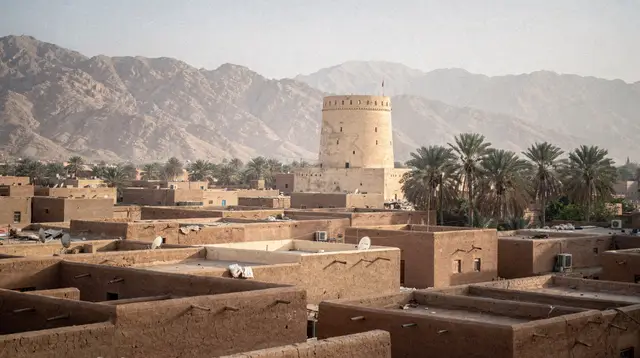
The full-day private trip from Muscat to Nizwa and Al Jabal Akhdar is one way to see the plateau without driving the mountain road yourself. A day trip from Muscat is feasible — the drive is 3 hours each way — though overnighting allows the stargazing and sunrise that make the winter experience complete.
For a more comprehensive interior circuit, the Nizwa and Jebel Akhdar combination tour pairs the cultural depth of Oman’s ancient capital with an afternoon on the mountain.
Where to Stay
Alila Jabal Akhdar occupies the most dramatic position on the plateau edge. The rooms are elegant, the pool appears to float over the canyon, and the spa makes full use of local rose water and frankincense. It is expensive — expect 250–400 OMR per night — but the setting is genuinely incomparable. In winter, request the canyon-side rooms specifically.
Sahab Hotel is a solid mid-range option on the plateau with canyon views and comfortable rooms at around 50–80 OMR per night. Popular with local Omani visitors and international travelers who want the Jebel Akhdar experience without the Alila price point.
Sama Al Sahar Hotel offers similar mid-range value with good canyon views and a more local atmosphere. Both alternatives require advance booking during the December–January window.
What to Pack
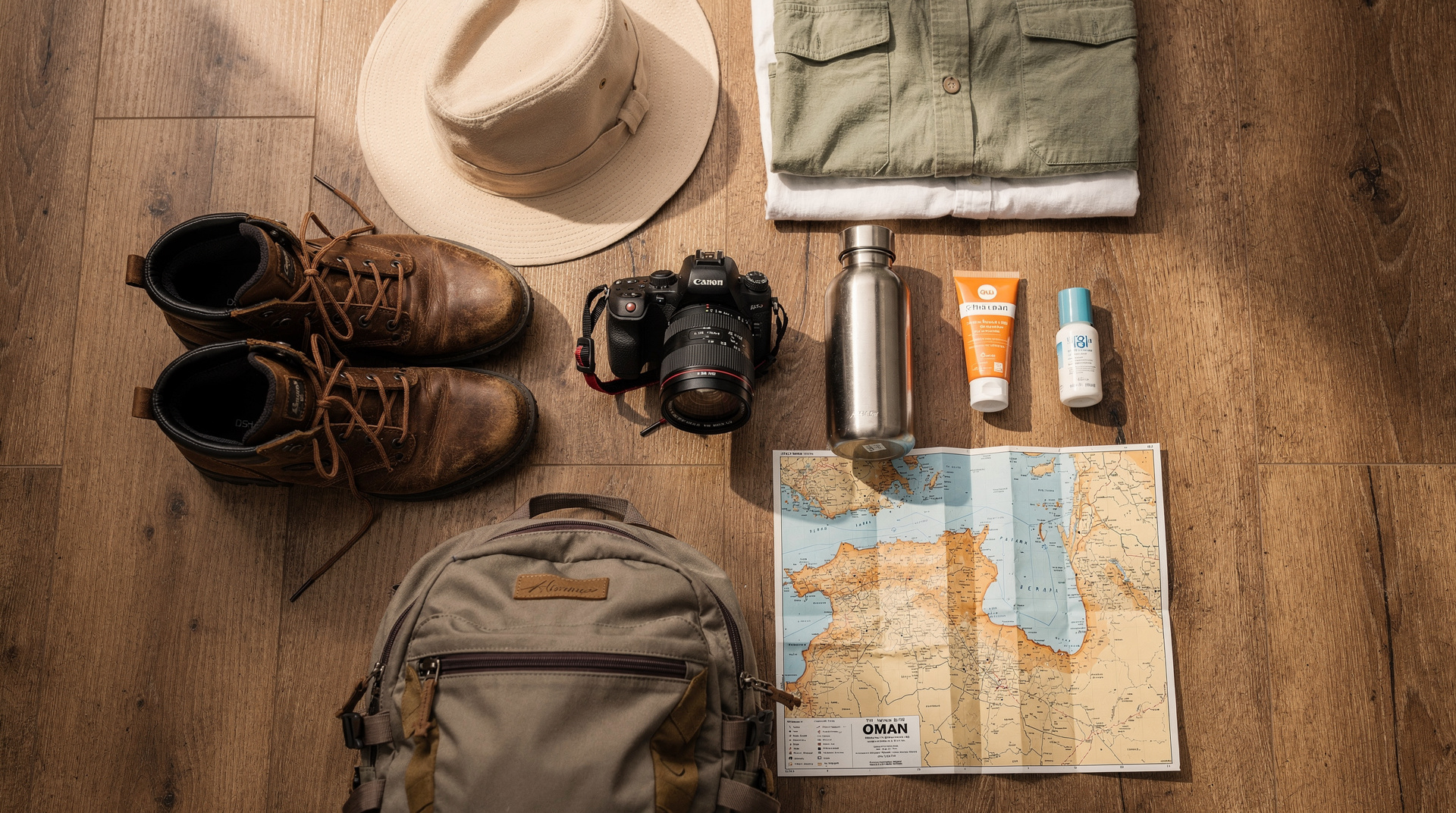
Winter on Jebel Akhdar requires genuine cold-weather clothing that you will not need anywhere else in Oman. A mid-layer fleece or down jacket is essential for evenings and early mornings. A windproof outer layer matters at the canyon rim. Warm socks and closed walking shoes rather than sandals. Gloves and a light hat for pre-dawn stargazing or sunrise viewings.
The contrast with the rest of your Oman trip (where you will be sweating in light linens) is dramatic — pack the cold layers in a compression bag and you will not regret having them.
Practical Tips
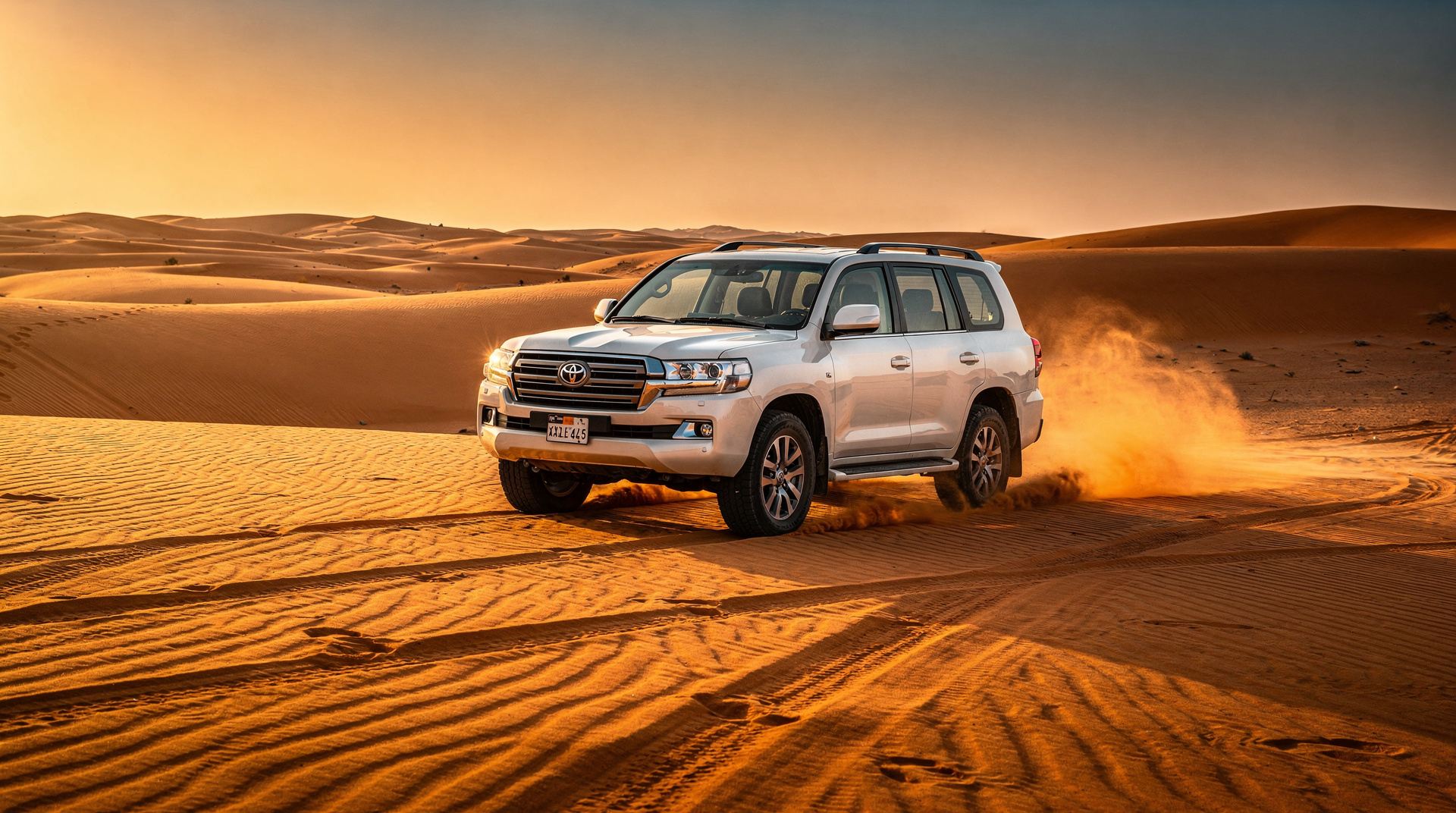
Book your 4WD before the mountain checkpoint. The police enforce the 4WD requirement on the road to the plateau and will turn you around if you arrive in a sedan. When renting in Muscat, specifically confirm 4WD rather than just AWD.
The drive up is dramatic. The switchback road from Al Hamra to the plateau gains around 2,000 metres of altitude in approximately 20km of road. Take it slow, be aware of loose gravel on corners, and watch for oncoming vehicles. The views from the road itself are already exceptional.
Sunrise requires an early start. The best light hits the canyon walls approximately 30 minutes after sunrise. In January this means a 6:30am start from your accommodation. It is worth the alarm.
Carry warm water and snacks. Facilities on the plateau outside the hotels are minimal. The village of Sayq has a small shop but stock up in Nizwa before heading up.
Shaping a Winter Day on the Plateau
The cold changes the rhythm of a day on the mountain, and the best plans work with it rather than against it. Mornings start slowly: the shadowed side of the canyon holds its chill, so linger over a hot breakfast and let the sun reach the terraces before you commit to a long walk. Late morning and early afternoon are the most comfortable hours for hiking, when the rock has warmed and the wind softens.
Plan the afternoon around the light. Photographers will want to be at the rim well before sunset, because the colour in the canyon walls changes quickly and the window is short. Our photography guide for Oman has practical advice on exposure and composition that applies directly to the high-contrast scenes you will find here, with deep shadow below and bright sky above.
When the sun drops, the temperature follows almost at once. Have your jacket, gloves and hat within reach before you leave the hotel rather than after you start to shiver. Evenings are for hot tea, a long dinner and, if the sky is clear, a slow walk away from any lights to let your eyes adjust.
Wandering the Villages in Cool Air
Winter is also the kindest season for exploring on foot between the settlements. The cool air makes the stairways, lanes and falaj paths easy rather than exhausting, and the quiet means you can hear running water in the channels that feed the terraces. For a wider look at the heritage settlements in the mountains around the plateau, the Al Hamra and Misfat villages guide pairs well with a stay on the mountain, and the story of how the channels work is told in the aflaj irrigation guide.
Treat these as living communities. Dress modestly even when you are wrapped in layers, ask before photographing people or their homes, and keep to the paths rather than stepping across the terraces. The walls are old and the gardens are tended by families who depend on them. The Oman etiquette and culture guide covers the courtesies that make a visit welcome.
Choosing Winter Over Rose Season
Many travellers wonder whether to wait for the blooms. The honest answer is that the two seasons offer different mountains. Rose season brings colour, fragrance and a livelier plateau, and it is covered in the rose season guide. Winter offers clarity, silence and space. If you prefer open trails, long views and cold nights under a dense sky, winter is the better choice. If you want the gardens in flower and do not mind sharing the viewpoints, aim for the later months.
For a broader comparison of what the country offers during the cool months, read Oman in winter, and for a month-specific view see Oman in January.
Building a Longer Trip Around the Mountain
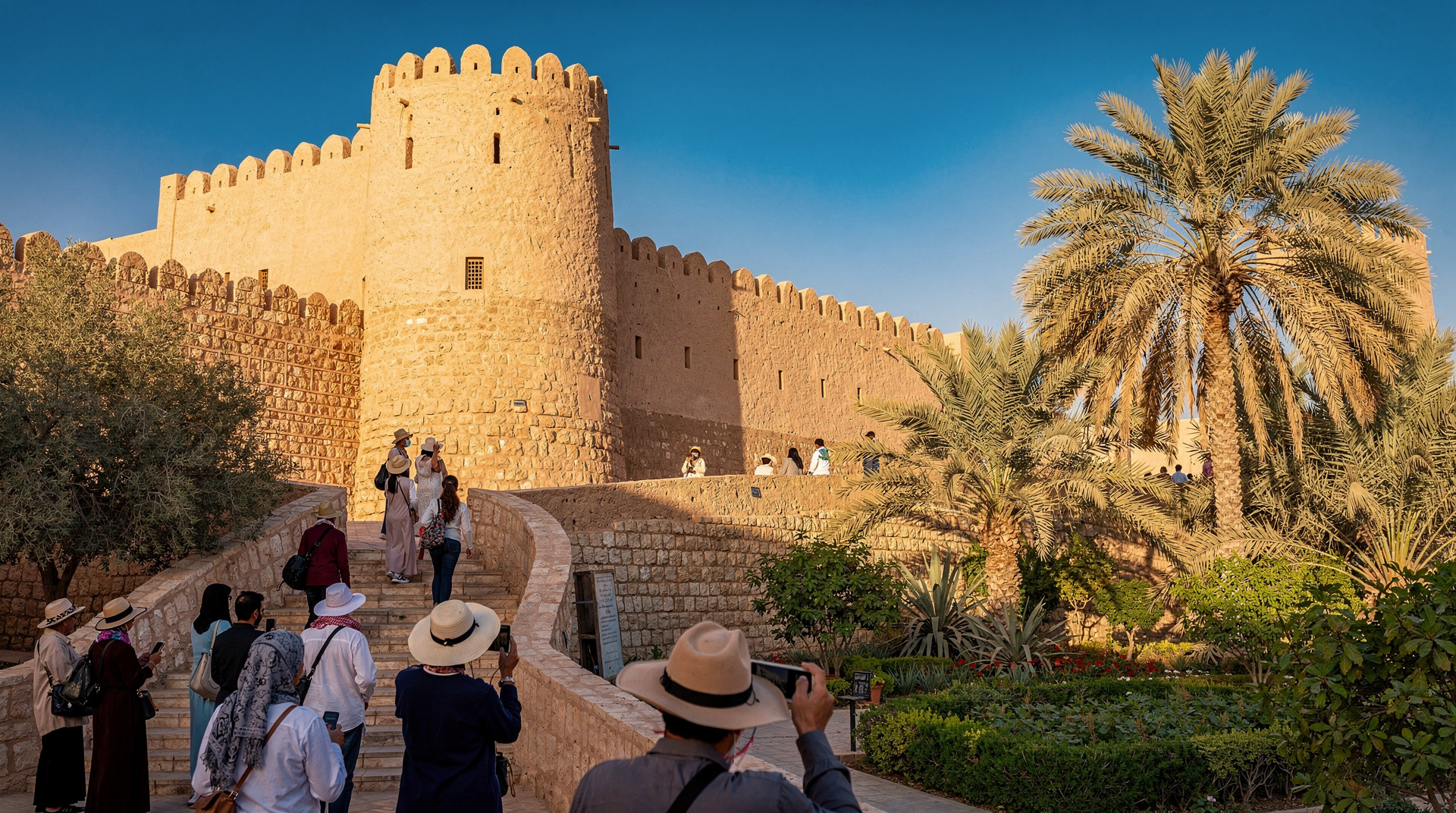
The plateau sits comfortably inside a wider interior loop. A common approach is to spend a night in Nizwa first, wandering the fort and the souq in the warm afternoon, then drive up for a cold, clear night on the mountain. The Nizwa Fort and souq guide will help you make the most of the first half of that plan. Those who want a full week of routes across the country can fold the mountain into the 7-day classic Oman itinerary.
If you are weighing a special stay, the Alila Jabal Akhdar guide describes the property in more depth, and the getting around Oman guide explains the practical choices for moving between the coast and the interior.
Whatever you choose, leave some slack in the schedule. Weather in the mountains can shift, and the reward for flexibility is often an unplanned hour at a viewpoint with no one else there.
Pairing With Other Mountain and Cave Sites
A cold-season Jebel Akhdar visit combines naturally with two nearby destinations that also reward the clear winter air: the Jebel Shams Balcony Walk, Oman’s highest rim trail, and Al Hoota Cave, a limestone cave system at the base of Jebel Shams that makes a good indoor option if a cold snap or wind closes down outdoor plans for a few hours. Both are within about 90 minutes of the Jebel Akhdar plateau.
Frequently asked questions about Jebel Akhdar in Winter: Frost, Stars and Empty Trails
How cold does it get on Jebel Akhdar in winter?
Night temperatures on the plateau regularly drop to 2–5°C in December and January, and frost is recorded in particularly cold spells. Daytime temperatures are more pleasant — typically 12–18°C with sunshine — but the combination of altitude wind and shadow makes it feel significantly colder. This is the most striking contrast in all of Oman: the desert interior may be 20°C warmer at the same time of year.Do I need a 4WD to reach Jebel Akhdar?
Yes. The Oman government legally requires a 4WD vehicle to drive the mountain road to the Jebel Akhdar plateau. This is enforced at a checkpoint on the road up from Al Hamra. You cannot reach the summit villages or the plateau-edge hotels in a standard 2WD car. 4WD rental in Muscat is straightforward and not significantly more expensive than a standard vehicle.Is Jebel Akhdar worth visiting when the rose gardens are not in bloom?
Absolutely. The rose bloom period (February–March) is spectacular but the mountain is extraordinary year-round. In winter the terraced gardens show their geometric structure most clearly without leaf cover. The hiking trails — particularly the Balcony Walk along the canyon rim — are most pleasant in cool winter air. The stargazing in winter at this altitude and away from light pollution is among the best in Arabia.What hikes are best in winter on Jebel Akhdar?
The Balcony Walk (W6 trail) along the rim of Wadi Ghul — often called Oman's Grand Canyon — is the classic. At 6km return, it is manageable in 3–4 hours and offers vertiginous views throughout. The W4 Village to Village trail connects the plateau villages through terraced fields. Both are at their most pleasant in winter when the air is cool and the light is golden rather than bleaching.Where should I stay on Jebel Akhdar in winter?
The Alila Jabal Akhdar is the most spectacular property — cliff-edge pool, private terraces, and canyon views. It is expensive but delivers genuinely extraordinary accommodation. The more affordable Sahab Hotel and Sama Al Sahar Hotel are both well-reviewed budget alternatives on the plateau. Book well in advance for the December–February window, particularly around New Year when Muscat residents make the mountain drive.Is Jebel Akhdar colder than Jebel Shams in winter?
The two mountains are broadly similar in winter, though Jebel Shams sits at a higher elevation overall and its exposed canyon rim can feel colder in wind. Both regularly see night temperatures near or below 5 degrees Celsius in December and January. If you are combining the two, pack the same cold-weather layers for both stops on our Jebel Shams Balcony Walk guide.Can I combine a winter visit to Jebel Akhdar with Nizwa?
Yes, and it is the most common pairing. The base of the Jebel Akhdar ascent road is around 30 minutes from Nizwa Fort, so a two-day loop covering Nizwa's fort and souq followed by a cold, clear night on the plateau works well without long driving days.
Top experiences
Bookable activities with verified prices and instant confirmation on GetYourGuide.
 📍 Jebel Akhdar
 From Muscat: full-day private trip to Nizwa and Al Jabal Akhdar
- Free cancellation
- Hotel pickup
- Best seller
 📍 Nizwa
 Muscat: explore Nizwa Fort and Souq + Jebel Akhdar
- Free cancellation
- Hotel pickup
- English guide
 📍 Jebel Shams
 Jebel Shams (day trip): the Grand Canyon of Oman
- Free cancellation
- Hotel pickup
- Small group
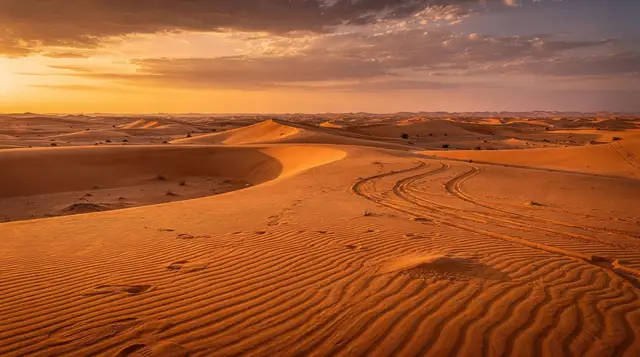 📍 Wahiba Sands
 From Muscat: desert overnight and Wadi Bani Khalid
- Private tour
- Hotel pickup
- Free cancellation
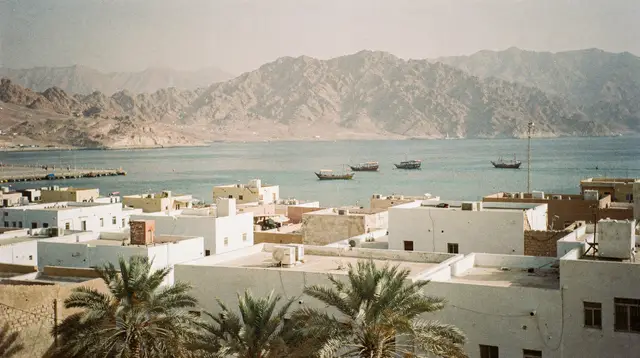 📍 Muscat
 Muscat: half-day city tour
- Free cancellation
- Instant confirmation
- Hotel pickup