Oman in August: Weather, Things to Do & Travel Tips
Salalah highlights: Wadi Darbat, Taqah Cave and Baobab tour
Duration: 6 hours
- Free cancellation
- Hotel pickup
- English guide
Is August a good time to visit Oman?
August is the peak of the Khareef season in Salalah — the Dhofar coast is at its greenest, the Khareef Festival is in full swing, and temperatures in southern Oman are a remarkable 22-26°C. Muscat and the north remain extremely hot and are best avoided.
| At a glance | |
|---|---|
| Where | Salalah / Dhofar (the only region worth an outdoor-focused trip this month) |
| Cost | Salalah at its most expensive; Muscat at its cheapest |
| Time needed | 4+ nights in Salalah to cover east, west and plateau |
| Getting there | Fly into Salalah direct, or via Muscat with a short domestic connection |
| Best for | Khareef Festival, Wadi Darbat, monsoon mist and greenery |
Weather and Conditions in August
August is Salalah’s peak month — the Khareef season at its absolute height. The Dhofar landscape is greener than at any other point in the year, the waterfalls are flowing at their strongest, and the monsoon mist hangs over the mountains in thick dramatic clouds. Simultaneously, the rest of Oman is at the height of its summer extreme.
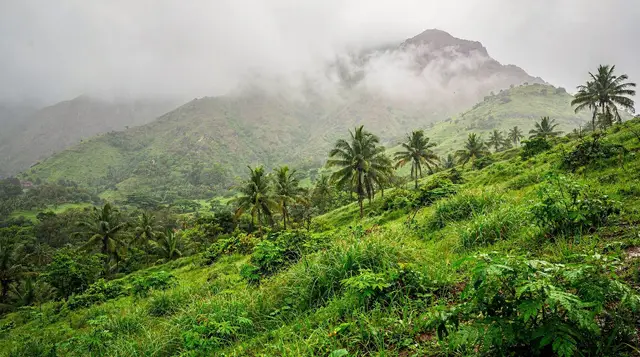
Salalah and Dhofar: August is the apex of the Khareef. Temperatures stay at a pleasant 22-26°C in the city, dropping to 18-22°C on the Dhofar plateau at altitude. The monsoon mist rolls in from the Indian Ocean each morning, sometimes entirely wrapping the mountains in cloud by 10am. Wadi Darbat’s seasonal lake is at its fullest. The waterfall at Wadi Darbat is at its most powerful. The coconut palms and banana plantations along the western coast look tropical rather than Arabian. This is the single most dramatic expression of the Khareef, and August delivers it at maximum intensity.
Muscat and northern Oman: August is among the worst months of the year for outdoor activity in Muscat. Temperatures of 40-44°C with relative humidity of 60-80% create an oppressive combination. The sea temperature reaches 33°C — barely refreshing. Air conditioning is essential and ubiquitous. Life in Muscat in August operates on a nocturnal schedule, with most outdoor activity concentrated after 8pm.
The desert and interior: Wahiba Sands and the Nizwa area see temperatures exceeding 45°C and the desert is for very experienced desert travellers only. These areas are effectively off the summer tourism map.
What to Expect from the Crowds and Prices
August is the busiest month in Salalah and one of its most expensive. Gulf residents — Saudi, Emirati, Kuwaiti, Qatari, and Bahraini families — fill the coastal hotels and Khareef Festival venues. The city is festive, lively, and crowded in the evenings. Weekend nights in Salalah in August resemble a city-wide celebration.
Hotel prices in Salalah in August are at their annual peak. Beachfront resorts charge rates comparable to January’s finest Muscat properties. Booking accommodation 3-4 months in advance is the minimum; the most sought-after resorts sell out 6 months ahead.
In Muscat, August rates are at seasonal lows. The city is quiet, international visitors scarce, and even the best Muscat hotels offer significant discounts. For those who can handle the heat, August Muscat offers extraordinary value.
Top Things to Do in Oman in August
August is a Salalah-focused month. Here are the key Khareef experiences to prioritise:
-
Wadi Darbat at peak Khareef: The defining August experience. The seasonal lake formed by the Khareef rains reflects the green hills, the waterfall on the eastern edge is flowing at full force, and the atmosphere — misty, green, with grazing camels — is unlike anything else in Arabia. A Salalah east highlights tour to Wadi Darbat should be booked immediately on arrival.
-
Khareef Festival evenings: The festival grounds (check specific 2026 venues) come alive each evening with traditional Dhofari music performances, rababah concerts, folk dance shows, equestrian demonstrations, and the aroma of frankincense and Dhofari coffee drifting through the night air. Local food stalls serve specialities you won’t find elsewhere in Oman. This is cultural Oman at its most vibrant and accessible.
-
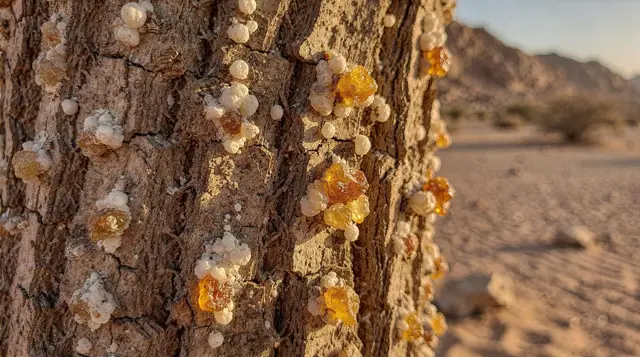
Frankincense heritage under the mist: The frankincense trees at Wadi Dawkah have a particular quality in August — the Khareef mist gives them an almost ethereal appearance, and the scent of the resin is heightened by the cool damp air. The Salalah city highlights tour provides cultural context for Dhofar’s frankincense heritage alongside the natural Khareef sites.
-
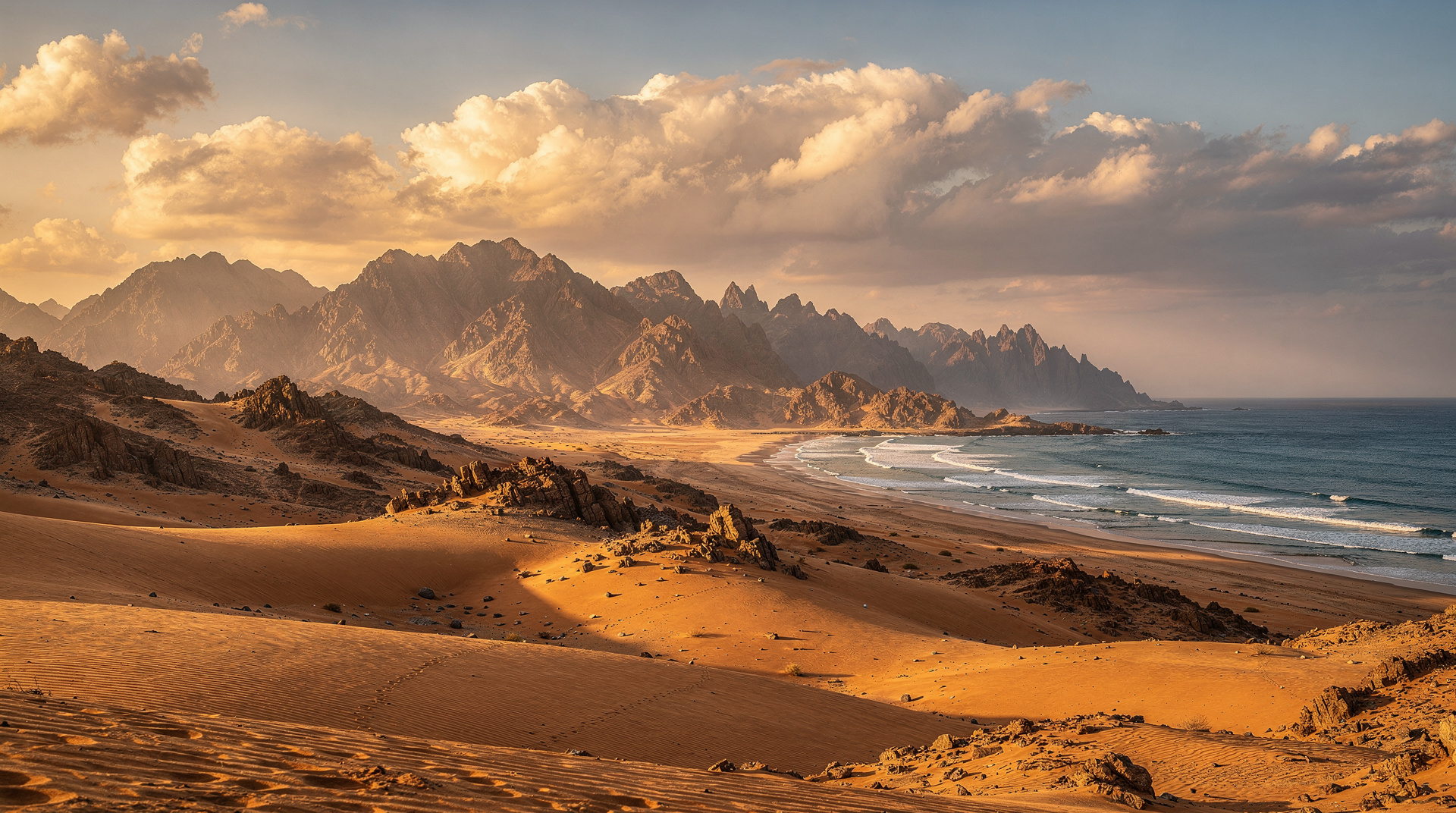
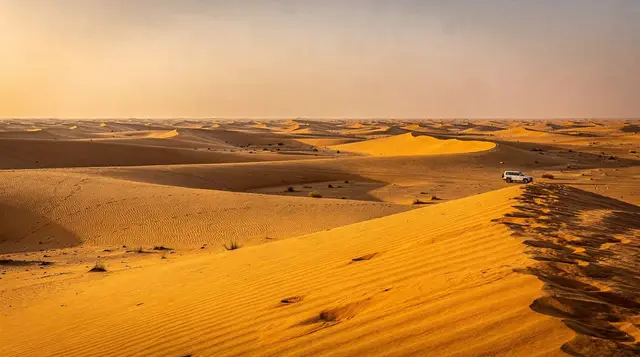
Empty Quarter contrast: The drive south from Salalah to the Empty Quarter dunes is one of August’s great contrasts — within an hour, you move from Dhofar’s lush monsoon landscape to the vast red sand dunes of the Rub Al Khali. A sunset desert safari from Salalah to the Empty Quarter delivers this extraordinary landscape contrast in a single afternoon.
-
West Salalah coast and blowholes: The coastal road to Al Mughsail Beach, the Marneef Cave, and the blowholes is dramatic in August monsoon conditions. The sea sends powerful swells against the limestone shore, and the blowholes — natural sea vents in the cliffs — shoot jets of water high into the air. The scenery is wild and cinematic.
-
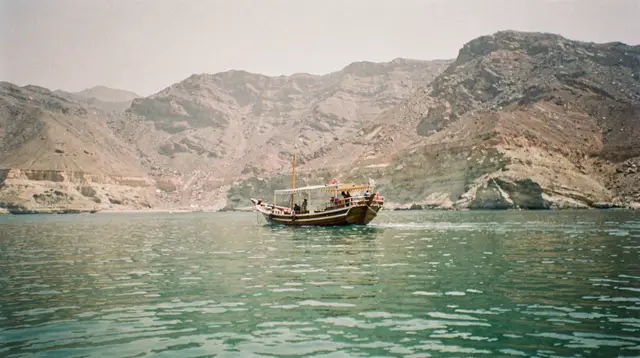
Musandam fjord (for those near UAE): August early mornings on the Musandam fjord remain beautiful. A Musandam half-day dhow cruise from Khasab before 9am is genuinely enjoyable — the fjord is still and the marine life is active.
Where to Go in Oman in August
Salalah — The only major outdoor tourist destination in Oman worth visiting in August. Plan a minimum of 4 nights to properly cover the east (Wadi Darbat, Taqah Cave, Mirbat), west (Mughsail, Fazayah, the blowholes), and Dhofar plateau drives, plus Khareef Festival evenings.
Musandam — A secondary option for UAE-based visitors. The fjord and dolphin watching work well in early mornings year-round. Not a comfortable base for full-day touring in August heat, but an excellent half-day boat trip destination.
Muscat (for transit) — Muscat is unavoidable as a transit hub. If spending a night or two in the capital, the National Museum, the Bait Al Zubair heritage museum, and evening dining at Al Mouj Marina are the best indoor-focused options.
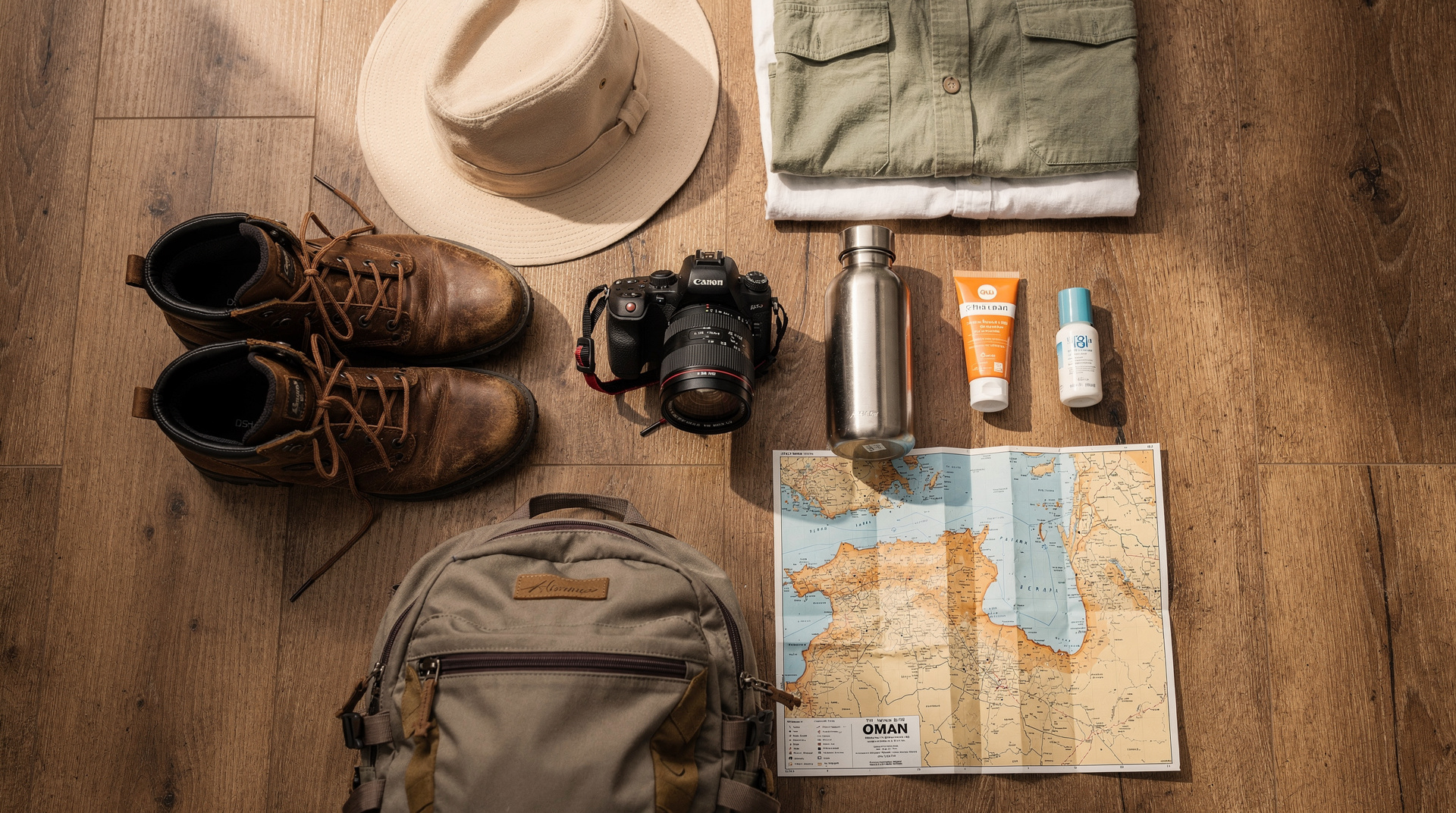
What to Pack for Oman in August
For Salalah Khareef:
- A reliable lightweight rain jacket — not optional in August. The misty drizzle on the Dhofar plateau can thoroughly soak you in an hour.
- A fleece or light down jacket for mountain evenings. The Dhofar plateau at 1,000m+ in August can feel cool enough for a proper layer.
- Waterproof walking shoes or trail runners with good grip. The Khareef paths get genuinely muddy — inappropriate footwear will ruin a Wadi Darbat visit.
- Light summer clothing for Salalah city (t-shirts, shorts or light trousers).
- A warm layer for Khareef Festival evenings — the cool, misty night air is part of the experience but requires preparation.
For Muscat (if transiting):
- Minimum summer clothing.
- Comprehensive sun protection.
- The assumption that you will primarily be in air-conditioned environments.
Festivals and Events in August
Khareef Festival of Salalah (ongoing through August): The festival is at its peak in August. The main festival site typically features a large central stage with nightly performances, a traditional crafts market (with Dhofari silver jewellery, woven baskets, frankincense products, and traditional textiles), and an Omani food festival showcasing Dhofari culinary traditions distinct from northern Omani cuisine. International artists — particularly from the broader Arab world — perform alongside local Dhofari acts.
Dhofari Mountain Drives: Beyond the festival, August’s Khareef opens up a series of mountain drives along the jebel (mountain plateau) that are particularly atmospheric in the monsoon mist. The road from Salalah to Thumrait, the Jebel Samhan route to the viewing points above the valley, and the winding Ain Hamran road are all worth an hour of driving exploration.
Practical Tips for August Travel
Plan around the mist schedule. August mornings in the Dhofar mountains are often completely socked in by 9am. The late afternoon (3-5pm) sometimes sees partial clearing. Check daily conditions, and don’t be disheartened if your first Wadi Darbat visit is in thick cloud — the atmosphere is actually very beautiful, and a return visit at a different time of day may offer different views.
Book every Salalah activity in advance. Popular tours and the better restaurant tables near the Khareef Festival are booked days ahead. If you want specific experiences (Wadi Darbat guided tours, frankincense heritage half-days), reserve these before you fly.
Driving is essential in Salalah. The east and west Salalah attractions are spread across 100+ km of coastline and require a rental car. Collect it at the airport. A standard 2WD is fine for all paved routes. Allow more time than the map suggests for the Dhofar plateau routes — speed limits are low and the mist requires careful driving.
August is Oman’s most social month in Salalah. The festival atmosphere creates a city-wide sociability — Salalah in August is lively, family-oriented, and very welcoming to visitors. Interacting with Gulf visitors and local Dhofari families at the festival stalls and the waterfront promenade is one of the most authentic human experiences in contemporary Oman.
How August Compares to the Rest of the Khareef Season
The Khareef season runs roughly June through September, but the character of each month is different. Read the full Khareef season guide for Salalah if you’re deciding which month to fly in.
| Month | Dhofar conditions | Crowds & prices |
|---|---|---|
| June | Khareef just starting, patchy mist | Quiet, good value |
| July | Building greenery, mist more consistent | Rising, mid-range |
| August | Peak greenery, festival at its height | Busiest and most expensive month of the year |
| September | Khareef tapering, still green | Easing off, better value |
If you’d rather avoid the peak-August premium but still want the green mountains, early July or September are worth a look — see Khareef: Oman’s magical green summer for a broader comparison of the monsoon window.
Should You Go to Muscat or Salalah in August?
This is the defining decision for an August trip. Muscat’s heat (40-44°C with heavy humidity) makes almost all outdoor sightseeing unworkable outside of early morning or after dark, while Salalah is arguably at its best all year. Anyone weighing the two destinations more generally should also read Oman in summer alongside the dedicated Salalah vs Muscat comparison for a year-round view, since August is the one month where the usual “Muscat first” advice reverses entirely.
For onward travel comparisons, some August visitors are also weighing Oman against neighbouring options — the Oman vs Dubai guide covers climate and cost differences useful for summer planning across the Gulf.
Frequently asked questions about Oman in August: Weather, Things to Do & Travel Tips
What's the weather like in Oman in August?
Salalah in August is Oman's most pleasant summer experience: 22-26°C with lush greenery, seasonal waterfalls, and the cool monsoon mist. Muscat hits 40-44°C with high humidity. The desert interior can reach 47°C. August is peak Khareef — the greenest, most vibrant month in Dhofar.What should I pack for Oman in August?
For Salalah: a waterproof jacket, a fleece for cool misty evenings, waterproof shoes for muddy Khareef terrain, and light summer clothing for the city. The Dhofar plateau can feel genuinely cold in the evenings. For Muscat, pack the absolute minimum and stay primarily in air-conditioned spaces.Are there festivals in Oman in August?
The Khareef Festival of Salalah runs through August and is at its peak this month, featuring traditional music, cultural performances, equestrian shows, food stalls, and regional crafts. It is one of Oman's largest annual celebrations. The festival typically concludes at the end of August with the end of the Khareef season.Is August expensive in Oman?
Salalah is extremely expensive in August — the most expensive month of the year for Dhofar. Peak Khareef demand from Gulf visitors pushes hotel rates to their annual high and accommodation sells out months in advance. Muscat is very cheap with rates at seasonal lows. Book Salalah 3-4 months ahead at minimum.Can you visit both Muscat and Salalah in August?
It is possible but not recommended for comfort. Muscat's extreme August heat (40-44C with high humidity) makes daytime sightseeing very difficult, so most visitors either treat Muscat purely as an airport transit or skip it entirely and fly direct into Salalah, saving the capital for a cooler month.Do I need a 4x4 in Salalah during August?
A standard 2WD car is fine for the main paved routes around Salalah, including Wadi Darbat's access road, the west coast blowholes, and the Khareef Festival grounds. A 4x4 is only needed for unpaved tracks off the main routes, which most first-time visitors do not attempt in monsoon conditions.
Top experiences
Bookable activities with verified prices and instant confirmation on GetYourGuide.
 📍 Salalah
 Salalah highlights: Wadi Darbat, Taqah Cave and Baobab tour
- Free cancellation
- Hotel pickup
- English guide
 📍 Salalah
 Salalah: highlights tour of heritage sites, markets and beach
- Free cancellation
- Hotel pickup
- English guide
 📍 Salalah
 Salalah: sunset desert safari - Rub Al Khali - Empty Quarter
- Free cancellation
- Hotel pickup
- Small group
 📍 Khasab
 Khasab: half-day dhow cruise, dolphin watching, and snorkeling
- Instant confirmation
- Pickup included
- Best seller