Oman in January: Weather, Things to Do & Travel Tips
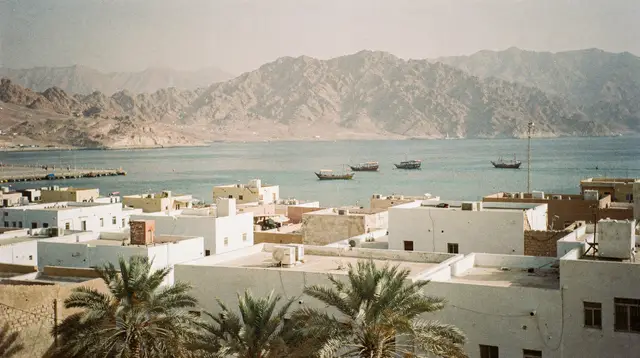
Muscat: half-day city tour
Duration: 4 hours
- Free cancellation
- Instant confirmation
- Hotel pickup
Is January a good time to visit Oman?
January is Oman's best month to visit. Temperatures in Muscat hover around 20-26°C, the desert is perfect for camping, and every outdoor activity is accessible. Expect crowds and higher prices at this peak of the tourist season.
| At a glance | |
|---|---|
| Where | Muscat, Wahiba Sands, Jebel Akhdar, Wadi Shab — everywhere is open |
| Cost | Peak-season rates, Oman’s most expensive month |
| Time needed | 7-9 days for a coast-desert-mountain loop |
| Getting there | Fly into Muscat International Airport (MCT) |
| Best for | First-time visitors wanting ideal weather everywhere at once |
Weather and Conditions in January
January is the jewel of the Omani travel calendar. Across virtually every region of the country, conditions are as good as they ever get — reliable sunshine, manageable temperatures, and clear skies that make the landscape glow from dawn to dusk.
Muscat and the coast: Daytime temperatures settle at 24-26°C, with cool evenings around 18-20°C. Sea temperatures are around 22°C — refreshing rather than cold for swimming and snorkeling. Humidity is low and the air is often crystalline. This is the most comfortable Muscat gets all year.
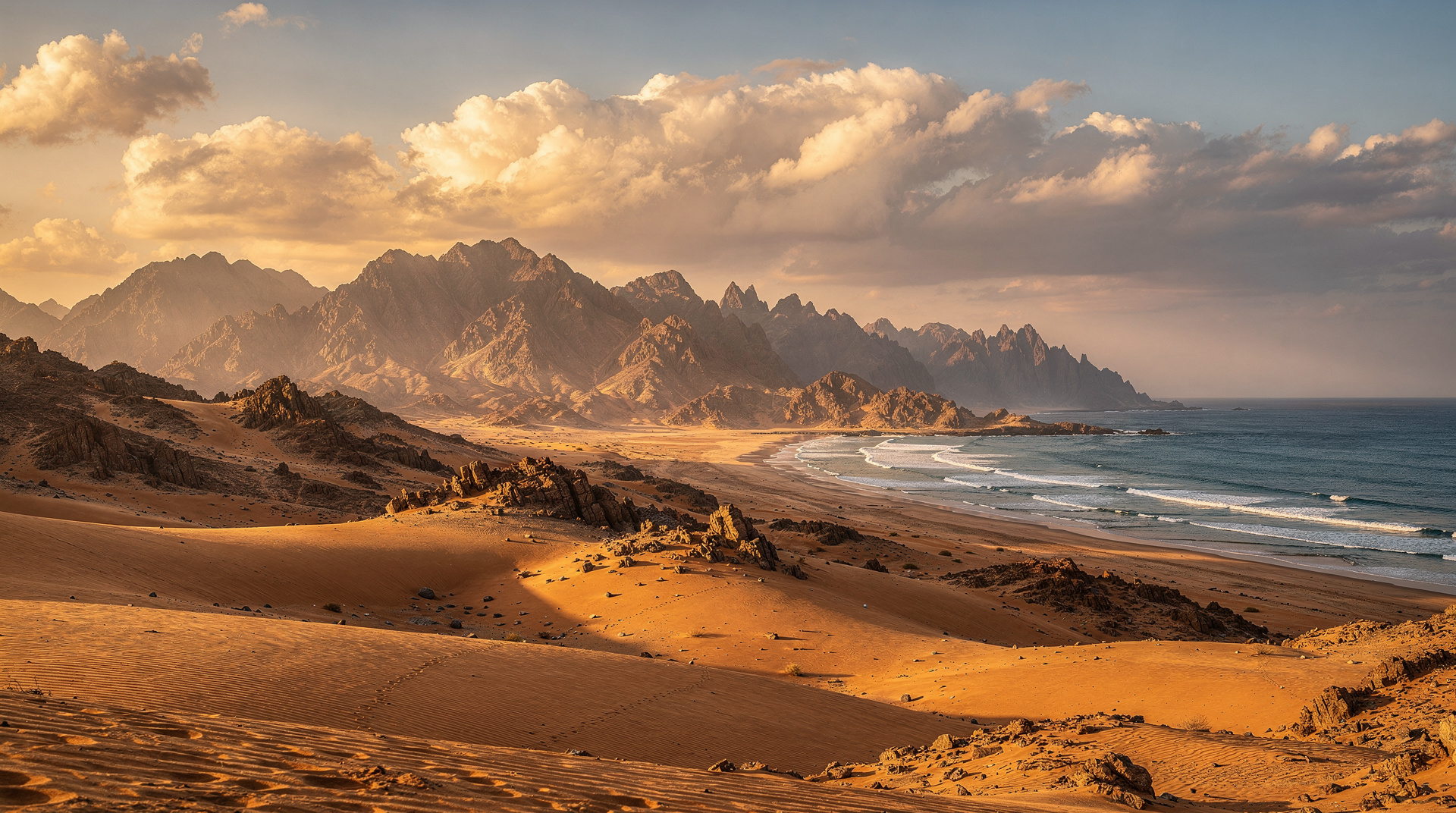
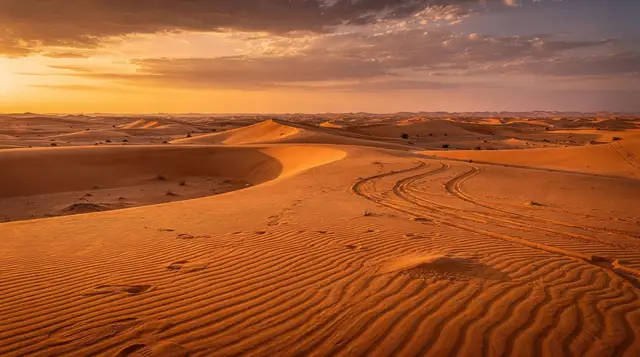
Wahiba Sands: Days reach 25-30°C, dropping to a cool 12-16°C at night — ideal for desert camping under an exceptionally clear Milky Way. Dune hiking is comfortable even at midday. The sand’s colour is at its richest in the low winter light.
Jebel Akhdar and the mountains: The Green Mountain in January can feel alpine. Daytime temperatures hover around 10-15°C, but nights drop to 4-8°C and occasionally lower at the highest elevations. Frost is possible on exposed sections. Views from the rim down into the wadi system are spectacular.
Salalah: January is dry season in Dhofar. Temperatures are pleasant at 22-27°C — comfortable without the humidity of summer. The Khareef greenery has faded and the landscape is back to its natural arid character.
What to Expect from the Crowds and Prices
January sits at the absolute peak of Oman’s tourist season and the market prices reflect this clearly. European and North American visitors in particular fill Muscat’s hotels during the northern winter escape, while Gulf residents take advantage of the cooler weather for road trips and desert camps.
Expect to pay premium rates across the board. A mid-range hotel in Muscat runs roughly 30-50% more than the same room in April or October. Desert camps in Wahiba Sands fill up on weekends, and the most popular properties require booking 4-6 weeks in advance. Popular tours and guided experiences also operate at near capacity.
The upside is that January’s popularity is entirely warranted by the conditions. Everything works, everywhere is accessible, and the infrastructure is well-tuned to handle the volume. For first-time visitors to Oman, January remains an excellent choice despite the premium — just plan and book early.
Top Things to Do in Oman in January
January’s ideal temperatures unlock every activity on the Omani wish-list simultaneously. Here are the highlights:
-
Muscat city touring: The Grand Mosque, Muttrah Souq, and waterfront Corniche are all at their best in the cool, clear air. An organised half-day Muscat city tour covers the essential landmarks efficiently and gives you the afternoon for the souq and Corniche at your own pace.
-
Desert overnight at Wahiba Sands: January nights in the desert are a genuine highlight — cool, silent, and under an extraordinary sky. A overnight desert camp experience at Wahiba combining dune driving, camel riding, and stargazing is one of the most memorable Oman experiences possible.
-
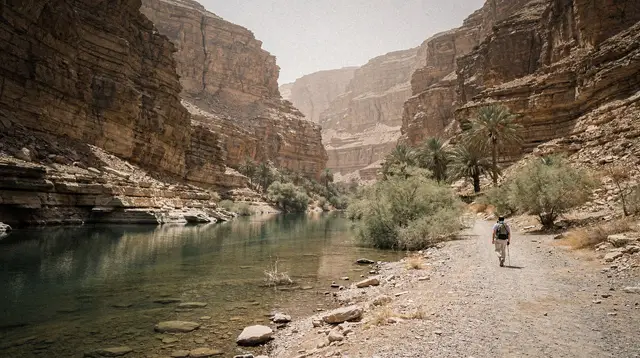
Wadi hikes: Wadi Shab is in prime condition in January — the water is cool but swimmable, the gorge is green, and the walk to the cave pool is scenic without being too demanding. Join a guided Wadi Shab hike and swim tour to make the most of it.
-
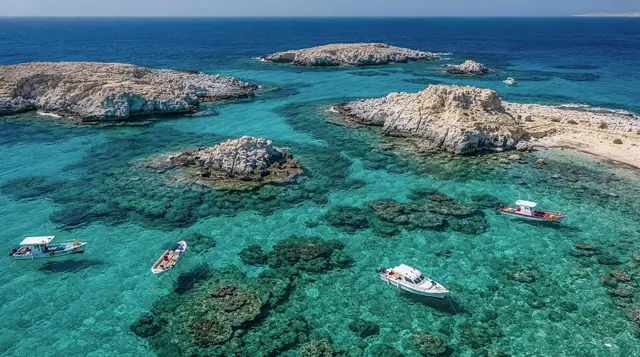
Daymaniyat Islands snorkeling: The Arabian Sea is calm in January and visibility underwater is excellent. The Daymaniyat Islands snorkeling day trip with lunch is a reliable highlight — sea turtles, reef fish, and impossibly clear water.
-
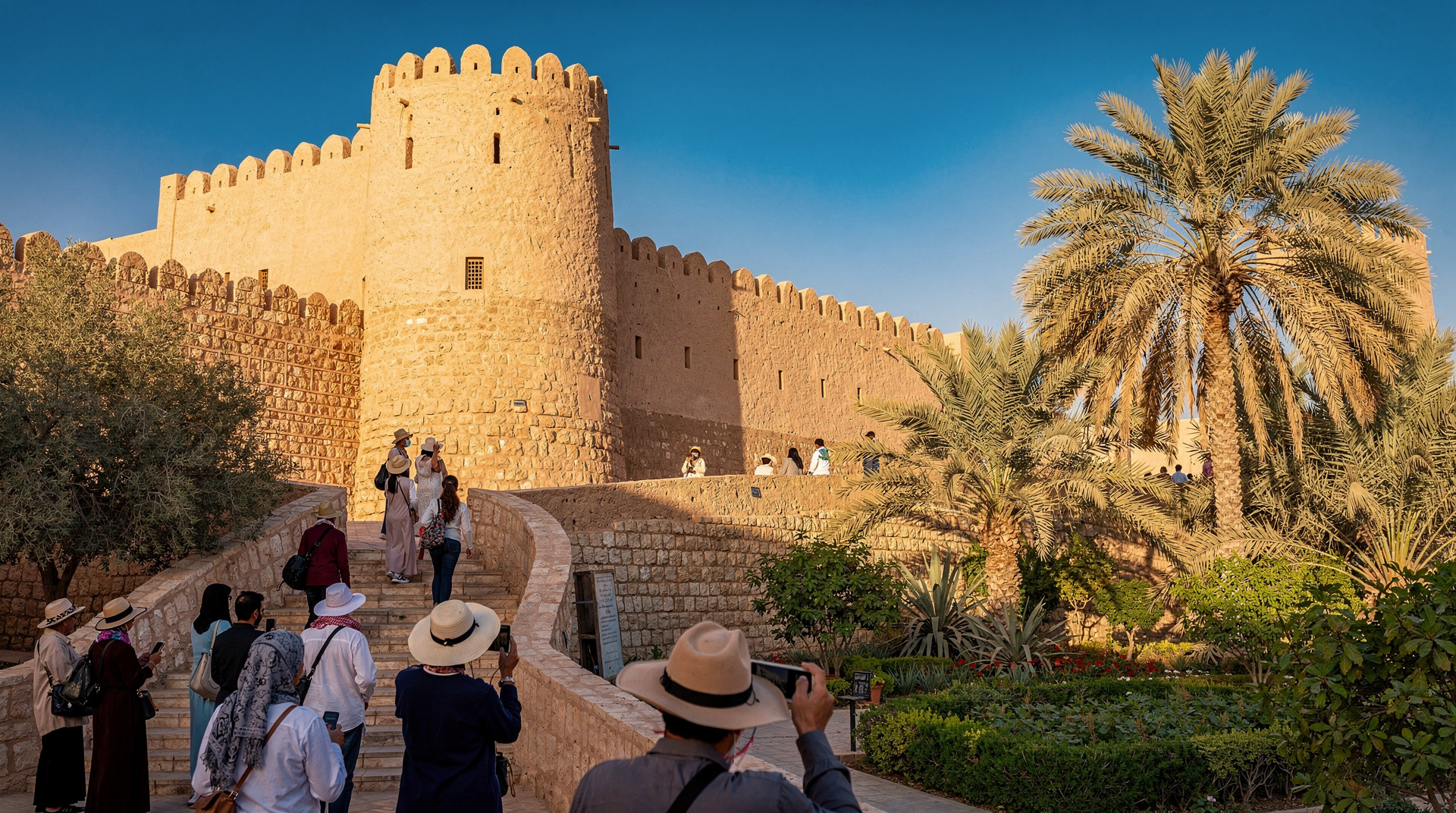
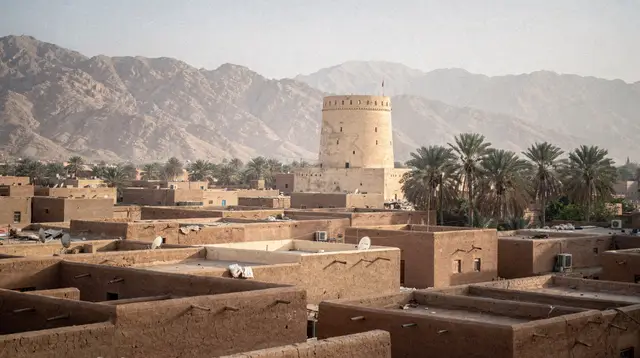
Jebel Akhdar and Nizwa: The mountain roads are clear in January, the rose terraces are dormant but the scenery is dramatic, and Nizwa Fort is worth a full morning. Combine both on a single long day from Muscat.
-
Muscat Festival: If the Muscat Festival is running (traditionally January-February), an evening at the festival grounds adds a cultural dimension that few visitors anticipate — Omani food, music, and crafts in a festive setting.
Where to Go in Oman in January
January is one of the few months where virtually every region of Oman is worth visiting:
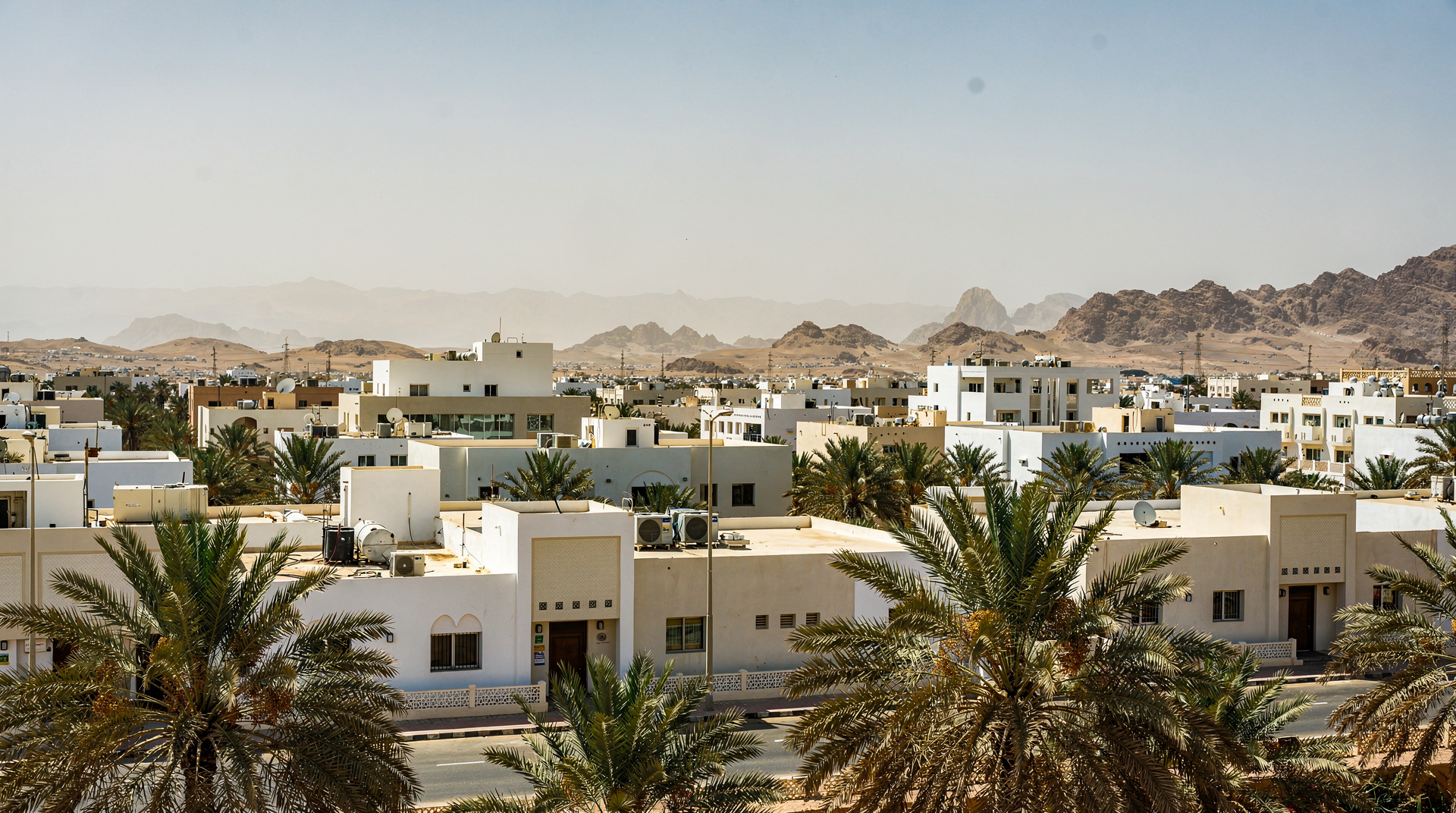
Muscat — The capital is at its finest: cool enough for prolonged city walking, the sea perfect for water activities, and the Muscat Festival adding evening entertainment. A minimum of two nights is recommended.
Wahiba Sands — January is arguably the ideal month for a desert overnight. Daytime dune driving is comfortable, the nights are cool enough to require a sleeping bag, and the stars are extraordinary. Combine with a visit to Wadi Bani Khalid for a perfect two-day interior loop.
Jebel Akhdar — The mountain in January is a different Oman entirely: dramatically cold at night, with morning mist in the wadis and long shadows across the terraces. Pack warm clothing and book a mountaintop hotel for the most atmospheric experience.
Wadi Shab — The classic wadi hike is at its best in January: the water level is manageable, the gorge is navigable, and the cave pool at the end makes for a cold but exhilarating swim. An excellent day trip from Muscat or Sur.
What to Pack for Oman in January
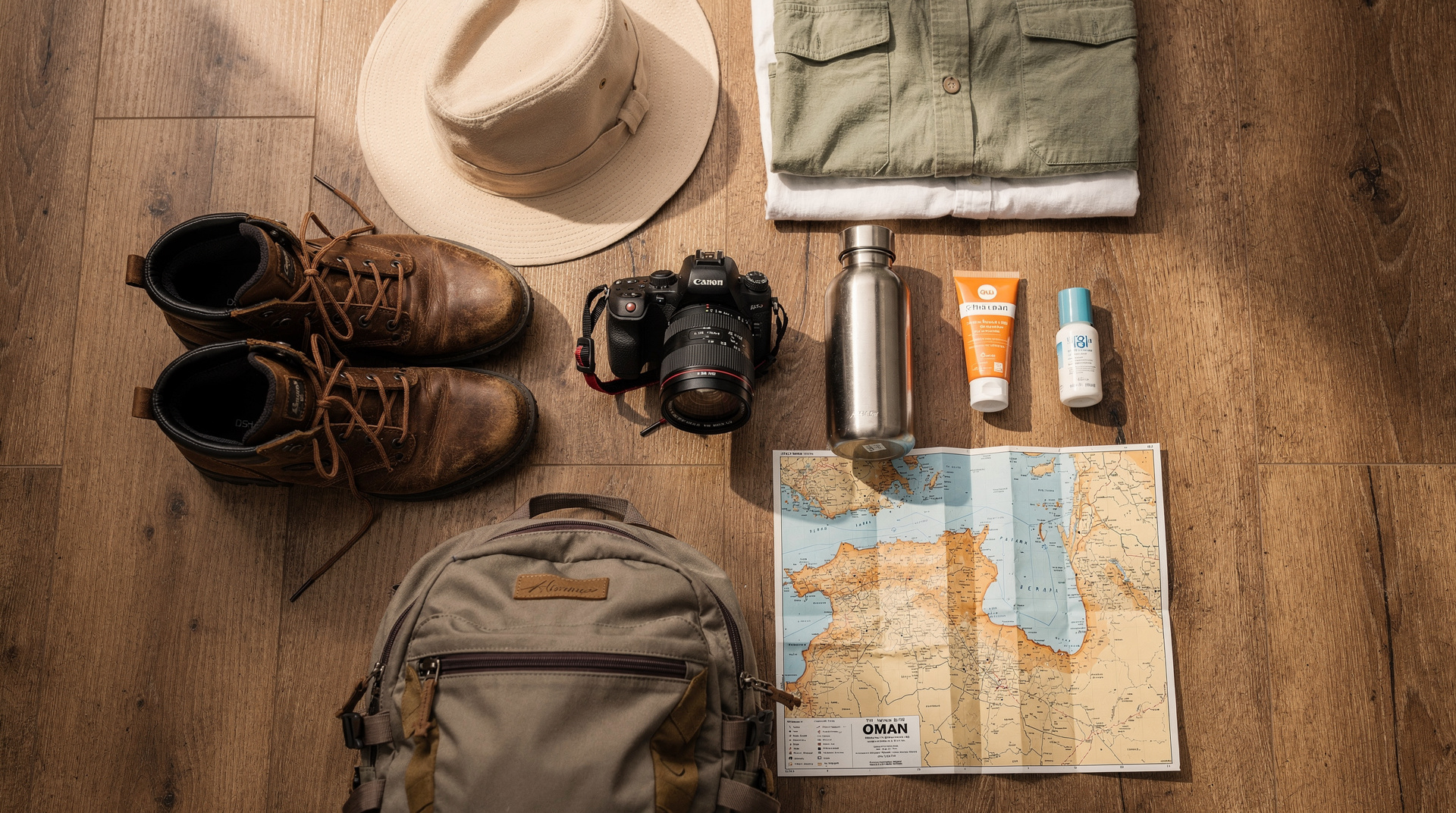
January packing requires a bit more thought than other winter months due to the mountain-to-coast temperature range:
- Upper layers: T-shirts and light shirts for Muscat and the coast; a mid-layer fleece for mountain destinations; a windproof jacket for mountain evenings and desert nights.
- Lower layers: Light trousers and shorts for daytime; at least one pair of full-length trousers for evenings and mosque visits.
- Footwear: Comfortable walking shoes for city and wadi use; sandals for beach and boat activities; waterproof shoes if you plan to wade into wadis.
- Sun protection: Despite the mild temperatures, the January sun is strong. Sunscreen, sunglasses, and a hat are non-negotiable.
- Mosque visit attire: Lightweight long trousers and a long-sleeved shirt or scarf for women. The Grand Mosque provides abayas at the entrance but bringing your own is more comfortable.
Festivals and Events in January
Muscat Festival: The most significant annual event during January. Typically running from mid-January through February, the festival brings together food stalls, cultural performances, traditional craft demonstrations, and family entertainment across multiple venues in Muscat. The festival has historically been held at Muscat Exhibition Centre and at heritage sites around the city.
New Year ambiance: The first two weeks of January carry the energy of the New Year period — Muscat’s restaurants and cafes are lively, and many properties run special menus and events through mid-month.
Friday markets: Throughout January, local weekend markets in Nizwa (particularly the goat and cattle souq on Friday mornings) operate in full swing and make for a fascinating cultural visit alongside the fort.
Practical Tips for January Travel
Book everything in advance. January is peak season and popular hotels, desert camps, and guided tours fill up. Booking accommodation 6-8 weeks ahead is standard; for the most sought-after desert camps and mountain lodges, three months is safer.
Mountain driving requires a 4WD. Jebel Akhdar and Jebel Shams both require a 4WD vehicle to reach the summit areas. Car rental companies in Muscat can supply suitable vehicles, but availability is tight in January — book the 4WD at the same time as your flights.
Dress respectfully for cultural sites. January is the busiest tourist month, but Oman’s dress norms remain consistent. Covered shoulders and knees at mosques, forts, and traditional villages. The Grand Mosque has stricter requirements for women.
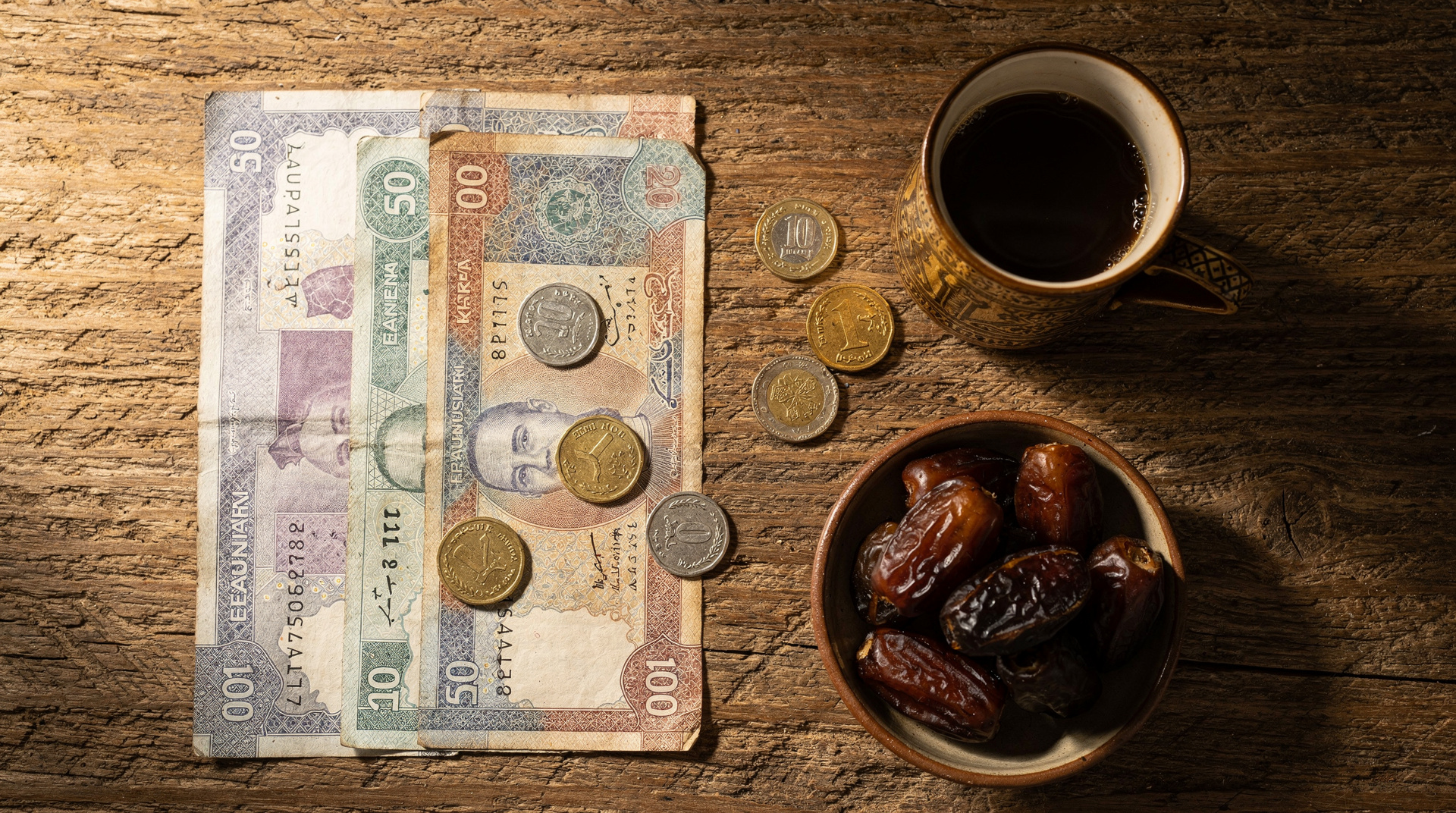
Carry cash for smaller sites and markets. Card payment is standard in Muscat hotels and restaurants. Traditional souqs, small wadi-side cafes, and local markets still prefer cash. Keep a supply of Omani rials for these situations.
Start wadi hikes early. Even in January, direct sun exposure in a wadi gorge can be intense by 11am. Starting hikes by 7:30-8:00am makes the experience significantly more comfortable and gives you the gorge largely to yourself before tour groups arrive.
Pacing Your Days in the January Cool
The cool air changes how a day in Oman is best shaped. Mornings are crisp, midday is warm but never punishing, and the late afternoon light is soft and golden. Plan the physical activities, such as wadi walks, fort climbs and dune hikes, for the first half of the day, then keep the late afternoon for slower things: a stroll along the Corniche, a coffee break, or the sunset from a viewpoint. Our Muscat city guide and Muttrah Souq guide show how to string those slower hours together.
Because evenings cool down quickly, January is also a fine month for eating outdoors. Terrace tables at the better restaurants are in demand, so reserve ahead using the best restaurants in Muscat as a starting point, and read the Omani food guide so you know what to order once you sit down. A cup of cardamom coffee and a plate of halwa is a fitting end to a cool evening; the Omani coffee culture guide and the guide to Omani halwa explain the rituals behind both.
Culture, Etiquette and Respect in the Busy Season
A crowded month puts extra pressure on the places visitors love. Move quietly through villages, ask before photographing people, and follow the guidance in the Oman etiquette and culture guide and the Oman dress code guide. Travellers who are curious about local rules around drinks should read alcohol in Oman before they book a table or a hotel. If you plan to take photographs at dawn or dusk, the photography guide to Oman points to the light and the subjects that reward an early start.
Choosing Your Style of Trip
January suits several kinds of traveller, and the same weather can support quite different holidays:
- Couples: The cool nights, quiet beaches and mountain terraces are made for a romantic trip. See Oman for couples for ideas on where to base yourselves.
- Families: Mild days make sightseeing with children easier than in any other season. The Oman with kids guide and the family beaches guide help you pick gentle, rewarding stops.
- Independent drivers: The roads are in good shape and the days are comfortable for long drives. Start with the Oman road trip planning guide and the car rental guide, then browse the scenic drives for routes worth the detour.
- Solo travellers: Busy sites mean company is easy to find. The solo travel guide covers how to move around confidently.
If you are still deciding whether the season, the budget and the route fit together, the guide to the cost of seven days in Oman and the Oman budget guide help you set realistic expectations before the peak-season rates settle in. For the wider picture of the weeks around this one, the Oman in December guide and the Oman in February guide show how the season shifts on either side of January.
January vs the Rest of the Winter Season
January is the busiest and priciest month, but it isn’t the only good one. Here’s how it stacks up:
| Month | Conditions | Crowds & prices |
|---|---|---|
| January | Coolest, most consistent across all regions | Peak of peak, book 6-8+ weeks out |
| February | Nearly identical, slightly warmer late month | Peak, with almond blossom draw |
| November | Warm transition from summer, still pleasant | Good value, noticeably quieter |
| March | Warming toward spring, still comfortable | Easing prices, fewer crowds |
Travellers prioritising value over the coolest possible temperatures should look at Oman in November or Oman in March, both of which deliver very similar conditions at a discount. For the full seasonal picture, see Oman in winter and best time to visit Oman.
Building a January Itinerary
Because January opens up every region simultaneously, it’s the easiest month to plan an ambitious multi-region loop. A well-paced structure is Muscat (2 nights) → Nizwa and Jebel Akhdar (2 nights) → Wahiba Sands overnight → Wadi Bani Khalid → Sur (1-2 nights) → back to Muscat. The 7-day classic Oman itinerary is built around exactly this route, while the 10-day grand tour extends it to include Salalah. Shorter on time? The 3-day Muscat express itinerary covers the capital and Wadi Shab without the desert or mountain legs.
Frequently asked questions about Oman in January: Weather, Things to Do & Travel Tips
What's the weather like in Oman in January?
January is Oman's coolest and most pleasant month. Muscat sees daytime highs of 24-26°C with cool evenings around 18-20°C. Wahiba Sands is ideal at 22-28°C. Jebel Akhdar can drop to 4-8°C at night, so mountain visitors need warm layers.What should I pack for Oman in January?
Pack light to mid-weight clothing for daytime — t-shirts, light trousers, and a sun hat. Bring a warm fleece or jacket for evenings in Muscat and a proper mid-layer for mountain destinations. Comfortable walking shoes and reef sandals for wadi hikes round out the essentials.Are there festivals in Oman in January?
The Muscat Festival traditionally runs through January and into February, featuring cultural performances, traditional crafts, food stalls, and family entertainment across several venues in the capital. Check the Ministry of Heritage and Tourism for specific 2026 dates.Is January expensive in Oman?
Yes — January is peak season and Oman's most expensive month. Hotel rates at popular properties in Muscat, Wahiba Sands, and Jebel Akhdar are at their annual high. Desert camps are booked weeks in advance. Booking early (at least 6-8 weeks out) is strongly recommended for best rates.Is January or November better value for Oman?
November offers noticeably better value with very similar weather — warm days, cool nights, and all regions accessible. January is cooler and busier, with the year's highest prices. If budget matters more than shaving a couple of degrees off the temperature, November is the smarter pick.How many days do I need in Oman in January?
A minimum of 7 days allows a realistic Muscat-desert-mountain loop without rushing. Travellers wanting to add Salalah and the south should plan 10-14 days, since domestic distances in Oman are larger than they first appear on a map.
Top experiences
Bookable activities with verified prices and instant confirmation on GetYourGuide.
 📍 Muscat
 Muscat: half-day city tour
- Free cancellation
- Instant confirmation
- Hotel pickup
 📍 Wahiba Sands
 From Muscat: desert overnight and Wadi Bani Khalid
- Private tour
- Hotel pickup
- Free cancellation
 📍 Daymaniyat Islands
 Muscat: Daymaniat Islands snorkeling trip with lunch
- Lunch included
- Pickup included
- Free cancellation
 📍 Wadi Shab
 Explore Wadi Shab: hike and swim in paradise
- Free cancellation
- Pickup included
- Small group
 📍 Nizwa
 Muscat: explore Nizwa Fort and Souq + Jebel Akhdar
- Free cancellation
- Hotel pickup
- English guide