Oman in July: Weather, Things to Do & Travel Tips
Salalah highlights: Wadi Darbat, Taqah Cave and Baobab tour
Duration: 6 hours
- Free cancellation
- Hotel pickup
- English guide
Is July a good time to visit Oman?
July is ideal for Salalah — the Khareef is in full swing, turning Dhofar into Arabia's most surprising green landscape, with temperatures around 22-26°C. Avoid Muscat and the north in July, where temperatures reach 40-45°C with high humidity.
Weather and Conditions in July
| At a glance | |
|---|---|
| Where | Salalah and Dhofar only — skip Muscat and the interior |
| Cost | Salalah at its most expensive week of the year; Muscat at its cheapest |
| Time needed | 3-4 nights minimum to cover east, west and city Salalah properly |
| Getting there | Fly Muscat-Salalah (around 90 minutes) or drive from the UAE via Muscat |
| Best time within the month | Weekday mornings, before the Khareef Festival crowds build in the evening |
July represents the sharpest weather divide in Oman’s annual calendar. The country splits into two entirely different travel realities — one to be avoided, one genuinely exceptional.
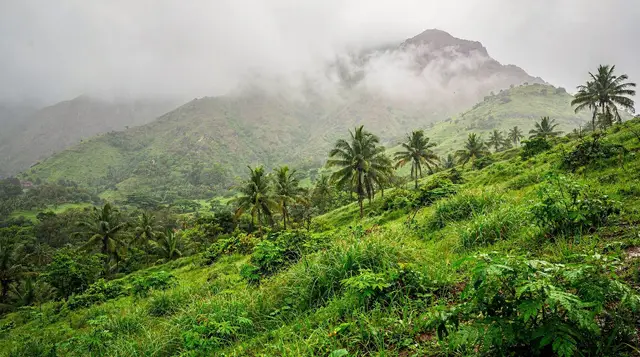
Salalah and Dhofar: This is July’s Oman travel story. The Khareef monsoon is in full force, transforming the Dhofar coast and mountains into a landscape of remarkable lush greenery, seasonal waterfalls, and cool misty air. Temperatures sit at a comfortable 22-26°C — extraordinary in a country where July elsewhere means 45°C. The coastline south and west of Salalah turns into what local tourism materials accurately call “the Caribbean of Arabia”: coconut palms, banana trees, and cattle grazing on green hillsides. Wadi Darbat fills with water and a waterfall cascades into the valley. This is Oman’s most counterintuitive and surprising travel experience.
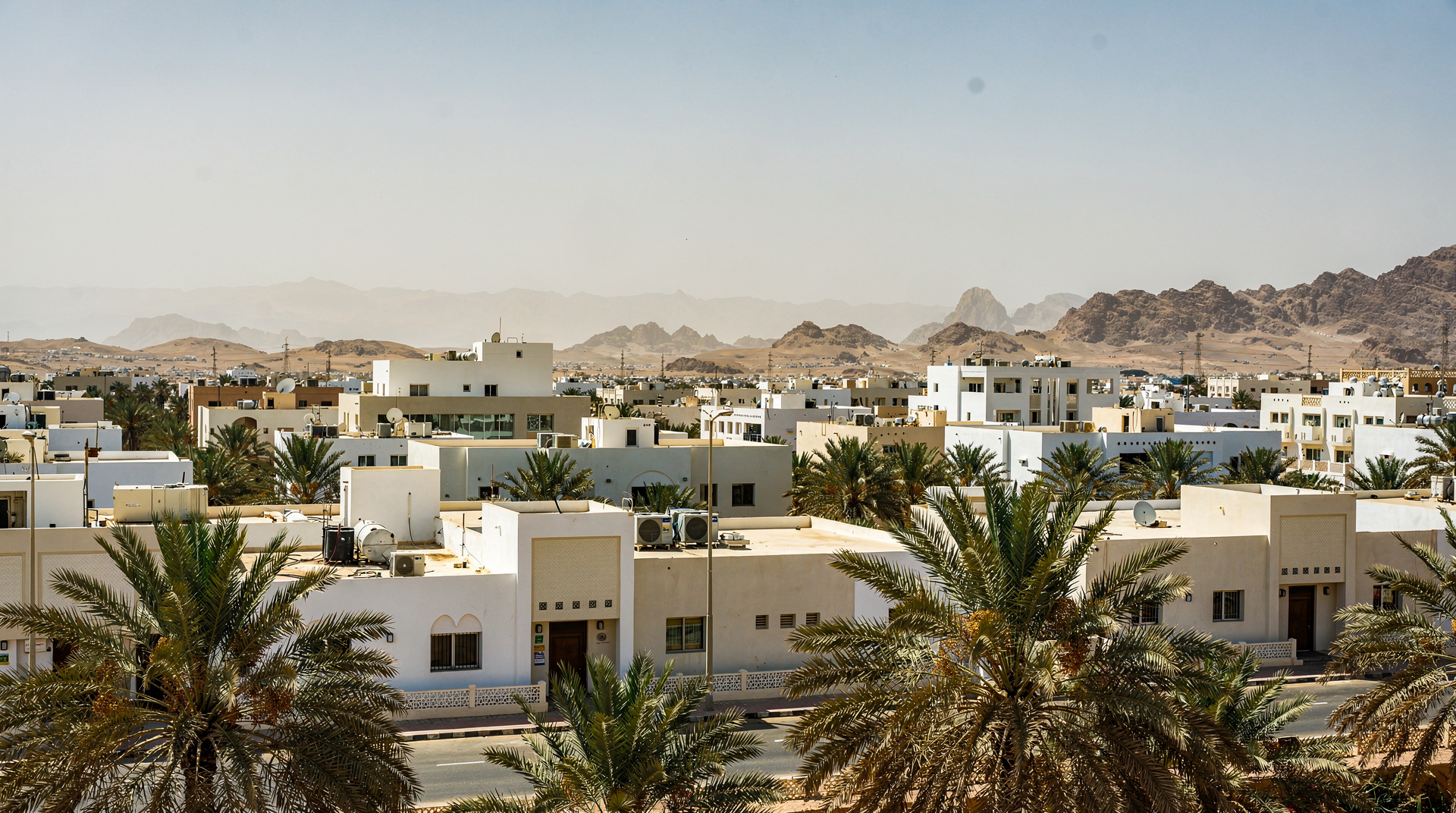
Muscat and northern Oman: July in Muscat is extreme. Temperatures of 40-45°C with humidity regularly above 70% produce a heat that feels genuinely oppressive. Even with the best heat management strategies, extended outdoor time is inadvisable for most visitors. The city functions entirely around air conditioning: malls, hotels, restaurants, and museums. The Muscat summer experience is indoor Oman.
The desert and interior: Wahiba Sands, Nizwa, and the Al Hajar mountain region are effectively off the tourist map in July. Temperatures exceed 45°C in the desert and the experience is uncomfortable even for well-prepared, heat-acclimatised visitors.
Musandam: Hot but less humid than Muscat (38-41°C). Early-morning boat activities in the fjord are possible and the scenery is extraordinary year-round. A viable option for UAE-based visitors seeking a quick Oman boat trip.
What to Expect from the Crowds and Prices
July divides the crowd pattern starkly by destination.
Salalah is at peak season — the most crowded month of the year for Dhofar. Gulf families descend in large numbers, UAE and Saudi visitors fill the coastal resorts, and the Khareef Festival draws hundreds of thousands of visitors over the course of the season. Hotels along the Salalah coast and in the city sell out months in advance. If you have not booked accommodation, finding a good room at a reasonable rate for July is difficult. Book at minimum 2-3 months ahead; for the most popular resorts, 4-6 months is safer.
Muscat is at minimum occupancy — one of the best months of the year for budget travel to the capital. Rates at quality hotels drop dramatically, and the indoor tourism offerings (museums, the Royal Opera House, luxury hotel dining) are excellent value.
Top Things to Do in Oman in July
July is fundamentally a Salalah month. Here is what to prioritise:
-
Khareef landscapes at Wadi Darbat: The most iconic Khareef experience is Wadi Darbat in July — a seasonal lake forms at the base of the wadi, a waterfall drops from the plateau above, and cattle and camels graze on the green banks. A Salalah east highlights tour visiting Wadi Darbat and Taqah Cave is the essential first-day activity in Salalah.
-
Khareef Festival: The festival grounds host performances of traditional Omani and Dhofari music and dance, with food stalls serving local specialities like shuwa (slow-cooked meat), halwa, and Dhofari honey. The evenings are particularly atmospheric with cool air and the festival lit up against the Dhofar night sky. Check specific 2026 festival locations and dates through the official Salalah Tourism website.
-
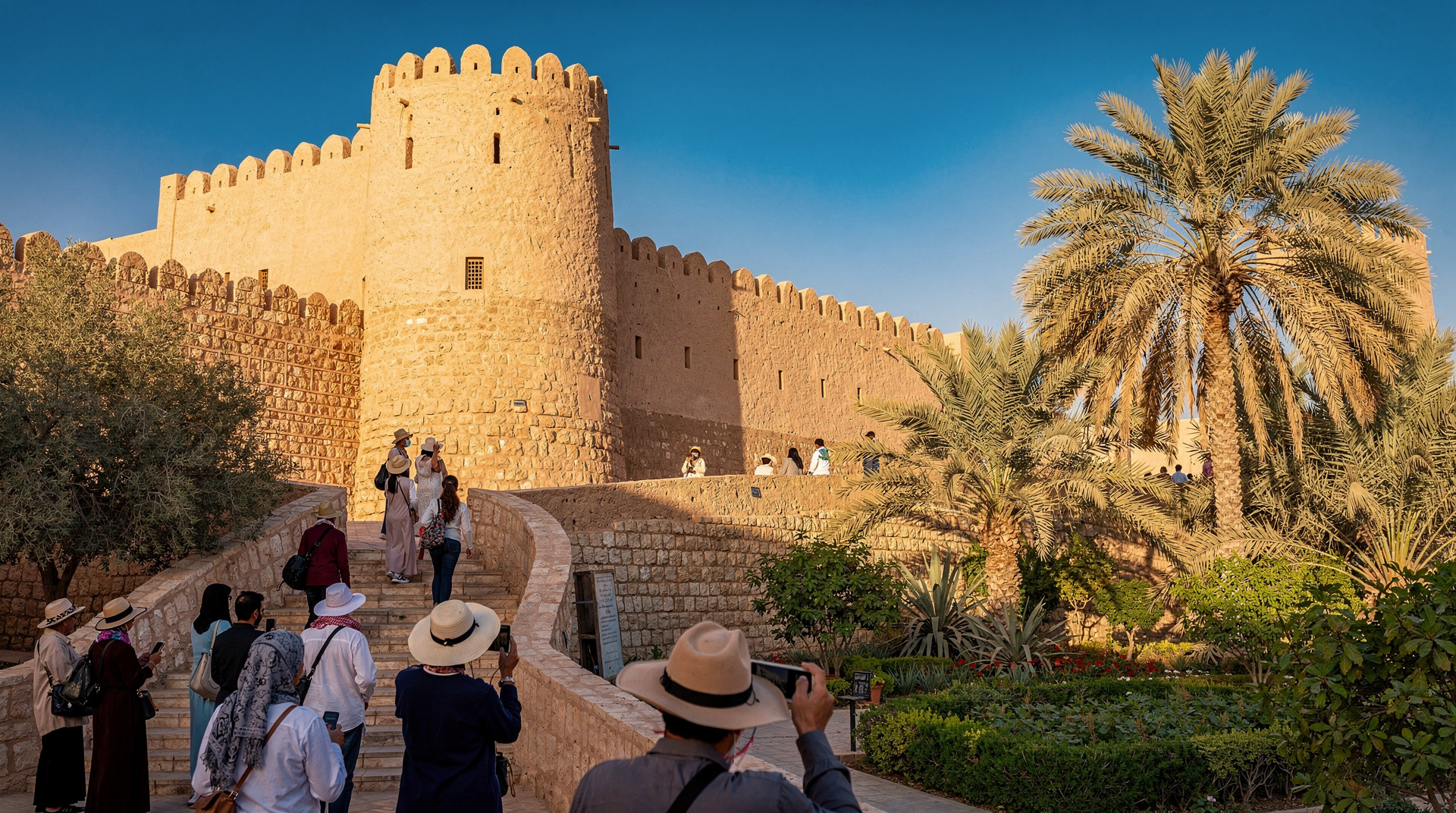
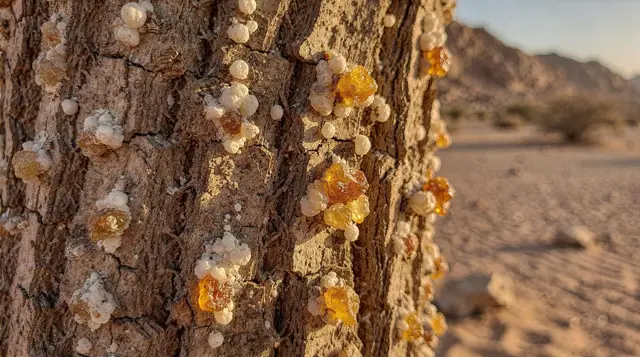
Frankincense heritage sites: July’s comfortable Salalah temperatures make the archaeological and heritage sites genuinely enjoyable. The frankincense trees at Wadi Dawkah, the ancient port ruins at Khor Rori, and the Land of Frankincense UNESCO park at Al Baleed can be explored properly. A Salalah city highlights tour with a local guide covers these efficiently.
-
West Salalah coastal drive: The coastal road west of Salalah to Mughsail Beach and the blowholes is spectacular in July. The Khareef transforms this coastline — the sea is dramatic with monsoon swells, the blowholes are active, and the white sandy beaches have a wild, moody quality very different from the placid winter coast.
-
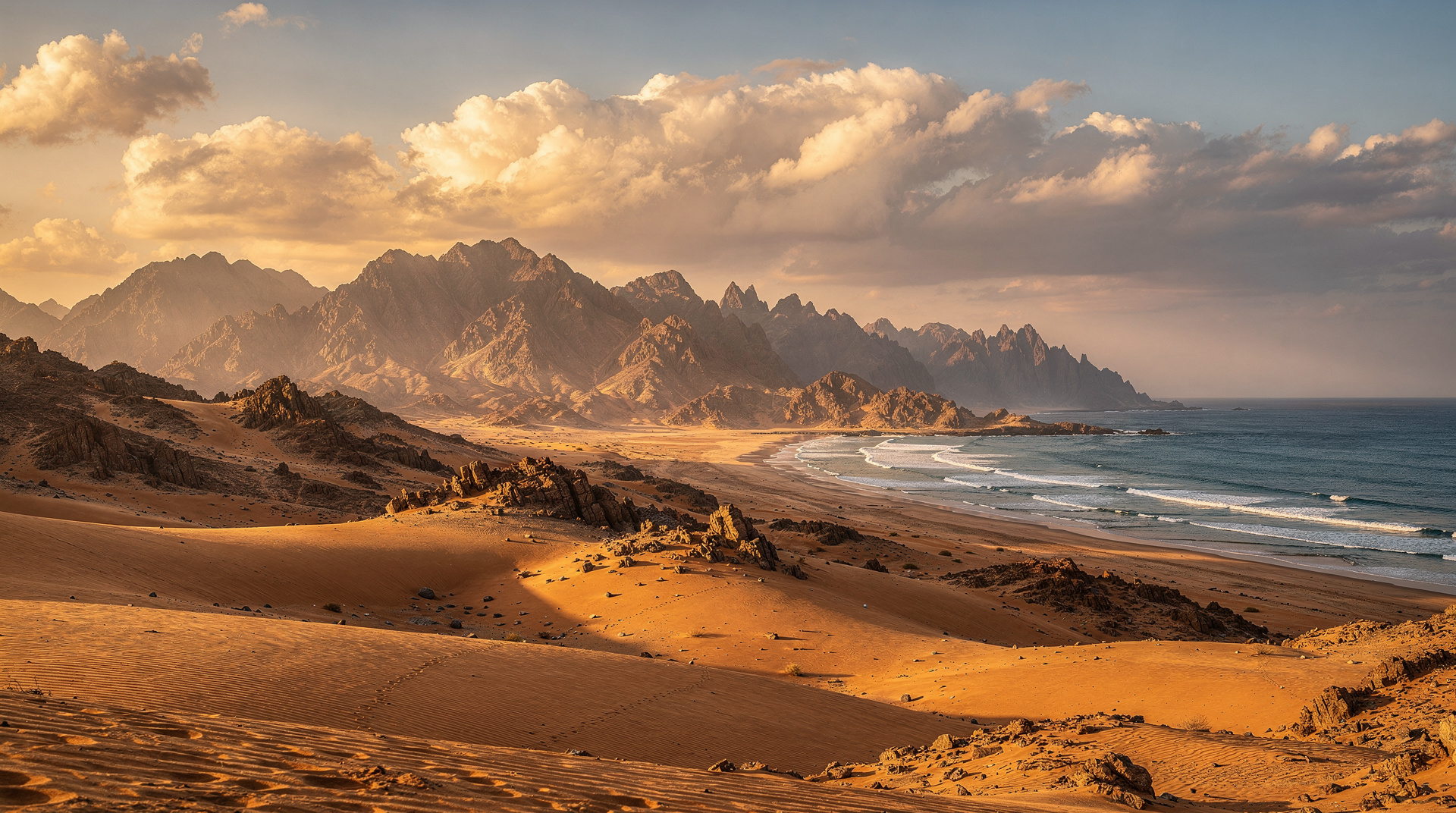
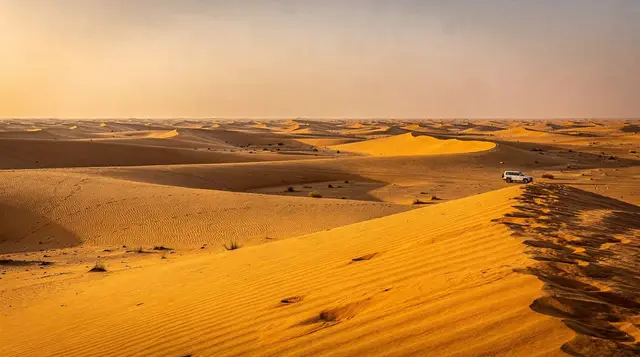
Empty Quarter sunset from Salalah: The Empty Quarter desert is accessible from Salalah even in July, and the contrast between the green Dhofar coast and the red sand dunes an hour south is remarkable. A Salalah sunset desert safari to the Rub Al Khali Empty Quarter is an extraordinary contrast with the green Khareef scenery just an hour away.
-
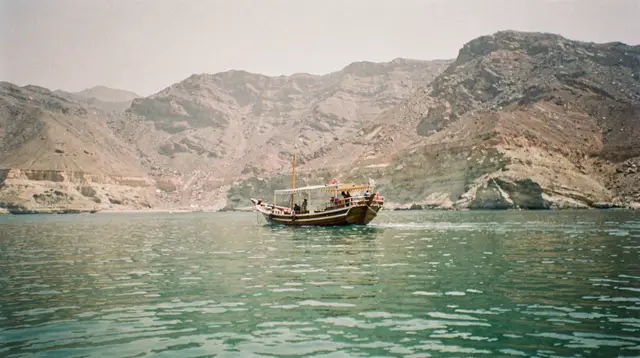
Musandam dhow morning (if north-based): For visitors who must be in the north, a very early morning Musandam fjord dhow cruise is a highlight even in July — the fjord is calm before 9am, dolphins are active, and the dramatic limestone walls rising from the sea are extraordinary.
Where to Go in Oman in July
Salalah — The only significant outdoor tourism destination in Oman during July. The Khareef experience is genuinely worth the trip, and Salalah’s infrastructure handles the visitor numbers well. Plan at least 3-4 nights to cover the east (Wadi Darbat, Taqah, Mirbat), west (Mughsail, Fazayah), and city heritage properly.
Musandam — A secondary July option, particularly for UAE-based visitors. The fjord is spectacular year-round and early morning boat activities are very comfortable even in the Gulf summer heat.
Muscat (indoor only) — If you must be in Muscat in July, budget accommodation, the Royal Opera House summer programme (check for 2026 schedule), and the National Museum are worth your time. The Mutrah Fish Market at dawn is a fascinating early-morning experience that gets you back indoors before the worst of the heat.
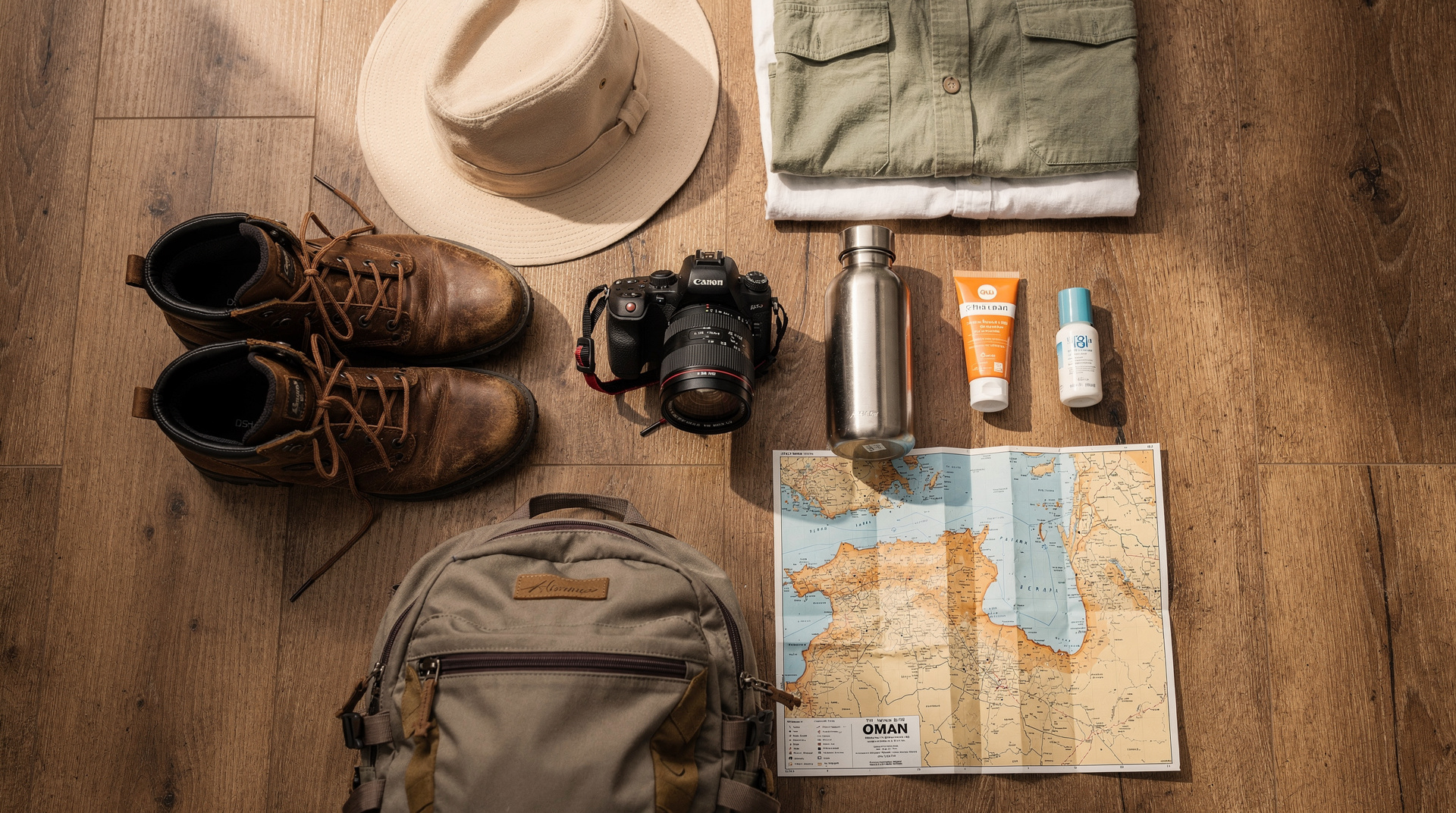
What to Pack for Oman in July
For Salalah:
- A waterproof jacket or poncho — the Khareef mist becomes light rain in mountain areas.
- A fleece or light down jacket for mountain evening temperatures (can feel cold at 18-20°C after dark on the Dhofar plateau).
- Waterproof walking shoes or trail shoes with grip — paths in Wadi Darbat and on the Dhofar plateau get muddy and slippery in Khareef.
- Light summer clothing for Salalah city (22-26°C during the day is comfortable in thin fabrics).
- A buff or scarf for the misty, slightly cool coastal drives.
For Muscat (if unavoidable):
- Absolute minimum clothing for heat management.
- Comprehensive sun protection for brief outdoor transitions.
- Comfortable indoor clothing — you will spend most of your time in air conditioning.
Festivals and Events in July
Khareef Festival of Salalah: One of Oman’s largest annual events, typically running from late July through the end of August. The festival celebrates Dhofar’s unique monsoon culture with traditional music, dance, equestrian shows, local food markets, craft stalls, and family entertainment. International cultural groups from across the Arab world participate. Check the 2026 festival programme through Salalah Municipality or Oman Tourism for specific dates and venues.
Dhofari cultural activities: Throughout July, local cultural associations in Salalah organise evenings of traditional Dhofari music and dance (rababah music, traditional Dhofari women’s dance) that are open to visitors and give a more intimate cultural experience than the main festival stage.
July at a Glance: Salalah vs Muscat vs Musandam
| Destination | Daytime temp | Crowds | Best for |
|---|---|---|---|
| Salalah (Dhofar) | 22-26°C, misty | Peak of the year | Khareef greenery, Wadi Darbat, the Salalah highlights region |
| Muscat | 40-45°C, humid | Lowest of the year | Museums, Royal Opera House, indoor culture at bargain rates |
| Musandam | 38-41°C, drier | Moderate | Early-morning dhow cruises through the fjords |
If you are torn between destinations at any time of year, the general best time to visit Oman guide and the companion Oman in summer overview explain how the shoulder months bridge the two extremes.
Why the Khareef Happens
The Khareef is the tail end of the Indian Ocean summer monsoon, which pushes moist air against the Dhofar mountains from June through September. Unlike the rest of the Arabian Peninsula, which sits outside the monsoon belt entirely, Dhofar’s mountain range catches this moisture and converts it into near-daily mist, drizzle and cooler air — a quirk of geography found almost nowhere else on the peninsula. It is the reason Salalah develops its own weather system, essentially independent from the rest of the country, for roughly three months a year.
Getting to Salalah for the Khareef
Most visitors fly Muscat to Salalah on Oman Air, a flight of around 90 minutes that runs several times daily during Khareef season — book this leg alongside your international flight if possible, since seats tighten through July. Driving from Muscat takes roughly 10-12 hours on a well-maintained but long desert highway; it is a legitimate option for those wanting to see the transition from desert to green Dhofar, but it eats a full day each way.
UAE-based visitors sometimes combine a Musandam dhow cruise in the north with a separate flight south rather than attempting the whole country in one trip. For a fuller west-to-east breakdown of getting around once you land, see the getting around Oman guide.
Practical Tips for July Travel
Book Salalah accommodation 3-4 months ahead. July is the peak Khareef month and accommodation fills completely. The Salalah Marriott, Hilton Salalah, and the smaller boutique properties along the beach all sell out. Book flights (Oman Air from Muscat, or direct Gulf carrier flights) at the same time.
Expect the Khareef mist to sometimes block views. The Dhofar mountains in July are often completely wrapped in cloud. This is atmospheric and beautiful, but visitors expecting to see sweeping panoramic views may be disappointed if the cloud is thick. Mornings sometimes offer brief windows of clarity before the mist closes in.
Salalah driving is necessary. Unlike Muscat where most tourist sites are relatively accessible, exploring Salalah’s east (Wadi Darbat, Mirbat, Ras Al Jinz area) and west (Mughsail, Fazayah) requires a car. Rent from the airport on arrival. Roads are good and a standard 2WD is sufficient for all paved Salalah area routes.
Monsoon swimming is not recommended. The Indian Ocean off Salalah’s coast is dramatically rough in July — large swells, strong currents, and crashing waves. Swimming is not advised at most Salalah beaches during Khareef. The appeal of the coastline in July is the dramatic scenery, not water activities.
Frequently asked questions about Oman in July: Weather, Things to Do & Travel Tips
What's the weather like in Oman in July?
Salalah in July is cool and misty: 22-26°C with coastal fog and occasional drizzle. The Dhofar mountains are lush green. Muscat and the north are at peak summer heat: 40-45°C with high humidity. Wahiba Sands and the interior exceed 45°C and are effectively inaccessible for tourism.What should I pack for Oman in July?
For Salalah: a waterproof layer and a fleece for misty mountain evenings, waterproof walking shoes, and light summer clothing for the city. The Khareef mist can be cold at altitude. For Muscat (if unavoidable): the absolute lightest summer clothing and comprehensive sun protection.Are there festivals in Oman in July?
The Khareef Festival of Salalah runs through July and August, featuring traditional music, cultural performances, food stalls, handicraft markets, and family entertainment. It is one of Oman's largest annual festivals and draws hundreds of thousands of Gulf visitors. The festival typically runs from late July through the end of August.Is July expensive in Oman?
Salalah in July is at peak Khareef prices — hotel rates are at their annual high for the city, and popular resorts along the Salalah coast are booked months in advance. Muscat, by contrast, offers some of its lowest rates of the year. Book Salalah accommodation at least 2-3 months ahead for any July visit.Can I combine Muscat and Salalah in one July trip?
Yes, but keep Muscat time to a single transit night if possible. A common pattern is landing in Muscat, taking an early Oman Air flight south the same or next morning, spending the bulk of the trip in the Khareef, then flying back through Muscat with a short evening for the Royal Opera House or the National Museum before departure.Is Wadi Shab worth visiting in July?
Not really. Wadi Shab sits in the hot, humid north and is uncomfortable and potentially risky in July heat. Save it for a cooler month; in July the equivalent hidden-cave experience is Wadi Darbat near Salalah, which is comfortable thanks to the Khareef mist.
Top experiences
Bookable activities with verified prices and instant confirmation on GetYourGuide.
 📍 Salalah
 Salalah highlights: Wadi Darbat, Taqah Cave and Baobab tour
- Free cancellation
- Hotel pickup
- English guide
 📍 Salalah
 Salalah: highlights tour of heritage sites, markets and beach
- Free cancellation
- Hotel pickup
- English guide
 📍 Khasab
 Khasab: half-day dhow cruise, dolphin watching, and snorkeling
- Instant confirmation
- Pickup included
- Best seller
 📍 Salalah
 Salalah: sunset desert safari - Rub Al Khali - Empty Quarter
- Free cancellation
- Hotel pickup
- Small group