Oman Souvenirs and Shopping: What to Buy and Where to Find It
Muscat: city tour of Grand Mosque, old souqs, museum and fort
Duration: 5 hours
- Instant confirmation
- Hotel pickup
- English guide
What are the best souvenirs to buy in Oman?
Frankincense (luban) and a burner, Omani halwa in a wooden box, silver jewellery from Muttrah Souq, khanjar daggers (replica), hand-thrown pottery from Al Bahla, and Dhofari rose water are the most distinctive Omani purchases.
Shopping in Oman: Between Ancient Souq and Modern Mall
Oman occupies an interesting position in the Gulf shopping landscape. Unlike Dubai or Abu Dhabi, where retail has become a tourist industry in its own right and where the mall has largely displaced the traditional market, Oman retains a functioning souq culture alongside its modern retail. The same product — silver jewellery, frankincense, handcrafted pottery — can often be purchased from an elderly artisan in a market that has traded on that site for centuries or from an air-conditioned boutique in a modern development.
This matters to visitors because it means the shopping experience itself is a cultural encounter rather than just a transaction. Bargaining is expected in traditional markets, the backstory of an item is often as interesting as the item itself, and purchasing directly from a craftsperson or a family business that has operated for generations is a meaningfully different experience from buying the same thing in an airport gift shop.
This guide covers the major categories of Omani purchases worth considering, with honest assessments of quality variation, price ranges, and where to find the best examples of each. It then covers the main shopping locations — souqs and markets — with practical information on access and navigation.
At a Glance
| Where | Muttrah Souq (Muscat), Nizwa Souq, Al Hafah Souq (Salalah), Bahla Market |
| Cost | Small items from around 1-5 OMR; genuine khanjars and antique silver run well into the hundreds |
| Time needed | Allow at least half a day for Muttrah Souq, 1-2 hours for smaller souqs |
| Payment | Cash preferred for bargaining; card accepted in most fixed-price boutiques |
| Best time to go | Morning or early evening, when souqs are open and cooler |
The Essential Omani Purchases
Frankincense (Luban)
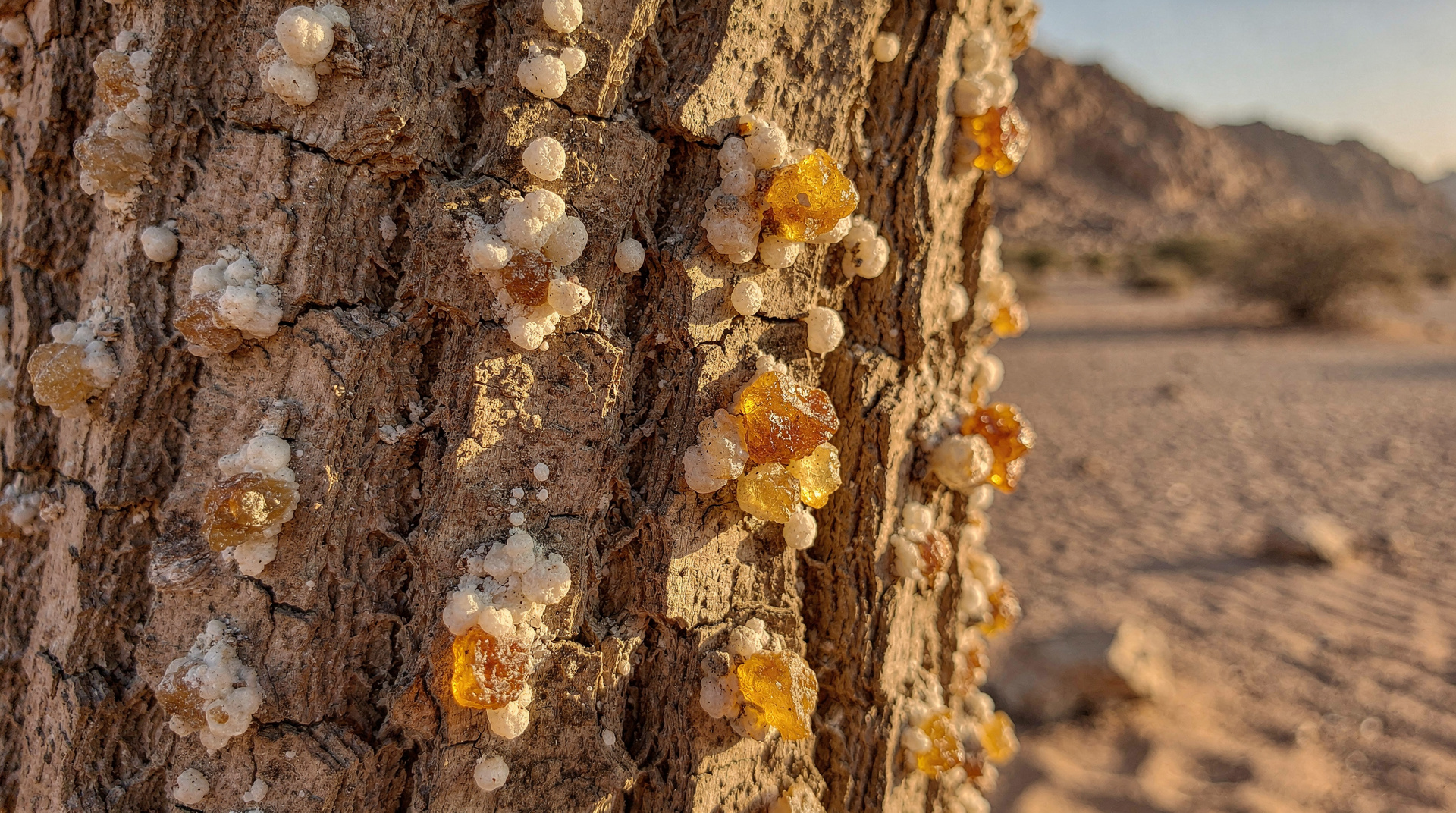
Oman’s connection to frankincense is ancient, deep, and commercially significant. The Dhofar region of southern Oman is one of the world’s few sources of high-quality frankincense resin, and the frankincense trade has been a central element of Omani history for at least 3,000 years. Buying frankincense from an Omani souq is not buying a tourist trinket — it is participating in one of humanity’s oldest commercial traditions.
The resin comes in several grades and species. Hojari frankincense from Dhofar is the premium grade — pale green or silver-white, translucent, with a sharp, citrusy-resinous scent when burned. It commands a significant premium over the brownish-amber varieties. Shaabi, the common grade, is darker and cheaper. Genuine Hojari, sold in good quantities, is not inexpensive — expect to pay 3-8 OMR per 100 grams for quality resin.
To use frankincense, you also need a burner (mabkhara). The traditional Omani mabkhara is a ceramic or clay vessel, often decorated with geometric patterns. Charcoal discs (readily available) are placed in the burner, lit, and a piece of resin placed on top. The smoke is substantial and aromatic. Modern electric frankincense burners also exist and avoid the need for charcoal.
Where to buy: The Dhofar souqs in Salalah — specifically the Al Hafah Souq — are the source. Frankincense sold in Salalah is fresher, closer to the source, and typically better value than the same product in Muscat. In Muscat, Muttrah Souq has good selections but prices reflect the Muscat premium.
Price benchmarks: Mabkhara ceramic burner: 2-5 OMR for a basic model, 10-25 OMR for a decorative piece. Hojari resin: 3-8 OMR per 100g. Charcoal discs: 0.5 OMR for a pack.
The Khanjar (Traditional Dagger)
The khanjar is the curved, double-edged dagger that appears on the Omani flag and is worn by Omani men on formal occasions. It is the most quintessentially Omani object — deeply embedded in national identity, crafted regionally with techniques handed down over generations, and genuinely beautiful as an object of decorative art.
Authentic khanjars are not cheap. A genuine piece with a silver-wrapped handle, silver-embroidered scabbard, and a proper blade will cost anywhere from 50 to several hundred OMR for a tourist-grade piece, and thousands for an antique or collector’s example. The craftsmanship — tiny silver wire worked into geometric patterns around the hilt, embossed silver or gold on the sheath — is genuinely extraordinary at the higher price points.
Replica khanjars, marketed explicitly as decorative pieces, are available from 5-20 OMR and are the appropriate purchase for most visitors. They are well-made as decorative items but are not functional knives and do not carry the full craft investment of a genuine piece.
The distinction: Genuine khanjars have a maker’s mark, real silver content in the metalwork, and a blade that is actually sharp. Replicas have thinner metal, decorative rather than functional blades, and lower-quality fabric or leather work. Examine the stitching on the scabbard and the evenness of the metalwork — these distinguish levels of quality.
Where to buy: Muttrah Souq in Muscat has the widest selection across all price points. Nizwa Souq has good examples more oriented toward local buyers. Salalah souqs carry Dhofari variants with slightly different styling.
Omani Silver Jewellery
Oman has a long tradition of silver jewellery making, and the pieces associated with different regions have distinctive styles — the chunky, geometric pieces of the north differ from the more delicate work of the south. Traditional pieces — large bracelets, anklets, elaborate necklaces with coin or bead pendants — represent genuine craft traditions rather than tourist manufacture.
The best approach to silver shopping is to understand what you are looking for. Antique pieces (pre-1970s) are genuinely collectible and command premium prices; the best antique dealers are in Muttrah Souq and can document provenance. Modern pieces in traditional styles are widely available at mid-price points. Contemporary Omani jewellery, designed by younger Omani craftspeople working in traditional aesthetics with modern materials, is available at galleries and boutiques in Muscat.
Pricing guidance: Silver content varies. 925 (sterling) silver pieces carry a hallmark. Much traditional jewellery is silver-plated over a base metal — the price should reflect this. A genuine sterling silver bracelet of traditional design: 15-40 OMR. Antique pieces with historical significance: very variable, requires specialist assessment.
Where to buy: Muttrah Souq for the full range. Al Hamra and Ibra are known for authentic village-sourced older pieces. Silver boutiques in the MQ (Muttrah Quay) development and in Royal Opera House vicinity for curated contemporary work.
Omani Halwa
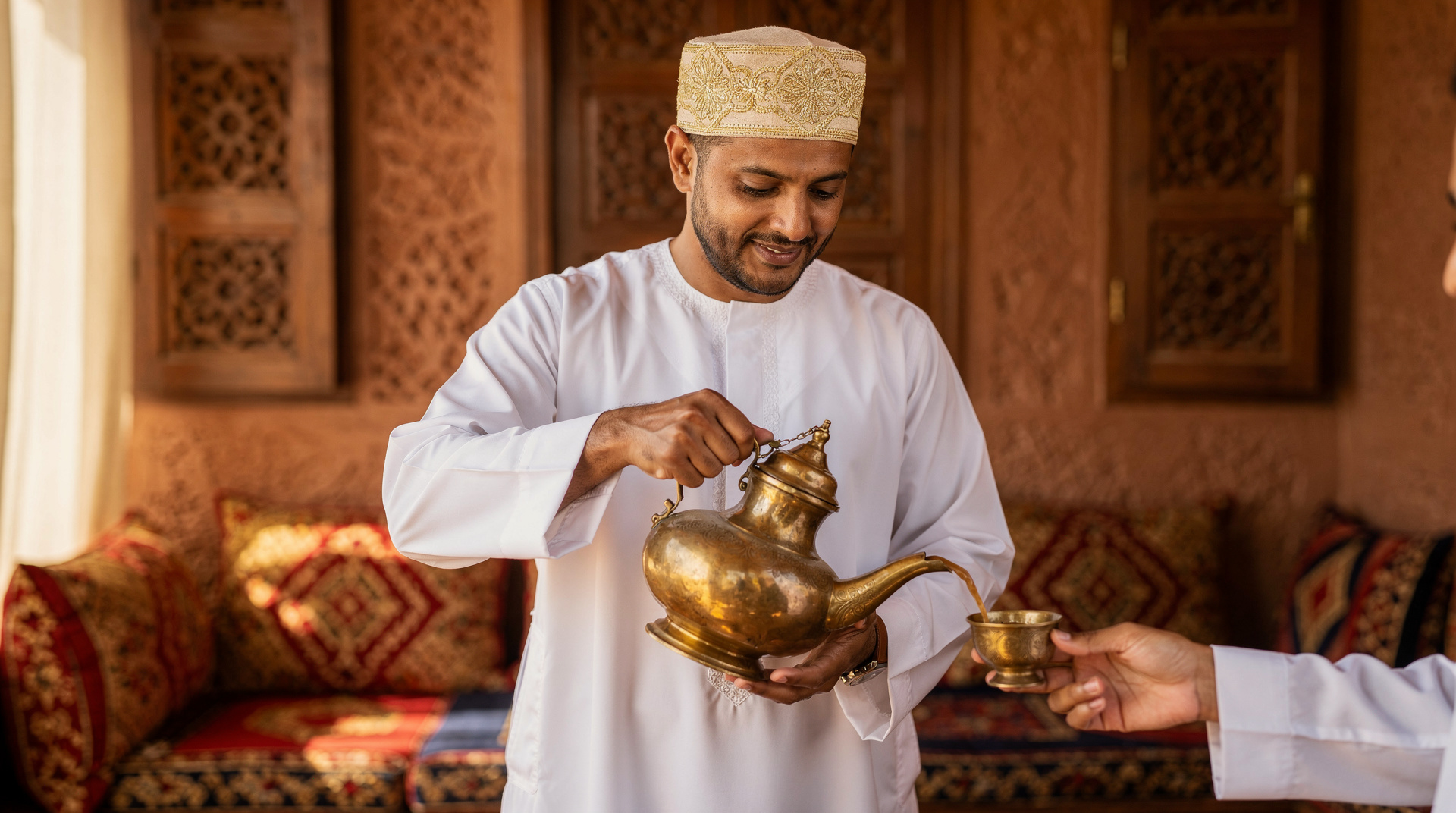
Halwa is the traditional Omani sweet — a dense, gelatinous confection made from sugar, rosewater, eggs, ghee, saffron, cardamom, and various nuts. It is served to guests as a gesture of hospitality, consumed with Omani coffee (qahwa), and eaten on celebratory occasions. It is also an excellent gift and an easy purchase.
The quality variation between halwa producers is significant. The best halwa comes from specialist shops that make it fresh — the texture should be glossy and slightly sticky, the flavour complex with multiple spice notes, and the colour a rich amber-brown. Halwa sold in sealed tins and mass-produced for tourist gift shops is noticeably inferior.
Halwa is sold by weight (typically around 1-2 OMR per 250 grams) and can be purchased in decorative wooden or ceramic containers that make excellent presentation gifts. It keeps well — several weeks at room temperature, longer refrigerated — and transports without difficulty.
Where to buy: Salalah has some of the most highly regarded halwa makers, particularly in the old city area. In Muscat, the Muttrah Souq area has several traditional halwa shops that make fresh batches daily. Nizwa Souq is another excellent source.
Pottery from Al Bahla
The town of Bahla, near Nizwa in the Al Hajar mountains, has been a centre of pottery making for centuries. The local tradition produces functional and decorative pieces in reddish-brown clay — water jars (zir), serving bowls, incense burners, and decorative pieces in traditional geometric patterns.
Bahla pottery is a genuinely regional craft with a distinctive aesthetic that is not reproduced commercially elsewhere. Purchasing directly from workshops in Bahla supports the continued practice of the craft. The pottery is relatively fragile and requires careful packing for transport; newspaper wrapping and a solid bag are minimum.
Pricing: Small decorative pieces from 1-5 OMR. Large traditional water jars 8-20 OMR. Quality varies between workshops — look for evenness of form and glaze consistency.
Where to buy: Bahla town has the workshops. The market adjacent to Bahla Fort sells pieces regularly. Craft shops in Nizwa Souq also carry Bahla pottery. For context on the broader area, see the Bahla Fort guide.
Dhofari Rose Water and Essential Oils
The frankincense region of Dhofar is also associated with other aromatic products. Rose water produced from local roses, oud (agarwood) products, and various blended perfume oils are distinctive and appealing purchases. Omani oud has significant cultural status — it is burned in homes on special occasions and worn as a personal fragrance.
The oud market has a price range from very inexpensive (blended, synthetic) to very expensive (genuine agarwood). Genuine oud chips for burning represent a more authentic experience than most blended products and allow the user to control the amount burned.
Pricing: Rose water sprays 1-3 OMR. Oud blends for skin application 5-25 OMR. Genuine oud chips for burning: significantly more, depending on grade.
Omani Textiles and Dishdasha Fabric
The dishdasha — the long white robe worn by Omani men — is made from high-quality cotton fabric, and the embroidered collar section (the kuma or tassel) is a distinctive element that varies by region and occasion. The fabric itself and various textile products make for distinctive purchases.
Khareef blankets (thick woven blankets used during the Salalah monsoon season) are practical, distinctive, and available in Dhofar. Woven date baskets (dallahs), palm frond products, and Bedouin-style woven bags are available at souqs across the country.
Shopping Locations: A Guide to the Best Souqs
Muttrah Souq, Muscat
The most famous and most visited traditional market in Oman. The main covered alley of Muttrah Souq runs for several hundred metres through a historic building — the roof ventilation, the narrow corridors, and the range of shops selling everything from tourist trinkets to serious antiques make it genuinely atmospheric rather than a staged heritage experience.
Navigation requires some persistence — it is genuinely labyrinthine, and shops selling similar items are distributed throughout rather than organised by category. The frankincense and incense section is easiest to find (follow your nose). Silver jewellery shops are clustered in specific sections. Antique dealers tend to be toward the interior of the market.
Prices are negotiable throughout Muttrah Souq. The opening price is typically 1.5 to 2 times the fair price. A polite counter-offer of 50-60 percent of the opening price, followed by a negotiation that settles somewhere in the middle, is standard. Do not be aggressive or rude — the process should be pleasant for both parties.
The Muscat half-day city tour typically includes Muttrah Souq as a stop, which is an excellent introduction if you plan to return independently later for more focused shopping.
Nizwa Souq
The main souq in Oman’s former capital is significant for its concentration of genuine craft items oriented toward Omani rather than tourist buyers. The Friday and Saturday morning livestock market draws local farmers and traders who also sell household goods, traditional weapons, jewellery, and craft items in the adjacent areas.
Nizwa Souq is often a better source than Muttrah for genuine antique jewellery and traditional tools because the clientele includes Omani buyers who know the difference — meaning sellers are less likely to pass off reproductions as originals to someone who understands what they are looking at. Take time to look carefully.
The round fort tower adjacent to the souq is one of Oman’s most impressive historical structures and worth including in any Nizwa visit. For context on the Nizwa area and nearby villages, see the guide to Al Hamra and Misfat villages.
Al Hafah Souq, Salalah
The primary frankincense market in Oman. Multiple stalls and small shops selling resin, burners, charcoal, and related incense products cluster in this market on the edge of Salalah’s old city. The selection is extraordinary — different species, different grades, different origins, presented by sellers with genuine expertise in their product.
Al Hafah Souq also has silver jewellery vendors with Dhofari-style pieces that differ meaningfully from northern Omani work — the southern pieces tend toward more substantial, bolder forms. The textile section has woven Yemeni-influenced products reflecting Dhofar’s geographic proximity to Yemen.
Bahla Market
The weekly market at Bahla is primarily a local supply market — fruits, vegetables, spices, and household goods — but the craft section sells Bahla pottery directly from the workshops at unmediated prices. Arriving early morning gives the best selection before other buyers have picked through it. The Bahla Fort UNESCO guide covers the historic site adjacent to the market in detail.
Royal Opera House Vicinity, Muscat
The development around the Royal Opera House in Muscat has attracted a cluster of upmarket galleries, boutiques, and craft shops selling contemporary Omani design work. This is the place for visitors who want quality pieces in a comfortable, fixed-price environment without negotiation. Prices are higher than the souqs but quality is consistent and the presentation is excellent.
Fair Prices and Bargaining Guidance
Understanding what constitutes a fair price prevents both overpaying and the uncomfortable experience of bargaining so aggressively that a genuine artisan is selling below cost. Some useful benchmarks:
A reasonable test of any quoted price: would an Omani buyer pay this? Sellers in mixed markets with both local and tourist customers have a fairly consistent local price. Starting negotiations at around 60 percent of the opening price and settling at 70-80 percent is typically a fair outcome in Muttrah Souq.
Items with clear, marked prices (in some shops, particularly modern boutiques that have moved away from the bargaining model) should be taken at face value — offering to negotiate in these contexts is inappropriate.
For expensive items — antique jewellery, high-grade frankincense, genuine khanjars — the investment of time in examining multiple shops before purchasing pays dividends both in price and confidence that you have correctly assessed quality.
For context on local cultural norms around shopping interactions — bargaining etiquette, greetings, and what is appropriate in a souq setting — the Oman etiquette guide is essential reading before your first market visit.
Customs and Export Considerations
Replica khanjar daggers are allowable as checked baggage but not carry-on on flights. Frankincense and essential oils in quantities appropriate for personal use are unrestricted. Genuine antiques and historical artefacts require export documentation from the Omani Ministry of Heritage and Culture — reputable antique dealers are aware of this process and can assist.
Alcohol purchased at the duty-free on airport departure can only be purchased by non-Muslim travellers and is limited by the standard duty-free allowances.
Combining Shopping With Sightseeing
Shopping in Oman works best woven into a wider itinerary rather than treated as a separate errand. Muttrah Souq sits right beside the Mutrah Corniche and is a natural add-on to a day spent around Muscat, while Nizwa Souq pairs naturally with a visit to Nizwa Fort and the nearby Al Hamra and Misfat villages.
In the south, the frankincense trail in Salalah leads directly to Al Hafah Souq, so budget shopping time into that day rather than rushing it. If you are unsure what else to see nearby, our Salalah complete guide and best restaurants in Muscat round out a day that mixes culture, food, and shopping.
Frequently asked questions about souvenirs and shopping in Oman
Is bargaining expected in all Omani shops?
Bargaining is expected and enjoyed in traditional souqs (Muttrah, Nizwa, Salalah). Modern shops, boutiques, and any establishment with clearly marked prices typically operate on fixed prices. Attempting to bargain in a modern shop is inappropriate; engaging enthusiastically in the negotiation process in a traditional souq is entirely normal.
What is the best way to pack fragile Omani souvenirs for the flight home?
Bahla pottery and ceramic frankincense burners are the most fragile typical purchases. Wrap each piece individually in several layers of clothing or bubble wrap, pack into the centre of checked luggage surrounded by soft items, and mark the bag as fragile. Airlines are not liable for fragile items in checked luggage, so the protection must come from your packing.
Are the frankincense products sold in Muscat authentic?
Yes, generally. Oman is a genuine producing country for frankincense and the market is legitimate. The quality grading — Hojari (premium) versus Shaabi (common) — is real, and prices reflect it. The main issue is not authenticity but grade misrepresentation: a seller may describe lower-grade resin as Hojari. Comparing prices across several stalls and examining the colour and translucency of the resin helps identify quality.
Where can I find the best khanjar selection in Oman?
Muttrah Souq in Muscat has the widest range across all price points. For more locally-oriented selections at potentially better prices, Nizwa Souq is excellent. For specialist antique khanjars, certain Muttrah dealers have expertise and provenance documentation.
Is there a VAT or tax on shopping in Oman?
Oman introduced a 5 percent VAT in April 2021. This applies to most purchases. Some souq transactions in the informal economy may not include VAT in practice, particularly cash purchases from individual stall holders. Tourist VAT refund schemes of the type found in Europe do not currently operate in Oman.
Can I bring frankincense resin home to Europe or North America?
Yes, without restrictions. Frankincense is an agricultural product and is permitted in personal quantities in both hand luggage and checked baggage on flights to Europe, North America, and most destinations. Liquid rose water and essential oils are subject to standard aviation liquid restrictions (100ml containers in hand luggage, unlimited in checked baggage).
What is the best Omani item to buy as a gift for someone who cannot visit?
A wooden box of quality Omani halwa, a small frankincense set (resin, burner, charcoal), or a silver jewellery piece are the most consistently appreciated gifts — distinctive, authentically Omani, and easy to transport. Halwa requires some explanation of what it is and how to eat it, which adds to the gift experience.
Can I combine shopping in Muttrah Souq with other Muscat sights in one day?
Yes, easily. Muttrah Souq sits directly beside the Mutrah Corniche waterfront, within walking distance of the harbour and close to Al Alam Palace. A half-day combining the souq, the corniche walk, and a viewing of the palace exterior is a common and comfortable pairing — see our Muscat destination guide for a fuller itinerary.
Is it safe to bargain hard, or could I offend a seller?
Bargaining respectfully is expected and welcomed in traditional souqs — it is part of the social exchange, not a conflict. Offence generally only arises from rudeness, aggressive tactics, or refusing to pay a fair settled price after negotiating. Smiling, taking your time, and accepting “no” gracefully on a final price keeps the interaction pleasant for both sides.
Top experiences
Bookable activities with verified prices and instant confirmation on GetYourGuide.
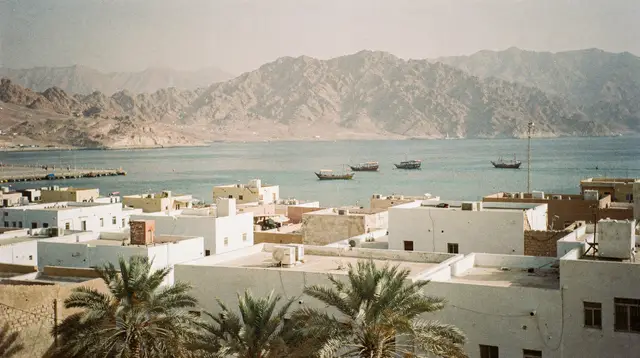 📍 Muscat
 Muscat: city tour of Grand Mosque, old souqs, museum and fort
- Instant confirmation
- Hotel pickup
- English guide
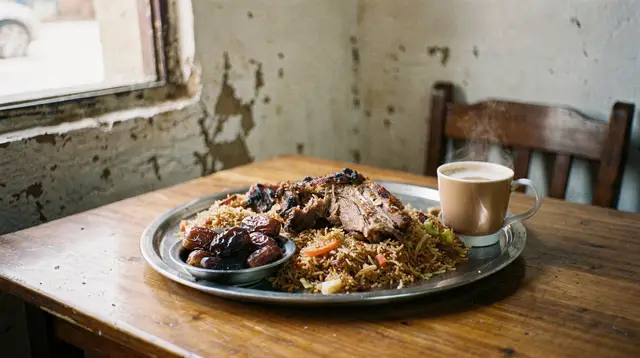 📍 Muscat
 Muscat: half-day city tour
- Free cancellation
- Instant confirmation
- Hotel pickup
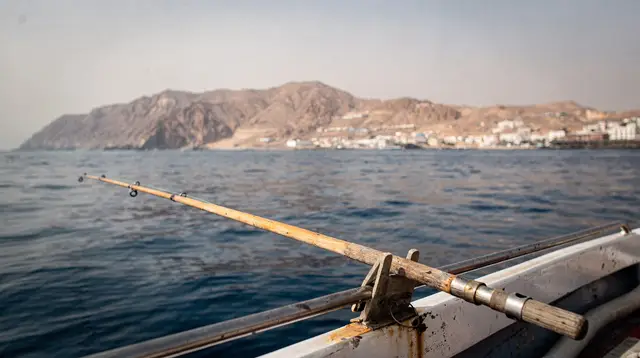 📍 Muscat
 Muscat: 2-hour sunset dhow cruise
- Instant confirmation
- Free cancellation
- Best seller
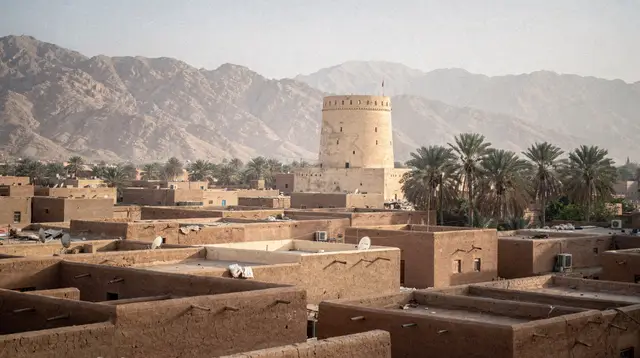 📍 Nizwa
 Full-day tour: enchanting forts of Nizwa and Jabreen
- Free cancellation
- Hotel pickup
- Best seller