Oman vs Dubai Cost: Which Is Cheaper for a 1-Week Trip?
From Muscat: Wadi Shab and Bimmah Sinkhole full-day tour
Duration: 10 hours
- Free cancellation
- Hotel pickup
- Best seller
Is Oman cheaper than Dubai for a week?
Oman and Dubai have similar mid-range costs overall. Dubai is cheaper for budget travellers (more hostel options, cheaper street food). Oman is better value for nature-focused experiences. A week costs roughly $1,200–1,800 in Dubai vs $1,400–2,000 in Oman at mid-range.
At a glance
| Category | Oman | Dubai |
|---|---|---|
| Currency | Omani Rial (OMR), pegged near $2.60 | UAE Dirham (AED), pegged near $0.27 |
| Biggest single cost | Rental car (around $240–420/week) | Nothing dominant — spread across hotel, food, activities |
| Cheapest way to see highlights | Self-drive on subsidised fuel | Metro + Uber, no car needed |
| Best time to go (cost-wise) | Oct–Apr (shoulder months cheaper) | Oct–Apr (summer sales can lower rates) |
| Getting between the two | Around 4–5 hours by road, or a short flight | — |
Side-by-side cost comparison: 1 week
| Category | Oman (7 nights) | Dubai (7 nights) |
|---|---|---|
| Flights from Europe | $500–800 | $350–650 |
| Accommodation (mid-range per night) | $80–120/night | $90–150/night |
| Car rental (7 days + fuel) | $280–420 | Not needed |
| Transport (if no car) | $30–50/day tours | $10–15/day metro + Uber |
| Food (mid-range per person) | $35–50/day | $40–60/day |
| Activities | $300–500 total | $200–450 total |
| Visa | $20–25 (eVisa) | Free (most nationalities) |
| Travel insurance | $40–60 | $30–50 |
| Total (excluding flights) | $1,370–2,045 | $1,020–1,855 |
| Total (including flights) | $1,870–2,845 | $1,370–2,505 |
Prices per person based on solo travel; deduct 20–30% for couples sharing accommodation and car rental.
Flights
Both Muscat and Dubai are major international hubs with frequent direct connections from Europe, North America, and Asia.
Dubai (DXB): Often has the cheapest fares due to Emirates’ massive network and low-cost carrier competition (flydubai, Wizz Air, easyJet to nearby Sharjah). Expect $350–650 return from Europe on economy.
Muscat (MCT): Direct flights on Oman Air, British Airways, and Lufthansa — typically $500–800 return from Europe. The price premium over Dubai is $100–200, largely explained by lower competition on the route.
Strategy: If cost is the primary concern, fly into Dubai and take a 1-hour Oman Air flight to Muscat for $50–120. Or fly into Dubai and spend part of your week in Muscat and part in the UAE.
Winner: Dubai on flights, by roughly $150–200.
Accommodation costs compared
Both cities offer the same range from hostels to ultra-luxury, but the mid-market behaves differently.
Dubai:
- Hostel dorm bed: $15–25/night
- 3-star hotel (Bur Dubai or Deira): $60–90/night
- 4-star hotel (Dubai Marina): $100–180/night
- 5-star (Palm, Downtown): $250–500/night
- JW Marriott or Four Seasons: $400–700/night
Oman:
- Hostel: $18–30/night (limited options, mainly Muscat)
- 3-star hotel (Muscat): $50–80/night
- 4-star hotel (Muscat): $90–150/night
- 5-star (The Chedi): $250–400/night
- Alila Jabal Akhdar or Six Senses: $400–900/night
At the mid-range, prices are very similar. The key difference: Dubai has dramatically better infrastructure at the budget end (hostels, budget hotel chains, cheap areas like Al Qusais and Deira), while Oman’s luxury segment offers better nature settings for the same or lower price than Dubai’s city luxury.
Winner: Dubai for budget accommodation. Roughly equal for mid-range. Oman for nature-setting luxury value.
Transport costs
This is the biggest differentiator.
Dubai: The Dubai Metro is one of the region’s best public transit systems, covering the Marina, Downtown, and the airport for $1–3 per ride. Uber and Careem are cheap ($5–8 for a typical city journey). No car needed. Total transport budget for 7 days: $70–105.
Oman: Public transport is minimal outside Muscat. To reach Wadi Shab, Nizwa, Wahiba Sands, or Jebel Akhdar, you need either a rental car or an organised tour. Rental car for 7 days: $240–420 including fuel. If you use organised tours exclusively: $350–500 in tour costs.
This $250–400 car rental cost is Oman’s biggest budget disadvantage versus Dubai. It is also what makes Oman uniquely rewarding — you drive through dramatic mountain passes, past ancient forts, into empty deserts on excellent roads with almost no other traffic.
Winner: Dubai on transport cost and convenience.
Food costs compared
Both cities have a similar food cost structure: cheap local/Asian restaurants at the bottom, international restaurants in the middle, fine dining at the top.
Dubai cheap eats:
- Shawarma: $1.50–3
- Set lunch at Indian restaurant: $5–8
- Mall food court meal: $8–12
- Happy hour cocktail: $8–15
Oman cheap eats:
- Biryani at Pakistani restaurant: $2–4
- Omani set lunch: $6–10
- Local coffee shop breakfast: $3–5
- Beer at hotel bar: $5–8 (unavailable at non-hotel restaurants)
Food is marginally cheaper in Oman at the local restaurant level. Dubai’s alcohol scene is more accessible and competitive — hotel bars are everywhere and happy hours are common. Oman’s alcohol is confined to licensed hotel bars and specialist shops.
Winner: Roughly equal. Slight Oman edge for local food, Dubai edge for alcohol accessibility.
Activities and experiences compared
Dubai (7 days, selection of activities):
| Activity | Price |
|---|---|
| Burj Khalifa (top 2 floors) | $40–50 |
| Dubai Frame | $14 |
| Desert safari from Dubai | $50–80 |
| Dubai Museum of the Future | $25 |
| Dubai Mall (free entry) | Free |
| Dhow cruise with dinner | $40–60 |
| Sheikh Zayed Mosque Abu Dhabi | Free |
| 7-day total example | $200–350 |
Oman (7 days, selection of activities):
| Activity | Price |
|---|---|
| Muscat city tour | $49 |
| Wadi Shab + Bimmah | $75 |
| Wahiba Sands group tour | $85 |
| Nizwa + Jebel Akhdar | $95 |
| Sunset dhow cruise | $35 |
| Daymaniyat snorkelling | $79 |
| 7-day total example | $418 |
Oman’s activities cost more individually because distances are longer and the experiences are more immersive. But the quality-to-price ratio is exceptional — the Wadi Shab full-day tour at $75 is one of the best-value organised experiences in the Middle East.
The Muscat sunset dhow cruise at $35 rivals similar Dubai experiences at half the price.
The Wahiba Desert group tour from Muscat ($85) delivers a day in genuine living dunes for significantly less than comparable luxury desert experiences from Dubai.
Winner: Dubai for lower total activity spend. Oman for depth and uniqueness of experience per dollar.
The verdict: which is actually cheaper?
If you’re on a strict budget: Dubai wins by $300–400 for a week. Hostels, the metro, and cheap food in Deira make Dubai more manageable for solo budget travellers.
If you’re a mid-range traveller: Costs are within $200–400 of each other — essentially the same. The car rental in Oman is offset by lower activity prices relative to what you get.
If you’re travelling luxury: Oman is substantially better value. Alila Jabal Akhdar or Six Senses Zighy Bay at $400–700/night deliver world-class settings at significantly less than equivalent properties in the Maldives, Amalfi, or Bali.
If you’re thinking about value (not just cost): Oman wins clearly. The natural experiences — turquoise wadi pools, desert dunes, fjord cruises — are simply not replicated anywhere in the UAE. Dubai excels at urban luxury and entertainment; Oman excels at natural wonder. You’re comparing very different things.
Ways to cut costs on either trip
In Oman: book the rental car well ahead for the best weekly rate, self-cater breakfast where your hotel allows it, and lean on 1–2 organised tours (like the Wadi Shab and Bimmah full-day trip) rather than a private guide for every day. Fuel is heavily subsidised, so a longer self-drive loop — say the Nizwa day trip from Muscat plus a night in Jebel Akhdar — costs little more in fuel than a short one.
In Dubai: stay slightly outside Downtown or the Marina, use the Metro daily pass instead of single fares, and eat where residents eat (Deira, Al Qusais, Karama) rather than in mall food courts. Many big-ticket attractions have early-bird or off-peak pricing.
Combining both: if your itinerary includes a land border crossing, check whether your Oman rental car company permits it — many domestic rentals do not, and cross-border-approved cars cost more. See our renting a car in Oman guide before booking.
Who actually saves money doing which
A solo backpacker on a tight budget saves the most in Dubai — hostels and cheap eats bring daily costs down further there than Oman’s thinner budget infrastructure allows. A couple or small group renting a car and splitting costs largely closes the gap, since Oman’s car-and-fuel cost per person shrinks fast with more travellers. A traveller prioritising a handful of unforgettable days — a wadi swim, a desert night, a mountain sunset — gets more value per dollar in Oman than from an equivalent number of ticketed Dubai attractions.
How the season changes your budget
Timing moves the total more than most travellers expect. Both destinations are at their most comfortable in the cooler months, and that is also when demand is highest, so rooms and popular tours are priced accordingly. If you have flexibility, the shoulder weeks at either end of the season are the sweet spot: pleasant weather without the peak-week premium. Our best time to visit Oman guide explains how the months differ, and the Oman in winter page shows what to expect when the crowds are at their largest.
Summer is the opposite trade. Hotels in both places soften their rates, but the heat in the interior of Oman makes long self-drive days and wadi hikes uncomfortable. The exception is the south, where the monsoon turns the landscape green and draws Gulf visitors; see Salalah in khareef if a cooler, wetter summer appeals to you. A summer budget trip to Oman therefore works best when you plan around the coast and the mountains rather than the desert floor.
Where the money really goes in Oman
Most first-time visitors underestimate how much of an Oman budget is decided before they land. The rental car, the choice between a few hotel bases and a constant change of beds, and the number of paid activities you pick are the three levers. Everything else, from meals to coffee, behaves much like any mid-priced destination.
Staying in one base and doing day trips is usually the cheaper pattern. Muscat works well as a hub, and the Muscat city guide shows how much can be seen without paying for anything beyond transport. Free or low-cost highlights, such as the Sultan Qaboos Grand Mosque and the Muttrah souq, balance out the days when you book a paid tour. Where you sleep matters just as much, so compare areas in our where to stay in Muscat guide before you lock in a rate.
If you plan to travel further, a loop through the interior spreads the car cost over more days, which lowers the daily figure. The Oman road trip planning guide helps you decide how many days a loop deserves, and the 7-day classic Oman itinerary is a ready-made week that you can price line by line against the Dubai figures above.
Where the money really goes in Dubai
Dubai’s budget behaves differently. Because the city is dense and well connected, the large costs are discretionary: the headline attractions, the brunches and the choice of neighbourhood. A visitor who keeps to free sights, walks the older districts and uses public transport can keep the week lean, while one who books every ticketed viewpoint will see the total climb quickly.
The practical advice is to pick two or three paid experiences that genuinely interest you and fill the remaining time with things that cost nothing. This is the same approach that works in Oman, just with a different mix. If you are weighing the broader choice rather than only price, our Oman vs UAE comparison looks at the two countries as a whole, and Oman from Dubai covers how to combine them in one trip.
Reading the numbers honestly
Every figure on this page is a range, and the ranges overlap more than the headlines suggest. Treat the totals as a planning tool, not a quote: your own spending depends on how many people share a room and a car, how often you eat in restaurants, and whether you add a luxury night or two. Before you commit, run your own version of the table with your dates and your group size. For a deeper look at everyday spending inside Oman, the Oman on a budget article collects practical ideas, and the Oman visa guide is worth a read so that entry requirements do not surprise you at the end of your planning.
See our full Oman budget guide, Oman vs Dubai comparison, and 7-day cost breakdown for deeper analysis.
Frequently asked questions about Oman vs Dubai Cost: Which Is Cheaper for a 1-Week Trip?
Which is more affordable, Oman or Dubai?
Dubai wins for budget accommodation and cheap eats in areas like Deira. Oman wins for activity value — wadis, desert overnight camps, and mountain day trips deliver extraordinary experiences at moderate prices. Oman also has heavily subsidised fuel, making self-drive road trips very affordable.Is food cheaper in Oman or Dubai?
Street food and local restaurant meals are comparable in price. Dubai's supermarkets are well-stocked with budget food options. Oman has cheaper fuel and slightly lower restaurant prices in local establishments. Both cities have wide ranges from $3 biryani to $100 fine dining.What is the currency in Oman and Dubai?
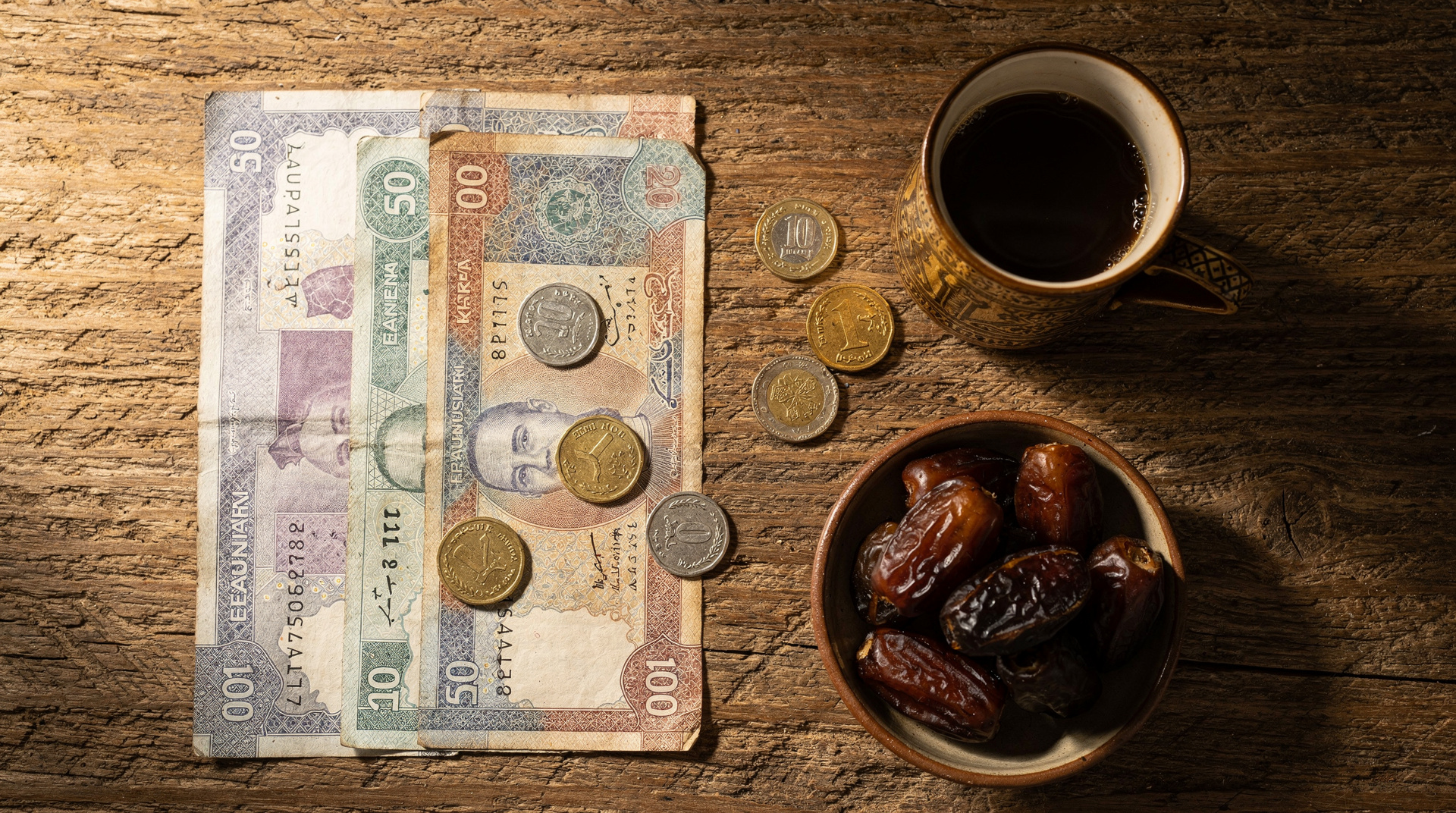
Oman uses the Omani Rial (OMR), pegged to the USD at 1 OMR = $2.60. Dubai uses the UAE Dirham (AED), pegged at 1 AED = $0.27, or approximately 3.67 AED per dollar. Both currencies are strong and stable.Are there hidden costs in Oman that Dubai doesn't have?
The main hidden cost in Oman is car rental — almost essential for reaching the best experiences. In Dubai, the metro and taxis make a car unnecessary. Oman's Ras Al Jinz reserve charges a significant entry fee. Both countries charge tourist taxes on hotel bills.Is it cheaper to book Oman tours in advance or on arrival?
Booking ahead rarely costs more in Oman and often avoids sold-out slots for popular routes like Wadi Shab or a Wahiba Sands overnight, especially October to April. On-arrival booking through a Muscat hotel desk works too, but choice narrows around peak weekends and National Day in November.Do I need cash or can I pay by card throughout Oman?
Cards are widely accepted in Muscat hotels, malls, and restaurants. Outside the capital — small wadi cafes, fuel stations, souq stalls — cash in Omani Rial is safer to carry. Dubai is closer to fully cashless across the board.
Top experiences
Bookable activities with verified prices and instant confirmation on GetYourGuide.
 📍 Wadi Shab
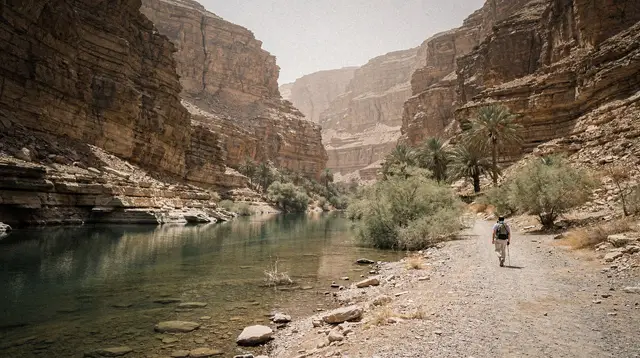
 From Muscat: Wadi Shab and Bimmah Sinkhole full-day tour
- Free cancellation
- Hotel pickup
- Best seller
 📍 Wahiba Sands
 Muscat: Wahiba Desert and Wadi Bani Khalid guided group tour
- Free cancellation
- Hotel pickup
- Small group
 📍 Muscat
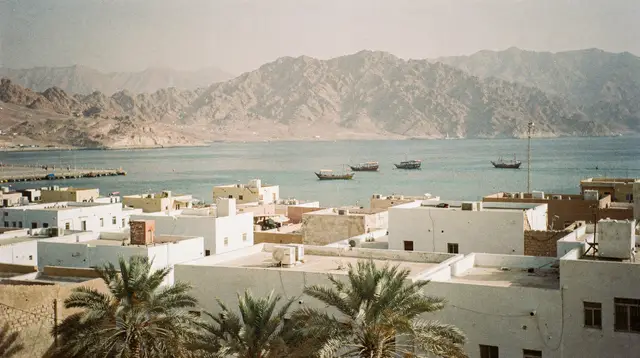
 Muscat: half-day city tour
- Free cancellation
- Instant confirmation
- Hotel pickup
 📍 Muscat
 Muscat: Omani traditional dhow sunset cruise
- Instant confirmation
- Pickup included
- Best seller
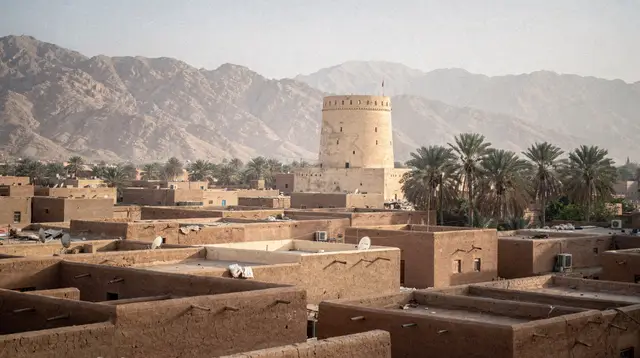 📍 Nizwa
 Muscat: explore Nizwa Fort and Souq + Jebel Akhdar
- Free cancellation
- Hotel pickup
- English guide