Oman vs Dubai: Which Should You Choose?
Should I visit Oman or Dubai?
Dubai for shopping, nightlife, and urban luxury. Oman for authentic culture, dramatic nature, and adventure. Many travellers combine both — they are 3 hours apart by road.
At a glance
| Oman | Dubai | |
|---|---|---|
| Best for | Nature, culture, adventure | Shopping, nightlife, urban luxury |
| Typical trip length | 7–14 days | 3–5 days |
| Getting between them | Around 4 hours by road, or a short flight | — |
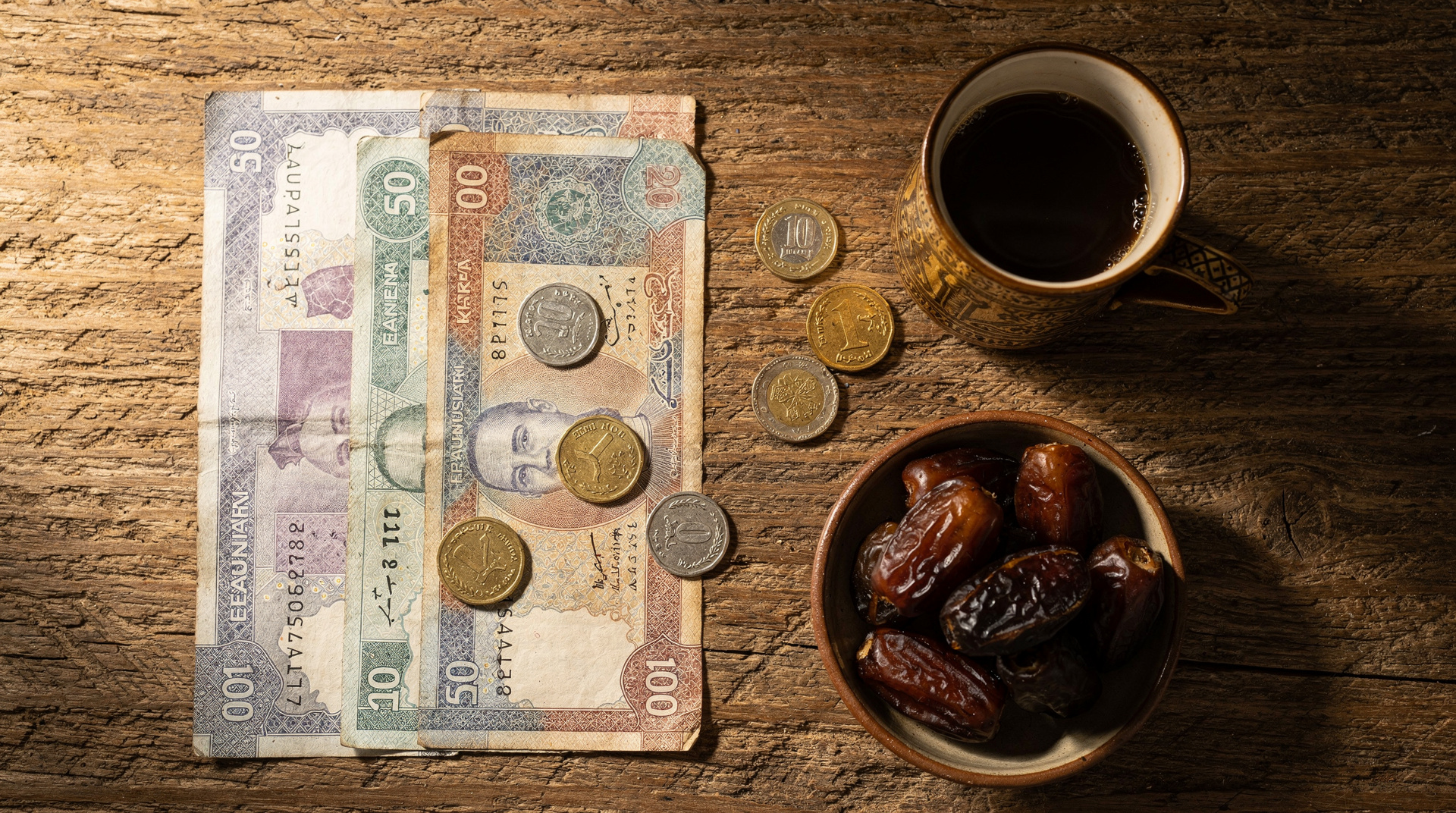
| Visa | eVisa for most nationalities, around 20 OMR | Visa-free or on-arrival for many nationalities |
| Best time to go | October–April | October–April |
The Arabian Destination Dilemma
Few travel decisions in the Middle East generate as much debate as Oman vs Dubai. Both countries sit in the same geographic corner of the world, separated by a few hours of highway driving, and are often compared as competing choices for a Gulf holiday. But comparing them directly is, in many ways, comparing incomparable things.
Dubai is a city-state that has made itself one of the world’s most recognisable urban destinations in the space of forty years — a place of deliberate spectacle, ultra-modern architecture, luxury retail, and a hospitality industry refined to near-perfection.
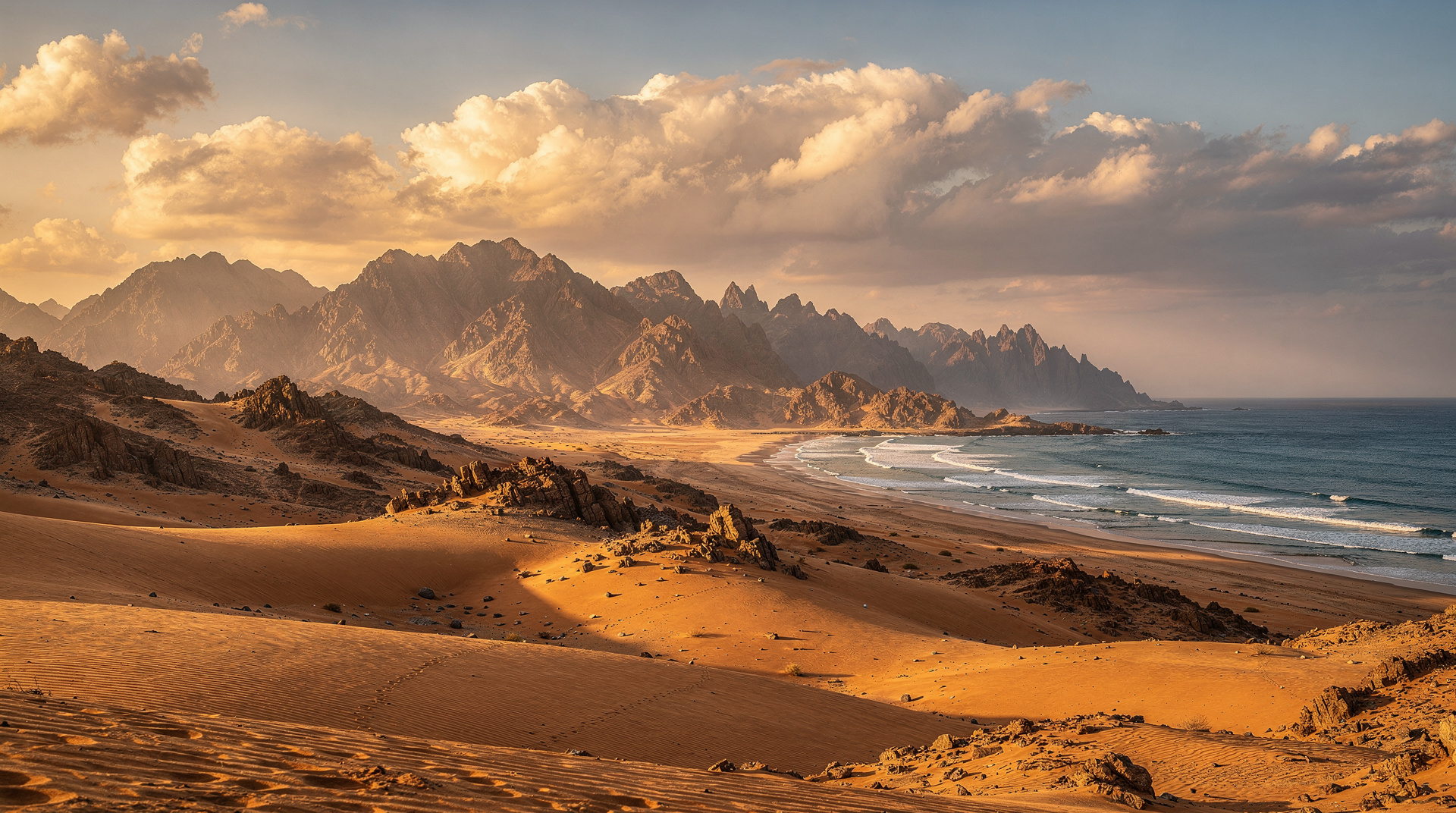
Oman is a diverse country of 300,000 square kilometres — ancient forts, mountain plateaus, frank incense-producing trees, turquoise wadis, and the largest sand desert on the Arabian Peninsula. It has had less time in the international spotlight and wears its attractions more quietly.
This comparison gives you an honest, structured look at both destinations to help you decide — or to plan a trip that combines both.
The Core Difference in One Paragraph
Dubai delivers a precision-engineered luxury and entertainment experience. Every major hotel, beach club, restaurant, and attraction is polished, efficient, and designed for maximum visitor satisfaction. It is comfortable to navigate, predictably good in quality, and offers almost no friction for the traveller.
Oman offers something harder to manufacture: a genuine encounter with a culture that has not been transformed by tourism, landscapes that require effort to reach, and experiences that feel discovered rather than designed. The friction — the 4WD on a wadi track, the fort with no gift shop, the desert camp with intermittent WiFi — is part of what makes it special.
Comparison: Culture and Authenticity
Oman: Omanis are proud of a culture that stretches back millennia — Bedouin traditions, frankincense trade routes, seafaring heritage, Islamic scholarship, and a tribal identity that persists in daily life. Tourism has not significantly altered daily Omani culture. Visiting a Nizwa fort on a Friday morning, watching the livestock market outside, eating at a local canteen, being spontaneously invited for coffee by a stranger — these are genuine cultural encounters.
Dubai: Dubai’s indigenous Emirati population is a small minority (roughly 10% of the population). The city is largely an expatriate enterprise, with the cultural experience provided primarily by the built environment — the architecture, the theme parks, the malls. Dubai’s traditional heritage — Al Fahidi historical neighbourhood, the Gold Souq, dhow crossings on the Creek — exists and is worth experiencing, but it competes for attention with Burj Khalifa laser shows and artificial ski slopes.
Winner for cultural authenticity: Oman, without question.
Comparison: Natural Landscapes
Oman: Extraordinary and diverse. The Hajar Mountains, the Rub’ al Khali desert edge, turquoise wadi pools, dramatic fjords (Musandam), the Khareef-green Dhofar hills, Arabian Sea coastlines, sea turtle nesting beaches — few countries of any size pack this range of natural experience. A full-day wadi and sinkhole tour from Muscat captures the kind of emerald gorge swimming and karst geology that Dubai simply has no equivalent of.
Dubai: Desert activities (dune bashing, desert safaris) are available from Dubai and are popular. The coastline is developed beachfront. Al Hajar mountains are accessible as a day trip to Hatta. But Dubai’s primary appeal is urban, not natural.
Winner for natural landscapes: Oman, comprehensively.
Comparison: Luxury Accommodation
Dubai: The undisputed world capital of ostentatious luxury hotels. Burj Al Arab, Atlantis The Palm, Armani Hotel, One and Only Royal Mirage — the list of iconic luxury properties is long. The standard of service and facilities across Dubai’s five-star sector is extremely high and consistently delivered.
Dubai: Properties that compete globally for recognition and set global standards for service.
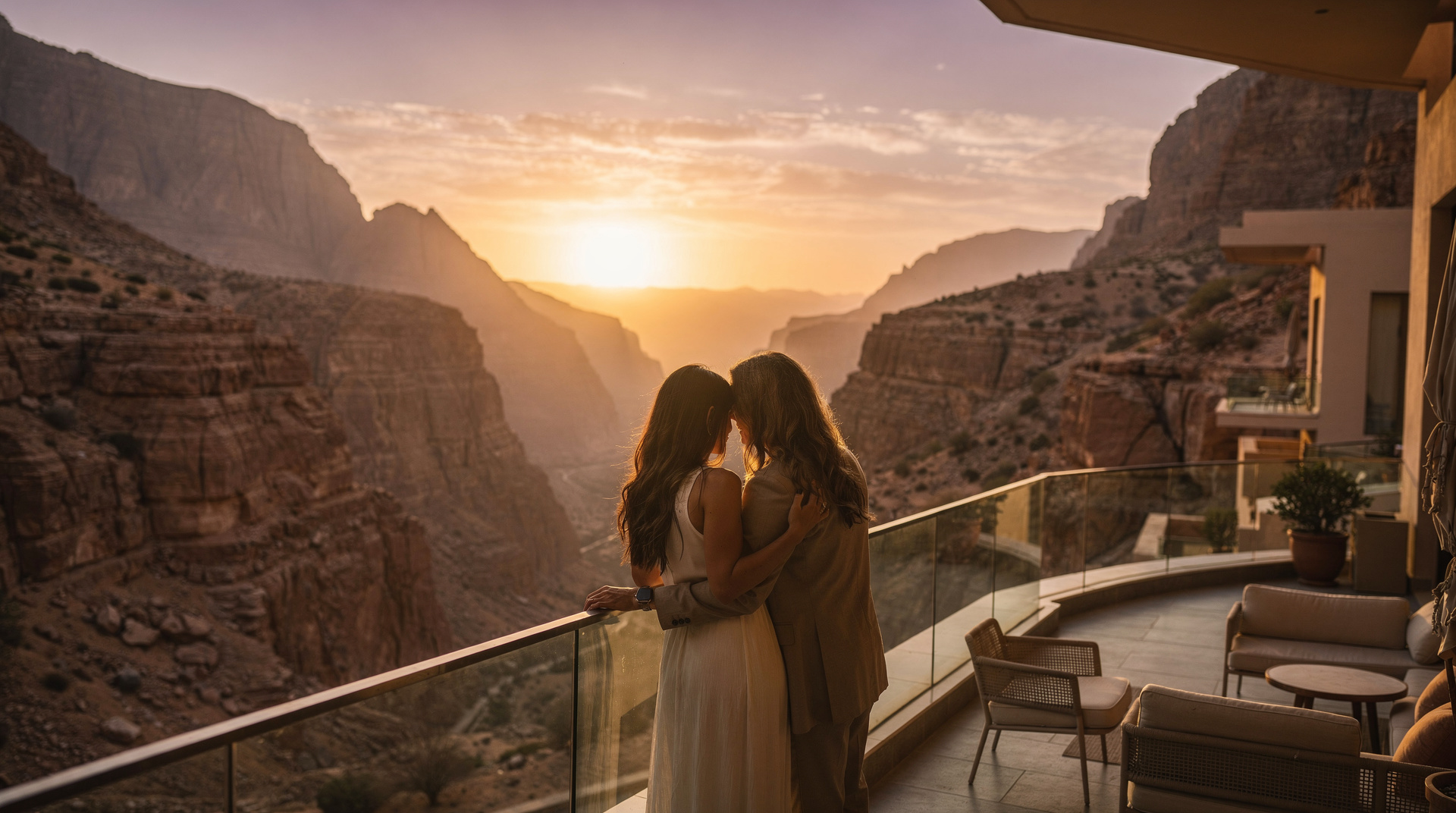
Oman: Has developed a genuine luxury offering that is world-class in its own right, if smaller in scale. The Anantara Al Jabal Al Akhdar and Alila Jabal Akhdar are canyon-edge properties that have no equivalent in Dubai. The Six Senses Zighy Bay in Musandam is among the most dramatic resort locations on earth. Al Bustan Palace Ritz-Carlton is architecturally extraordinary.
The difference: Dubai luxury is predominantly urban and beach-focused. Oman luxury is frequently tied to extraordinary natural settings — canyon rims, fjord bays, desert landscapes — that Dubai simply does not have access to.
Winner: Dubai for sheer scale and volume of luxury options; Oman for the most dramatic natural-setting luxury experiences.
Comparison: Nightlife and Entertainment
Dubai: A genuine nightlife capital for the Middle East — rooftop bars, international DJs, beach clubs, yacht parties, live music, and a dining scene that regularly attracts Michelin-starred chefs. Alcohol is freely available at licensed venues. The entertainment options, from desert concerts to major sports events, are extensive.
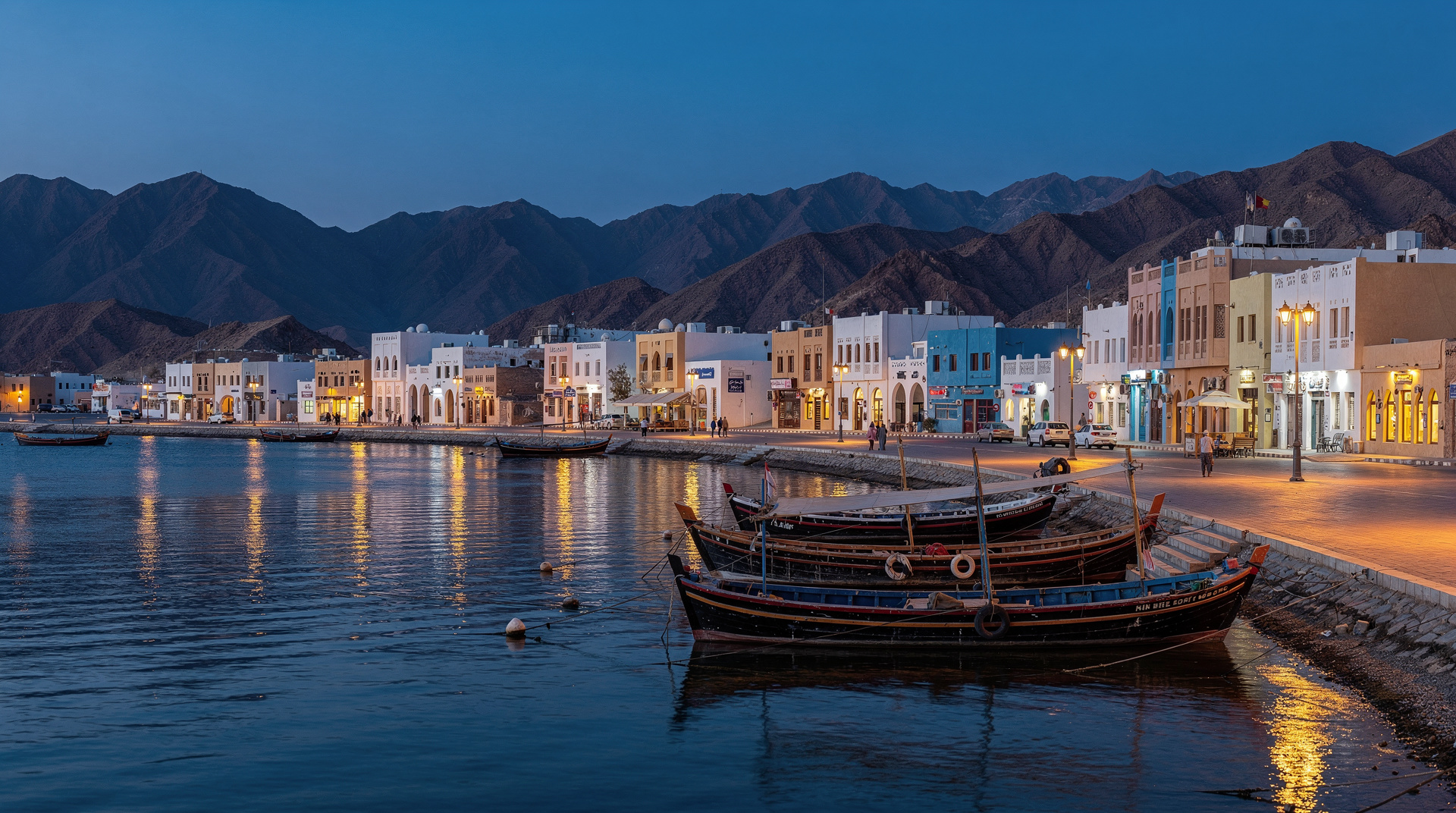
Oman: Muscat has a pleasant evening scene — hotel bars, a few sophisticated restaurants, the Muttrah Corniche for evening walks. Alcohol is available in hotel venues. But Oman is not a nightlife destination and makes no attempt to be one. Evenings in Oman are best spent under stars in the desert, at a rooftop restaurant in Old Muscat, or on the Corniche.
For a structured introduction to the city, a half-day Muscat guided tour covers the Old Town, Muttrah Souq, and the grand palaces that showcase what makes Muscat genuinely different from Dubai’s urban spectacle.
Winner: Dubai, definitively.
Comparison: Costs
Dubai: Dubai has a reputation for expense, though it is possible to travel on a range of budgets. Decent mid-range hotels run 150–250 USD per night. Fine dining is expensive — 80–150 USD per couple without drinks. A standard mall-based day in Dubai with meals and activities is 100–200 USD per person.
Oman: Broadly cheaper than Dubai for comparable quality. Mid-range hotels in Muscat run 70–150 USD. Local dining can be very cheap (2–4 OMR per meal). The major driver of cost in Oman is transport — a rental car for an independent road trip — but this unlocks the entire country in a way no amount of Dubai tours can.
A direct comparison for one week, mid-range:
- Dubai only, 7 days: 1,500–2,500 USD per person (hotel, meals, activities, transport)
- Oman only, 7 days: 900–1,600 USD per person (mid-range hotel, rental car, meals, activities)
Winner for value: Oman.
Comparison: Shopping
Dubai: One of the world’s great shopping destinations. Dubai Mall, Mall of the Emirates, the Gold Souq, the Spice Souq — from luxury international brands to traditional markets. Duty-free at Dubai Airport is extensive.
Oman: Muscat has several modern malls and the extraordinary Muttrah Souq for traditional crafts — frankincense, silver jewellery, khanjars, rose water, textiles. The shopping experience is authentic and enjoyable but operates at a completely different scale to Dubai. If you are travelling specifically to shop, Dubai has no rival.
Winner: Dubai.
Comparison: Adventure Activities
Dubai: Desert safaris, dune bashing, sandboarding, skydiving over the Palm, parasailing, indoor skydiving at iFly Dubai, hot air ballooning. All well-organised and readily bookable.
Oman: Wadi hiking and swimming, 4WD desert driving, sea turtle watching, diving in Daymaniyat Islands and Musandam, whale watching, rock climbing in Jebel Akhdar, kayaking and dhow cruising in Musandam fjords, camel trekking, overnight desert camping. Most of these feel genuinely adventurous rather than packaged.
Winner: Oman for adventure authenticity; Dubai for packaged accessibility.
Comparison: Family Travel
Dubai: Excellent family infrastructure. Kidzania, Legoland, IMG Worlds of Adventure, Aquaventure Waterpark, Dubai Zoo — dedicated children’s attractions are extensive. Logistics are smooth and everything is highly organised.
Oman: Less dedicated children’s infrastructure but extraordinary natural family experiences — wadi swimming, desert camps, turtle watching, fort exploration. Best for adventurous families with children aged 5+. See our Oman with kids guide for more.
Winner: Dubai for young children and theme-park focused families; Oman for adventurous families seeking nature.
Comparison: Visa Requirements
Dubai (UAE): Visa-free or visa-on-arrival for citizens of over 50 countries, including EU, UK, US, Canada, Australia, and many Asian nations.
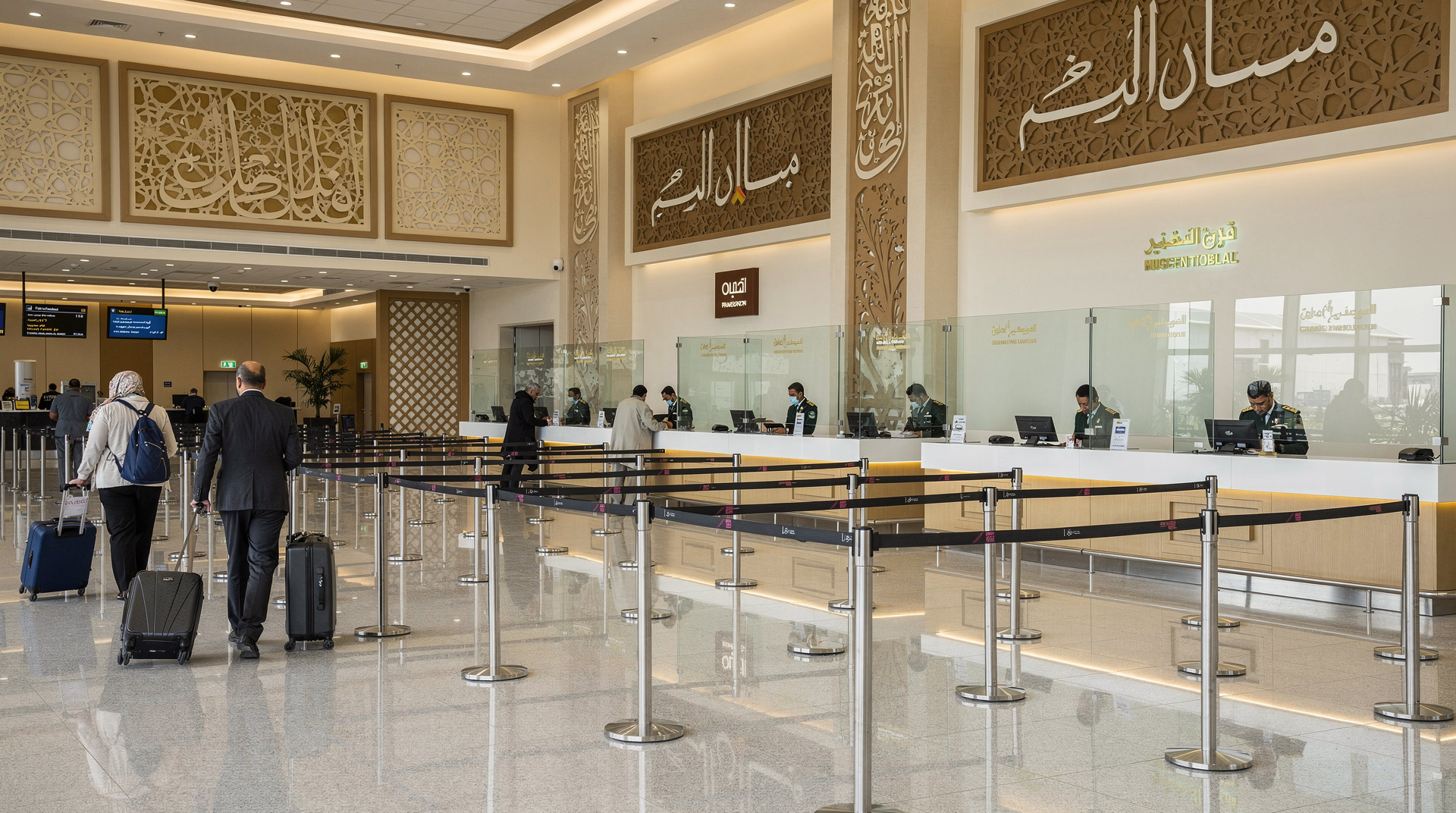
Oman: E-visa required for most nationalities (20 OMR, processed online in 24–72 hours). See our Oman visa guide for full details.
Both countries have accessible entry for most Western travellers. The Oman e-visa requirement adds a minor step of advance planning. Notably, the two countries’ visas are separate — entering one does not give access to the other.
Winner (marginal): UAE for slightly simpler entry for more nationalities.
See our Oman visa guide and Oman packing list for practical preparation advice once you have made your decision.
How to Combine Oman and Dubai
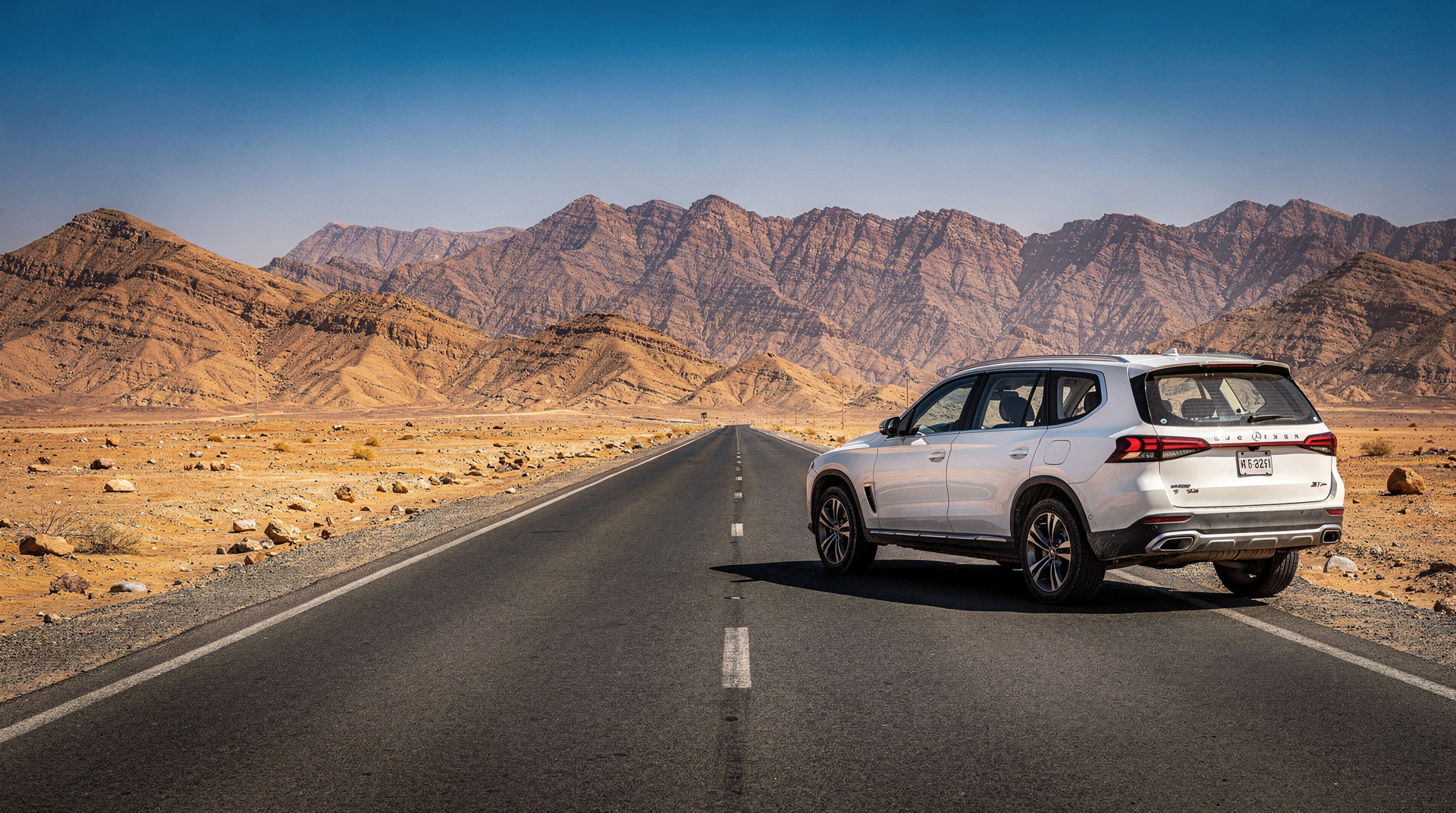
The geography makes combining both destinations easy and efficient. The two countries share a land border, with the UAE-Oman crossing at Hatta/Wajaja being the most commonly used. The Muscat–Dubai road journey takes approximately 4 hours.
Option 1: Fly into Dubai, road trip to Muscat
- Days 1–2: Dubai city (Burj Khalifa, Dubai Mall, Gold Souq)
- Days 3–5: Drive through Oman’s Musandam peninsula (cross the border, drive down to Khasab for the fjord experience, then continue south)
- Days 6–10: Northern Oman circuit (Muscat, Jebel Akhdar, Wahiba Sands)
- Fly home from Muscat
Option 2: Fly into Muscat, fly home from Dubai This open-jaw routing is often the same price or cheaper than return tickets. Do Oman first (the more demanding planning), then end with Dubai for shopping, urban luxury, and the airport’s unbeatable duty-free.
Option 3: Oman main, Dubai layover Many international flights to Muscat connect through Dubai. A strategic Dubai layover of 1–2 days allows a taste of both cities without complex logistics.
When to Visit: Does Season Change the Choice?
Winter (October–March): Both countries are at their best — mild weather, all activities accessible. Peak season for both destinations means higher prices in December–January.
Summer (April–September): Dubai manages summer with aggressive air conditioning, summer sales events, and reduced tourist crowds. Northern Oman is challenging in the heat. Salalah during Khareef (June–September) is spectacularly different — and Oman wins the summer argument hands down if Salalah is in your plans.
Final Verdict: Which Should You Choose?
Choose Dubai if:
- Nightlife and entertainment are priorities
- Shopping is a major motivation
- You prefer smooth, frictionless, highly organised travel
- You have young children who will enjoy theme parks
- This is your first Middle East trip and you want guaranteed quality
Choose Oman if:
- Authentic culture and genuine local encounters matter
- You want dramatic natural landscapes — mountains, desert, wadis
- Adventure and outdoor activity are priorities
- You travel as a couple seeking romantic or immersive experiences
- You want better value for money
- You prefer to discover things rather than have them packaged for you
Choose both if: You have 10+ days and want the full Arabian experience. The two countries are not competing alternatives so much as complementary opposites — one polished and intentionally spectacular, the other revealing its wonders on its own terms.
Frequently asked questions about Oman vs Dubai: Which Should You Choose?
Is Oman cheaper than Dubai?
Generally yes. Comparable hotel quality in Muscat costs 20–40% less than Dubai. Local dining and transport are both cheaper in Oman. The major cost in Oman is a rental car, which unlocks the country but adds to daily spend. For a mid-range traveller, Oman is meaningfully more affordable.
Can I drive from Dubai to Oman?
Yes. The most common crossing is Hatta Border Crossing (Dubai to Oman’s Hajar region) or the Wajaja/Khatmat Milahah crossing. Check that your rental car company permits cross-border driving — many standard rentals do not. The drive from Dubai to Muscat takes approximately 4–5 hours.
Which has better beaches: Oman or Dubai?
Both have good beaches, but of different character. Dubai’s Jumeirah beach is manicured, well-facilitated, and close to the city. Oman’s coastline is less developed — more wild, more scenic in places, and in some areas beautifully isolated. For organised beach day facilities, Dubai wins. For dramatic scenery and uncrowded stretches, Oman wins.
Is Oman or Dubai safer for tourists?
Both are very safe by global standards. Oman has slightly lower crime rates than Dubai. Both countries have strong rule of law and low levels of tourist-directed crime. Safety is not a meaningful differentiating factor between them.
Can I use the same visa for both Oman and Dubai?
No. UAE and Oman have separate visa requirements. Many nationalities get visa-free or visa-on-arrival access to both countries. Check the requirements for each separately. If you plan to cross between them by land, you need to meet both countries’ entry requirements.
Is alcohol available in both Oman and Dubai?
Yes, in licensed venues. Dubai is more liberal — alcohol is widely available in hotel bars, restaurants, licensed bottle shops (for residents), and beach clubs. Oman has alcohol at licensed hotel restaurants and bars but not in supermarkets or public spaces. Neither country permits drinking in public. Dubai wins on availability and variety.
Which is better for a honeymoon: Oman or Dubai?
Oman offers the most dramatic romantic settings — cliff-edge mountain resorts, private desert nights, isolated fjord coves. Dubai offers polished luxury and glamour. The ideal honeymoon combines both: Oman for natural romance, Dubai for urban luxury and shopping. If forced to choose just one, Oman is the more unique and memorable choice. See our Oman for couples guide for honeymoon-specific advice.
What should first-timers pick if they can only choose one?
If it’s your first Middle East trip and you want a guaranteed-quality, low-friction week, Dubai delivers that reliably. If you’re comfortable with a bit of planning and driving and want a trip that feels different from anywhere else you’ve been, Oman rewards that effort more. Neither choice is wrong — they solve different travel goals.
Is one destination more suitable for solo travellers?
Both are safe for solo travellers. Dubai is easier logistically — public transport and a dense hotel/tour scene mean you rarely need to plan far ahead. Oman is very safe too, but solo travellers should either rent a 4x4 confidently or lean on organised day tours, since public transport outside Muscat is minimal. See our solo travel in Oman guide for specifics.
Practical differences that affect your daily budget
Beyond the headline comparison, a few day-to-day details shift the real cost and feel of each trip. Oman’s fuel is heavily subsidised, so a self-drive loop through Nizwa and Jebel Akhdar costs relatively little once the car itself is paid for. Dubai’s public transport removes the need for a car altogether but caps how far off the beaten path you can easily go — reaching Hatta or the desert interior still requires a tour or taxi.
Dress expectations differ too: Dubai is broadly relaxed outside religious sites, while Oman expects modest dress in public everywhere, and covered shoulders and knees at minimum when visiting forts, souqs, or the Sultan Qaboos Grand Mosque. Neither is difficult to plan around, but Oman rewards packing a couple of loose, long-sleeved layers even in summer heat.