Oman vs UAE: Honest Comparison for Travellers
Muscat: half-day city tour
Duration: 4 hours
- Free cancellation
- Instant confirmation
- Hotel pickup
Should I visit Oman or the UAE?
UAE (Dubai/Abu Dhabi) if you want urban luxury, world-class shopping, and convenience in a compact package. Oman if you want raw nature, authentic culture, wilderness, and a quieter pace of travel. They are genuinely very different destinations.
At a glance
| Category | Oman | UAE |
|---|---|---|
| Size | 310,000 km² | 84,000 km² |
| Population | 4.5 million | 10 million |
| Main tourist cities | Muscat, Salalah, Khasab | Dubai, Abu Dhabi, Sharjah |
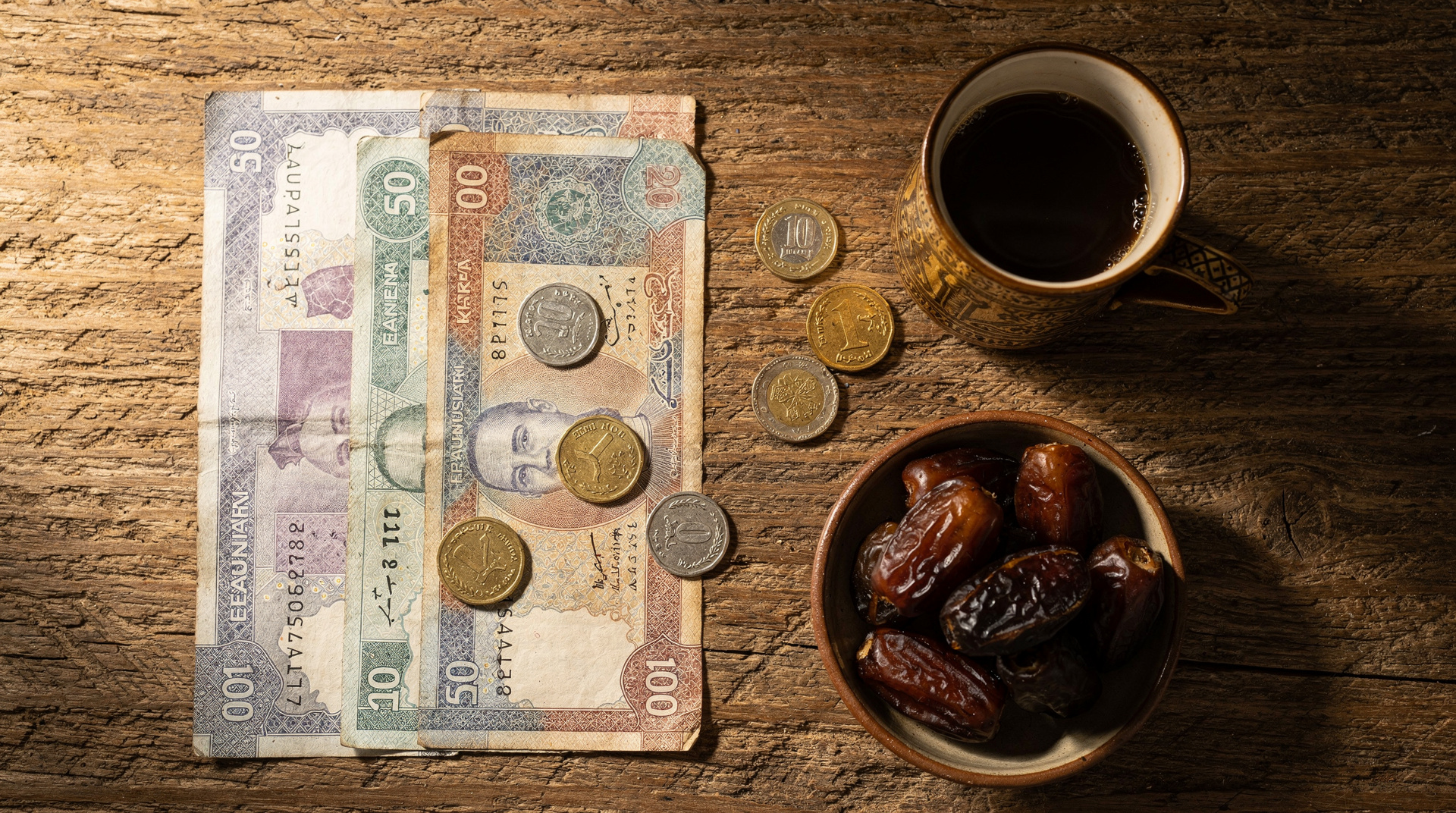
| Currency | Omani Rial (OMR) | UAE Dirham (AED) |
| Average mid-range daily budget | $120–200 | $130–220 |
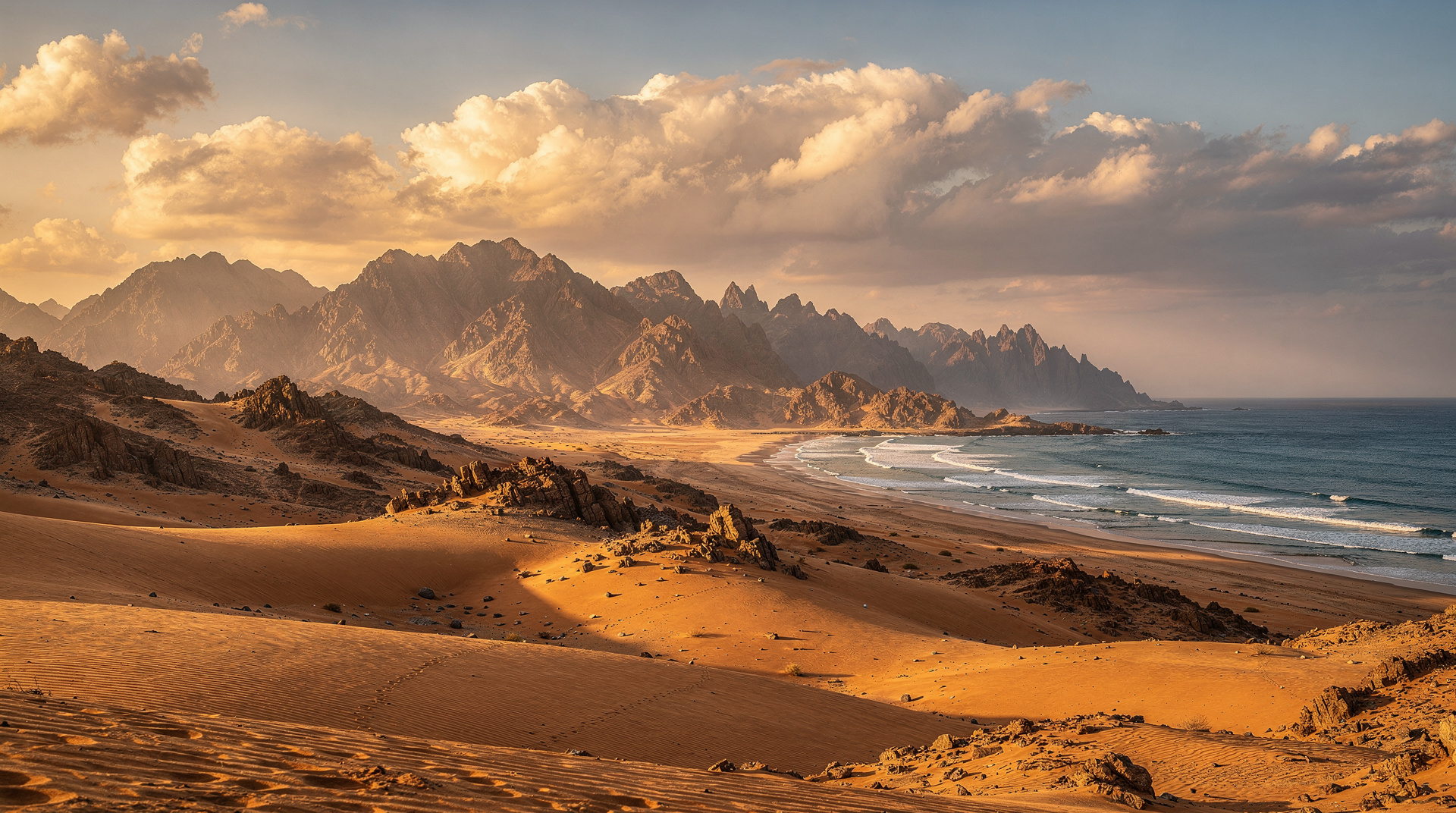
| Natural landscape | Mountains, wadis, desert, fjords, beaches | Desert, coast |
| Urban infrastructure | Good | World-class |
| Nightlife | Limited (alcohol restricted to hotels) | Dubai has a full nightlife scene |
| Cultural authenticity | High | Mixed (very international) |
| Alcohol availability | Hotel bars and licensed restaurants only | Widely available in Dubai |
| Best visited | Oct–Apr | Oct–Apr |
Climate and seasons
Both countries bake in summer — Dubai and Muscat both regularly exceed 40°C from June to September, when outdoor activities become unpleasant and beaches are largely abandoned. The optimal travel window for both is October to April, with March being particularly pleasant (warm days, cool evenings).
Oman has a seasonal wildcard: Salalah in the south experiences a genuine monsoon (khareef) from June to September, making it green and misty while the rest of the country suffers the heat. This makes Salalah a viable summer destination that has no UAE equivalent.
UAE has slightly milder winters than Muscat due to its position further north — January temperatures in Dubai hover around 24°C, ideal for beach days. Muscat in January is slightly cooler at 23°C but rarely uncomfortable.
Winner: roughly equal for most travellers. Oman has the Salalah summer option.
Choosing your month
If your dates are flexible, the shoulder months deserve a closer look. The cooler season suits both countries, but it also brings the highest demand, so the best desert camps and mountain lodges in Oman fill up first. Our best time to visit Oman guide breaks the year down month by month, and the Oman in winter page is useful if you plan to travel when the weather is at its most comfortable.
Summer is where the two countries diverge most. In the UAE, the heat pushes almost everything indoors, into malls, aquariums and air-conditioned attractions. In Oman, you can head south instead, and the Salalah khareef guide explains why the monsoon season turns the coast green and draws visitors from across the Gulf. If you are weighing a hot-season trip, Oman in summer is an honest look at what is and is not worth doing.
Cost and value
Both destinations are expensive relative to Asia or Eastern Europe. The key difference is what money buys.
In Dubai, the premium goes to infrastructure, entertainment, and brand names — Burj Khalifa entry, theme parks, Michelin-starred restaurants. In Oman, the premium goes to experiences in extraordinary natural settings — a private wadi, a desert overnight, a cliff-edge hotel on Jebel Akhdar.
Budget travellers find Dubai easier to manage — hostel beds exist, cheap food is widely available in International City and Deira, and the metro is good. Oman has very limited hostel infrastructure and almost no cheap food culture outside local canteens.
The Muscat half-day city tour at $49 compares favourably with equivalent Dubai city tours, and the quality of the experience — Grand Mosque, Mutrah Souq, palace road — is genuinely high.
Winner for budget travel: UAE. Winner for nature-focused luxury value: Oman.
Where the money actually goes
It helps to think about a trip budget in categories rather than as a single daily figure. In the UAE, a large share of spending tends to go on entry tickets, taxis between districts and restaurant meals in malls and hotels. In Oman, the biggest line items are usually the rental car, fuel for long drives and a few well-chosen nights in special places, with fewer paid attractions in between. Many of Oman’s best moments, such as a swim in a wadi, a walk through a fort or an evening at the corniche, cost little or nothing once you are there.
If you want to plan the numbers properly, the Oman budget guide and the cost of seven days in Oman walk through realistic spending. For hotel choices that fit different budgets, see where to stay in Muscat. Travellers who want a splurge that feels distinctly Omani rather than generically luxurious should look at the best luxury resorts in Oman.
Top experiences
Oman
- Wadis (Wadi Shab, Wadi Bani Khalid, Wadi Tiwi)
- Jebel Akhdar cliff-side hotels and hiking
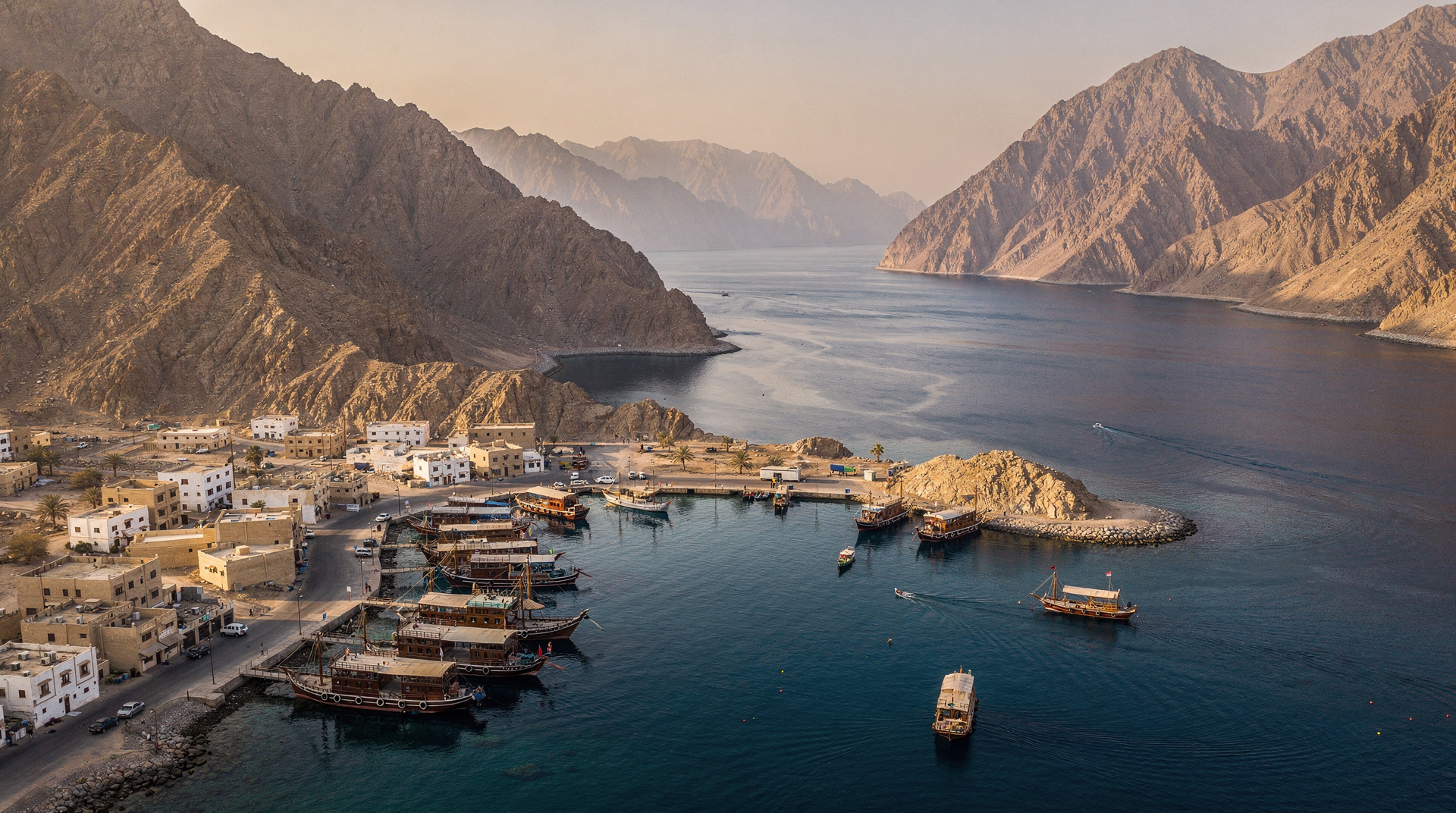
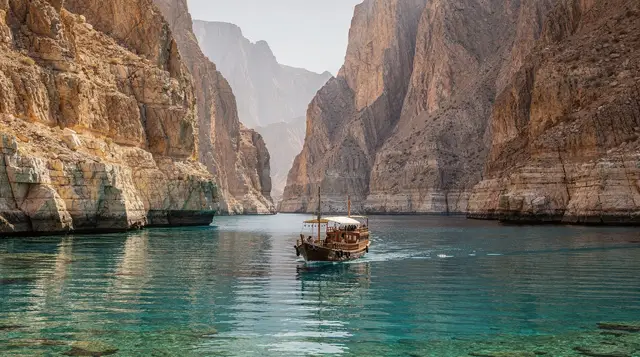
- Musandam fjords by traditional dhow
- Wahiba Sands desert overnight
- Nizwa Fort and Friday livestock market
- Salalah khareef season (if visiting June–September)
- Ras Al Jinz turtle watching
UAE
- Dubai skyline from Burj Khalifa
- Abu Dhabi’s Sheikh Zayed Grand Mosque
- Liwa Desert and Empty Quarter dunes
- Fujairah snorkelling (Indian Ocean coast)
- Al Ain oasis and palace (UNESCO)
- Desert safari from Dubai
- Dubai Museum of the Future, Louvre Abu Dhabi
The Wahiba Sands and Wadi Bani Khalid group tour is one of the best full-day experiences in Oman, combining two very different landscapes.
Winner for urban entertainment: UAE. Winner for natural experiences: Oman — no competition.
How the experiences feel different
The lists above only tell half the story, because the same label can mean quite different things on each side of the border. A desert safari from Dubai is usually a polished, well-organised evening with shared vehicles and a set programme. A night out in the dunes in Oman tends to be quieter and more remote, with more room for stargazing and silence. Neither is better in the abstract; they suit different moods. If the Omani version appeals, read about the Wahiba Sands desert safari and the options for overnight desert camping.
Water is another example. Snorkelling and boat trips exist on both coasts, but Oman’s coastline offers a wider range of settings, from sheltered coves to island reefs. The snorkelling spots in Oman and Wadi Shab complete guide show how varied a single country can be. For visitors who care about heritage, the Oman forts complete guide and the Sultan Qaboos Grand Mosque page give a sense of what Omani architecture offers compared with the UAE’s modern skylines.
Logistics and accessibility
Dubai is one of the most connected airports in the world. Getting there from almost anywhere involves a direct flight or one short connection. The metro, buses, and Uber make Dubai itself very easy without a car. Abu Dhabi is 90 minutes from Dubai by taxi.
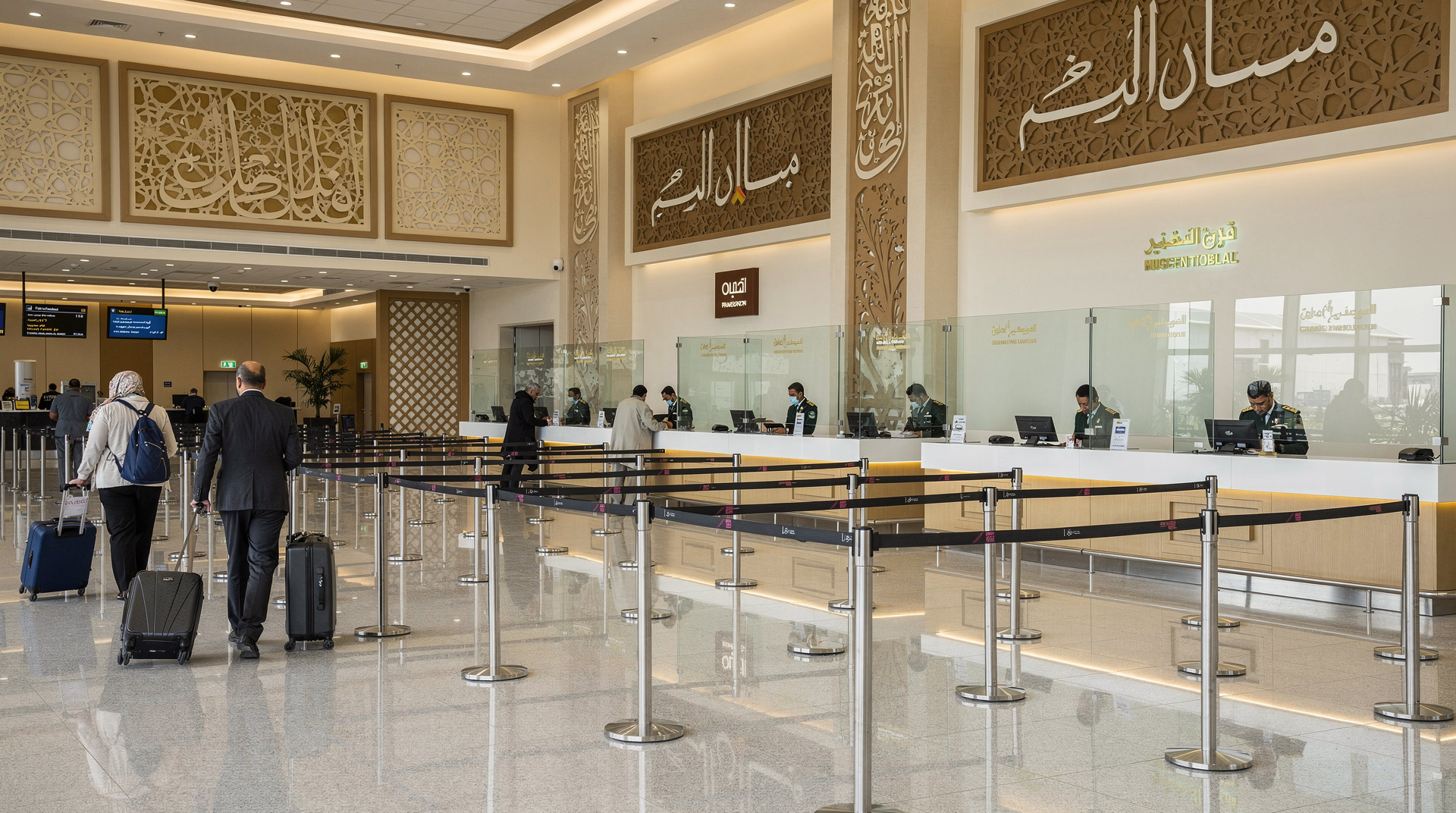
Muscat is well-connected from Europe (direct flights from many major European cities) and from Asia, but has fewer direct routes than Dubai. Within Oman, a rental car is almost essential — Muscat’s public transport is limited, and the best experiences require driving 150–300 km from the capital.
Musandam — Oman’s fjord peninsula separated from the mainland by UAE territory — is a 1.5-hour drive from Dubai and can be visited as a day trip or overnight from the UAE side. The Musandam full-day cruise is a top UAE-side day trip option.
Winner for logistics: UAE by a significant margin.
Culture and authenticity
This is where the comparison tilts clearly in Oman’s favour. The UAE, particularly Dubai, is an extraordinarily international city where Emirati nationals are a minority of the population and global commerce is the dominant culture. The experience is aspirational and world-class, but not particularly Emirati.
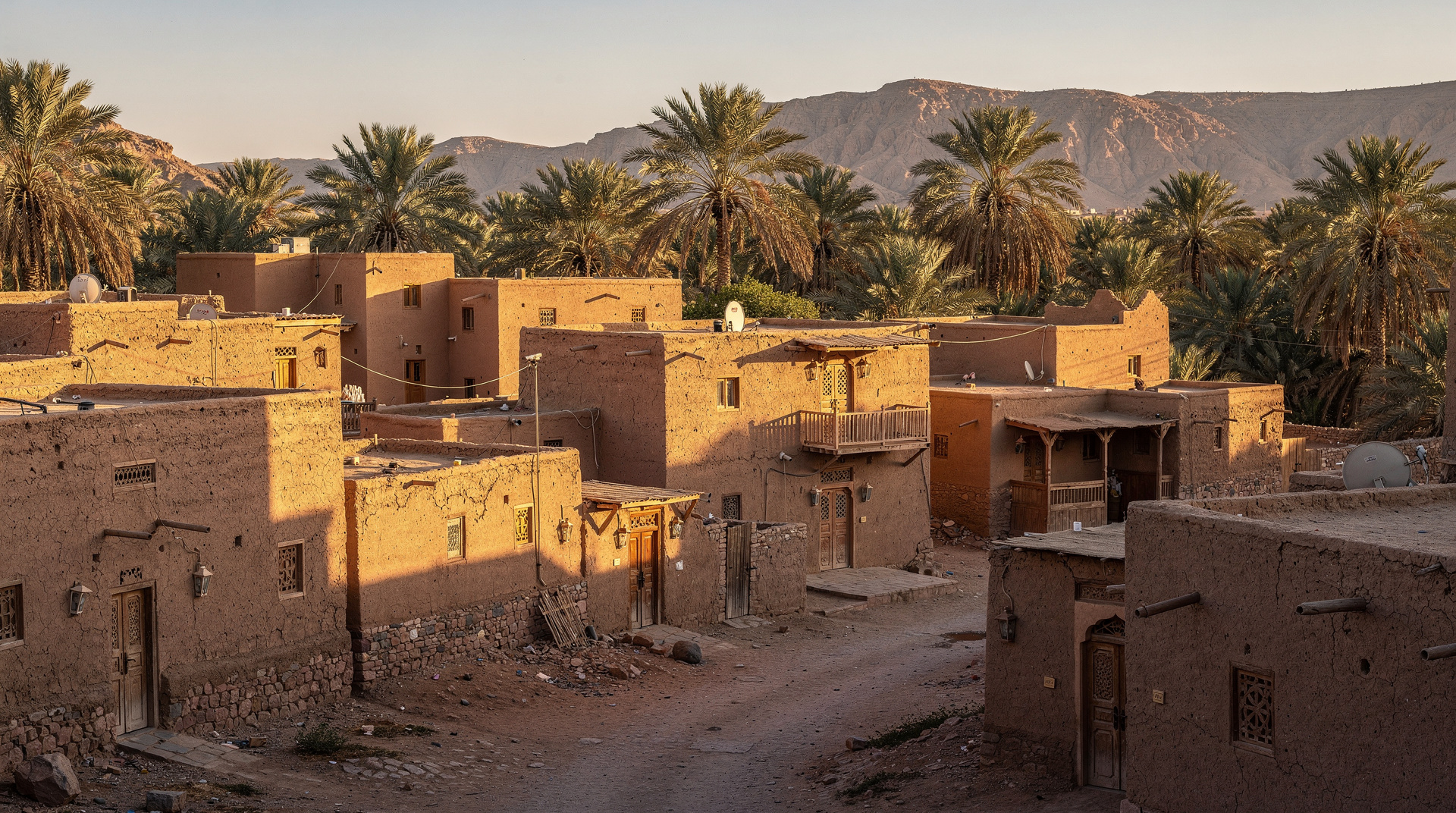
Oman has retained a stronger sense of national identity. Omani dress (the dishdasha and kumma for men, colourful national dress for women) is worn in daily life. Nizwa’s Friday market is not a tourist attraction — it is a working livestock auction. The souqs sell frankincense and khanjar daggers alongside imported goods. The pace is slower and the interactions with locals more genuine.
Winner for cultural authenticity: Oman.
Food is part of this difference. Dubai offers almost every cuisine in the world, often at a high standard, which is a real strength if you like variety. Oman’s appeal lies in its own table: slow-cooked dishes, dates, spiced rice and the ritual of coffee offered to guests. Our Omani food guide and the page on Omani coffee culture explain what to try and how hospitality works. Visitors who want to understand local manners before arriving will find Oman etiquette and culture and the dress code in Oman helpful, since expectations in towns and villages are a little more traditional than in Dubai’s international districts.
Alcohol is worth a note too. Both countries regulate it, but the practical experience differs, so read alcohol in Oman if a drink with dinner is part of how you like to travel.
Sample ways to split your time
There is no single correct split, but a few patterns work well. A traveller who loves cities and wants only a taste of Oman can base themselves in the UAE and add a short Musandam excursion. A traveller who mainly wants nature can reverse that, spending most of the trip in Oman and keeping a short Dubai stopover for the flights.
For those who choose Oman as the main destination, our itineraries save a lot of planning. The 3-day Muscat express suits a short stay, the 5-day Oman highlights covers the essentials, and the 7-day classic Oman route gives the interior and the coast room to breathe. Those with more time can look at the 10-day grand tour. Families will find a more relaxed pace in the family Oman itinerary.
Whichever pattern you pick, start with the capital. The Muscat destination page and the Muscat city guide explain how the city differs from Dubai: lower-rise, quieter and more tied to the sea and the mountains behind it.
Who should choose Oman?
- Hikers, nature lovers, and outdoor adventurers
- Travellers seeking something genuinely off the tourist circuit
- Couples seeking luxury in dramatic natural settings
- People who prefer slow travel and long drives through empty landscapes
- Wildlife enthusiasts (turtles, dolphins, sea life)
- Anyone returning to the Gulf who has already done Dubai
Who should choose the UAE?
- First-time Gulf visitors who want maximum impact quickly
- Architecture and urban spectacle enthusiasts
- Shoppers and brand-focused luxury travellers
- Party-goers and nightlife seekers
- Families with children attracted to theme parks and beaches
- Business travellers adding a leisure extension
Can you combine both?
Easily — and this is one of the most popular itineraries in the region. Fly into Dubai, spend 3–4 days in the UAE, then fly to Muscat (1-hour flight) for 7–10 days. Or drive: the border crossing at Hatta is straightforward, and the route through the Hajar foothills is scenic.
Musandam is the ultimate combination point: technically Omani territory but accessible from Dubai, it lets UAE visitors experience Oman’s famous fjord landscape without the need for a separate Muscat trip. Book the Musandam Khasab full-day cruise from the UAE side.
See our full Oman vs Dubai cost comparison and Oman visa guide to plan the combined itinerary.
Beyond Dubai: Abu Dhabi and Sharjah versus Oman
Most Oman-vs-UAE comparisons focus on Dubai, but the UAE’s other emirates change the picture slightly. Abu Dhabi offers the Sheikh Zayed Grand Mosque and Louvre Abu Dhabi with a more measured, less commercial pace than Dubai, closer in spirit — though not in landscape — to parts of Oman. Sharjah leans into heritage and museums with a notably more conservative alcohol policy (it is dry).
None of the UAE’s emirates match Oman’s sheer landscape range. The UAE’s Hajar Mountains extension around Hatta and Fujairah gives a taste of what Oman offers throughout the interior and Jebel Akhdar, but at a fraction of the scale. Travellers who enjoy the Hatta day trip from Dubai are often the ones who end up adding a full Oman leg on a future visit.
Practical differences that shape a real itinerary
Internet, mobile coverage, and general trip logistics are excellent in both countries, but Oman’s driving distances change the daily rhythm of a trip. A UAE-based traveller can comfortably do a different activity every day without much transit time; an Oman itinerary needs to budget 2–4 hours of driving on several days, which some travellers enjoy (the roads are genuinely scenic) and others find tiring. See our getting around Oman guide before finalising a route.
Renting a car is the single biggest practical step in an Oman trip. The renting a car in Oman guide and the Oman road trip planning page cover what to expect, while Oman safety tips addresses the general question of staying safe on the road and in the wild. Travellers who would rather not drive can still see a lot through organised tours, though the freedom of a car is what makes many Omani stops feel like discoveries rather than excursions.
Staying connected is easy in both countries, and the Oman SIM card and eSIM guide explains the options. If you are arriving from the UAE, the Oman from Dubai guide is the natural next read.
Ramadan affects both countries similarly — reduced daytime restaurant hours, adjusted opening times at attractions, and a general expectation not to eat or drink in public during fasting hours as a visitor. Neither country is a good fit for travellers who want zero disruption during that month, though both remain fully open to tourism.
Frequently asked questions about Oman vs UAE: Honest Comparison for Travellers
Is Oman cheaper than the UAE?
For accommodation and food, Oman and UAE are broadly similar in mid-range cost. Oman is often cheaper for organised tours and activities. UAE has better budget hotel infrastructure in Dubai. Both are expensive by Southeast Asia standards.Can I visit both Oman and UAE in the same trip?
Yes — this is very common. Musandam (Oman) is a 1.5-hour drive from Dubai and is popular for day trips. Muscat is a 1-hour flight from Dubai. Many travellers fly into Dubai, explore the UAE for 3–4 days, then fly or drive to Muscat.Does Oman require a separate visa from UAE?
Yes. Oman and the UAE are separate countries with separate visa requirements. Most nationalities can get an Oman eVisa easily. Some nationalities (UK, US, EU, GCC) can get a visa on arrival in Oman. Check current requirements before travel.Which country has better beaches?
Oman's beaches are more diverse and less developed. UAE beaches are better maintained with more facilities (loungers, restaurants, water sports). Musandam (Oman) and Fujairah (UAE, Indian Ocean coast) offer the best Gulf snorkelling from either country.Is Oman or the UAE better for a first Gulf trip?
The UAE, generally — Dubai and Abu Dhabi are highly organised with excellent English signage, extensive tours, and low logistical friction. Oman rewards a little more travel confidence, particularly around self-driving to reach its best sites.How many days do I need to see Oman properly versus the UAE?
Dubai and Abu Dhabi can be covered meaningfully in 4–5 days given how compact and well-connected they are. Oman's highlights are spread out, so 7–10 days is a more realistic minimum to cover Muscat, the interior, and one coastal or desert extension without rushing.
Top experiences
Bookable activities with verified prices and instant confirmation on GetYourGuide.
 📍 Muscat
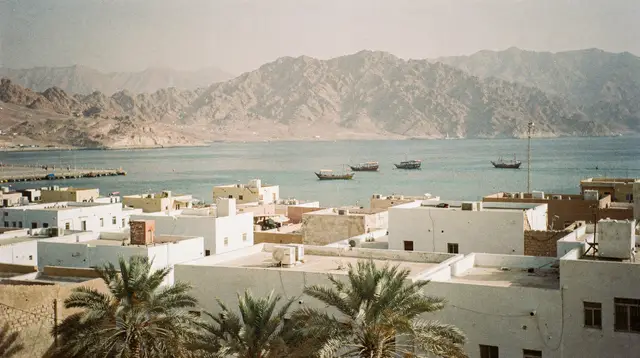
 Muscat: half-day city tour
- Free cancellation
- Instant confirmation
- Hotel pickup
 📍 Muscat
 Muscat: Omani traditional dhow sunset cruise
- Instant confirmation
- Pickup included
- Best seller
 📍 Musandam
 Musandam Khasab full-day cruise with transfers and lunch
- Lunch included
- Pickup included
- Free cancellation
 📍 Wahiba Sands
 Muscat: Wahiba Desert and Wadi Bani Khalid guided group tour
- Free cancellation
- Hotel pickup
- Small group
 📍 Nizwa
 Muscat: explore Nizwa Fort and Souq + Jebel Akhdar
- Free cancellation
- Hotel pickup
- English guide