Wahiba Sands in Winter: The Best Time for the Desert
From Muscat: desert overnight and Wadi Bani Khalid
Duration: 2 days
- Private tour
- Hotel pickup
- Free cancellation
Is winter the best time to visit the Wahiba Sands?
Yes — December to February is the optimal window for the Wahiba Sands. Daytime temperatures of 20–28°C and cool nights (8–14°C) make dune walking, dune bashing, and overnight camping genuinely comfortable. The desert sky in winter is exceptional for stargazing.
The Desert in Its Best Season
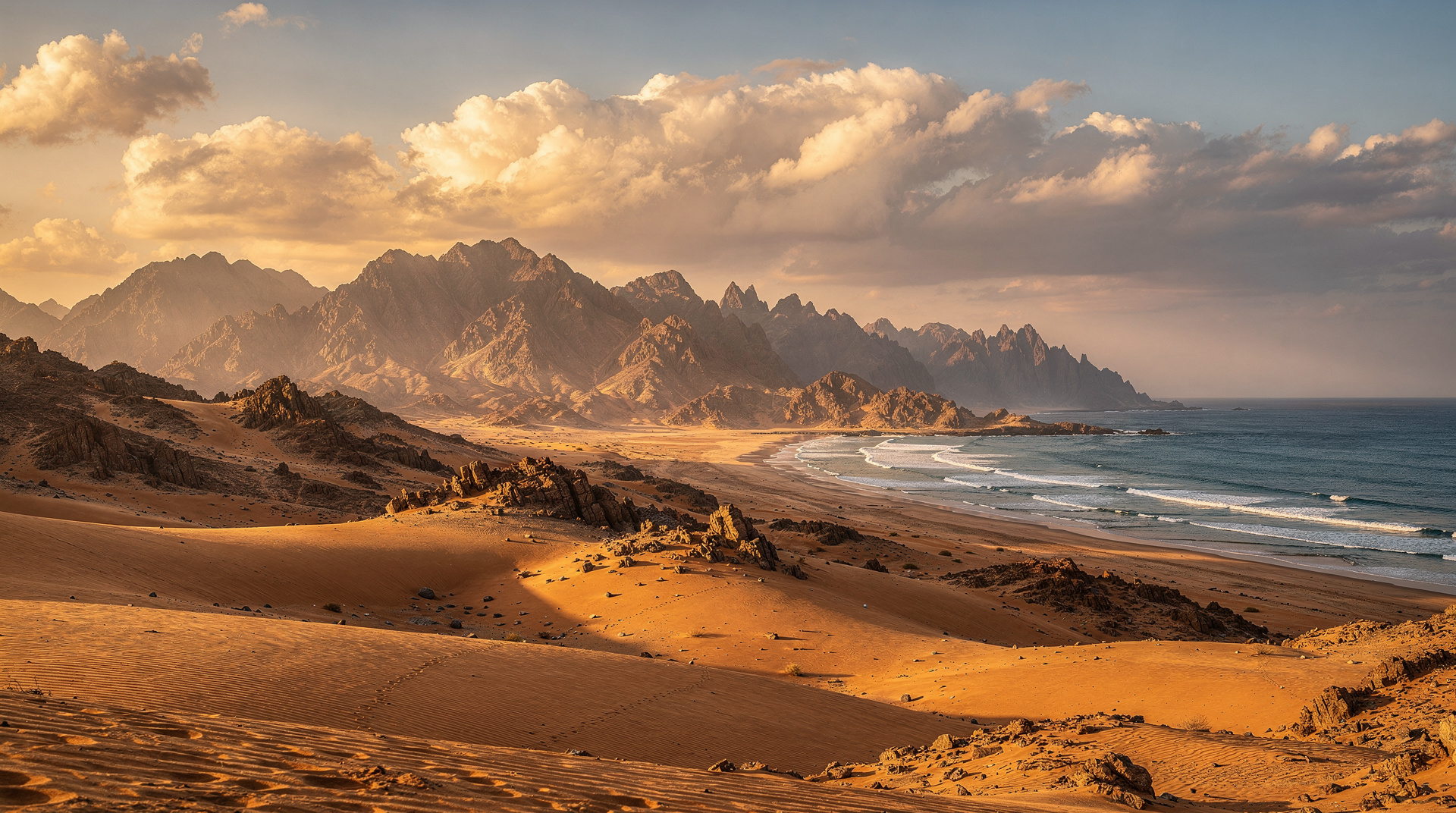
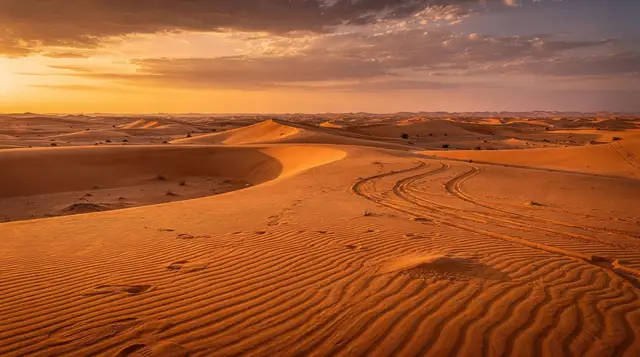
The Wahiba Sands — properly called the Sharqiyah Sands or Ramlat Al Wahiba — cover approximately 12,500 square kilometres of the Omani interior. At any time of year this is an extraordinary landscape: copper-red dunes rising to 100 metres, an horizon of nothing but sand in every direction, a silence that is physical rather than merely the absence of sound.
But in summer, this landscape is practically inaccessible. Daytime temperatures reach 45–50°C, ground temperatures on exposed sand climb higher still, and activities beyond the most air-conditioned camp environments become dangerous. The desert’s appeal collapses under the arithmetic of heat.
Winter inverts this completely. December through February brings the Wahiba Sands into perfect condition — warm but comfortable days, cool nights, exceptional stargazing, and the entire landscape opening up to active exploration.
At a glance
| Where | Sharqiyah Sands, around 200 km / 2.5 hours from Muscat, entering via Al Qabil or Ibra |
| Cost | Day trips from around 25-45 OMR per person; overnight camps roughly 35-130 OMR per person |
| Time needed | One overnight is ideal; a long day trip is possible but misses the night sky |
| Getting there | Guided tour from Muscat (recommended for winter’s busy period) or self-drive 4WD |
| Best time | December to February for the coolest, most comfortable conditions within the winter window |
What to Expect This Season
The Temperature Window
The core appeal of winter in the Wahiba Sands is the temperature. Daytime highs of 20–28°C sit in the sweet spot where you can spend full hours walking dunes, riding camels, and moving around on foot without the oppressive weight of summer heat. The desert air is dry and clear — low humidity makes the warmth feel manageable even at the higher end of the range.
Evenings begin to cool from around 5pm as the sun loses height. By 7pm temperatures are at 12–15°C. Overnight they drop further to 8–12°C. This is genuine sleeping-bag weather in the open air, and the camping experience is fundamentally different from summer — you need a blanket but you can sleep comfortably rather than fighting air-conditioning against the heat outside.
The Desert Light
Winter sun in the Omani desert is extraordinary for anyone interested in photography or simply in how light transforms landscape. The sun tracks lower through the sky than in summer, meaning long shadows fall across the dune faces from mid-afternoon. The texture of wind-sculpted sand ripples becomes three-dimensional in a way that flat overhead illumination eliminates entirely.
The hour before sunset — from around 4pm in December to 5pm in February — is when the dunes turn deep amber and the shadows reach across the desert floor in long blue lines. Watching this from a dune crest is one of the defining sensory experiences of Oman.
The Night Sky
Away from any significant light pollution — the nearest city of size is Muscat, 200km away — and with winter’s dry, clear atmosphere, the Wahiba Sands deliver stargazing that is exceptional by any standard. The Milky Way in January is a dense, structured band rather than the vague smear you see from any populated area. Individual star clusters and nebulae are visible to the naked eye. The zodiacal light — a faint cone of scattered sunlight — is visible before dawn in winter from truly dark sites.
An overnight desert camp experience gives you the full arc of desert time: sunset, the night sky, the stillness of 3am with stars at the zenith, and the pre-dawn light show before the sun clears the dunes.
The Landscape
The Dune Field
The Wahiba Sands transition between different dune types from north to south. The northern reaches near Al Qabil have classic transverse dunes — parallel ridges running roughly east-west, shaped by the prevailing wind. Moving south, the dunes become taller and more complex, with star dunes in some areas that can exceed 100 metres. The colour shifts from pale gold in the north to deep copper-red in the interior.
In winter, the dune surfaces carry the previous night’s wind patterns clearly — the delicate ripples formed by overnight breezes are pristine in the morning before foot traffic disturbs them. This is the best time for the kind of landscape photography that looks like it was done on Mars.
The Desert Edge and Wadi Bani Khalid
The standard tour route from Muscat combines the dunes with Wadi Bani Khalid — one of Oman’s most beautiful year-round wadis, fed by permanent springs that maintain deep pools of vivid turquoise water throughout the year. In winter, the wadi swimming is cool but entirely refreshing, and the combination of a swim in the turquoise pools followed by an afternoon in the desert makes for a day of dramatic contrasts.
The Wahiba Sands and Wadi Bani Khalid group tour covers both in a single well-organized day from Muscat, including the dune experience, a desert camp stop, and the wadi swim. For a more private experience, the Wahiba Sands private tour gives you the same route without a group.
What to Do
Dune Bashing
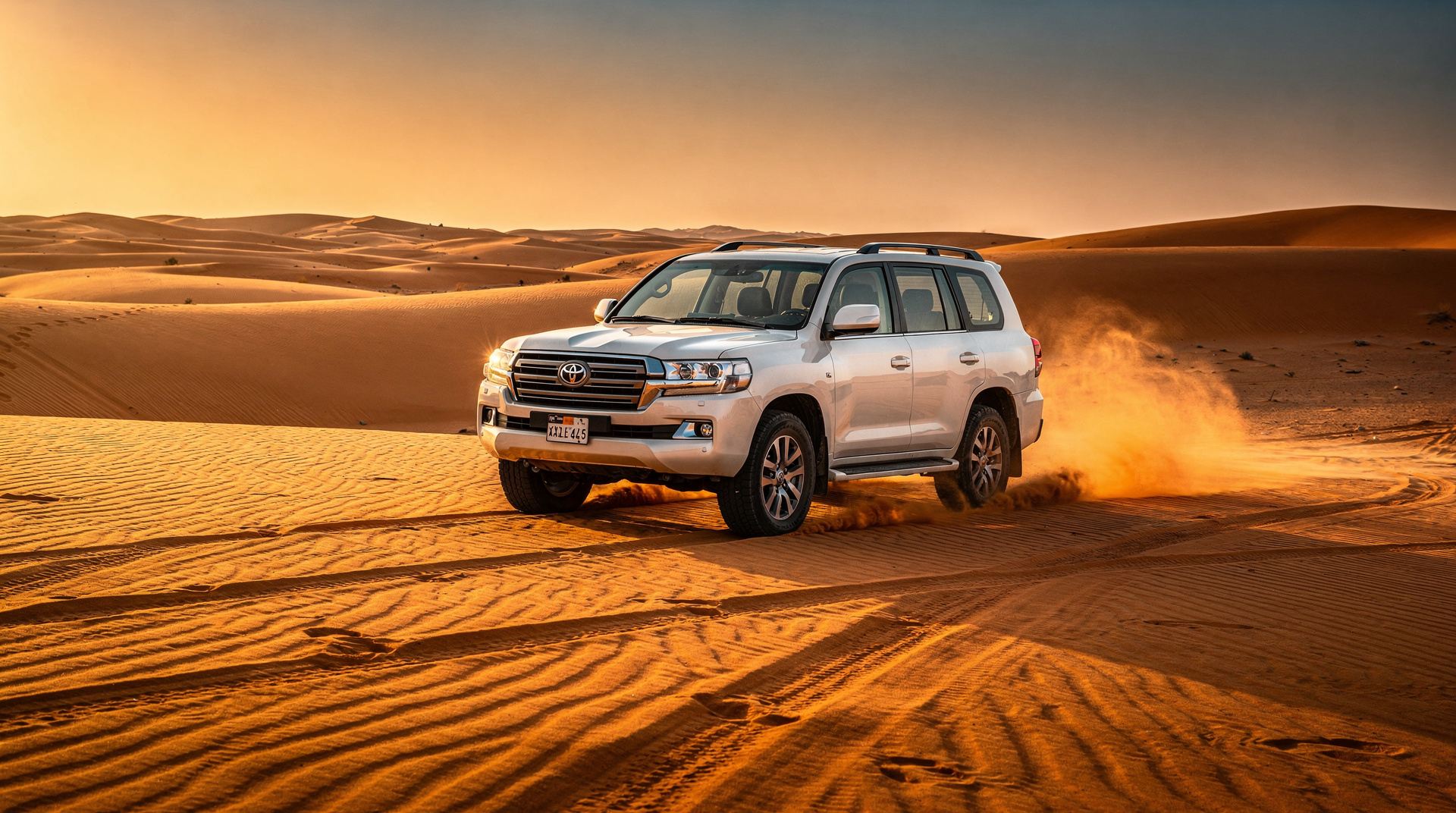
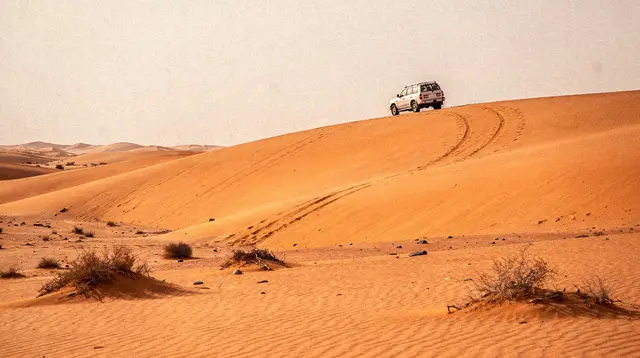
The 4WD descent and ascent of steep dunes — tyres deflated to 15–18 PSI for traction — is equal parts terrifying and exhilarating. Experienced tour drivers time the descents to build momentum and scale the opposite face, and the sensation at the top of a dune face before the descent is genuinely stomach-dropping. Children love it; adults discover they do too. Winter is the optimal season because you can then get out and walk the dune crests afterward without overheating.
Camel Riding
Desert camps offer camel rides ranging from 15-minute circuits to longer sunset rides. Winter temperatures make camel riding significantly more pleasant than summer — for the rider and, arguably, for the camel. The gentle swaying gait and the elevated viewpoint over the dune landscape is a different and quieter way to experience the desert than the adrenaline of 4WD dune bashing.
Overnight Camp Experience
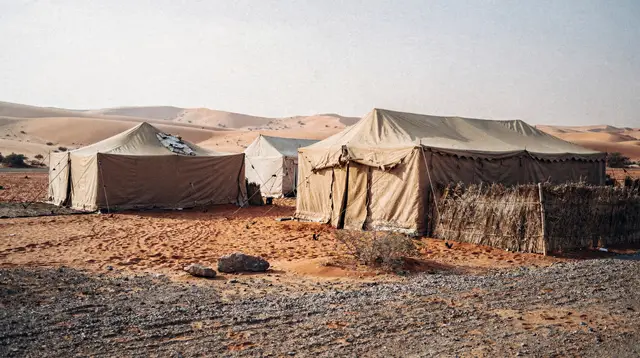
Staying overnight in the desert is the most complete way to experience the Wahiba Sands in winter. The camps range from basic Bedouin-style tents with shared facilities to luxury tent suites with private bathrooms, wifi, and air-conditioning. For winter, the luxury upgrade is less necessary — the temperature is comfortable — but the private tent experience still delivers better sleep and more atmospheric evenings.
Camp evenings typically include a traditional Omani dinner, fire-side gathering, and optional stargazing. The quality of the meal and the atmosphere varies significantly between camps — read recent reviews before booking.
Where to Stay
Thousand Nights Camp is one of the most consistently reviewed camps in the Wahiba Sands. Located in the heart of the dune field, it offers both standard and deluxe tents, good food, and professional organization. Book directly for the best availability in winter.
Desert Nights Camp is a more luxury-oriented property with higher prices and correspondingly more private facilities. Well-suited for a honeymoon or special occasion desert stay.
Al Areesh Desert Camp and several smaller family-run camps offer more authentic, simpler experiences at lower prices. These suit travelers who want the desert experience without the organized tour feel.
What to Pack
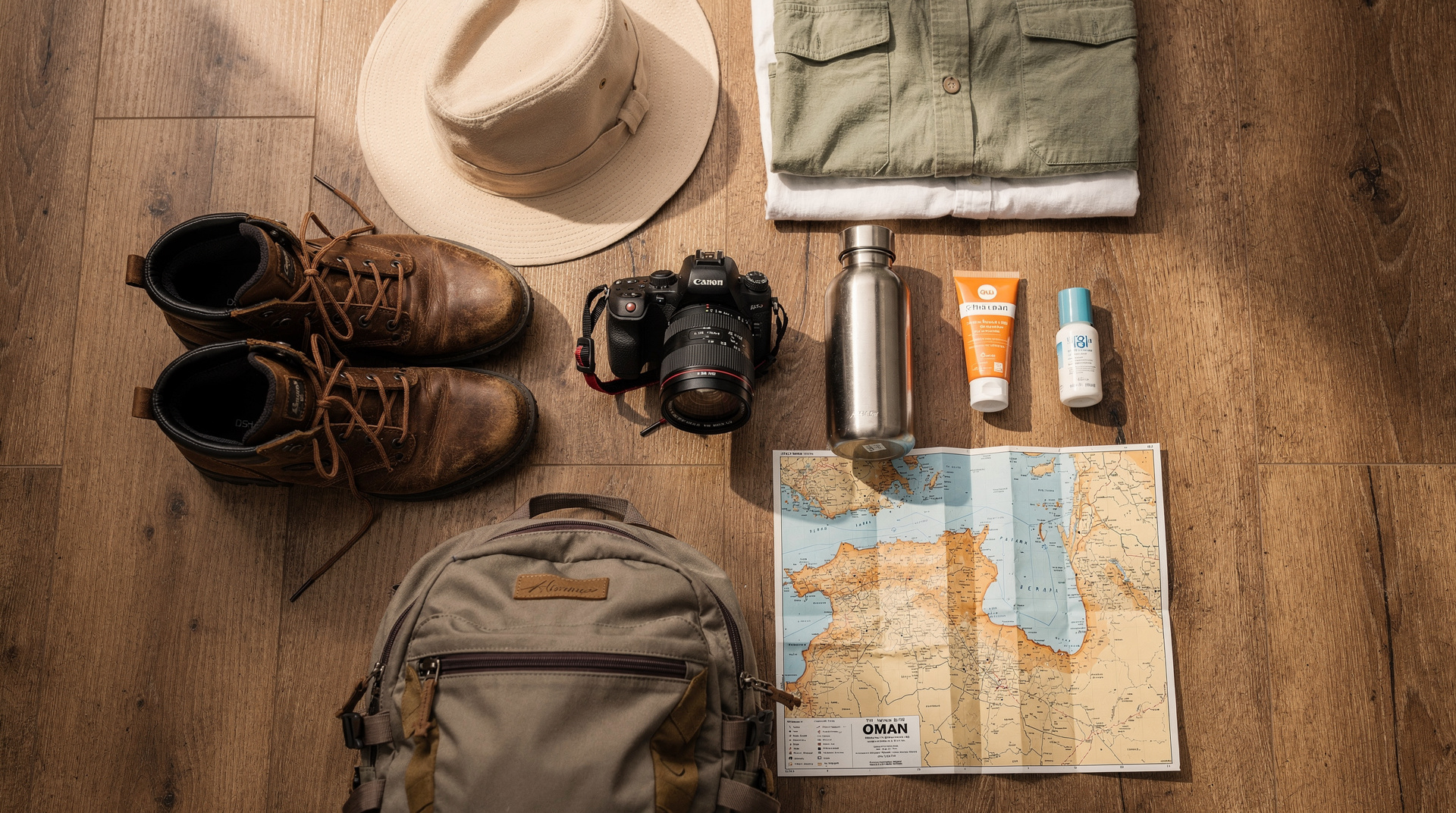
For a winter Wahiba Sands overnight, the packing list should include: a fleece or light down jacket for evenings and pre-dawn, a thin buff or scarf for blowing sand (always a factor in the desert), closed walking shoes for dune climbing, comfortable sandals for the camp area, a headlamp, a battery pack for your phone, and a compact camera or charged phone for the inevitable sunset and star photos. The camps provide blankets and basic bedding — a sleep sheet adds extra comfort without significant weight.
Leave large bags behind — you will want to move freely on the dunes.
Winter Month by Month
| Month | Daytime temp | Night temp | Crowds |
|---|---|---|---|
| December | 22-27°C | 10-14°C | High (holiday season) |
| January | 20-26°C | 8-12°C | High |
| February | 22-28°C | 10-15°C | Moderate |
| March (shoulder) | 25-33°C | 13-18°C | Moderate, still comfortable |
Late December through early January is the busiest and coldest window, driven by international holiday travel; February offers a slightly milder night-time temperature with fewer crowds. For a wider comparison of Oman’s seasons beyond the desert, the Oman in winter guide and best time to visit Oman guide put this window in national context, and the Oman in December and Oman in January guides break down each month specifically.
Winter Versus the Rest of the Year
Spring (March-April) is still workable in Wahiba Sands, with warmer days but nights that remain pleasant, and it is a reasonable option for visitors who cannot travel in the core winter window. Autumn (October-November) offers a similar shoulder-season profile from the other direction, cooling down from summer’s extremes. Both are covered in more general terms in the Wahiba Sands desert safari guide, which also details activities, camps and pricing that apply year-round, not just in winter.
Travellers weighing up the desert against Oman’s other winter highlights should also consider the Jebel Shams Balcony Walk, which is at its most comfortable in the same October-April window, and the Wadi Bani Khalid oasis wadi that pairs so naturally with a desert day.
Practical Tips
Book in advance for December and January. The best desert camps fill their best tents during peak winter season, particularly around the Christmas and New Year period when Muscat is busy with international visitors.
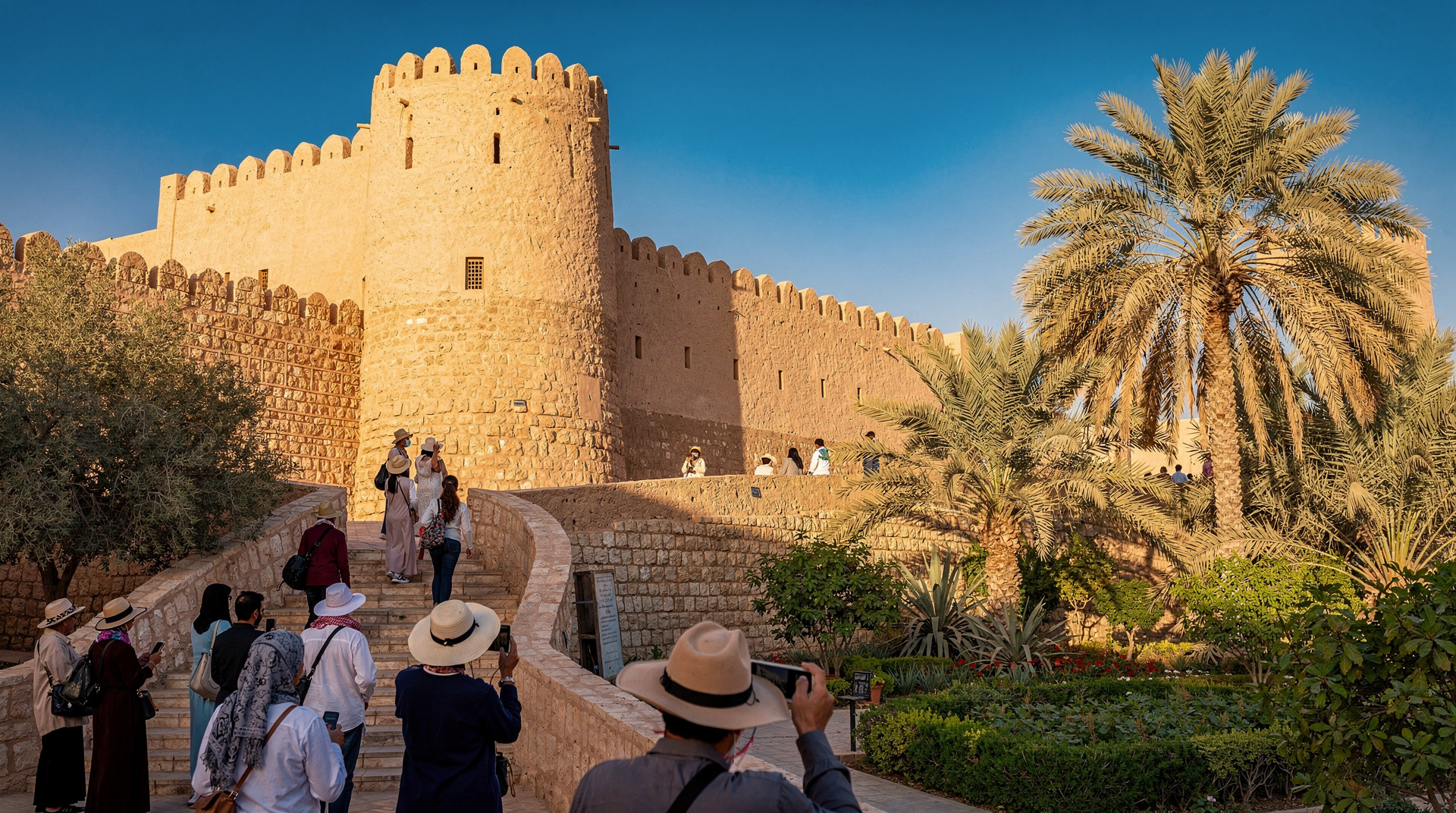
Combine with Nizwa on the same circuit. The drive from Muscat to the Wahiba Sands passes close to Nizwa. Stopping for a morning at Nizwa Fort and the souq on the way to the desert, then continuing to the dunes for afternoon and overnight, makes for one of Oman’s best two-day road trip formats. The Nizwa and Jebel Akhdar tour works well if you want the cultural context of the interior before reaching the desert.
Set an alarm for 5:30am. The pre-sunrise half-hour in the desert, when the sky lightens from deep violet to amber over the eastern dunes while the western sky holds the last stars, is the desert at its most elemental. Missing it by sleeping in is a genuine loss.
Drink water constantly. Desert air is very dry in winter and the low humidity means dehydration happens faster than you might expect in comfortable temperatures. Carry at least 2 litres per person for any extended time outdoors.
Frequently asked questions about Wahiba Sands in Winter: The Best Time for the Desert
What are temperatures like in the Wahiba Sands in winter?
Daytime temperatures in December through February typically range from 20 to 28°C — warm enough to enjoy the desert scenery but not so hot as to limit activity to air-conditioned vehicles. Nights cool significantly to 8–14°C, which makes sleeping in desert camp tents comfortable with a blanket and creates the cool, still air that makes pre-dawn dune walking so atmospheric. This is a dramatic contrast to summer, when daytime temperatures can exceed 45°C in the desert interior.Can I visit the Wahiba Sands without a 4WD?
If you are joining an organized tour, yes — the tour operator provides 4WD vehicles. If you want to self-drive into the desert, you will need a 4WD and ideally experience driving on sand. Standard sedans cannot handle the soft sand tracks within the dune field. The paved road from Muscat to the desert edge (via Al Qabil or Ibra) is driveable in any vehicle; the issue is getting into the dunes themselves.What should I pack for a winter overnight stay in the Wahiba Sands?
For a winter overnight, pack: a fleece or light down jacket for the evening and pre-dawn (temperatures drop significantly after sunset), comfortable sandals or flip-flops for camp, closed shoes for dune walking (sand gets into sandals), a headlamp for moving around camp at night, and a scarf for the wind. The camps provide bedding but a personal sleep layer adds significant comfort. Leave large suitcases in Muscat — a small daypack is ideal.Are the dunes passable in winter? What about after rain?
The Wahiba Sands are most accessible and at their best in winter. The sand is generally stable and the dune crests are firm after cool nights. Rain is rare but possible in winter — the Omani interior occasionally sees brief rainfall between November and March. After light rain, the desert can be breathtakingly beautiful with a scent of wet sand and occasional wildflowers appearing within days. After heavy rain, some tracks may be soft and require extra care. Organized tours monitor conditions and adjust routes accordingly.Is the Wahiba Sands good for photography in winter?
Winter delivers exceptional photography conditions. The low sun angle in December and January creates long shadows across the dunes from around 3:30pm until sunset, emphasizing the ripple texture of the sand in a way that overhead summer sun completely flattens. Golden hour — the last 45 minutes before sunset — is extraordinary. For sunrise, the cool pink light on the dunes before the full sun clears the eastern horizon is equally dramatic and has the advantage of very few other visitors at that hour.How does a winter visit to Wahiba Sands compare with visiting in summer?
The difference is dramatic. Winter daytime temperatures of 20-28°C allow full days of activity outdoors, while summer regularly exceeds 45°C and confines most activity to air-conditioned vehicles or shaded camp areas. Nights follow the same pattern: winter brings genuinely comfortable sleeping-bag conditions of 8-14°C, while summer nights barely cool below 30°C. See the full Wahiba Sands desert safari guide for year-round planning.Should I combine a winter Wahiba Sands trip with Wadi Bani Khalid?
Yes, this is the most popular and efficient combination. Wadi Bani Khalid sits about 45 minutes from the main dune entry point and offers turquoise, spring-fed pools that are refreshing even in the cooler winter air. Most guided day and overnight tours already pair the two, visiting the wadi in the morning and the dunes for the afternoon and evening.
Top experiences
Bookable activities with verified prices and instant confirmation on GetYourGuide.
 📍 Wahiba Sands
 From Muscat: desert overnight and Wadi Bani Khalid
- Private tour
- Hotel pickup
- Free cancellation
 📍 Wahiba Sands
 Muscat: Wahiba Desert and Wadi Bani Khalid guided group tour
- Free cancellation
- Hotel pickup
- Small group
 📍 Wahiba Sands
 Wahiba Sands and Wadi Bani Khalid private tour
- Private tour
- Hotel pickup
- Instant confirmation
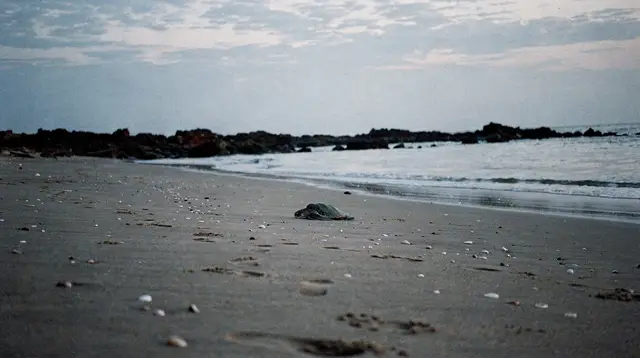 📍 Ras Al Jinz
 From Muscat: Wadi Shab, Ras Al Jinz, Wahiba Sands 2-day tour
- Free cancellation
- Hotel pickup
- Small group
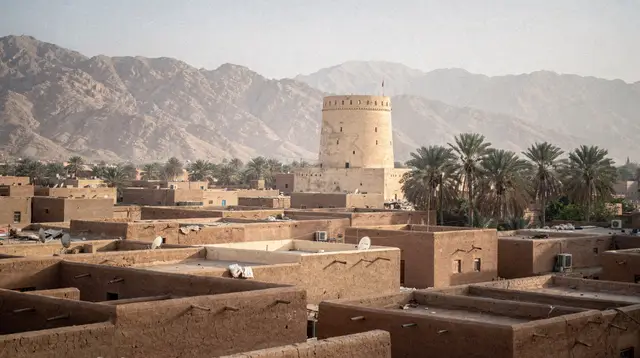 📍 Nizwa
 Muscat: explore Nizwa Fort and Souq + Jebel Akhdar
- Free cancellation
- Hotel pickup
- English guide