Daymaniyat Islands Snorkeling: Complete Guide to Oman's Marine Reserve
What can I see snorkeling at the Daymaniyat Islands?
The Daymaniyat Islands host remarkable marine biodiversity including hawksbill and green sea turtles, reef sharks, manta rays, moray eels, and hundreds of tropical fish species. Visibility reaches 15-20 metres on good days. Day trips from Muscat take about 1.5 hours each way by boat.
Oman’s Finest Snorkeling: The Daymaniyat Islands Marine Reserve
Nine small islands rise from the turquoise waters of the Gulf of Oman, 18 km off the coast near As Sib. These are the Daymaniyat Islands — an uninhabited archipelago that Oman has protected as a Nature Reserve since 1996, and which consistently ranks among the top snorkeling destinations in the entire Arabian Peninsula.
The protection has worked. Marine life at the Daymaniyat Islands is genuinely abundant in a way that surprises visitors used to more heavily visited reef systems. Hawksbill turtles are almost certain sightings — they feed on the reef sponges and are so accustomed to gentle snorkelers that they sometimes approach within arm’s reach. Reef sharks patrol the deeper channels. On the right day, with the right conditions, a single morning in the water can produce a nature encounter that rivals anything in the Red Sea or Indian Ocean.
This guide covers everything you need to plan a snorkeling trip: which tours to book, what marine life to expect in each season, the best spots within the reserve, how to reach the islands, and full 2026 pricing.
At a glance
| Where | 18 km offshore from As Sib, near Muscat |
| Cost | Around 25-45 OMR per person for a half-day shared tour; 150-300 OMR for a private boat charter |
| Time needed | Half a day (5-6 hours including the boat crossing) |
| Getting there | Boat tour from Al Mouj Marina or As Sib port; no independent access or public transport |
| Best time | October through April for the best visibility, temperature, and turtle activity |
About the Daymaniyat Islands
The nine islands of the Daymaniyat archipelago are spread over an area of approximately 100 square kilometres of protected waters. The islands themselves are small, rocky, and officially off-limits to overnight camping during nesting season (May through September) when the beaches become nesting grounds for sea turtles. Day access to the water for snorkeling and diving is permitted under the reserve management framework.
The reef system surrounding the islands includes:
- Coral gardens: Shallow areas (2-8 metres) with branching and table corals, home to the highest concentrations of fish life
- Reef walls: Steep drop-offs on the seaward sides of the islands where larger pelagic species patrol
- Sandy channels: Between the island clusters, sand patches where rays rest and turtles feed
- Rock formations: Undercut ledges and caves at several sites that shelter moray eels, lobsters, and large groupers
Water clarity is one of the defining characteristics of the Daymaniyat experience. On good days — typically October through April — visibility reaches 15-20 metres. You can watch events 15 metres below from the surface without a mask. On windier days, surface chop and some sediment disturbance reduce this to 8-10 metres, still excellent by most standards.
Marine Life: What You Will See
Sea Turtles
The single most celebrated encounter. Both hawksbill and green sea turtles use the Daymaniyat Islands extensively — hawksbills feed on the reef sponges year-round, green turtles come to nest on the beaches May through September and remain in the waters surrounding the islands. Turtle sightings are not occasional encounters; at the right sites, you can spend an entire snorkeling session in the company of multiple turtles simultaneously.
The experience of watching a sea turtle from directly above — its measured wingbeats, its apparent unconcern with your presence — never loses its power. These animals have existed largely unchanged for 100 million years. Being in the water with them is genuinely moving.
Reef Fish
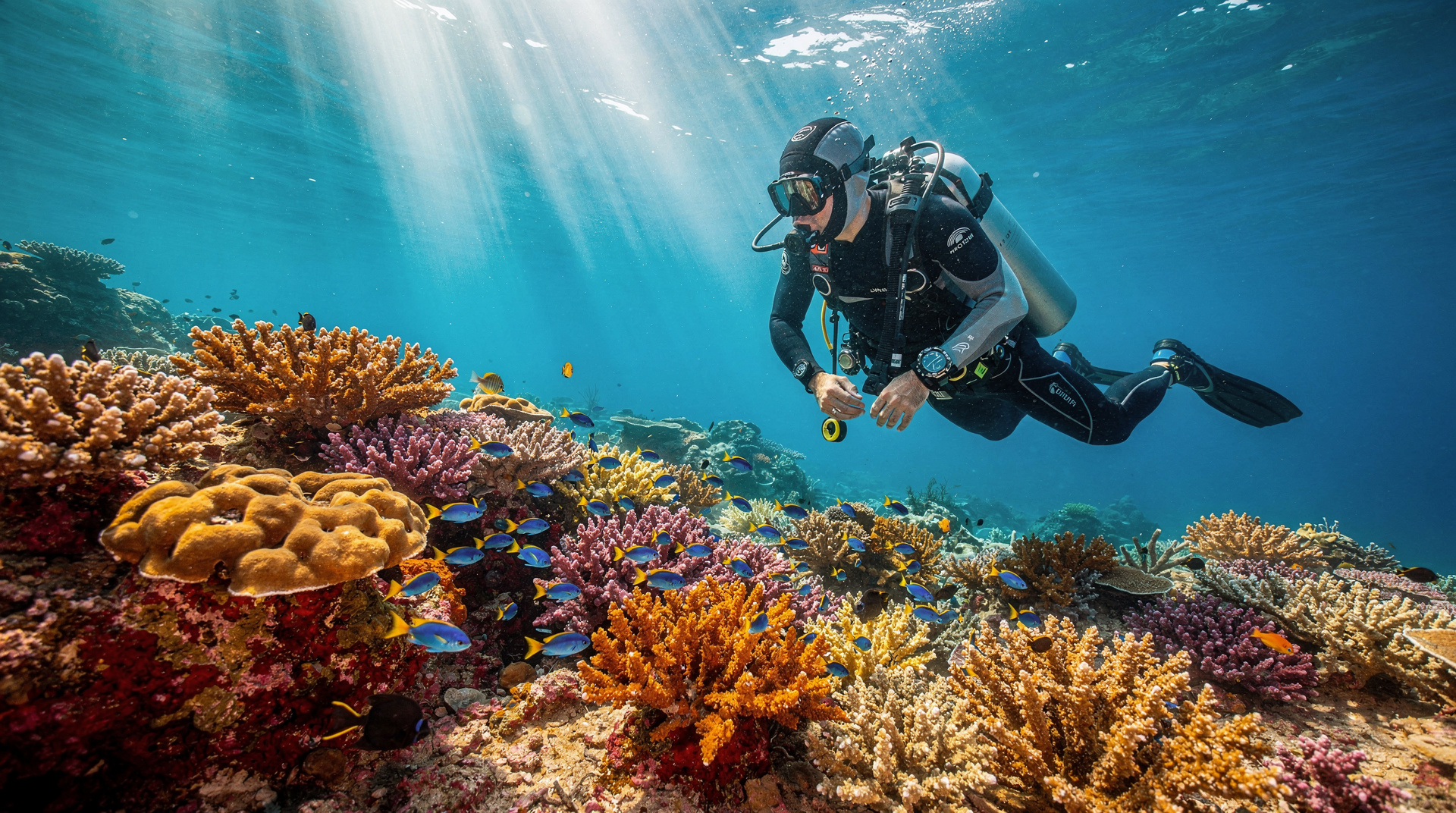
The species diversity is remarkable for the northern Gulf of Oman. Common sightings include: parrotfish (their crunching of coral is audible underwater), surgeonfish in schools of 50-100 individuals, lionfish lurking under ledges, clownfish in their anemones, boxfish, pufferfish, angelfish, triggerfish, butterflyfish. The coral gardens attract dense concentrations of small fish that flash and swarm in unpredictable formations.
Sharks
Whitetip reef sharks and blacktip reef sharks are regular sightings at the deeper reef sites. They are not dangerous to snorkelers — these are reef sharks that have been habituated to human presence over years of dive tourism. Seeing a 1.2-metre whitetip gliding 6 metres below you is one of the more thrilling moments the Daymaniyat offers.
Rays
Spotted eagle rays and blue-spotted rays (stingrays resting in sand patches) are common. Manta rays appear seasonally — most frequently from October through December when conditions bring high plankton concentrations. Not every trip produces a manta encounter, but operators know which conditions favour them and position boats accordingly.
Octopus and Cephalopods
The reef caves and overhangs shelter octopus that are often spotted by sharp-eyed snorkelers and guides. Their camouflage is extraordinary — a grey octopus on a grey rock is essentially invisible until it moves. Guides who know the sites can point these out reliably.
For a wider picture of what lives off the Omani coast, the marine life in Oman guide covers the species you may meet here and elsewhere, and the guide to snorkeling spots in Oman compares the reserve with other places to get in the water. If you want to see how the reserve fits into the wider destination, the Daymaniyat Islands destination page is the place to start.
Snorkeling Tours from Muscat
The most practical way to visit the Daymaniyat Islands is via an organised boat trip from the Muscat area. Boats depart from the Al Mouj Marina or the marina at As Sib, the journey taking approximately 45-90 minutes depending on sea conditions and boat speed.
The Daymaniyat Islands snorkeling trip from Muscat is one of the most popular marine tours in Oman, running year-round with sessions at multiple sites within the reserve. The tour includes snorkeling equipment, life jackets, light refreshments, and a guide who accompanies snorkelers in the water. This last point matters — having someone in the water with you who knows where the turtles feed and which ledges shelter the moray eels dramatically improves the quality of encounters.
The snorkeling with turtles tour at Daymaniyat Island specifically focuses on the turtle-rich sites within the reserve and is designed around maximising turtle encounter probability. This version also includes a stop at a second site for reef fish diversity.
For those who want a more complete experience, the Daymaniyat Islands snorkeling trip with BBQ-style lunch combines a full snorkeling session with a barbecue lunch on board — a popular option for those who want a complete day out on the water.
The Daymaniyat Islands snorkeling trip with hotel pickup is particularly convenient for visitors staying in central Muscat who want door-to-door logistics handled.
For a more adventurous variation, the snorkel and kayak with turtles at Daymaniyat combines sea kayaking between sites with snorkeling, offering a more active exploration of the reserve than a purely boat-based tour.
Best Snorkeling Sites Within the Reserve
Different sites within the Daymaniyat Islands offer different experiences. Operators select sites based on current conditions, wind direction, and group experience level.
Site 1: The Turtle Garden
The most popular site for snorkeling, located off the eastern end of one of the central islands. Shallow reef in 3-8 metres with extraordinary turtle density. In peak season (October-April), multiple turtles feeding simultaneously is the norm. The coral cover here includes both hard corals and soft corals that create complex habitat.
Site 2: The Channel Wall
A reef wall dropping from 5 metres to 25 metres on the seaward edge of the archipelago. This is where the bigger animals patrol — reef sharks, eagle rays, large groupers. Requires reasonable swimming ability as the site involves some current and deeper water. Not suitable for complete non-swimmers even with life jackets.
Site 3: The Coral Gardens
A broad, shallow plateau (2-6 metres) with dense coral coverage. Best for fish diversity and a more relaxed experience than the wall sites. Parrotfish, surgeonfish, and moray eels are particularly abundant. Good for beginners and families.
Site 4: The Sandy Bay
A protected bay on the lee side of the largest island, with clear sandy bottom and scattered coral heads. Blue-spotted rays rest in the sand, turtles sometimes sleep on the bottom, and the calm, shallow conditions make this the safest site for nervous or inexperienced snorkelers.
Practical Information
Getting to the Departure Marina
Most tours depart from either the Al Mouj Marina (in the northeastern Muscat suburb of Al Mouj) or the As Sib fishing port approximately 10 km northwest of Al Mouj. Operators provide clear meeting point instructions when you book. Parking is available at both locations.
Taxi from central Muscat to Al Mouj Marina: approximately 5-8 OMR.
What to Bring
- Swimwear worn under clothing (change facilities on boats are minimal)
- Towel (not always provided)
- Reef-safe sunscreen only — the reserve prohibits chemical sunscreens that damage coral. Pack mineral (zinc oxide) sunscreen.
- Water shoes for boarding (docks can be slippery)
- Underwater camera or waterproof phone case (bring your own — operators do not typically provide)
- Snacks (boat rides of 90 minutes each way mean hunger by return)
- Sea-sickness medication if prone (take 30-60 minutes before departure)
- Hat and sun-protection clothing for the surface intervals between snorkeling
What Operators Provide
All standard tours include: mask, snorkel, fins (sized to your feet), life jacket (mandatory for non-swimmers, available for all), and a guide in the water.
Most also provide: drinking water, basic snacks or lunch, wetsuit top if water is cool (November-February).
Wetsuits are recommended November through February — water temperature drops to 21-23°C during winter, which becomes cold after extended snorkeling. Most operators have wetsuits available on request.
Water Temperature and Conditions by Month
| Month | Water Temp | Visibility | Turtle Activity |
|---|---|---|---|
| October | 27-28°C | Excellent | High |
| November | 25-26°C | Excellent | High |
| December | 23-24°C | Very good | Medium |
| January | 21-22°C | Very good | Low (nesting gap) |
| February | 21-22°C | Good | Low |
| March | 23-24°C | Good | Medium |
| April | 25-26°C | Good-Very good | High |
| May | 27-28°C | Good | Very high (nesting begins) |
| June-September | 29-32°C | Moderate | Peak nesting |
The October-November window is widely considered the best combination of water clarity, temperature, turtle activity, and comfortable surface conditions.
Non-Swimmers and Those with Limited Confidence
The Daymaniyat Islands are accessible to non-swimmers and nervous snorkelers. All tours provide life jackets that allow you to float comfortably at the surface without active effort. The key requirements are:
- Ability to put your face in the water (face-in snorkeling is where all the marine life is)
- Comfort floating on the surface for 20-30 minutes at a time
- No strong phobia of open water
Guides provide one-on-one assistance for beginners — demonstrating mask clearing, how to breathe through the snorkel without panic, and how to fin efficiently. Children from age 6 upward can usually snorkel successfully with life jacket support.
Environmental Responsibility
The Daymaniyat Islands Marine Reserve is a protected area with specific rules:
- No touching marine life, including turtles (distressing a turtle in the water is harmful and illegal)
- No standing on coral — all movement must be via finning, never with feet touching the reef
- No fish feeding — operators should not do this and reputable ones do not
- Reef-safe sunscreen only — the reserve’s signage makes this clear; chemical UV filters are prohibited
- No removal of shells, coral, or any marine material
Operators who are genuinely committed to the reserve’s protection brief guests on these rules before entering the water and actively enforce them during the session. Choose operators who take this seriously.
Complement your marine experience by reading about diving at the Daymaniyat Islands, which reveals the deeper reef systems inaccessible from the surface.
Combining Snorkeling with Other Activities
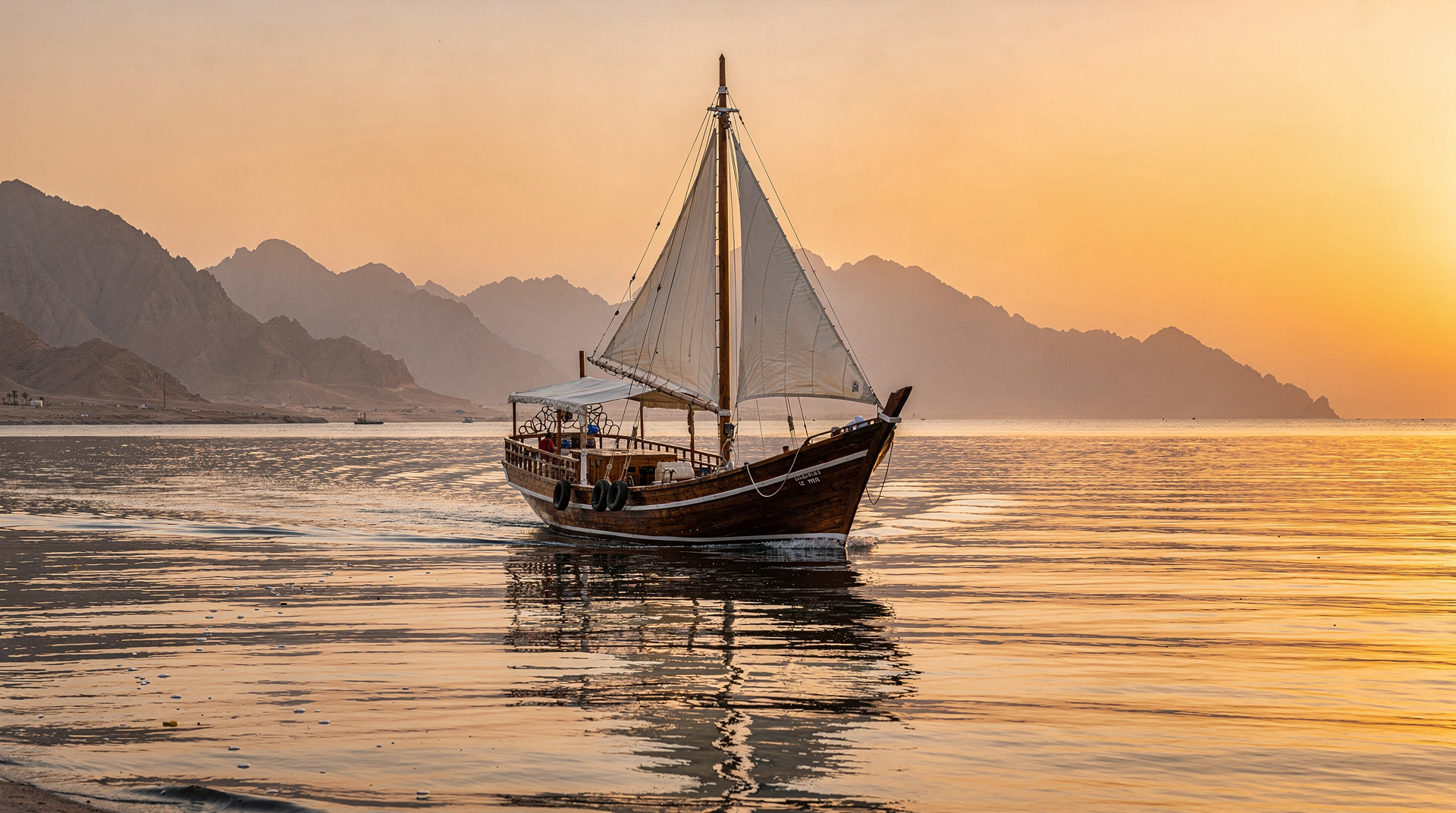
Morning snorkeling + afternoon dhow cruise: A nautical day that covers both the active underwater world and the relaxed above-water experience of a traditional dhow. See the Muscat sunset dhow cruise guide for details.
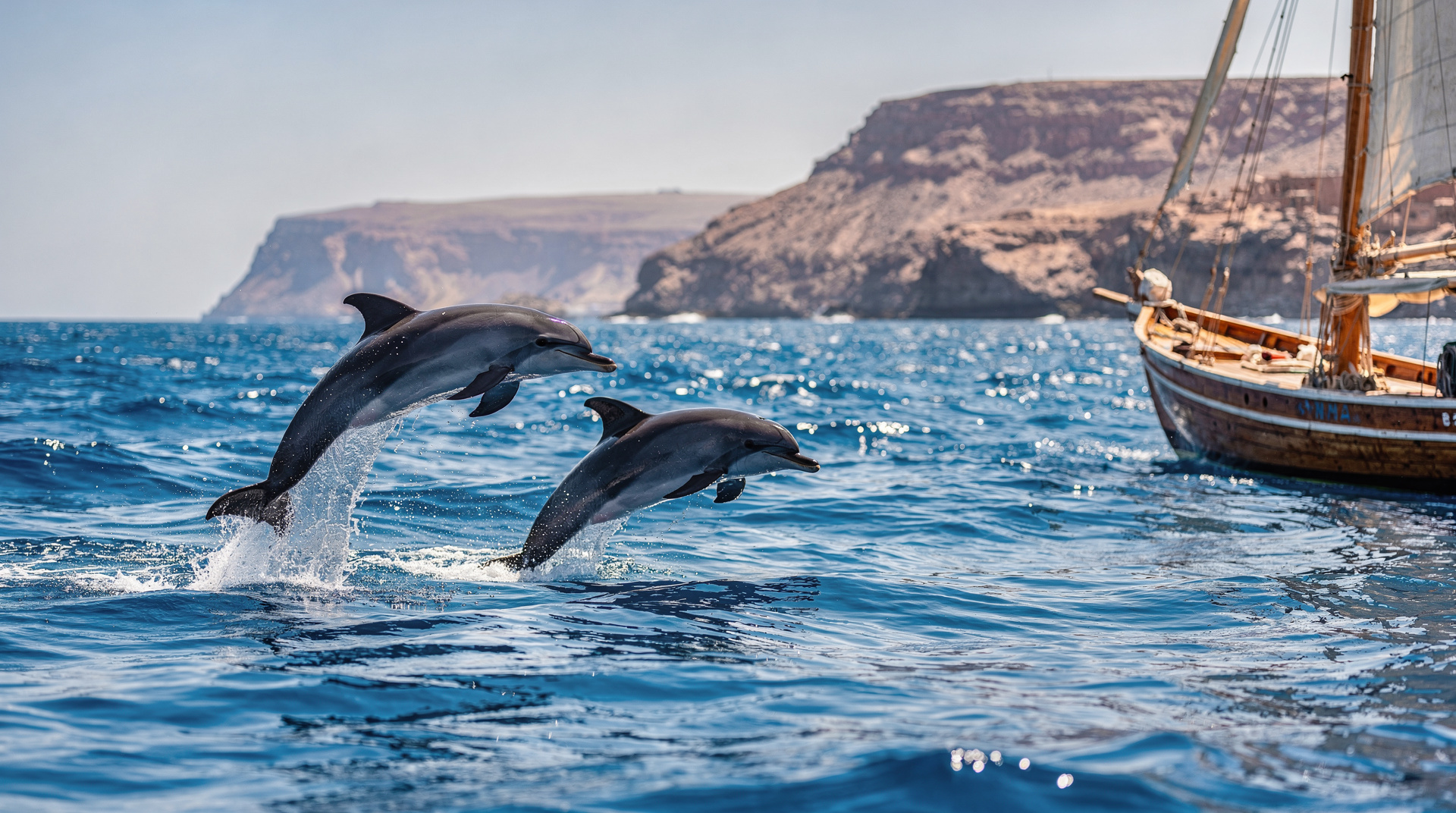
Daymaniyat snorkeling + dolphin watching: Some tours combine both in a single day — dolphin watching in the outer waters, then snorkeling at the reserve. Check the dolphin watching in Muscat guide for the best combined tour options.
Sea kayaking + snorkeling: A few operators offer kayak-to-snorkel trips where participants paddle between sites within the reserve, which provides a stronger sense of exploration than being ferried by motorboat.
2026 Pricing
| Tour Type | Duration | Price Range (OMR) |
|---|---|---|
| Shared snorkeling tour from Muscat | Half day (5-6 hours) | 25-40 per person |
| Snorkeling with turtles focus tour | Half day (5-6 hours) | 30-45 per person |
| Private boat charter (up to 8 people) | Half or full day | 150-300 per boat |
| Combined snorkeling + diving | Full day | 60-90 per person |
| Children under 12 | — | 15-25 per child |
Prices include equipment, guide, and basic refreshments. Lunch is usually extra or bring your own.
Planning the rest of your stay? The Muscat city guide and the 3-day Muscat express itinerary show how a morning on the water can fit alongside the capital’s other highlights, and the best time to visit Oman helps you match your dates to the conditions described above.
Where to Stay for an Early Departure
Most Daymaniyat tours leave the marina between 7:30 and 9:00am, which means an early start from central Muscat. Staying in the Al Mouj or Qurum areas cuts the pre-dawn drive to a few minutes rather than the 30-45 minutes required from hotels further along the coast. Our where to stay in Muscat guide lists options by neighbourhood if you are planning your hotel booking around this trip specifically.
Snorkeling vs Diving at the Daymaniyat Islands
Snorkeling covers the surface and shallow reef down to roughly 8 metres, which is where the highest concentration of turtles and coral garden fish life is found. Scuba diving reaches the deeper reef walls and channel structures where reef sharks, larger groupers, and occasional pelagic visitors patrol — sites that are visible from the surface only as shadows. Non-divers should not feel they are missing the best of the reserve; turtle density, which is what most visitors come for, is actually higher in the shallow zones snorkelers already access. Divers wanting the fuller picture should read our scuba diving in Oman guide for certification requirements and dive-specific site information.
Combining a Daymaniyat Trip With the Rest of Your Muscat Time
Because most tours return to port by early afternoon, the second half of the day is free. A natural pairing is an afternoon at Mutrah Souq followed by dinner along the corniche, or resting at your hotel before an evening sunset dhow cruise. Travellers building a full itinerary around Muscat’s water-based activities should also look at deep-sea fishing from Muscat, which departs from the same general marina area and occasionally spots the same dolphin pods covered in the dolphin watching guide.
Frequently asked questions about Daymaniyat Islands Snorkeling: Complete Guide to Oman’s Marine Reserve
Are the Daymaniyat Islands accessible year-round?
The waters are accessible year-round for snorkeling and diving. The islands’ beaches are closed to landing May through September during sea turtle nesting season. Water clarity and temperature are best October through April.
How do I get to the Daymaniyat Islands?
There is no public transport. You need a boat tour from Muscat or As Sib. Private boat rentals are available for groups. Do not attempt to access the islands by kayak from the coast — the 18 km crossing in open Gulf of Oman water is beyond normal recreational capability.
Is snorkeling at the Daymaniyat Islands suitable for children?
Yes. Most operators accept children from age 6 upward. Life jackets are provided and guides are experienced with younger snorkelers. Pre-teens typically have some of the best encounters because they are small enough to move quietly near marine life.
Will I definitely see sea turtles?
Nothing in wildlife is guaranteed. However, turtle sightings at the Daymaniyat Islands are extremely reliable October through May — most guides report turtle encounters on the majority of trips during this period. If you do not see a turtle, operators generally feel responsible enough to note it as an unusual day.
Do I need to be able to swim?
Full swimming ability is not required — life jackets allow non-swimmers to float and snorkel. However, you need to be comfortable with your face in the water and breathing through the snorkel. Operators can teach the basics, but an hour of practice in a pool before your trip significantly enhances the experience.
Is the water safe to swim in at the Daymaniyat Islands?
Yes. The marine reserve is an unpolluted environment. No dangerous jellyfish blooms regularly occur in the area. Reef sharks are present but pose no danger to snorkelers — these are reef species that feed on fish, not humans, and have been habituated to snorkelers and divers over many years.
What are the boat journey conditions like?
The 18 km journey from the Muscat coast to the islands crosses open Gulf of Oman water. On calm days (most of October-April), the crossing is comfortable and fast. In winter (December-February), some days bring significant surface chop that makes the crossing genuinely rough and can cause motion sickness. Check weather conditions and ask your operator about sea state before departure.
Can I combine snorkeling with scuba diving on the same trip?
Some operators offer combined snorkeling and diving days, but they typically run as separate sessions rather than simultaneously, since divers and snorkelers work at different depths and paces. If you want both, book a combined tour specifically rather than assuming a standard snorkeling trip includes a diving option.