Scuba Diving in Oman: Sites, PADI Courses, and Seasons
Where is the best scuba diving in Oman?
The Daymaniyat Islands near Muscat offer Oman's best diving, with sea turtles, reef sharks, rays, and vibrant coral systems. Visibility reaches 15-20 metres. Khassab in Musandam and Bandar Khayran near Muscat are excellent secondary destinations.
Oman’s Underwater World: Where to Dive and What to Expect
Oman’s position at the meeting point of the Gulf of Oman and the Arabian Sea creates an unusually diverse marine environment. Cold upwellings from the deep ocean, combined with the warm shallow waters of protected bays, support marine ecosystems that surprise and impress even experienced divers arriving from famous destinations like the Maldives or Red Sea.
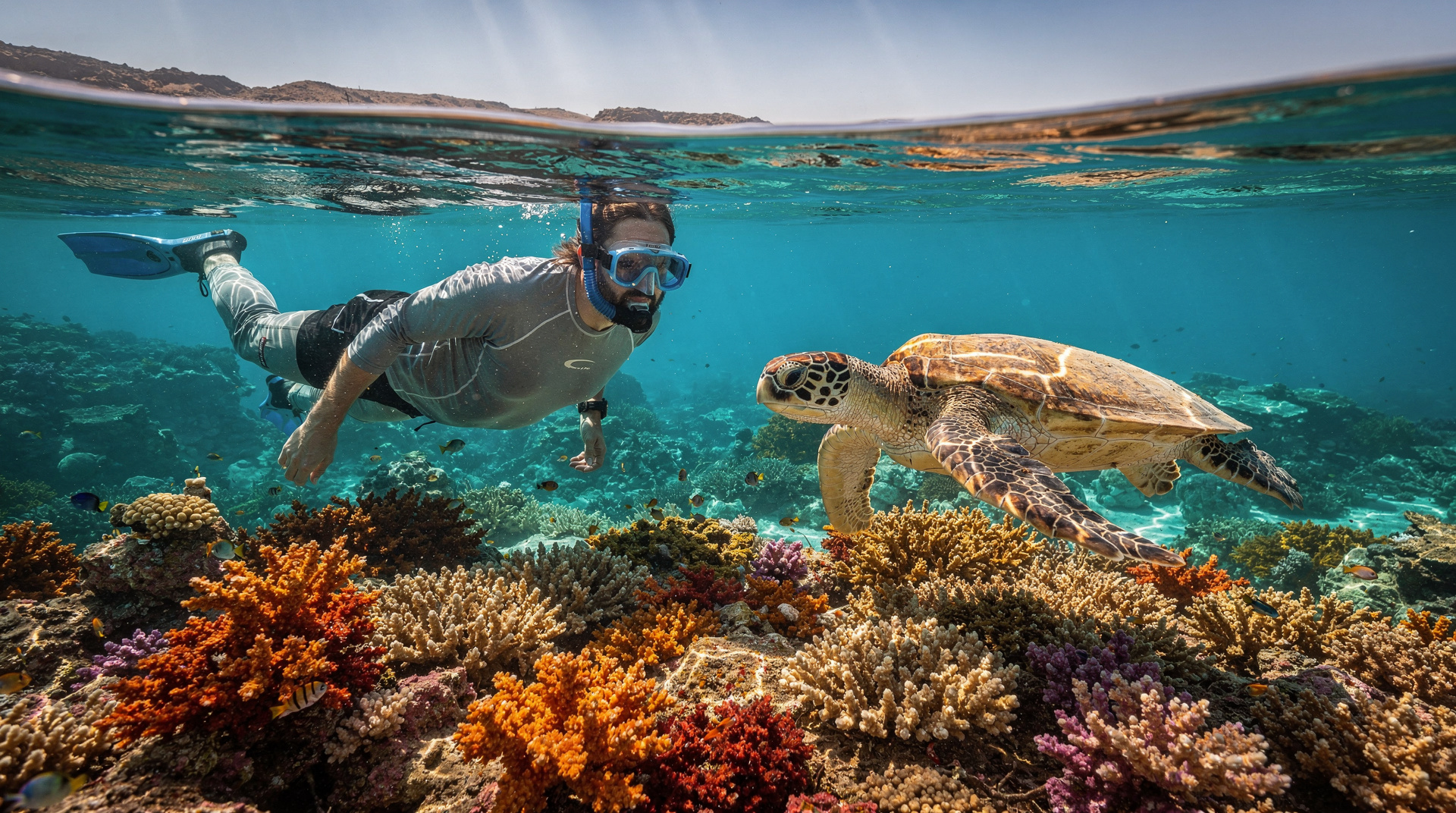
The headline destination is the Daymaniyat Islands Marine Reserve — nine uninhabited islands 18 km offshore from Muscat, with reef systems that have benefited from two decades of protected status. The marine biomass here is genuinely abundant: dense coral coverage, regular turtle encounters, reef sharks, rays, and a fish diversity that keeps taxonomically-minded divers busy on every dive.
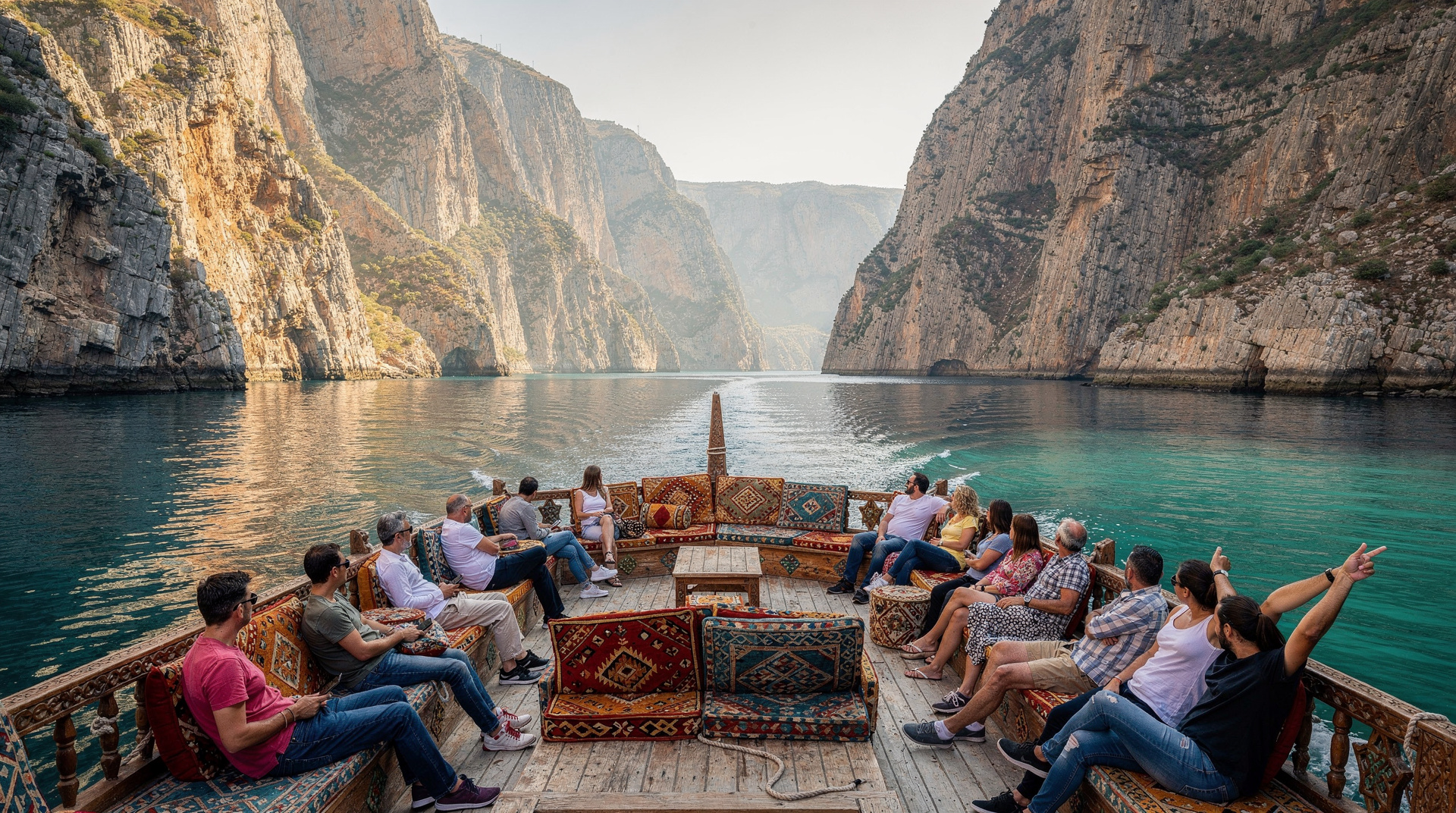
Beyond the Daymaniyat, the Musandam Peninsula in the far north — technically a separate Omani exclave surrounded by UAE territory — offers dramatic dive sites in the fjord system, where vertical walls drop 60 metres and strong currents attract large pelagics.
| At a glance | |
|---|---|
| Where | Daymaniyat Islands, 18 km off Muscat by boat; Musandam (Khasab) and Bandar Khayran as secondary areas |
| Cost | Around OMR 35-50 for a single fun dive day, OMR 280-380 for PADI Open Water certification |
| Time needed | A half-day for a two-dive trip; three to four days for Open Water certification |
| Getting there | Boat departures from Muscat marinas for the Daymaniyat; Khasab requires a ~4-hour drive via the UAE or a short flight |
| Best time | October-April for the best visibility and calmest seas; October-December for manta rays |
The Daymaniyat Islands: Oman’s Premier Dive Destination
Why the Daymaniyat Stand Apart
The marine reserve status since 1996 has allowed the reef systems to recover and flourish. Fishing restrictions within the reserve boundaries mean fish populations are far healthier than in unprotected Omani coastal waters. Coral cover on the main reef areas is extensive, with a diversity of coral species that reflects the biological crossroads position of Oman’s waters — Indian Ocean species mixing with Arabian Gulf endemics.
The Daymaniyat Islands scuba diving trip is the flagship experience, running as either a two-dive or three-dive day from Muscat. Certified divers at Open Water level and above can join immediately. The boat provides tanks, weights, and BCD rental; most guests bring their own regulators and wetsuits or rent these on site.
For those without PADI certification, the Discovery Scuba Diving for beginners at the Daymaniyat Islands provides a complete introduction — pool-based skills session in Muscat followed by a supervised open-water dive at the reserve. This is the ideal way to experience Oman’s underwater world if you have never dived before.
For certified divers looking for a two-location dive day with an included barbecue, the Daymaniyat Islands two-location diving trip with BBQ lunch covers two different reef sites within the reserve and includes a generous barbecue meal on the boat between dives.
For an easier first-dive experience closer to Muscat, the Qantab Beach Discover Scuba Diving experience offers a supervised introductory dive in the sheltered waters near Muscat — a shorter commitment than a full Daymaniyat trip and well suited to those who want to test their comfort with scuba before committing to the longer boat journey.
Top Dive Sites at the Daymaniyat Islands
The Pinnacle (Site 1): An underwater rock formation rising from 25 metres to within 8 metres of the surface. Covered in soft corals and surrounded by schooling fish — fusiliers, snapper, and surgeonfish in spiralling schools of hundreds. Regularly patrolled by grey reef sharks at the deeper sections. One of the most visually dramatic dives in Oman.
Turtle Wall (Site 2): A reef wall running 5-22 metres with exceptional turtle density at the shallower sections. The wall’s overhangs shelter moray eels, scorpionfish, and resting nurse sharks. This is the site most likely to produce multiple turtle encounters in a single dive.
The Coral Garden (Site 3): A broad plateau at 8-15 metres with the highest coral diversity in the reserve. Table corals, brain corals, staghorn formations, and soft corals create complex habitat supporting everything from tiny nudibranchs to large napoleon wrasse. Good for photographers who prefer detail work over pelagic encounters.
The Channel (Site 4): A natural channel between two of the main islands where currents concentrate nutrients and attract feeding fish. Manta rays are most commonly encountered here during October-December. Requires drift diving capability (an Advanced Open Water qualification is recommended). Current strength varies significantly with tidal state.
The Blue Hole (Site 5): A deeper site for advanced divers, descending to 30+ metres with excellent visibility on the outer wall. Hammerhead sharks have been sighted here, though not commonly. Suitable for Advanced Open Water or above.
Conditions and Visibility
Peak visibility (15-20 metres) occurs October through April when winds from the north east are consistent and rainfall is negligible. May and June bring pre-monsoon conditions with occasional plankton blooms that reduce visibility to 8-12 metres but attract filter-feeding manta rays and whale sharks. July through September sees the Indian Ocean monsoon affect surface conditions — seas can be rough, though the sheltered sites on the lee side of islands remain diveable.
Water temperature ranges from 21°C in February to 31°C in August. Most divers use a 3mm wetsuit October through April and a 1mm shorty or dive skin in summer.
PADI Courses in Muscat
Several PADI-accredited dive centres operate in Muscat, offering everything from Discover Scuba (introductory resort course, no certification) to Divemaster training.
Recommended Dive Centres
Extra Divers Muscat is one of the most established operations, based at the Crowne Plaza Hotel Marina in the Al Qurum area. They offer PADI Open Water (from 350 OMR including all equipment and four open water training dives), Advanced Open Water, Rescue Diver, and Divemaster courses. Their gear is modern and well-maintained; their instructors have strong English-language skills.
Blue Water Diving Oman focuses specifically on the Daymaniyat Islands and runs small-group courses with a high instructor-to-student ratio. Their Open Water courses are conducted primarily at the Daymaniyat rather than artificial training sites, which improves the quality of the learning experience considerably. PADI Open Water from 320 OMR.
Muscat Diving and Adventure Center offers the most comprehensive programme in Oman, including technical diving, cave diving introductions, and underwater photography courses alongside standard PADI recreational certifications. Good for experienced divers wanting to progress specific skills.
Course Overview and Pricing (2026)
| Course | Duration | Price Range (OMR) | Minimum Age |
|---|---|---|---|
| Discover Scuba Diving | Half day | 45-65 per person | 10 years |
| PADI Open Water | 3-4 days | 280-380 per person | 10 years |
| PADI Advanced Open Water | 2-3 days | 200-280 per person | 10 years |
| PADI Rescue Diver | 2-3 days | 220-300 per person | 12 years |
| PADI Divemaster | 4-8 weeks | 600-900 per person | 18 years |
| Underwater Photography specialty | 1-2 days | 100-180 per person | Open Water cert required |
Fun Dive Pricing (Certified Divers)
| Option | Price Range (OMR) |
|---|---|
| Single fun dive (Daymaniyat) | 35-50 per dive |
| Two-dive day trip (Daymaniyat) | 60-85 per person |
| Three-dive day trip (Daymaniyat) | 80-110 per person |
| Night dive | 45-65 per person |
| Equipment rental (full) | 15-25 per day |
Musandam Peninsula Diving
The Musandam Peninsula — the “Norway of Arabia” — offers a completely different style of diving from the Daymaniyat. The fjord system creates protected deep-water channels where walls drop 60+ metres, visibility extends to 25-30 metres in the best conditions, and the species assemblage shifts toward large pelagics.
Key dive sites include:
Lima Rock: An isolated pinnacle rising from depth, covered in stunning soft corals. Schooling hammerheads have been documented here, along with whale sharks during the appropriate season. Currently considered one of the top 50 dive sites in the Arabian Sea.
Ras Marovi: A drift dive along a wall system with strong currents that concentrate fish life. Dogtooth tuna, barracuda, and large schools of jacks are reliable sightings.
Coral Gardens, Musandam: Shallow reef systems in protected bays, similar in character to the Daymaniyat but with cooler water temperatures year-round (the Musandam sits in the Strait of Hormuz where Persian Gulf and Indian Ocean water masses mix).
Access to Musandam diving is typically via Khasab, which requires a drive through the UAE from Muscat (approximately 4 hours) or a short flight on Oman Air. Dive operators are based in Khasab town. The Khasab fjord dhow cruise guide covers the broader Musandam experience.
Bandar Khayran: Muscat’s Secondary Dive Area
Located east of the capital, Bandar Khayran is a protected bay system accessible by short boat from the coast. The diving is less spectacular than the Daymaniyat but offers advantages: shorter boat journey (20 minutes versus 90 minutes), calmer conditions in the bay making it suitable for beginners and rough-weather days, and some unique sites including artificial reef structures.
The artificial reefs at Bandar Khayran — created from sunken vessels and concrete structures over the past decade — have become well-established ecosystems with dense fish communities, groupers, and regular turtle sightings. An excellent secondary option when Daymaniyat conditions are poor. The Bandar Khayran kayaking guide covers the same bay from the surface for those pairing a dive day with other water activities.
Choosing Between the Three Areas
| Area | Boat time from Muscat | Best for | Notable species |
|---|---|---|---|
| Daymaniyat Islands | ~60-90 minutes | First-choice destination, best all-round diving | Turtles, reef sharks, rays, dense coral |
| Musandam (Khasab) | ~4-hour drive or short flight to Khasab, then boat | Wall diving, deeper drama, pelagics | Hammerheads (occasional), whale sharks (seasonal), large schools |
| Bandar Khayran | ~20 minutes | Beginners, rough-weather backup, shorter days | Artificial reef fish, groupers, turtles |
Seasonal Diving Calendar
October to April (Primary Season)
The best overall diving conditions. Northeast monsoon brings consistent light winds and excellent visibility. Water temperature comfortable (23-27°C). Sea turtle activity high at the Daymaniyat. Manta rays most reliably encountered October-December. This is the peak season for dive tourism — book ahead for weekend departures.
May and June (Transition Season)
Pre-monsoon conditions. Visibility decreases as plankton blooms develop, but these bring whale sharks and manta rays in the outer waters. Surface conditions can be unsettled. Diving continues at sheltered sites.
July to September (Khareef Season)
The Indian Ocean monsoon affects sea conditions around Muscat significantly. Surface seas can be rough and some sites become inaccessible. The Musandam is less affected. Water is warmest (29-31°C). Many Omani dive operators reduce schedules during this period.
Marine Conservation at the Daymaniyat
The Daymaniyat Islands Marine Reserve is managed by the Ministry of Environment and Climate Affairs. Key regulations for divers:
- No touching anything: Fish, corals, turtles, rocks. If it is alive or part of the reef structure, no contact.
- No reef hooks: Anchoring to coral with a hook to hold position against current is prohibited.
- Buoyancy control: The main cause of inadvertent reef damage is poor buoyancy. Open Water divers without post-certification experience should be honest about their buoyancy skills before booking.
- No spearfishing within the reserve
- No collection of anything: Shells, rocks, coral fragments — all must remain in the reserve
Reputable operators brief guests on these rules and provide a dive briefing that emphasises buoyancy and reef etiquette. This is worth using as a filter when choosing your operator — those who skip the conservation briefing are likely cutting other corners too.
Practical Dive Trip Logistics
What to Bring as a Certified Diver
- Dive certification card (PADI card or equivalent — operators will ask to see this)
- Personal logbook (not always required but useful for dive planning conversations)
- Own mask and fins if you have them (rental mask fit is always inferior to your own)
- Wetsuit (3mm for October-April, 1mm for summer)
- Underwater camera if you have one
- Reef-safe sunscreen for surface intervals
- Sea-sickness medication if prone (the Daymaniyat crossing can be rough in winter)
As a Discover Scuba Diver
- Medical form completion — operators require a PADI Medical Statement to be completed. Contraindications include active asthma, recent surgery, some cardiac conditions, and current ear infections. Review this before booking.
- Swimwear under a wetsuit
- Everything else provided
Eating and Drinking on Dive Days
Do not dive within one hour of eating a full meal. Most operators structure the day with a light breakfast before diving, lunch between dives, and departure back to Muscat after the final dive. Carry snacks and adequate water — the sun and physical activity of dive days create significant caloric and hydration demand.
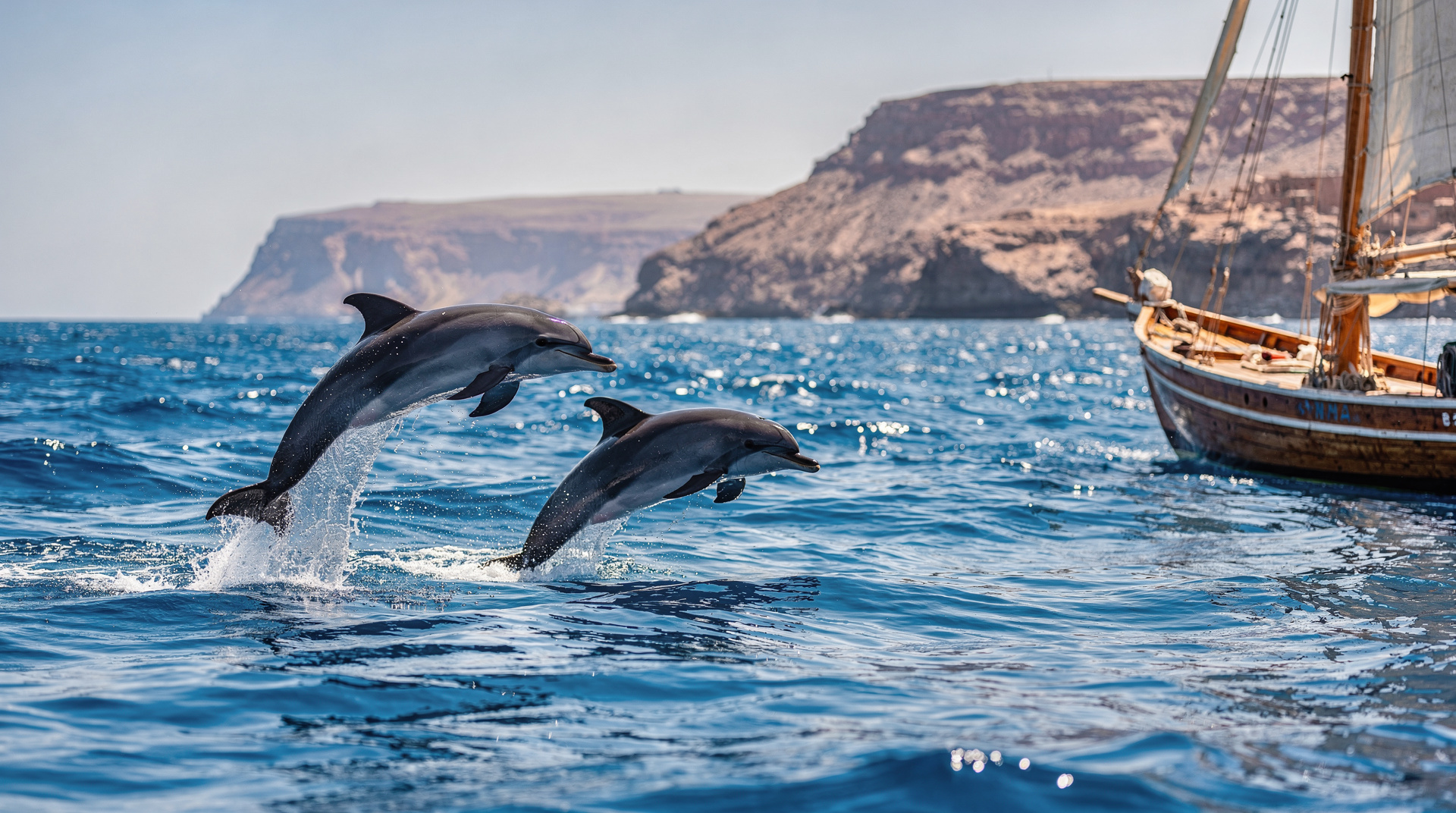
Complement your underwater exploration with the Daymaniyat Islands snorkeling guide to understand the snorkel-accessible reef areas in the same reserve, and consider pairing your dive day with an evening dolphin watching cruise.
Non-divers or snorkellers travelling with you can still enjoy the same waters via the snorkeling spots in Oman guide, and anyone hoping specifically to encounter a whale shark should read the dedicated whale shark diving guide, which covers the narrower seasonal window for that species. For a fuller picture of the marine environment you will be diving in, the marine life in Oman guide profiles the species most commonly seen across all three dive areas.
Insurance and Trip Planning
Standard travel insurance policies do not always cover scuba diving as standard, particularly beyond a certain depth or for technical diving. Check your policy’s diving exclusions before booking, and consider dive-specific cover (through DAN or a specialist insurer) if your policy is silent on the activity. The Oman travel insurance guide covers what to look for. The best time to visit Oman guide is a useful cross-reference if you are trying to combine a dive trip with other activities that have different seasonal sweet spots.
Frequently asked questions about Scuba Diving in Oman: Sites, PADI Courses, and Seasons
What certification do I need to dive at the Daymaniyat Islands?
PADI Open Water certification (or equivalent from BSAC, SSI, CMAS) is the minimum for independent fun diving. Certain sites — particularly The Channel and The Blue Hole — require Advanced Open Water. Discovery Scuba (no certification) allows supervised introductory dives at shallower sites.
Are there sharks at the Daymaniyat Islands?
Yes — whitetip and blacktip reef sharks are regularly encountered. These are reef-feeding species with no recorded aggressive incidents toward divers at the Daymaniyat. The encounter is exciting rather than threatening; divers typically watch reef sharks from a respectful distance and the sharks ignore them. Hammerheads are occasionally sighted on the deeper Channel site.
Is diving in Oman expensive compared to other destinations?
Comparable to the Red Sea and slightly less expensive than the Maldives. Day trip diving at 60-85 OMR per person (approx 150-210 USD) is in line with regional pricing. PADI Open Water certification at 280-380 OMR is similar to Egypt and cheaper than European or American dive schools.
What is the best month to see manta rays in Oman?
October through December offers the best manta ray sightings at the Daymaniyat, when cooler, nutrient-rich upwellings attract plankton concentrations that mantas feed on. May-June also produces sightings when pre-monsoon conditions create surface plankton blooms. Whale shark sightings peak April-June.
Can I dive in Oman if I have only just finished my Open Water course?
Yes, but be honest about your buoyancy. Freshly certified divers with fewer than 5-10 dives tend to have buoyancy challenges that risk coral contact. Ask your operator to assign you to a smaller group with a guide who can assist with buoyancy coaching. The Coral Garden at the Daymaniyat (plateau site, no wall) is the most forgiving site for less experienced divers.
Is a wetsuit necessary in Oman?
A wetsuit is strongly recommended for diving in Oman even in summer, because water exposure over multiple dives causes cold even in warm water. A 3mm wetsuit is appropriate October through May. In summer (June-September), a 1mm shorty or dive skin provides thermal comfort and UV and abrasion protection.
Should I dive the Daymaniyat or go to Musandam if I only have time for one?
For most first-time divers in Oman, the Daymaniyat Islands are the better choice — closer to Muscat, easier logistics, and consistently rich marine life. Choose Musandam instead if you specifically want deeper wall diving, are chasing a chance at hammerheads, or are already planning to visit Khasab for its fjords and dhow cruises.