Duqm: Oman's Emerging Desert Coast Destination
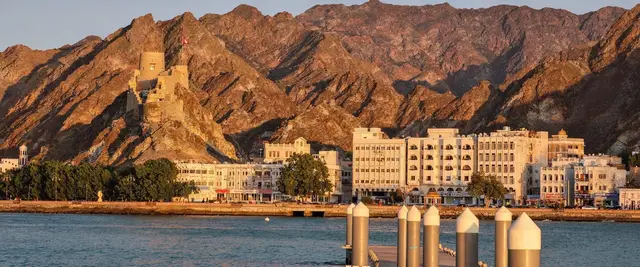
From Muscat: 4-day Oman highlights tour
Duration: 4 days
- Free cancellation
- Hotel pickup
- English guide
Is Duqm worth visiting in Oman?
Yes, particularly as a midpoint stop between Muscat and Salalah. The rock garden, beaches, and whale shark diving make it far more interesting than a typical transit town.
The City That Rose From Nothing — And Why You Should Stop There
A decade ago, Duqm appeared on most maps as a dot on the empty coast of central Oman — a tiny fishing village of a few hundred people on a stretch of the Arabian Sea that saw almost no visitors and had minimal infrastructure. Today it is a special economic zone with an industrial port, a dry dock for supertankers, and slowly expanding tourism infrastructure, all rising from the same rocky coastline where fishing boats were once the only human presence.
The development was driven by oil and trade, not tourism. But the natural endowments that were always there — extraordinary geological formations, pristine coastline, whale sharks that appear seasonally in the bay, and a remoteness that development has not yet erased — make Duqm increasingly worth a deliberate stop rather than a pass-through.
More practically, Duqm sits approximately midway on the coastal route between Muscat and Salalah, and the question of where to break the thousand-kilometre journey between Oman’s two major cities has a much better answer than it did five years ago. Travellers who want to explore Oman’s highlights in a structured way before venturing south to Duqm might consider a 4-day Oman highlights tour from Muscat that covers the interior before the coastal south.
At a glance
| Where | Central Oman coast, roughly midway between Muscat and Salalah |
| Typical cost | Rock garden and beaches are free to visit; whale shark trips and diving are a paid excursion; hotel rooms range from budget business hotels to the mid-range international Marriott |
| Time needed | 2-3 hours as a road-trip stop, or a full night for the rock garden, beaches and Al Khaluf lagoon |
| Getting there | Around 6 hours’ drive from Muscat via the coastal route, or roughly 4-5 hours north from Salalah |
| Best time | October-December for cooler weather and the start of whale shark season |
The Rock Garden
The feature that no other Omani destination replicates, and that creates the strongest impression on visitors who encounter it without prior knowledge, is the rock garden — a vast area of sculptured limestone formations immediately outside Duqm town that covers several square kilometres.
Geological forces — the combination of marine erosion from ancient sea levels higher than present, wind abrasion, and the differential hardness of the limestone layers — have created shapes that range from mushroom forms to blades, arches, and clusters of pinnacles. The formations are between one and four metres high, densely packed across the landscape, and coloured in shades from pale cream to deep ochre and rust.
Walking through the rock garden is simultaneously geological education and aesthetic pleasure. The forms are constantly surprising — a mushroom-shaped pedestal rock rounds a corner to reveal a narrow slot canyon between two parallel blades, which opens into a clear area before the next formation cluster. The ground between the rocks is clean limestone pavement, easy to walk on, with clear sight lines despite the density of the rock forms.
The best light for photography is in the hour after sunrise and the hour before sunset. The midday light flattens the texture of the limestone surface; the low-angle light of the golden hours reveals the full complexity of form and casts long shadows that create compositional opportunities in almost any direction.
There is no entry fee and no formal infrastructure at the rock garden. It is accessed by a track from the Duqm road and requires no special equipment.
Beaches Around Duqm
The coastline north and south of Duqm encompasses beaches of genuine quality that are visited by almost nobody.
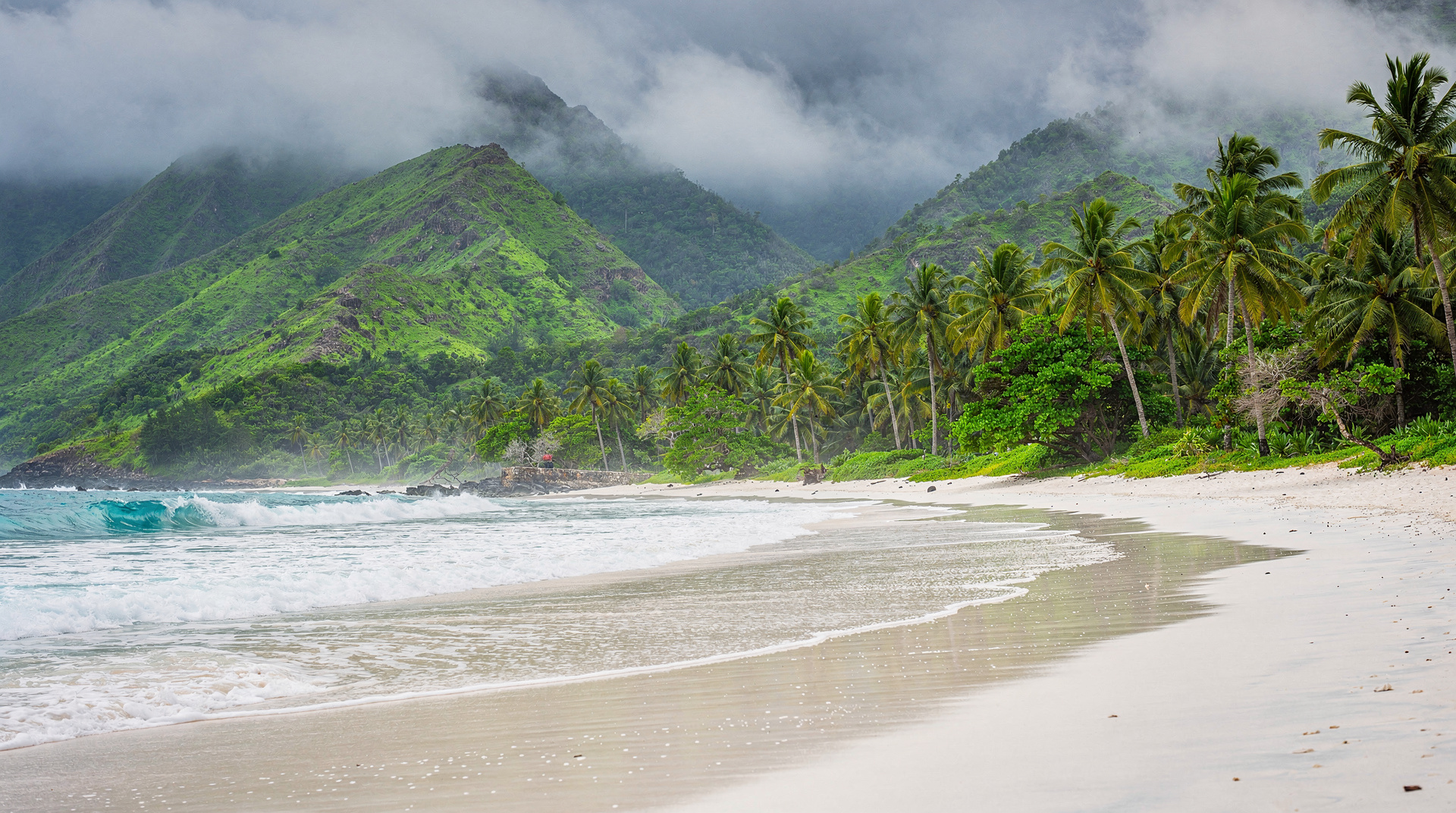
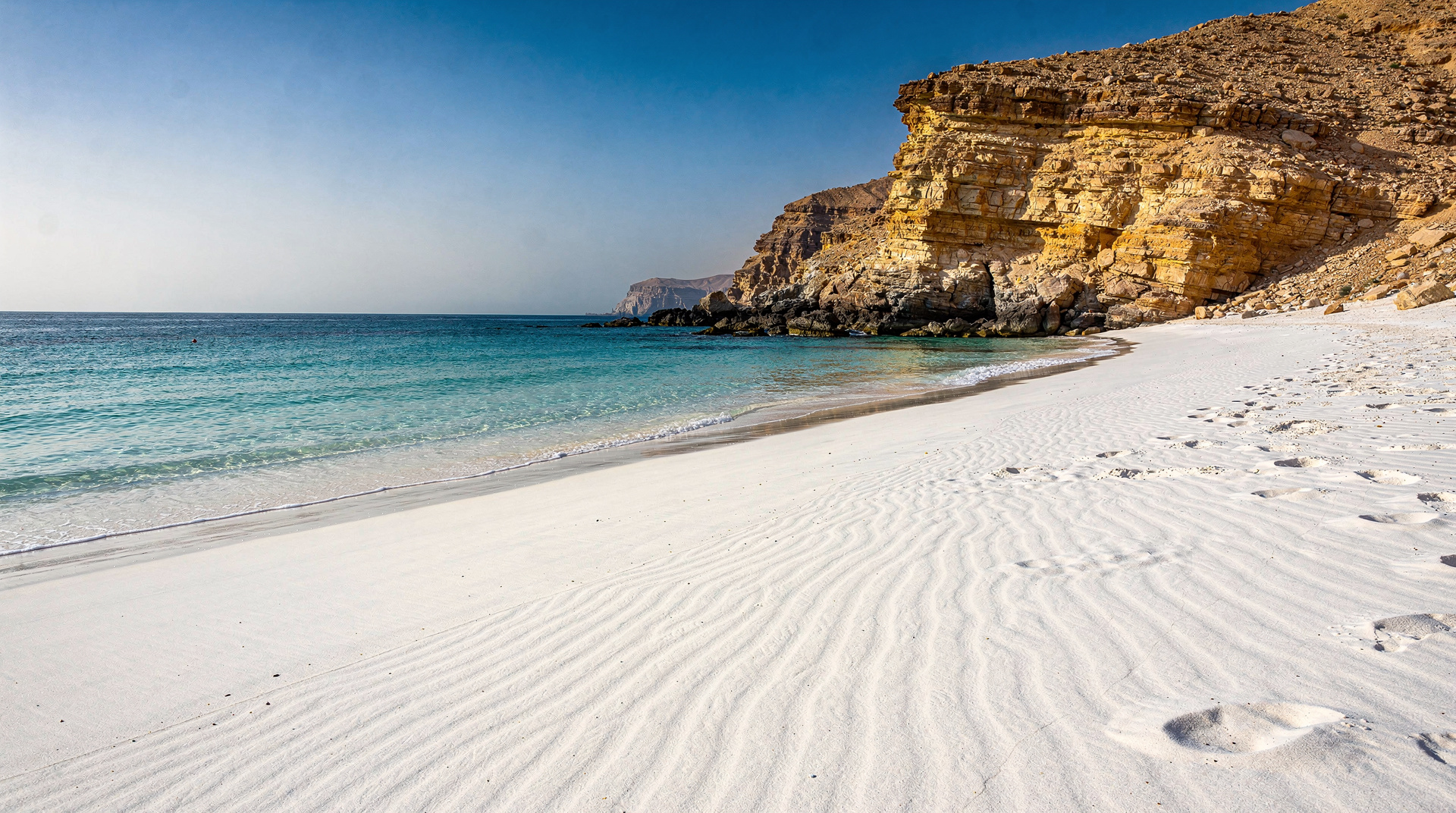
The beach immediately north of the industrial port zone — accessible via the coastal track — is a long, flat expanse of beige sand with clear water and minimal development. The Arab Gulf current brings whale sharks and occasionally whale sharks to this coastline in season (typically November through February). The beach itself is swimmable outside the whale shark aggregation season and is reliably empty.
South of Duqm, the coast becomes more rugged — rocky headlands alternate with small pocket beaches, and the remoteness increases with distance from the town. A 4WD is necessary for exploration beyond the first few kilometres south of the industrial zone.
The water along this entire section of coast is notable for its clarity — the central Oman coastline lacks the river input that causes turbidity in other maritime regions, and the absence of coral reefs means the sand bottom is clearly visible in two to three metres of water.
Whale Shark Diving and Snorkelling
Duqm is one of the more reliable locations in Oman for seasonal whale shark encounters. The animals aggregate in the bay and offshore waters between approximately November and March, drawn by concentrations of fish eggs and plankton that the cooler winter water produces.
Whale shark encounters are not guaranteed — these are wild animals that move according to their own schedules — but the Duqm bay sightings are frequent enough that local diving operations run whale shark-specific trips when the animals are present.
The diving around Duqm more broadly covers rocky reefs, occasional wrecks in the industrial port approaches, and open-water blue-water diving for pelagic species. The visibility in the winter months is excellent.
Snorkelling with whale sharks is possible and is generally preferable to scuba diving for the experience — the animals move slowly enough to follow at the surface, and the unrestricted view from snorkelling is often better than from scuba.
Al Khaluf Lagoon
Eighty kilometres north of Duqm, the Al Khaluf lagoon is one of the most spectacular coastal formations on the Arabian Sea. A vast shallow lagoon protected from the open ocean by a long sand barrier extends for dozens of kilometres, its water ranging from translucent green in the shallows to deep turquoise in the channels. Flamingos and migratory wading birds use the lagoon as a staging area, and the bird populations in season are extraordinary.
The access track from the main road requires a 4WD and some navigation confidence. There are no facilities whatsoever. The lagoon repays the effort with a coastal experience of genuine wildness — the kind of place where it is possible to spend a full afternoon without seeing another vehicle.
Duqm as a Road Trip Stop
The most common Duqm visitor experience is as a break in the coastal road journey between Muscat and Salalah. The town has sufficient infrastructure — fuel, hotels, restaurants, and the rock garden as a specific attraction — to make a proper stop worth the schedule adjustment.
From Muscat, the coastal route to Duqm takes approximately six hours. The road passes through Masirah Island access and several small coastal towns before reaching Duqm. Spending a night here and then continuing south to Salalah the following day splits the journey neatly and adds a destination experience rather than a purely logistical stop.
The inland route between Muscat and Salalah is faster (approximately eight hours direct) but passes through less interesting scenery. The coastal route takes two days with a Duqm overnight but rewards with the full diversity of the central Oman coast.
For the Salalah portion of this route, see the complete guide to Salalah and the Dhofar region. For Masirah Island, which sits between Duqm and the Muscat side, see the guide to Masirah Island. Those combining the coastal south with the interior should also read the Wahiba Sands complete guide before planning their route — the desert lies just inland from the Masirah corridor.
Accommodation and Infrastructure in Duqm
Duqm’s hotel infrastructure has improved significantly in recent years, driven by the industrial and business visitor base. The Marriott Duqm is the flagship property — a full-service international hotel that would not look out of place in Muscat, priced at mid-range international rates. Several smaller business hotels offer more budget-friendly options.
The restaurant scene reflects the mixed population of the industrial zone — a combination of Omani traditional restaurants, South Asian workers’ canteens (which produce excellent, cheap food), and the hotel restaurants. The Marriott’s seafood is reliable; the small Omani fish restaurants near the old fishing harbour serve the freshest catch at the lowest prices.
The industrial port has a supermarket suitable for restocking on the long Muscat-Salalah route. Fuel is available at multiple points in town. A vehicle wash station — essential after exploring the rock garden and coastal tracks — operates near the main roundabout.
Planning Your Time in Duqm
For a transit stop, two to three hours is sufficient for the rock garden, a beach walk, and a meal. For a proper visit — adding the Al Khaluf lagoon, whale shark diving, and the southern coast exploration — a full night with the day on either side is the minimum.
The rock garden can be uncomfortably hot in summer (April through September). The whale shark season runs November through March. The optimal single visit timing is October through December, when both the wildlife and the rock formations can be experienced in bearable temperatures with reasonable probability.
Duqm also fits neatly into a longer drive. The Oman road trip planning guide helps you decide where the overnight stops fall, while the Muscat to Salalah drive guide describes the route this town sits on. If the season is the deciding factor, the best time to visit Oman guide explains how the weather shifts across the year, and the adventure road trip itinerary shows how a coastal leg can sit inside a wider journey. Travellers who like to compare options may also enjoy the beaches of Oman and the birdwatching in Oman guides for context on what else the coast offers.
The Broader Context: Duqm’s Economic Development
The context of Duqm’s development is interesting for those curious about how the Gulf states are planning for a post-oil economy. The Duqm Special Economic Zone was established specifically to diversify Oman’s economy away from petroleum dependency — the industrial port, the supertanker dry dock, the planned petrochemical complex, and the nascent tourism infrastructure are all components of a deliberate national strategy.
The implications for visitors are mixed. Development will continue at Duqm for decades, which means the infrastructure will improve but the untouched quality of the coastline will inevitably diminish. The rock garden sits in a protected area and should remain accessible; the beaches further from town are more vulnerable.
Those who visit Duqm in the next few years will see it at an interesting transitional moment — present enough to be comfortable, unspoiled enough to be genuinely rewarding.
Frequently asked questions about Duqm: Oman’s Emerging Desert Coast Destination
Is the Duqm Rock Garden accessible in a regular car?
The track to the rock garden is passable in a regular car in dry conditions — it is a graded gravel surface for most of its length. The rock garden itself is accessed on foot. A 4WD is necessary for beach exploration beyond the immediate town area and for the Al Khaluf lagoon route.
Are there tours from Muscat to Duqm?
Organised day tours from Muscat to Duqm are rare given the distance — it is a six-hour drive each way, making it impractical as a day trip. Duqm works best as a stop on a longer coastal journey. Some Muscat-based adventure tour operators include Duqm in multi-day Oman south coast itineraries.
What months are best for whale shark encounters at Duqm?
November through February is the primary season. December and January are the most reliable months based on historical sightings. Whale sharks are wild animals and encounters cannot be guaranteed in any month, but the Duqm bay aggregation in winter is one of the more consistent in Oman.
Is there anything to do at Duqm if I am not interested in diving or geology?
The beaches are pleasant for swimming and walking in the cooler months. The Al Khaluf lagoon birdwatching is exceptional in winter. The old fishing harbour area provides a glimpse of the pre-development Duqm. The food is interesting and inexpensive. Those with limited interest in the specific natural features will find a few hours sufficient rather than an overnight stay.
How do I get to Duqm without a car?
Public bus service from Muscat to Duqm exists but operates on limited schedules and the journey takes eight or more hours. The coastal route requires a car for any practical exploration of the natural features. Duqm is not well-served by public transport and a rental car from Muscat is the recommended approach for the full experience. See the guide to renting a car in Oman and the broader getting around Oman guide for practicalities.
Is Duqm worth adding to a Muscat-to-Salalah road trip?
Yes, for anyone taking the coastal route rather than flying the two-hour hop or driving the faster inland road. Duqm turns a purely logistical transit into an actual destination day, and it pairs naturally with a stop at Masirah Island further up the coast. Those planning the full south coast should also read the complete Salalah guide for what awaits at the other end.
Birdwatching Around Duqm
The coastal wetlands and sabkha (salt flat) areas surrounding Duqm are among the most productive birdwatching sites on the Oman coast, particularly for wading birds and shorebirds during the October through April migration season. The Al Khaluf lagoon is the headline site, but smaller pools, mangrove patches, and tidal flats closer to town hold good numbers of birds throughout the season.
Regular species include greater flamingo, Kentish plover, curlew sandpiper, dunlin, and a wide variety of terns. In winter, the lagoon margin attracts osprey, greater spotted eagle occasionally, and marsh harrier. The sabkha areas north of the industrial port, while visually unpromising, hold concentrations of vagrant passerines during the spring migration in March and April.
The lack of established birdwatching infrastructure at Duqm — no hides, no interpretation, no guided tours specifically for birders — is both limitation and attraction. The experience is entirely self-directed, the sites are unfamiliar to most visiting birders, and the possibility of encountering unusual vagrant species in a poorly-watched location adds genuine interest.
Fishing Traditions and the Old Harbour
Before the industrial transformation of Duqm, this stretch of coast was inhabited by a small fishing community whose seasonal rhythm followed the movement of fish and the monsoon cycle. The old harbour, now squeezed between the industrial port and the expanding modern town, retains a physical trace of that earlier character.
The fishing boats still depart before dawn and return with the morning’s catch. The species landed here include kingfish, yellowfin tuna in season, grouper, and various reef fish. The fish market adjacent to the harbour is at its most active in the early morning — a raw, practical scene of sorting, negotiating, and loading that operates independently of the new economy developing around it.
For travellers interested in the texture of traditional coastal life rather than the industrial development narrative, the fishing harbour and its morning market provide a useful counterpoint to the Economic Zone story. The two realities coexist in Duqm within walking distance of each other — a juxtaposition that says something genuine about the pace and character of Oman’s contemporary development.
Stargazing at Duqm
Duqm’s position on the empty central coast, far from any significant urban light pollution, gives it excellent dark sky quality for stargazing. The Milky Way is visible from the town outskirts on clear, moonless nights, and the desert areas immediately inland provide truly dark conditions.
The period from November through April, when the Orion constellation and its surrounding winter sky are prominent, coincides with Duqm’s tourist season and provides the best combination of dark sky and comfortable evening temperatures. Set up outside the immediate town area, away from the port lighting, and face south for the densest star fields above the horizon.
No telescope is required for a rewarding experience — the naked-eye Milky Way at Duqm is startling enough for those accustomed to city skies. Binoculars add the Andromeda Galaxy, the Orion Nebula, and the star clusters that populate the winter sky in density that urban stargazers never encounter.
The rock garden area outside town makes a natural stargazing location. The geological formations that are dramatic in daylight become strange silhouettes against the star field overhead, and the absence of any other visitors after dark creates the kind of complete solitude that makes a night under genuine dark skies feel like genuine travel.
Practical Logistics for a Duqm Overnight
Fuel up before leaving Muscat or Salalah, since long stretches of the coastal route have no reliable fuel stops. A basic first-aid kit, extra drinking water, and a fully charged phone are sensible for any 4WD detour to the rock garden’s outer edges, Al Khaluf lagoon, or the southern coast tracks, since mobile signal is patchy away from the town centre. Booking the Marriott or a business hotel a day or two ahead is worth doing in the busier October-December window; outside that period, same-day availability is common. Those combining Duqm with the wider desert interior should also see the Wahiba Sands desert safari guide for the inland alternative to the coastal route.
Top experiences
Bookable activities with verified prices and instant confirmation on GetYourGuide.
 📍 Oman
 From Muscat: 4-day Oman highlights tour
- Free cancellation
- Hotel pickup
- English guide
 📍 Muscat
 Muscat: half-day city tour
- Free cancellation
- Instant confirmation
- Hotel pickup
 📍 Muscat
 Muscat: 2-hour sunset dhow cruise
- Instant confirmation
- Free cancellation
- Best seller
 📍 Salalah
 Salalah: sunset desert safari - Rub Al Khali - Empty Quarter
- Free cancellation
- Hotel pickup
- Small group