Kitesurfing Masirah Island: Oman's Premier Wind Sport Destination
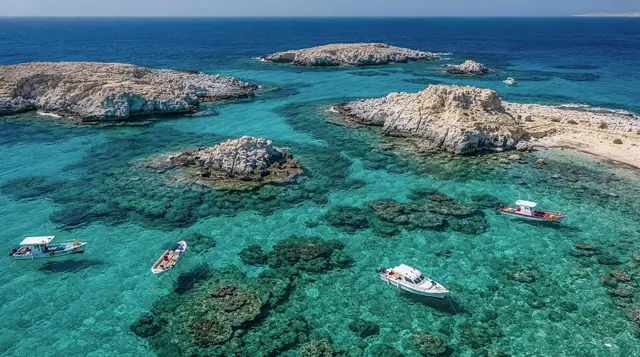
Oman: Daymaniyat Islands snorkeling trip
Duration: 6 hours
- Free cancellation
- Pickup included
- Instant confirmation
When is the best time to kitesurf at Masirah Island?
June through September offers the strongest and most consistent winds, often 20 to 30 knots. October through May is suitable for intermediate and beginner kiters.
The Wind Capital of the Arabian Peninsula
At a Glance
| Where | Masirah Island, central east coast of Oman, reached by ferry from Shannah |
| Cost | Basic guesthouse around 15-30 OMR/night; bring your own gear, no rental on the island |
| Time needed | 4-7 days for a proper kite trip; a single day is not enough given the ferry and drive |
| Getting there | Drive Muscat-Shannah (~4-5h) then a ~1-hour ferry crossing to the island |
| Best time | June-September for peak wind; October-May for gentler, learning-friendly conditions |
Stretching 95 kilometres along Oman’s central east coast, Masirah Island sits directly in the path of the Indian Ocean monsoon — a fact that has largely defined the island’s character and, in recent years, made it a destination of growing international significance among kitesurfers and windsurfers seeking consistent, powerful wind in an unspoiled setting.
The numbers alone tell part of the story. During the summer Khareef season from June through September, Masirah records average wind speeds of 22 to 28 knots with little daily variation and excellent thermal development in the afternoon. The lagoon on the island’s western side offers flat water in winds that other locations might consider too strong. The outer ocean beaches present wave conditions ranging from mellow shore breaks to serious ocean swells during peak monsoon months.
But what the numbers do not capture is the texture of the experience. Masirah remains genuinely remote. The island has no international hotel chains, no beach clubs, and no infrastructure specifically designed for tourism. The riders who come here do so because they want the wind, the space, and the silence — and they find all three in abundance.
Understanding Masirah’s Wind
The wind regime that makes Masirah exceptional is the southwest monsoon, locally called the Khareef. This seasonal system, driven by the temperature differential between the Indian Ocean and the heated interior of the Asian landmass, generates a reliably strong southwesterly flow from June through September that runs almost without interruption for weeks at a time.
During peak season, winds regularly reach 25 to 35 knots on the open coast. The lagoon on the protected western side filters some of this energy, typically delivering 18 to 25 knots with a much flatter water state. Most intermediate to advanced kiters prefer 12 to 14 metre kites in these conditions. Beginners are better served by the shoulder months.
Outside the monsoon, Masirah still receives consistent wind but in a more varied pattern. October through December sees the northeast Shamal establish itself, delivering 15 to 25 knot conditions from a different angle. January through March is typically the lightest wind period, averaging 12 to 18 knots, but this coincides with the most pleasant air temperatures and is suitable for learning or casual riding.
The combination of two distinct wind seasons makes Masirah a genuinely year-round destination for kiters with the flexibility to choose their timing.
Riding Spots on the Island
The Western Lagoon
The lagoon on Masirah’s western side is the island’s centrepiece for flat-water kitesurfing. Protected by the island’s bulk from the full force of the ocean swell, it delivers smooth water in even strong wind conditions — ideal for freestyle tricks, speed runs, and beginner progression. The water depth averages one to two metres over a sandy bottom, making crashes soft and recoverable.
The lagoon stretches for roughly fifteen kilometres and is wide enough that riders rarely interfere with each other even during busy periods. The entry and launch areas are sandy and clear of obstacles. At low tide, shallow sections create small cross-lagoon waves that add some texture without becoming genuinely challenging.
This is the spot for learning, for pushing freestyle skills, and for those who prioritise consistent, manageable conditions over the excitement of wave riding.
The East Coast Beaches
The ocean-facing eastern coast is a different proposition entirely. Here the Indian Ocean arrives after thousands of kilometres of open water, and the swells it generates are real. During June through September, consistent waves from one to two and a half metres provide rideable surf conditions that combine well with strong wind for wave kitesurfing.
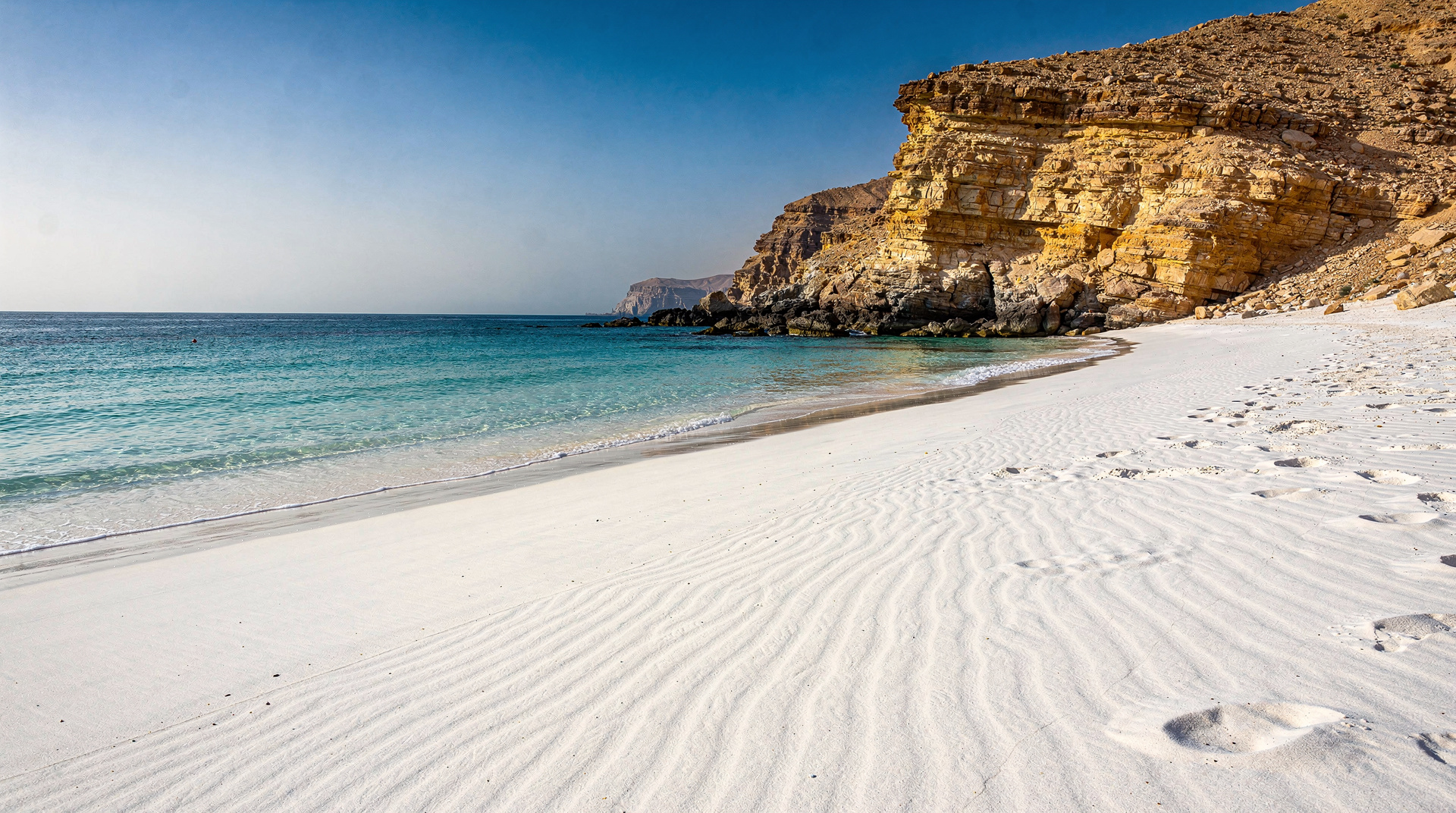
The eastern beaches are long, empty, and backed by dramatic dunes and rocky headlands. The sand is coarse and light, and the gradient into the water is gentle — a useful feature when body dragging in strong conditions. Hazards are minimal: there are no reefs close to shore, no boat traffic to worry about, and no crowds.
Experienced wave riders should explore the southern tip of the island, where the wind accelerates around the headland and the swell wraps to create a consistent right-hander that works well in southwest conditions.
The Northern Flats
The northern end of the island is less frequently visited and holds some of the best flat-water conditions in any wind direction. Shallow tidal flats extend several kilometres offshore, creating a natural playground for freestyle and freeride in waist-deep water. At high tide, the area is rideable in directions that the main lagoon cannot accommodate.
The northern flats are also where loggerhead and green turtles are most commonly seen. Riding respectfully — maintaining distance and slowing when turtles surface — is important here. Masirah is one of the largest loggerhead turtle nesting sites in the world, and conservation is taken seriously.
Getting to Masirah Island
Masirah is reached by ferry from the small port of Shannah on the mainland coast. The crossing takes approximately one hour and operates several times daily, though schedules vary seasonally. The ferry is a basic ro-ro vessel that takes vehicles, which makes transporting kiteboarding equipment straightforward.
The drive from Muscat to Shannah takes approximately four to five hours via the inland highway through Ibra and then southeast toward the coast. The road is excellent and fully paved throughout. From Salalah to the south, the drive is longer — approximately six hours — but passes through interesting coastal scenery.
There is a small domestic airport on the island with irregular flights from Muscat. These are primarily used by military and government personnel, and commercial availability is limited. The ferry is the practical option for most visitors.
Accommodation and Infrastructure
Masirah has modest but improving accommodation infrastructure. The main town on the island’s western coast has several small guesthouses and a handful of furnished apartment rentals that cater primarily to the military and fishing communities, with increasing capacity for tourists. Expect basic facilities with air conditioning — essential in summer — but little in the way of luxury.
Camping is possible on several beaches, particularly on the eastern coast, and is the preferred option for many visiting kiters who want to be as close to the water as possible. The beach camping experience at Masirah is exceptional — the skies are extraordinary with negligible light pollution, and the sound of wind and surf provides a constant backdrop.
Food options are limited to local Omani restaurants in the main town, which serve reliable rice, fish, and meat dishes at very reasonable prices. Stock up on provisions in Muscat or at the larger supermarkets near Shannah before crossing. Petrol is available on the island.
Equipment and Repairs
Masirah has no dedicated kitesurfing shop or equipment rental facility. This is a bring-everything destination. Pack spares for anything that might break — replacement bladders, bridles, a basic bar repair kit, and a pump are essential. Fin screws and straps for boards are the most commonly needed small items.
A basic kite repair kit with dacron patches and ripstop tape handles the minor bladder punctures and canopy tears that are almost inevitable in strong-wind riding over an extended stay.
If a major equipment failure occurs, the nearest kite shops are in Muscat. The drive and ferry crossing make a round trip a full-day commitment, so prevention through good pre-trip servicing matters.
Wildlife and Conservation Considerations
Masirah Island is one of the most important loggerhead turtle nesting sites in the Indian Ocean, with thousands of nests laid annually on the eastern beaches. From June through September — peak wind season — the beaches are active with nesting activity, and riders need to be mindful of their presence.
Do not drive vehicles on any beach. Walk carefully after dark along nesting beaches, as buried eggs are vulnerable to compaction. Give nesting and hatching turtles wide berth. If a distressed turtle is encountered, contact the island’s turtle patrol volunteers who operate through the nesting season.
Green turtles are present year-round in the lagoon and surrounding waters. Their surfacing patterns are entirely harmless to riders, and the sight of a large turtle breaking the surface alongside a kite session is one of Masirah’s memorable encounters.
The island also hosts significant seabird colonies, including red-billed tropicbirds, and the coastal scrub supports interesting endemic reptile species. The combination of serious kitesurfing and genuine wildlife observation makes Masirah unusual — it rewards the curious visitor who is willing to slow down between sessions.
Combining Masirah with a Broader Oman Itinerary
Masirah sits roughly midway along the Oman coast between Muscat and Salalah, which makes it a natural stop on a longer road journey south. The drive from Muscat to Masirah, with a night in Sur or the Wahiba Sands area, makes a natural two-day approach.
From Masirah, continuing south to Salalah adds another six hours of driving through some of Oman’s most sparsely populated coastal landscape. The road passes through Duqm, an emerging industrial and tourist hub covered in the guide to Duqm as a travel destination.
For a full picture of Oman’s beach and water sport possibilities, the guide to Oman’s best beaches covers the full coastal spectrum from north to south. Those combining wind sports with desert exploration will find the guides to sandboarding in Wahiba Sands and camel riding in Oman useful for planning the interior sections of their trip.
Visitors who want organised water sports in the Muscat region before making the journey south can consider the Daymaniyat Islands snorkelling trip from Muscat as a worthwhile alternative if conditions or timing do not suit a Masirah visit.
Before committing to the long drive, it helps to read the Oman road trip planning guide and the notes on renting a car in Oman, since a vehicle is the practical way to carry kite bags onto the ferry. The best time to visit Oman page is also worth a look if you are weighing wind season against comfort on the rest of your route. Those who want to see the island as part of a longer trip can find it alongside other stops in the Masirah Island destination page.
Masirah Versus Other Oman Water Sports Bases
Masirah is not a like-for-like alternative to Muscat’s water sports scene — it is a different category of trip. Muscat offers established diving and dolphin watching operators, rental equipment, and day-trip convenience; Masirah offers wind and space at the cost of a ferry crossing and zero rental infrastructure. Riders deciding between the two should treat Muscat as the place to learn or dive, and Masirah as the destination once they already own gear and want serious, uncrowded wind. Kayakers and paddlers looking for calmer, sheltered water closer to the capital are better served by kayaking at Bandar Khayran than by Masirah’s exposed coastline.
Kite School and Instruction Options
There is currently no established kite school operating permanently on Masirah Island. Visiting instructors do come to the island during peak season and advertise through the global kitesurfing community forums and social media. A search for “Masirah Island kitesurf” in relevant kitesurfing Facebook groups typically surfaces current options.
For beginners seeking instruction, Muscat offers better options with established schools and more controlled learning environments. A course in Muscat followed by an independent trip to Masirah is a logical progression for those planning their first season in Oman.
Photography and Filming
Masirah’s combination of dramatic landscapes, powerful wind, and empty beaches has attracted a growing number of kitesurfing photographers and film crews in recent years. The island’s remoteness and untouched quality provide a backdrop that is increasingly rare in the global kite travel circuit.
The afternoon light on the western lagoon, particularly in the hour before sunset when the wind typically maintains strength, is extraordinary — flat light from the west illuminating spray and kites against a backdrop of desert hills. The eastern beaches at dawn, with the sun rising over the ocean and the first thermal wind building, offer a different quality that rewards early risers.
Drone flying is permitted in most areas of the island away from the restricted military zone in the north. Check current regulations before flying, as these can change.
Frequently asked questions about Kitesurfing Masirah Island: Oman’s Premier Wind Sport Destination
Is Masirah Island suitable for beginner kitesurfers?
In the peak monsoon months from June through September, conditions are too strong for beginners. The shoulder seasons of October through December and March through May offer more manageable 12 to 20 knot conditions that are appropriate for intermediate and improving beginner riders. True beginners are better served by taking lessons in Muscat before travelling to Masirah.
What kite sizes should I bring to Masirah?
A versatile quiver for Masirah would be a 9 metre for peak season conditions, a 12 metre as an all-around kite for shoulder season, and a 14 or 15 metre for light wind days and learning. Most experienced riders bring two kites as a minimum. During peak monsoon season, 9 to 12 metre kites cover the majority of conditions.
Can I bring my own kitesurfing equipment on the ferry?
Yes. The Masirah ferry is a vehicle ferry and handles large items routinely. Kite bags, boards, and pump bags can be carried in or on a vehicle without difficulty. There is no prohibition on sporting equipment.
Is there mobile phone coverage on Masirah Island?
Omantel and Ooredoo both have coverage in the main town and most of the western coast. Coverage becomes patchy or absent on the eastern beaches and at the island’s southern tip. Download offline maps before arriving and do not rely on data connectivity in remote areas.
Are there any restrictions on kitesurfing near the military base?
There is a military installation in the northern part of Masirah Island. Flying kites or approaching by water within the clearly marked exclusion zone is prohibited. The boundary is visible on the ground and respected by all visiting riders. The riding areas at the lagoon and eastern coast are well clear of any restricted zones.
What is the best way to get weather forecasts for Masirah?
Windy.com and Windguru both provide reliable long-range forecasts for Masirah and are the standard tools used by visiting kiters. The XC Weather model on Windguru tends to be the most accurate for peak season monsoon conditions. Cross-reference with the Oman Meteorological Service for storm warnings during the transition months.
How many days should I plan for a Masirah kite trip?
Given the drive and ferry crossing, most riders find 4-7 days the practical minimum to make the travel worthwhile. Shorter trips are possible but spend a disproportionate amount of time on transit relative to time on the water.
Practical preparation matters as much as the riding itself. The Oman packing list is a useful starting point for sun protection and clothing, and the Oman visa guide covers entry formalities before you set off. Because the island is remote, a quick look at Oman safety tips and Oman travel insurance is a sensible habit for anyone riding strong wind far from a kite shop.
The Island’s History and Character
Masirah Island’s history is shaped by its strategic position in the Arabian Sea and its remoteness from the Omani mainland. The island was leased to the Royal Air Force as a staging base during the Second World War and subsequently became a significant military installation. The RAF base operated for decades, and the British military presence — now replaced by an Omani Air Force base — shaped the island’s infrastructure in ways still visible in the road network and some buildings.
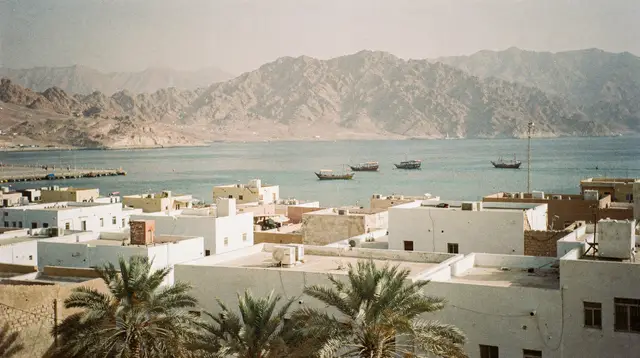
The civilian population of Masirah is primarily from fishing families who have worked the surrounding waters for generations. The main catch includes kingfish, tuna, shark, and various reef species. The fishing fleet operates throughout the year, with the intensity of operations varying seasonally as different species come inshore or offshore. The old fishing harbour in the main town is the most atmospheric part of the community, particularly in the early morning when the boats return.
The island also has a pearl diving history, now completely concluded, that connected it to the broader Gulf pearl economy of the 19th and early 20th centuries. The pearl beds around Masirah were among the most productive in the region before the introduction of cultured pearls from Japan destroyed the market.
Beyond Kitesurfing: Other Activities on Masirah
Visitors to Masirah who are not kiters will find the island has a range of activities that justify a stay independent of wind sports. The turtle nesting beaches, the fishing harbour, the eastern ocean beaches, and the birdwatching around the island’s wetlands and coastal areas are all worthwhile.
Fishing from the beach or hiring a local fisherman’s boat for an offshore fishing session produces catches that are then typically cooked by the accommodation. The clarity of the water around Masirah makes snorkelling from any accessible beach worthwhile — the reef fish communities visible from a simple mask-and-fin setup are impressive even without dedicated dive equipment.
The drive around the island on the circuit road takes about two hours without stops. This reveals the full range of coastal character — from the calm lagoon west to the open-ocean east, from the populated main town to the empty southern tip — and is the best orientation for any length of stay on the island.
For the best context on the broader Oman coastal experience, including how Masirah fits into a longer journey south from Muscat, the guide to Oman’s best beaches provides the full coastal picture and helps with planning a route that makes the most of the extraordinary variety of Oman’s 3,000-kilometre shoreline.
Top experiences
Bookable activities with verified prices and instant confirmation on GetYourGuide.
 📍 Daymaniyat Islands
 Oman: Daymaniyat Islands snorkeling trip
- Free cancellation
- Pickup included
- Instant confirmation
 📍 Muscat
 Muscat: half-day city tour
- Free cancellation
- Instant confirmation
- Hotel pickup
 📍 Muscat
 Muscat: 2-hour sunset dhow cruise
- Instant confirmation
- Free cancellation
- Best seller
 📍 Wahiba Sands
 Wahiba Sands and Wadi Bani Khaled (day trip) desert safari
- Free cancellation
- Hotel pickup
- Best seller