Khareef Season in Salalah: Oman's Monsoon Guide
Discover Salalah city, history, nature, culture
Duration: 5 hours
- Free cancellation
- Hotel pickup
- English guide
When is Khareef season in Salalah?
The Khareef (Indian Ocean monsoon) transforms Salalah from mid-June to mid-September. July and August are the most reliable for green mountains and flowing waterfalls.
The Khareef: Arabia’s Most Unlikely Spectacle
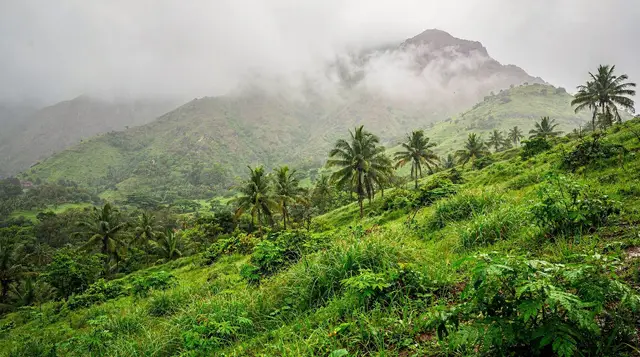
Every summer, something remarkable happens in the far south of Oman. While the rest of the Arabian Peninsula bakes in temperatures that can exceed 50°C, the Indian Ocean monsoon — the Khareef — sweeps into the Dhofar mountains above Salalah, and one of the world’s driest regions transforms into a landscape that looks more like the foothills of India than the heart of Arabia.
Waterfalls cascade down limestone escarpments. Frankincense trees, normally dusty and sparse, glisten with moisture. The mountains turn vivid green almost overnight. Fog rolls through the canyons in the morning. Camels graze on grass so emerald it seems unreal. And the temperature stays in the low 20s — a full 20°C cooler than Muscat at the same time.
This is the Khareef, and it is one of the most extraordinary seasonal phenomena in the world. This guide tells you everything you need to know to experience it properly.
| At a Glance | |
|---|---|
| Where | Dhofar mountains around Salalah, southern Oman |
| Cost | No fee for the natural landscape; expect around 25-50 OMR/night for hotels, more in July-August |
| Time needed | 3-4 days for the main highlights; 5-7 days for a slower pace including Jebel Samhan |
| Getting there | Fly Muscat-Salalah (around 90 minutes) or a 10-12 hour desert drive |
| Best time | July and August for the most reliable full Khareef conditions |
What Is the Khareef?
The Khareef is the localised Indian Ocean monsoon that strikes the Dhofar region of southern Oman between approximately mid-June and mid-September. Unlike the full monsoon systems of South Asia, it is spatially limited — the mountains of Dhofar catch and hold the moisture, creating a microclimate while the rest of Oman remains hot and dry.
The name comes from the Arabic word for autumn, historically used for the harvest season that follows the monsoon rains. The Dhofar Khareef has been documented since antiquity — ancient traders from India knew the region’s seasonal transformation well.
What makes it particularly striking is the contrast. Arrive in Salalah from Muscat — a 90-minute flight — and you step into a different world. Where Muscat is blazing, Salalah is misty and green. The thermal shock is reversed: you may actually feel cold in the evenings.
When Does the Khareef Start and End?
The Khareef is a natural phenomenon and cannot be predicted with absolute precision. The following timings reflect historical averages:
Early Khareef (mid-June to early July): The monsoon typically arrives around June 15–25. Initial greening begins, waterfalls start flowing, mist appears in the mountains. Conditions can be variable in this early period — some years start earlier, some later.
Peak Khareef (July and August): The most reliable period for full Khareef conditions. Mountains are fully green, major waterfalls are flowing at full capacity, fog is dense in the mornings, and the atmosphere is lush and cool.
Late Khareef (September): The monsoon begins retreating in mid-September. Greenery persists but starts yellowing. Waterfalls reduce. The landscape is still dramatically different from the rest of Arabia but noticeably past its peak by late September.
Post-Khareef (October onwards): The landscape dries rapidly. By November, the mountains return to their normal ochre-brown. The frankincense trees return to their dry-season appearance.
The Salalah Tourism Festival is held annually during the Khareef season (typically July–August), bringing cultural performances, traditional markets, and entertainment events. Festival dates vary each year — check the Salalah Tourism Festival’s official channels.
| Period | Landscape | Waterfalls | Crowds |
|---|---|---|---|
| Mid-Jun to early Jul | Early greening, mist begins | Starting to flow, variable | Building |
| Jul-Aug (peak) | Fully green mountains | Flowing at full capacity | Busiest — book hotels well ahead |
| Sep | Greenery persists, starts yellowing | Reducing | Tapering off |
| Oct onwards | Rapid drying, back to ochre-brown | Dry | Low |
Comparing Salalah to Muscat During the Khareef
The contrast between the two cities during June-September is the single biggest reason to plan a Khareef trip. Muscat in July and August is punishingly hot — daytime temperatures regularly exceed 40°C with high humidity along the coast, and outdoor activity is largely limited to early morning or evening. Salalah in the same weeks sits around 22-26°C with mist and light rain, making it one of the few places in the Gulf region where outdoor sightseeing is genuinely pleasant in high summer.
This makes Salalah a natural summer complement to a Muscat-based itinerary rather than a replacement for it — most visitors see Muscat’s forts, souqs and coastline at a different time of year (see the best time to visit Oman guide) and treat the Khareef as a dedicated southern add-on. For travellers curious about Oman’s summer conditions more broadly, the Oman in summer guide covers what to expect outside Dhofar during the same months.
The Best Khareef Experiences
Wadi Darbat and the Flamingos
Wadi Darbat is the most spectacular Khareef landscape in Dhofar. During the monsoon, the wadi fills with water, creating a lake at its base surrounded by green mountains. A seasonal waterfall — Ayn Darbat — pours over the limestone escarpment above.
Most remarkably, flocks of flamingos often appear on the wadi lake during the Khareef — a surreal sight in Arabia. In a good Khareef year, the scene of pink flamingos on a green mountain lake, surrounded by mist, is almost impossibly beautiful.
The wadi road from Salalah runs through farmland and climbs to viewpoints above the lake. Allow 2–3 hours for a proper Wadi Darbat visit, including time to walk the rim trail.
For more on the lake, the viewpoints and how the wadi changes through the season, see our dedicated Wadi Darbat waterfall guide.
Ayn Athum and the Mountain Springs
The Dhofar mountains are dotted with natural springs (ayn in Arabic) that flow during and after the Khareef. Ayn Athum, Ayn Hamran, and Ayn Sahnawt are among the most accessible — cool spring water emerging from rocky hillsides surrounded by lush vegetation.
These springs are particularly atmospheric in the morning, when fog drifts through the surrounding trees. Local families gather at the springs in the evenings — a social tradition that has continued for generations.
Ittin and the Cliff Road
The coast road west of Salalah through the village of Ittin offers spectacular cliff scenery during the Khareef. The road winds along the top of limestone escarpments above the Arabian Sea, with fog frequently filling the valleys below. Viewpoints above the coastal cliffs provide dramatic vistas.
This drive is particularly memorable in the early morning, when cloud and mist are thickest and the green mountain behind meets the foggy coast in front.
Mughsail Beach and Blowholes
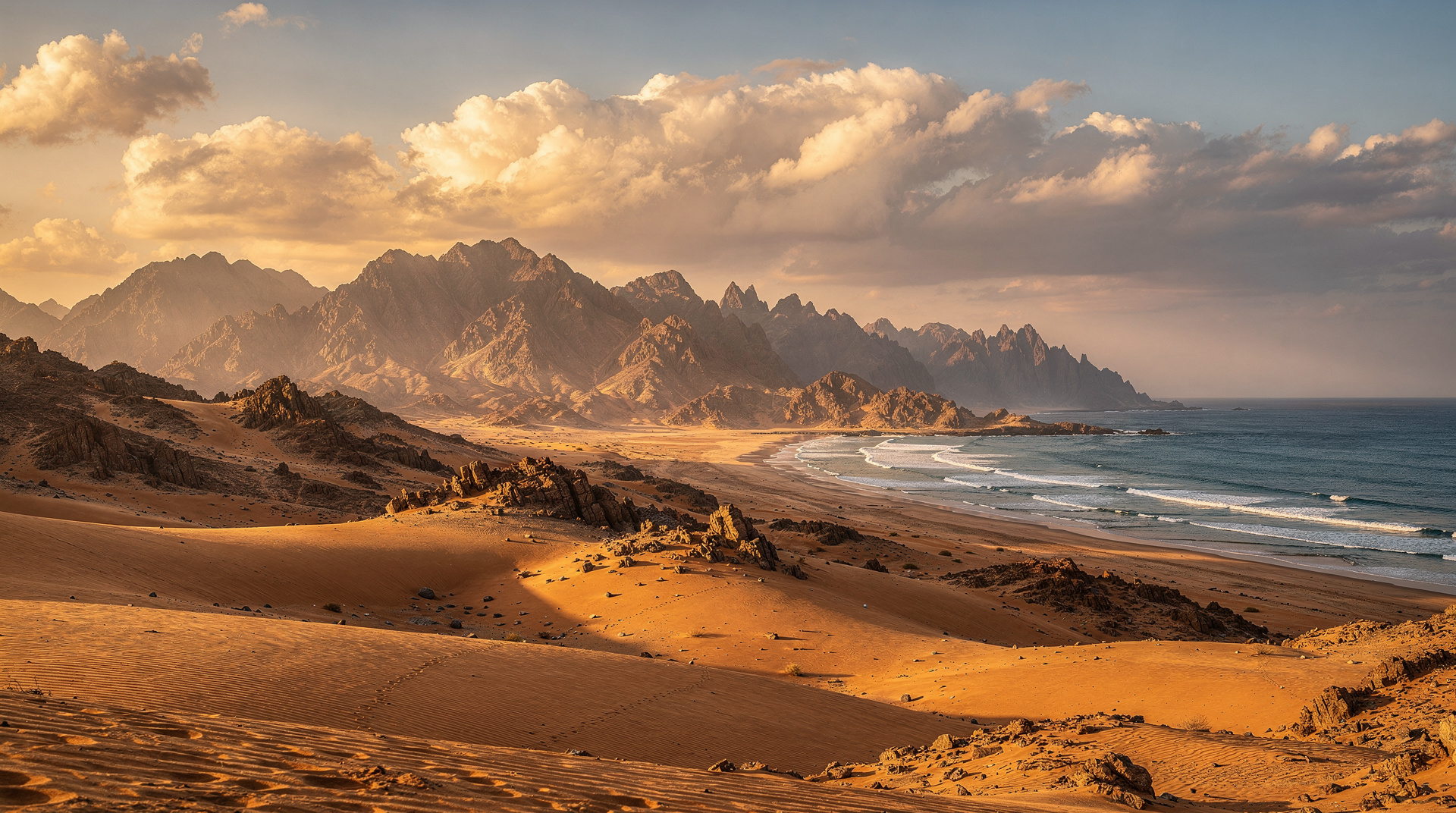
Al Mughsail is a beautiful beach 40 km west of Salalah, backed by limestone cliffs with natural blowholes that shoot jets of water when waves hit the cave systems below. The beach itself is long, wild, and largely deserted during the week.
During the Khareef, the sea is rough — swimming is not advisable — but the combination of crashing waves, blowholes, and green cliffs above is dramatic and photogenic.
Frankincense Country
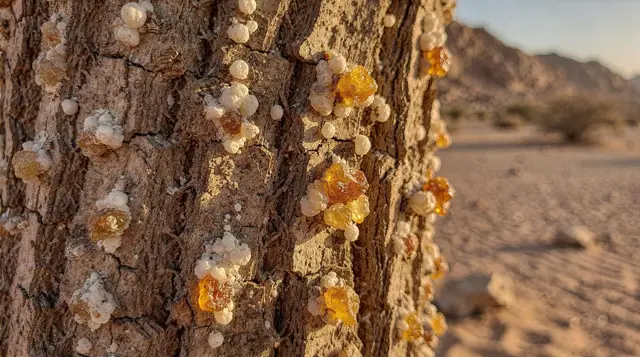
The Dhofar mountains are one of the world’s primary sources of Boswellia sacra — the tree that produces frankincense. Oman’s frankincense has been prized since antiquity; Queen of Sheba traded it, ancient Rome burned it, and modern perfumers prize the Omani Hojari variety above all others.
During the Khareef, the frankincense trees are at their most lush — green-leafed and visibly thriving. You can visit working frankincense groves on the mountain plateau, see the resin harvesting process (tapping the bark to release the aromatic sap), and buy directly from producers.
The Al Baleed Archaeological Park in Salalah — a UNESCO World Heritage Site — preserves the ruins of the ancient port city of Sumhuram, which was the frankincense trade’s great export hub. The adjacent Frankincense Land Museum provides excellent context. If the trade’s history is what draws you, our frankincense trail guide lays out the stops in a logical order, and the blog piece on frankincense as white gold adds the wider story.
Buying frankincense in Salalah: The Al Hafah Souq in Salalah is the best place to buy frankincense directly from Dhofari sellers. Prices are lower than Muscat or Dubai. Hojari (white/green) is the finest grade. The sellers will demonstrate burning with a traditional mabkhara (incense burner).
Jebel Samhan Wildlife Reserve
The Jebel Samhan plateau, rising above the coastal escarpment east of Salalah, is a protected wildlife reserve and the habitat of the Arabian leopard — one of the world’s most endangered big cats. You will not see leopards on a standard day trip, but the reserve’s landscape during the Khareef — a high plateau of green grass and ancient juniper trees above the fog line — is extraordinary.
The drive up through the clouds to the plateau is an experience in itself. At the top, you emerge above the Khareef clouds into clear sunshine, looking down over a sea of white mist covering the coast.
Salalah City and the Al Husn Palace
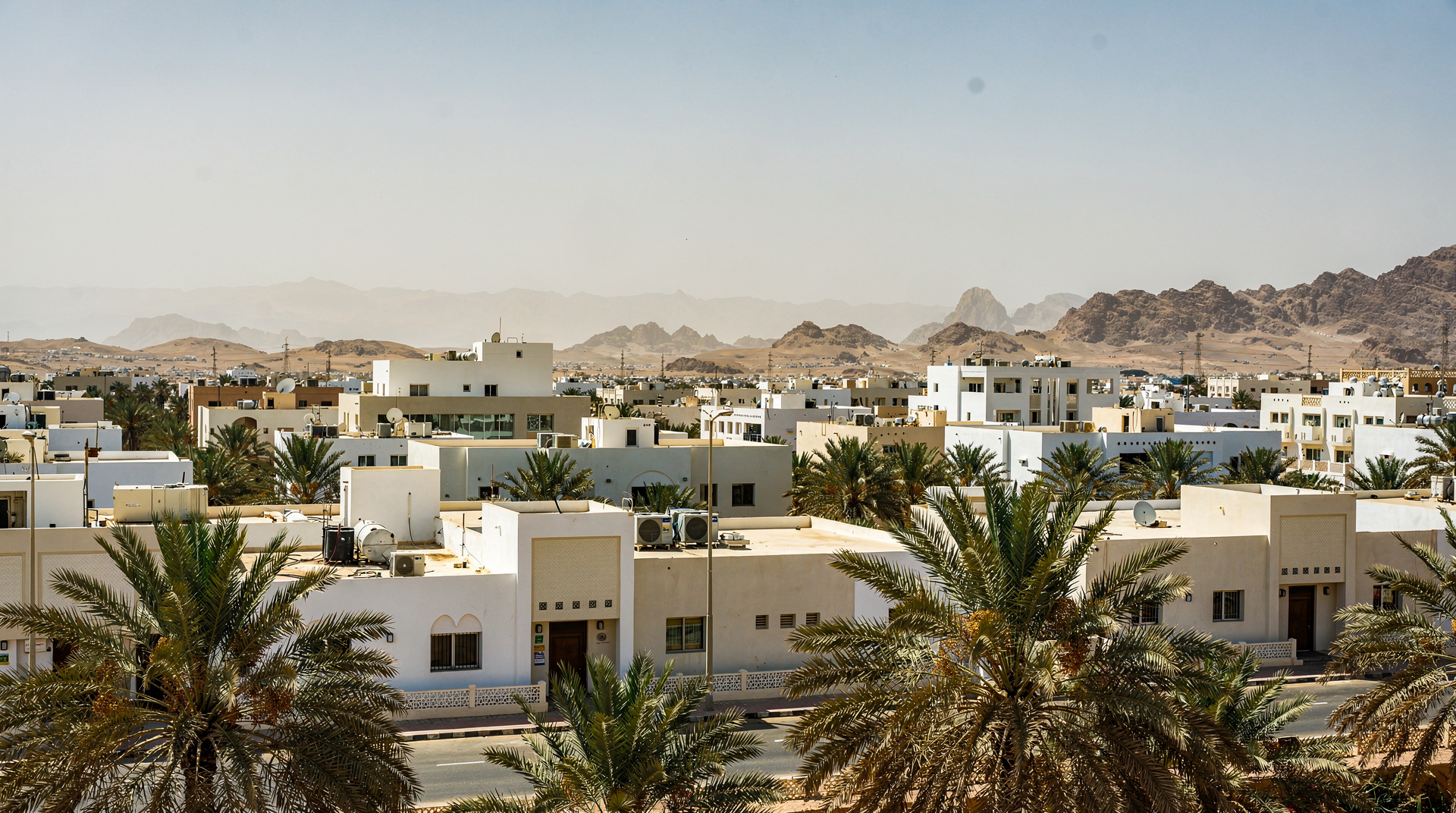
Salalah is the capital of the Dhofar region and the birthplace of the late Sultan Qaboos. The city has a different feel from Muscat — smaller, more relaxed, heavily influenced by African and Indian cultural connections from centuries of maritime trade.
For a broader look at the city beyond the monsoon months, read the complete Salalah guide or the Salalah destination page. If you are weighing the two cities against each other, Salalah vs Muscat sets out the differences in character.
A guided Salalah city and nature tour covers the key highlights: the Al Husn Palace gardens, Al Baleed archaeological ruins, the frankincense souq, and the Khareef landscapes.
Practical Guide to Visiting Salalah During Khareef
Getting There
By air: Oman Air flies Muscat to Salalah (SLL) in approximately 90 minutes. Multiple daily flights. Book in advance for July–August — the planes fill with Gulf tourists escaping the heat.
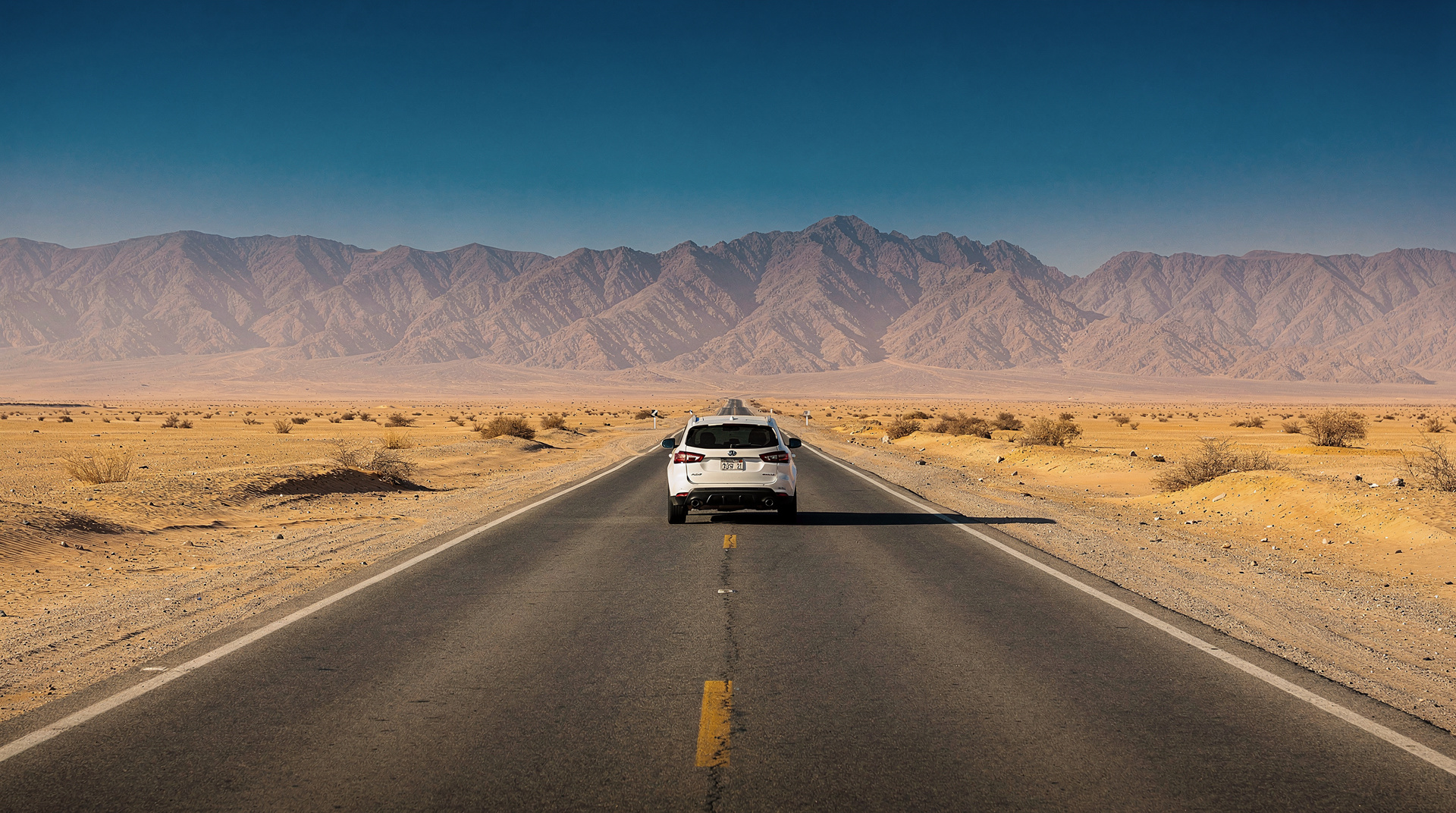
By road: A spectacular 1,100+ km drive through the Omani desert, taking 10–12 hours. Best done as a 2-day journey with an overnight stop. Most visitors fly. If you do want to drive, the Muscat to Salalah drive guide covers the route, and our domestic flights guide helps with the flying option.
Salalah Airport is small and modern — straightforward arrival and car rental collection.
Getting Around Salalah
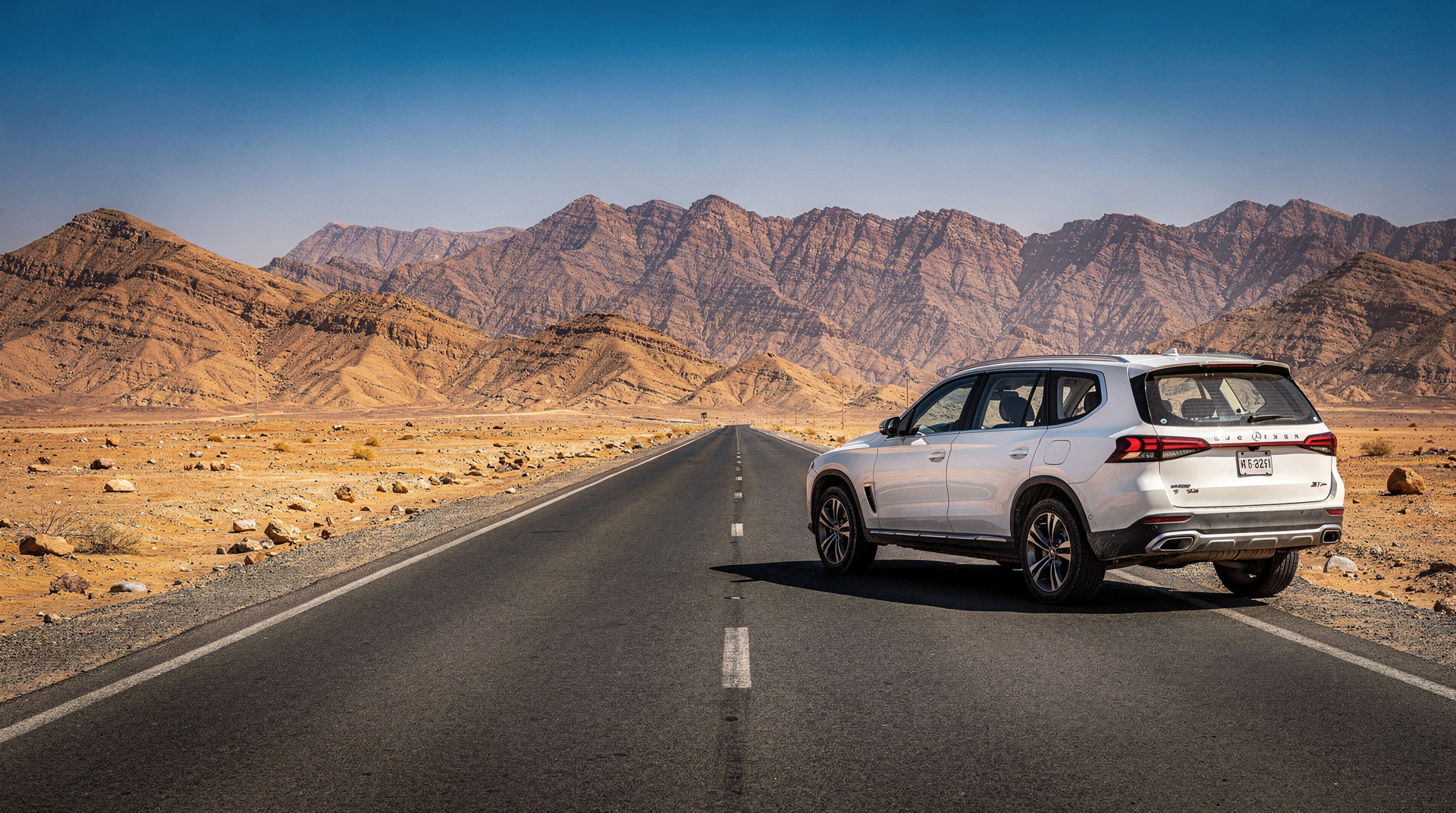
Salalah itself is spread out and requires a vehicle. Renting a car in Salalah is strongly recommended — the Khareef highlights are scattered over a wide area. See our Oman car rental guide for advice.
4WD is not essential for Khareef tourism — all the major sites are accessible on paved or good gravel roads. However, some mountain tracks to springs and remote viewpoints benefit from higher clearance. A standard saloon handles the main tourist circuit.
Where to Stay in Salalah
Luxury: Rotana Salalah Resort (beachfront, full facilities), Hilton Salalah Resort, Crowne Plaza Resort Salalah.
Mid-range: Juweira Boutique Hotel (marina location), various hotels in the city centre from 25–50 OMR per night.
Budget: Local guesthouses from 15–25 OMR. Salalah is notably cheaper than Muscat for comparable quality.
Book well in advance for July and August — the Khareef season fills hotels across all categories. Our where to stay in Salalah guide compares the areas and the types of property in more detail.
For a second take on the season, see Salalah in Khareef and the blog article Khareef, Oman’s magical summer.
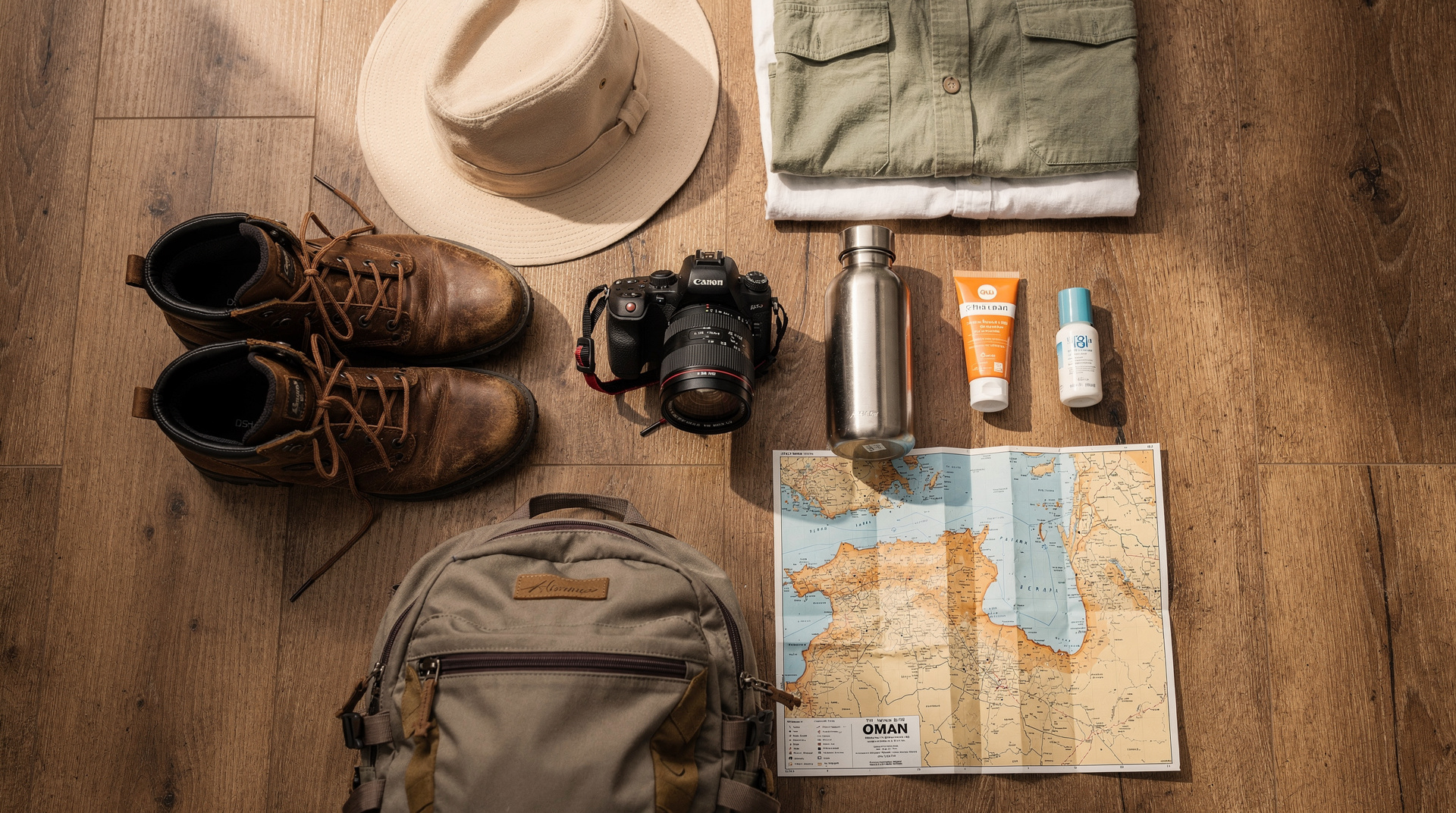
What to Pack for the Khareef
The Khareef weather surprises many visitors expecting typical Arabia:
- Light rain jacket or waterproof — it genuinely rains
- Long-sleeved layer for cool evenings (temperatures drop to 18–20°C at night)
- Sandals or waterproof shoes for wet mountain paths
- Standard modest clothing (Salalah is conservative)
See our full Oman packing list for complete guidance.
For the budget picture across the whole trip, including Salalah’s typically lower costs than Muscat, see the Oman budget guide.
Frequently asked questions about Khareef Season in Salalah: Oman’s Monsoon Guide
What is the Khareef season in Salalah?
The Khareef is the Indian Ocean monsoon that transforms the Dhofar mountains above Salalah between mid-June and mid-September each year. The region turns green, waterfalls flow, temperatures drop to around 22°C, and a lush, misty landscape appears — entirely unlike the rest of Arabia in summer.
When is the best time to visit Salalah for the Khareef?
July and August are the most reliable months for full Khareef conditions — maximum greenery, waterfalls at full flow, and the characteristic Dhofar mist. June can be variable (the monsoon sometimes arrives late). September sees the Khareef tapering off, with reducing waterfalls and beginning to dry.
How do I get from Muscat to Salalah?
The most practical option is flying — Oman Air operates multiple daily flights on the 90-minute Muscat to Salalah route. Book in advance, particularly for July and August. Road travel is a 1,100 km, 10–12 hour drive through the desert — manageable as a 2-day journey but rarely worth it versus flying.
Is Salalah hot during the Khareef?
No — this is the remarkable thing about the Khareef. While the rest of Oman is sweltering at 40°C+, Salalah during the Khareef stays around 22–26°C. It is actively cool compared to the rest of the Gulf, and evenings can feel genuinely chilly enough for a light jacket.
Are there flamingos in Salalah during the Khareef?
Yes, in good Khareef years. Flamingo flocks appear on Wadi Darbat lake during the monsoon season — the timing and numbers vary year to year. July and August are the most likely months to see them. The combination of flamingos, green mountains, and monsoon mist at Wadi Darbat is one of the most extraordinary sights in Oman.
Can I swim at Salalah beaches during the Khareef?
Salalah’s beaches are beautiful but rough seas during the Khareef make swimming inadvisable at most spots. The surf is powerful and currents can be dangerous. It is primarily a visual experience — dramatic waves and green cliffs — rather than a swimming one. Hotel pools are the swimming alternative.
How many days should I spend in Salalah during the Khareef?
Three to four days is ideal for covering the main Khareef highlights: Wadi Darbat and flamingos, Ayn Athum springs, the Ittin cliff road, Mughsail blowholes, frankincense country, and Al Baleed archaeological park. Five to seven days allows a slower pace and exploration of the Jebel Samhan plateau and eastern Dhofar.
Is Salalah more expensive than Muscat during the Khareef?
Generally no — Salalah is typically cheaper than Muscat for comparable hotels and dining, though prices rise during the July-August peak when demand from regional visitors is highest. See the Oman budget guide for a fuller cost comparison across the country.
Do I need a 4WD for a Khareef trip to Salalah?
No, a 4WD is not essential. The main Khareef sites — Wadi Darbat, Ayn Athum, Ittin, Mughsail and the frankincense sites — are on paved or good gravel roads reachable by a standard rental car. A 4WD only adds value if you plan to explore remote mountain tracks or the Jebel Samhan plateau beyond the main circuit.
Top experiences
Bookable activities with verified prices and instant confirmation on GetYourGuide.
 📍 Salalah
 Discover Salalah city, history, nature, culture
- Free cancellation
- Hotel pickup
- English guide
 📍 Salalah
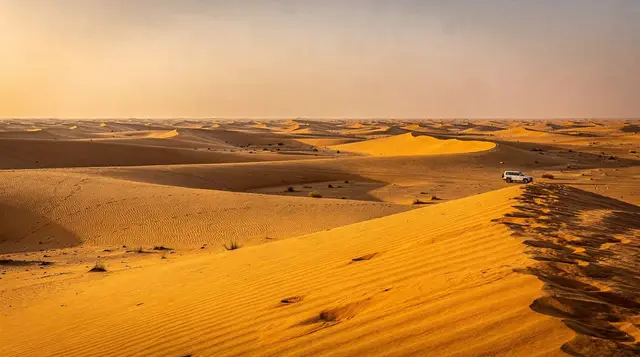
 Salalah: sunset desert safari - Rub Al Khali - Empty Quarter
- Free cancellation
- Hotel pickup
- Small group
 📍 Salalah
 West Salalah tour: Fazayah Beach, Al Mughsail Beach, blowhole
- Free cancellation
- Hotel pickup
- Instant confirmation
 📍 Muscat
 Muscat: half-day city tour
- Free cancellation
- Instant confirmation
- Hotel pickup