Wild Camping in Oman: The Complete Free Camping Guide for 2026
Is wild camping legal in Oman?
Wild camping is generally tolerated and widely practised in Oman on public land — deserts, wadis, and mountain areas. There is no specific law prohibiting it. Exceptions include protected nature reserves, private land, and military areas. Always ask locals when camping near villages.
Sleeping Under a Sky Full of Stars in Arabia
There are very few countries in the world where you can drive your 4WD off-road, unfurl a tent on an empty stretch of desert sand, cook over a campfire under a sky unpolluted by artificial light, and wake to silence absolute except for the wind — for free, legally, and with virtually no other humans in sight for 50 kilometres.
Oman is one of those countries. Its vast uninhabited interior, extraordinary geological diversity, and genuine respect for the natural environment make it one of the finest wild camping destinations on Earth. This guide covers everything you need to do it properly: where the best spots are, what the rules actually are, what to bring, and how to leave the landscape unchanged for the next person.
At a Glance
| Where | Wahiba Sands, Jebel Shams plateau, Wadi Bani Khalid, coastal areas near Ras al Jinz, Jebel Samhan (Dhofar) |
| Cost | Camping itself is free; 4WD rental runs around OMR 30–45/day and gear hire adds a few OMR per night |
| Time needed | A single overnight is enough for a taste; 2–3 nights lets you combine desert and mountain camping |
| Getting there | Self-drive 4WD from Muscat, Nizwa, or Sur depending on the spot |
| Best time | Roughly November–March for comfortable temperatures; avoid deep-desert camping May–September |
The Legal Status of Wild Camping in Oman
There is no blanket law against wild camping in Oman. The country has vast quantities of public land — desert, mountain, and coastal areas — where camping is widely practised by both Omani families and international travellers.
That said, specific restrictions do exist:
Where camping is NOT permitted:
- Inside protected nature reserves (Ras al Hadd Turtle Reserve, Jaaluni Oryx Sanctuary, Daymaniyat Islands Marine Reserve)
- On private agricultural land (date palm groves, farms near villages)
- Within military or restricted zones (these are fenced and signed)
- On designated urban beaches (Qurum Beach in Muscat, for instance)
Where camping is generally fine:
- Open desert (Wahiba Sands, Ramlat al Wahaybah, the southern Rub al Khali fringes)
- Mountain areas (Jebel Akhdar plateau, Jebel Shams, Jebel Samhan in Dhofar)
- Wadi flood plains (outside active flood season)
- Remote coastal areas away from designated resorts
A cultural note: When camping near a village, it is both courteous and practically wise to ask a local resident for permission. Omani hospitality being what it is, you are more likely to be invited for coffee and dates than refused. This also gives you local knowledge about the safest spots and any issues to be aware of.
The Best Wild Camping Spots in Oman
Wahiba Sands (Sharqiyah Sands)
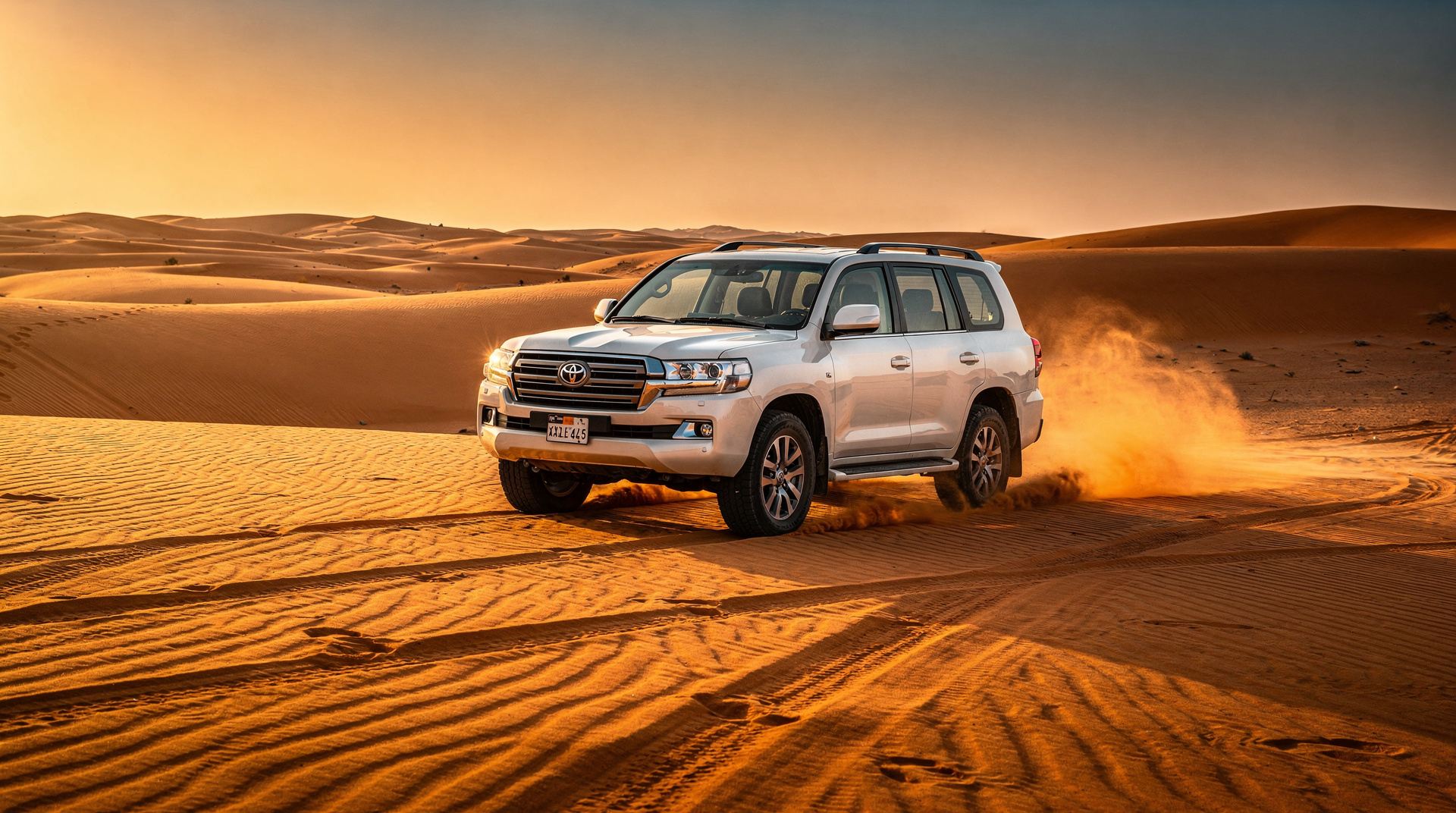
The most iconic camping destination in the country. The Wahiba Sands is a 180-km-long, 80-km-wide field of classic Arabian sand dunes in southeastern Oman. The dunes reach 100 metres in height in the interior, their reddish-orange colour deepening at sunrise and sunset to something close to fire.
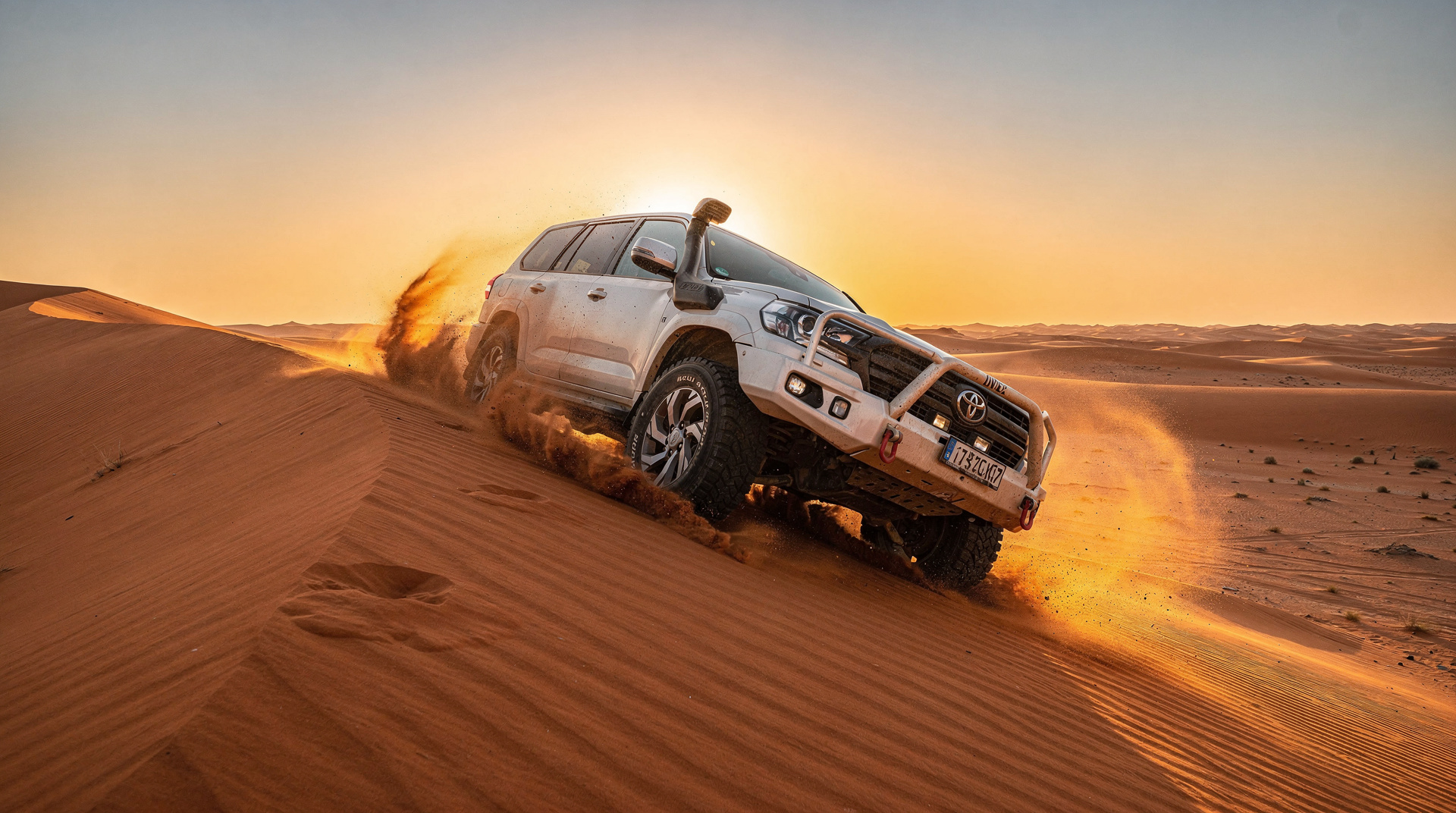
Wild camping in the Wahiba Sands requires a 4WD and the knowledge to avoid getting stuck. Most independent campers set up 10–15 km into the dunes from the Al Qabil entry point, far enough to be away from the established camps but not so deep that navigation becomes complex. Once you have deflated your tyres (to 18–20 PSI) and driven to your spot, you are completely alone in a landscape of extraordinary beauty.
For those who want the experience of overnight desert camping without the full logistics, the overnight camping and kayaking experience from Muscat combines beach camping with water activities — an excellent introduction to sleeping outdoors in Oman.
Best season: November–March. Summer temperatures (May–September) in the Wahiba Sands routinely exceed 45°C; camping is possible but requires exceptional heat preparation and is not recommended for inexperienced desert travellers.
If you are new to driving on soft sand, the dune bashing guide explains the basics of handling a 4WD in the dunes, and the Wahiba Sands destination page gives wider context on the area before you commit to a night out there.
GPS reference: The Al Qabil gate area (22.4123°N, 58.3459°E) is the main entry. Drive south-southwest from the gate.
Jebel Shams Plateau
The Jebel Shams area offers the rarest combination in Oman: high-altitude camping (2,980 metres at the summit plateau) with views into the Grand Canyon of Arabia — a 1,000-metre-deep gorge system that is genuinely breathtaking.
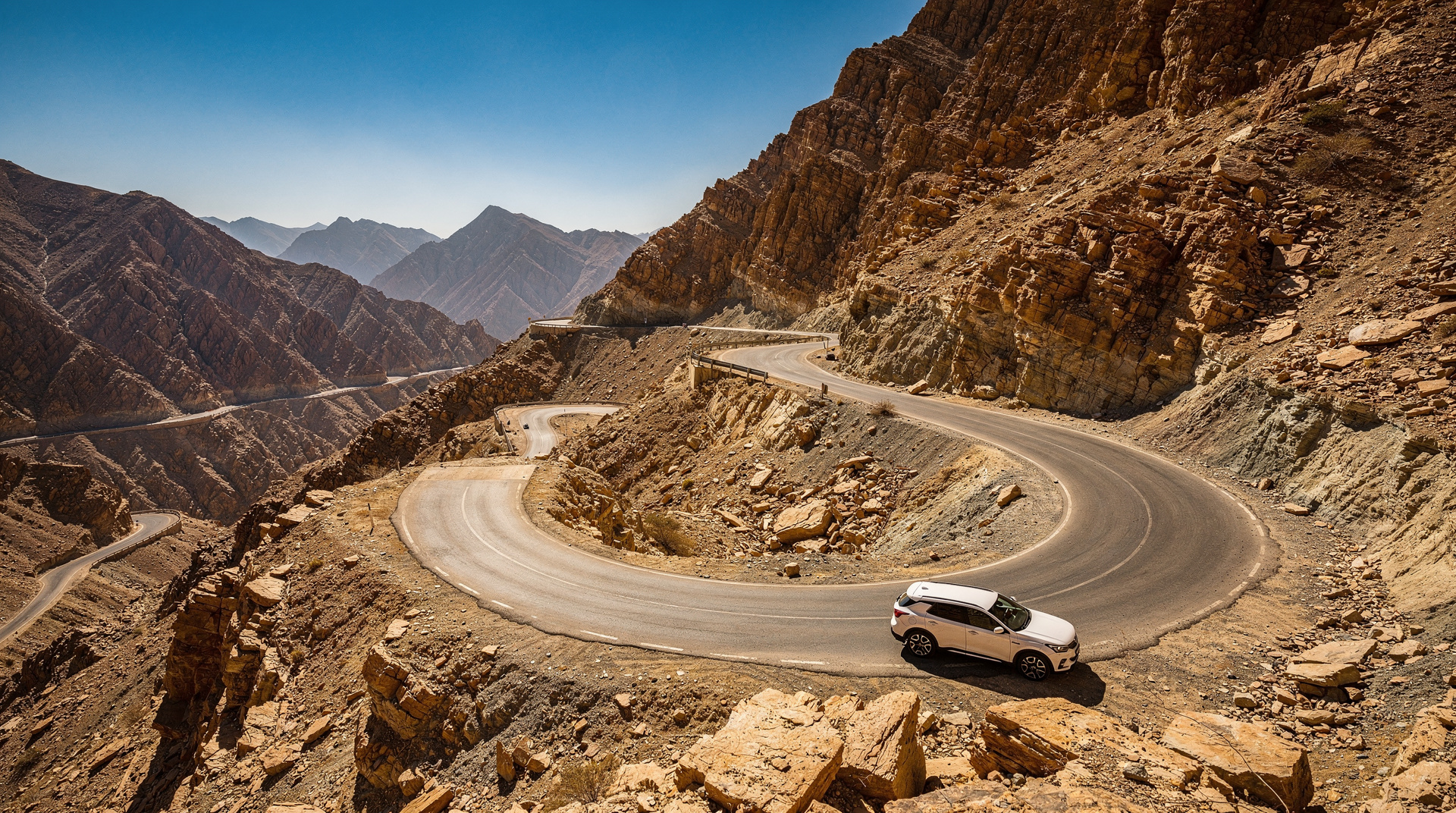
The plateau road is paved to the resort area and first viewpoint. Above that, a rough track continues to the summit plateau where independent camping is permitted. Night temperatures drop sharply at altitude — expect 5–10°C in December and January, with occasional frost at the summit. This is cold-weather camping by Arabian standards and you need proper sleeping gear.
The Balcony Walk — a 4-km hiking trail along the canyon rim — is best done at dawn from a camp on the plateau, before the day-trippers arrive and when light quality is at its most dramatic.
For a closer look at the trail itself, see the Jebel Shams Balcony Walk guide and the Jebel Shams destination page, both useful when deciding how much of the morning to spend on the rim.
Getting there: From Nizwa, take Route 21 to Bahla, then follow signs to Hatt and the Jebel Shams road. 4WD required above the resort.
Wadi Bani Khalid
The most accessible family-friendly wild camping area in the country. Wadi Bani Khalid is famous for its emerald-green pools and clear water year-round, and the flat gravel areas of the lower wadi provide easy camping on smooth ground without specialist equipment.
Camp 2–3 km below the main tourist pools to be away from the daytime crowds. Morning light on the wadi walls is exceptional. The local Bani Khalid tribe are welcoming to respectful visitors; noise after 10 pm and alcohol use are both discouraged.
The Wadi Bani Khalid guide covers the pools and the daytime visit in more detail, which helps you plan when to arrive and when to move down the wadi to camp.
Getting there: Follow Route 23 from Sinaw. The wadi entry is signed from the main road. Standard vehicles can reach the lower camping areas; high-clearance vehicle recommended for upper areas.
Ras al Jinz and the Turtle Coast
The Ras al Jinz area south of Sur is one of the world’s most important nesting sites for green turtles. The official turtle reserve has organised camping infrastructure, but the beaches north and south of the reserve — outside the protected zone — are open for wild camping.
Waking at 3–4 am to walk to the waterline and watch female turtles returning from laying eggs is a profound experience. Outside the reserve boundaries, turtles still come ashore regularly. Camp well above the high-tide line and use no lights on the beach after dark (artificial light disoriented newly hatched turtles).
The Ras al Jinz destination page describes the wider coast, and it is worth reading before you choose a beach.
Season: Turtle nesting peaks July–October; hatching peaks September–November.
Jebel Samhan — Dhofar’s Hidden Highland
In the Dhofar region near Salalah, Jebel Samhan is a vast limestone plateau rising to 2,100 metres and home to breeding Arabian leopards (rarely seen but critically important). The mountain is largely unvisited and free camping on the plateau is straightforward for self-sufficient travellers.
During the khareef season (July–September), the entire plateau transforms: clouds roll in from the Arabian Sea, the landscape turns green, and waterfalls cascade from the cliffs. Camping in the khareef means cool, misty nights completely unlike anywhere else in Arabia.
For more on what the season does to the region, read the khareef season in Salalah guide and the Salalah destination page.
Getting there: Take Route 40 east from Salalah to the Jebel Samhan road. 4WD required.
Empty Quarter Fringes (Rub al Khali)
For experienced desert campers only. The southern fringes of the Empty Quarter near Thumrait and the track toward Shisr offer unparalleled solitude and scale. The dunes here are larger than in Wahiba Sands and the terrain is significantly more demanding. Navigation requires GPS waypoints, and driving alone is strongly discouraged.
The reward: complete darkness, absolute silence, and a sense of the planet’s scale that no other camping location quite delivers.
Essential Gear for Wild Camping in Oman
Shelter
A freestanding tent rated for 3–4 seasons is ideal — you need it to handle potential wind in mountain areas and to retain heat on cold desert nights. In summer-only desert camping (not recommended), a mesh inner tent with a tarp for shade is better suited to conditions.
The Hilleberg Akto and MSR Hubba Hubba NX are the go-to choices for serious desert campers in Oman; both handle wind and are efficient in terms of packaged weight.
For Wahiba Sands camping, many experienced travellers simply use a sleeping mat and a quality sleeping bag under the open sky — the nights are often perfectly clear and the experience of sleeping on sand under stars is difficult to replicate inside a tent.
Sleeping Bags
Mountain camping (Jebel Shams, Jebel Samhan): A bag rated to -5°C is necessary for winter (December–February). 0°C rating is adequate for October–November and March.
Desert camping (Wahiba Sands, October–March): A 10–15°C rated bag is fine on most nights; October and February nights can drop to 8°C in the interior, so a 5°C bag adds flexibility.
Water
This is the most critical planning element. Oman’s wild spaces have very few freshwater sources suitable for drinking without treatment. Carry a minimum of 4 litres per person per day in cooler seasons; 6–8 litres per person per day in warmer months (October, March, and anything warmer).
A Sawyer Squeeze or MSR TrailShot filter can purify wadi water in a pinch, though many wadis carry agricultural runoff upstream. Do not rely on wadi water as your primary supply; carry sufficient treated water from your last town.
Navigation
Download offline maps before departing mobile network coverage. Maps.me and OsmAnd both carry detailed Arabian Peninsula data. A handheld GPS unit (Garmin GPSMAP or Oregon series) provides backup if your phone battery fails. Mark your campsite waypoint before you leave the vehicle for walks.
Vehicle Recovery Equipment
For desert and off-road camping, carry at minimum: a decent-quality high-lift jack, sand recovery boards (MAXTRAX or equivalent), a tow rope, tyre deflator gauge, and a 12V portable air compressor for re-inflating after sand driving. A quality shovel rounds out the kit.
Cooking and Fire
Many wild campers in Oman use a small propane camping stove (MSR PocketRocket or equivalent) for all cooking. This has zero impact on the landscape. Open fires are generally acceptable in designated areas and away from vegetation, but do not collect wood from living shrubs — the desert flora is extremely slow-growing. Bring your own firewood if you want a campfire, or use compressed firelogs purchased in Muscat.
Safety Essentials for Solo and Group Camping
Weather and Flash Floods
Wadi camping carries a genuine flash flood risk between October and April — this is rainstorm season in the Hajar Mountains. Never camp in the bottom of a wadi channel; always set up on the terraces above the high-water marks visible on wadi walls. A rainstorm 30 km away in the mountains can send a wall of water down a wadi within 20 minutes, with no warning on a clear blue-sky day in the wadi itself.
Check weather forecasts at metoffice.gov.om before camping in wadi areas. If in doubt, camp higher.
Heat
From May through September, daytime temperatures in the interior regularly exceed 45°C. Heat exhaustion and heatstroke are genuine dangers. Plan all outdoor activity for the first 3 hours after dawn and the last 2 hours before sunset. Rest in shade during the middle of the day. A reflective tarp rigged for shade is a worthwhile piece of kit.
Snakes and Scorpions
Oman has several venomous snake species (the saw-scaled viper and Oman carpet viper are the most important to know about) and scorpions are present throughout the desert and mountain regions. Shake out boots and clothing before dressing each morning. Wear closed shoes rather than sandals when walking at night. Check inside your sleeping bag before getting in.
Emergency number for ambulance in Oman: 1444.
Camping Alone in Remote Areas
Solo camping in extremely remote areas (Empty Quarter fringes, deep Wahiba Sands) carries additional risk. As a minimum: leave your planned route and return date with a reliable contact; check in by phone or satellite communicator at agreed intervals; carry a personal locator beacon (PLB) such as a Garmin inReach Mini 2 (available to rent in Muscat from outdoor equipment shops near Lulu Hypermarket in Ruwi).
Leave-No-Trace Principles for Oman
Oman’s wild landscapes are extraordinarily fragile. Desert ecosystems in particular — the biological soil crust, slow-growing desert plants, wadi microenvironments — are damaged by careless human activity and take decades to recover.
Waste: Carry out everything you carry in. No exceptions. Buried rubbish in the desert is a myth — sand erosion exposes buried items within months. Bring rubbish bags, double-bag to prevent tearing, and dispose in the first town you reach.
Human waste: At least 200 metres from any water source and 200 metres from any trail or camp. Cat-hole method (15 cm deep, covered). Pack out toilet paper — it does not decompose in arid conditions.
Fire: Keep fires small. Fully extinguish with water (not sand) before sleeping or moving on. Scatter cooled ash. Never leave a fire unattended.
Tracks: Stay on existing tracks where they exist. Creating new vehicle tracks through desert pavement or wadi margins causes erosion that persists for years. If you must drive off-track, check that the surface can handle it (consolidated sand is acceptable; biological crust — dark, bumpy-textured soil surface — is highly vulnerable).
Noise: The silence of Oman’s wild areas is part of the value. Operate generators, play music loudly, or use drones only with consideration for others camping nearby and, more importantly, for the wildlife.
Wild Camping Season by Region
Timing matters more in Oman than most people expect — the same spot can be idyllic in December and dangerous in July.
| Region | Best months | What to expect |
|---|---|---|
| Wahiba Sands | Nov–Mar | Warm days, cool nights, clear skies; avoid May–Sep heat |
| Jebel Shams / Jebel Akhdar | Oct–Apr | Cold nights, occasional frost at altitude in winter |
| Wadi Bani Khalid / coastal wadis | Oct–Apr | Flash flood risk in rainstorm season; avoid camping in the channel |
| Ras al Jinz coast | Jul–Nov | Turtle nesting season; check reserve boundaries first |
| Jebel Samhan (Dhofar) | Jul–Sep (khareef) | Cool, misty highland camping unlike anywhere else in Arabia |
Combining Wild Camping With the Rest of Your Trip
Wild camping rarely works as a standalone activity — it slots into a wider road trip. Before you go, read up on renting a 4WD in Oman so you get the right vehicle class for dune and mountain driving, and check general safety tips for Oman alongside the camping-specific advice above. Travel insurance that covers off-road activity is worth checking before a remote overnight, since standard policies sometimes exclude self-driven off-road routes.
If you are timing a trip around wildlife, campers near the coast should read the dedicated turtle watching at Ras al Jinz guide before heading to the beaches described above, and desert nights are also good for stargazing and casual birdwatching in Oman at dawn. For the drive itself, the scenic drives of Oman guide covers the mountain and desert routes that connect these camping spots, and a look at the general Oman packing list is a useful cross-check against the camping-specific gear list above.
Planning the wider route
Most wild camping trips work best as part of a longer loop rather than a single night. The Oman road trip planning guide and the overnight desert camping guide help you decide how many nights to spend outdoors, while the adventure road trip itinerary shows how camping stops can fit between mountain and desert days.
Organised Options for First-Time Wild Campers
If the logistics of fully independent camping feel like too much for a first Oman trip, organised camping tours bridge the gap excellently. The overnight camping and kayaking from Muscat handles all equipment, site selection, and logistics while giving you the genuine experience of sleeping outdoors in Oman’s landscape.
For the Wahiba Sands specifically, most Wahiba Sands safari operators offer overnight options at semi-permanent desert camps — comfortable Bedouin-style tents with mattresses, communal dining, and the full desert night sky experience without the self-sufficiency demands.
2026 Camping Costs at a Glance
Wild camping itself is free. The costs are in equipment rental (if you do not own gear) and vehicle hire.
- 4WD rental (Toyota Fortuner class): OMR 30–45 per day
- Tent hire (from Muscat outdoor shops): OMR 5–8 per night
- Sleeping bag hire: OMR 3–5 per night
- Camping gas canister (230g): OMR 2.5 (available at Lulu Hypermarket, Carrefour)
- Bottled water (5 litres): OMR 0.80
- MAXTRAX sand recovery boards (purchase): OMR 60–80 for a pair
Organised desert camp (semi-permanent, Wahiba Sands): OMR 35–65 per person per night including dinner and breakfast.
Frequently asked questions about wild camping in Oman
Is wild camping safe in Oman?
Oman is one of the safest countries in the Middle East. The main risks for wild campers are environmental — heat, flash floods, and venomous wildlife — rather than security concerns. Follow the preparation guidelines in this guide, leave a route plan with a contact, and carry emergency communication. Crime against campers is essentially unheard of.
Do I need a permit to camp in Oman?
No permit is required for camping on public land in Oman. Inside protected nature reserves (Ras al Hadd Turtle Reserve, Daymaniyat Islands Marine Reserve), organised camping is available through the reserve management and requires booking in advance. Wild camping inside these reserves is not permitted.
What is the best time of year for wild camping in Oman?
November through February is the premium season: comfortable daytime temperatures (25–30°C in the desert, 15–20°C in the mountains), cold but manageable nights, and virtually no rain on most routes. October and March are shoulder months — warmer but still viable. April starts to push acceptable heat limits for desert camping for most people. July–September is the khareef season in Dhofar, which transforms the Salalah mountains but makes interior desert camping extremely challenging.
Can I make a campfire in Oman?
Open fires are generally permitted in open desert and mountain areas away from vegetation. Never light fires inside protected reserves, near dry vegetation, or in areas showing signs of previous fire damage. Carry your own firewood — do not collect it from living desert plants. Fully extinguish with water before leaving.
What wildlife do I need to be aware of when camping?
The main concerns are venomous snakes (saw-scaled viper, Oman carpet viper) and scorpions. Both are nocturnal and are unlikely to bother you if you take simple precautions: shake out clothing and boots each morning, wear closed shoes at night, check your sleeping area before settling down. Arabian Cobra exists but is rarely encountered. Sea camping near estuaries: check for sea snakes but they are not aggressive.
Can I camp on beaches in Oman?
Camping on remote beaches is widely tolerated and practised in Oman. On urban beaches near Muscat (Qurum, Azaiba), camping is not appropriate. The turtle nesting beaches near Ras al Jinz and Ras al Hadd require care — camp above the high-tide line and use zero artificial light after dark, which disoriants nesting turtles and hatchlings.
What do I do if my vehicle gets stuck in the sand?
Stop immediately — revving harder digs you in deeper. Deflate tyres to 15 PSI if not already done. Try reversing along your own tracks if you have only just entered soft sand. If stuck firmly, use sand recovery boards under the drive wheels, then drive forward slowly onto them. If still stuck, use your high-lift jack to lift the bogged wheel and fill the depression with sand before re-laying the boards. Never go into deep desert alone — always travel in convoy or with recovery assistance available.
Can I wild camp with children?
Yes, with the right spot. Wadi Bani Khalid and the more accessible fringes of Wahiba Sands (close to established camps) are the most family-friendly options — flat ground, no technical driving, and other people nearby if needed. Avoid remote mountain plateaus and deep-desert routes with young children, and always carry more water and shade than you think you need.
Do I need to book anything in advance for wild camping?
No booking is required for the wild camping itself since it takes place on open public land. What you should book ahead, especially November through February, is your 4WD rental and any recovery or camping gear hire, since demand peaks in the cooler months.