Alcohol in Oman: Where to Drink Legally
Muscat: half-day city tour
Duration: 4 hours
- Free cancellation
- Instant confirmation
- Hotel pickup
Can tourists drink alcohol in Oman?
Yes — tourists can drink alcohol at licensed venues including most 4- and 5-star hotels, some restaurants, and a small number of standalone bars. Drinking in public, on beaches, or in your car is illegal. Alcohol is not sold in supermarkets.
Understanding Oman’s Alcohol Regulations
Oman occupies a middle ground in the Gulf when it comes to alcohol. It is not as open as Bahrain or UAE, where alcohol is easier to find. It is not as restrictive as Saudi Arabia or Kuwait, where it is banned entirely. What tourists encounter is a country where alcohol exists but is contained — available at the right venues, invisible in daily public life.
Understanding where the lines are drawn means you can plan accordingly and avoid awkward or legally complicated situations.
Alcohol in Oman: At a Glance
| Question | Answer |
|---|---|
| Legal drinking age | 21, non-Muslim adults only |
| Where it’s legally available | Licensed 4-/5-star hotel bars, some licensed restaurants, airport duty-free |
| Supermarkets | Never sell alcohol |
| Public beaches and streets | Drinking is illegal, even discreetly |
| Duty-free allowance on arrival | 2 litres of wine or spirits (or 24 cans of beer) per adult |
| Ramadan | Service heavily restricted or suspended at most venues |
| Price level | Comparable to Western Europe, not inflated Gulf-hotel rates |
Practical Context
The Licensing System
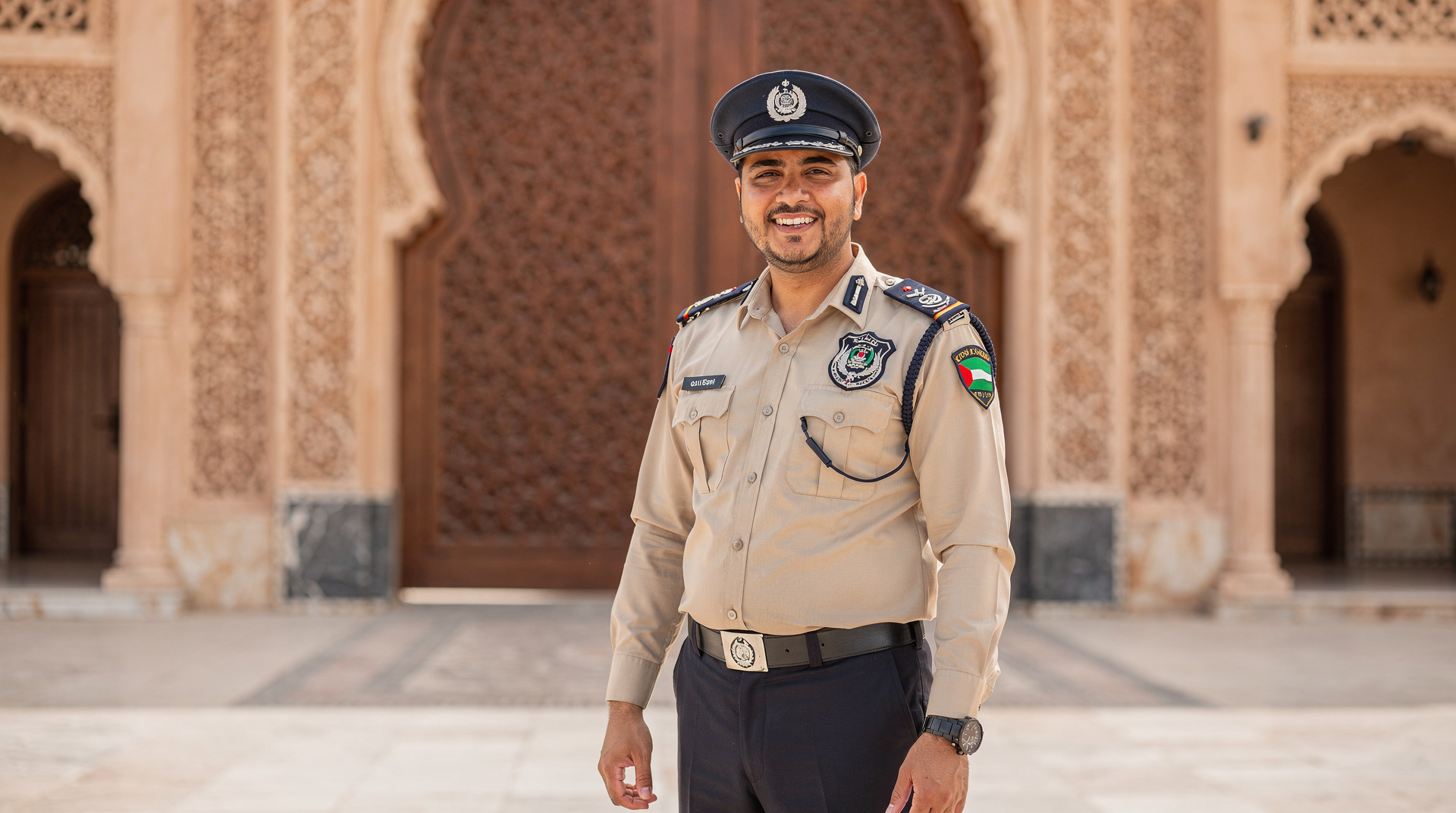
Oman’s alcohol licensing operates through the Royal Oman Police. Hotels above a certain category can apply for and receive liquor licenses. Standalone restaurants and bars can also apply. The result is a patchwork of licensed venues concentrated in Muscat and, to a lesser extent, Salalah and Musandam.
The key practical implication: alcohol availability is tied almost entirely to your accommodation choice. Stay at a 4- or 5-star hotel and you will have bar access. Stay at a budget guesthouse or apartment and you probably will not — check our where to stay in Muscat guide if this matters to your trip, or where to stay in Salalah for the south.
Duty-Free: Your Most Reliable Option
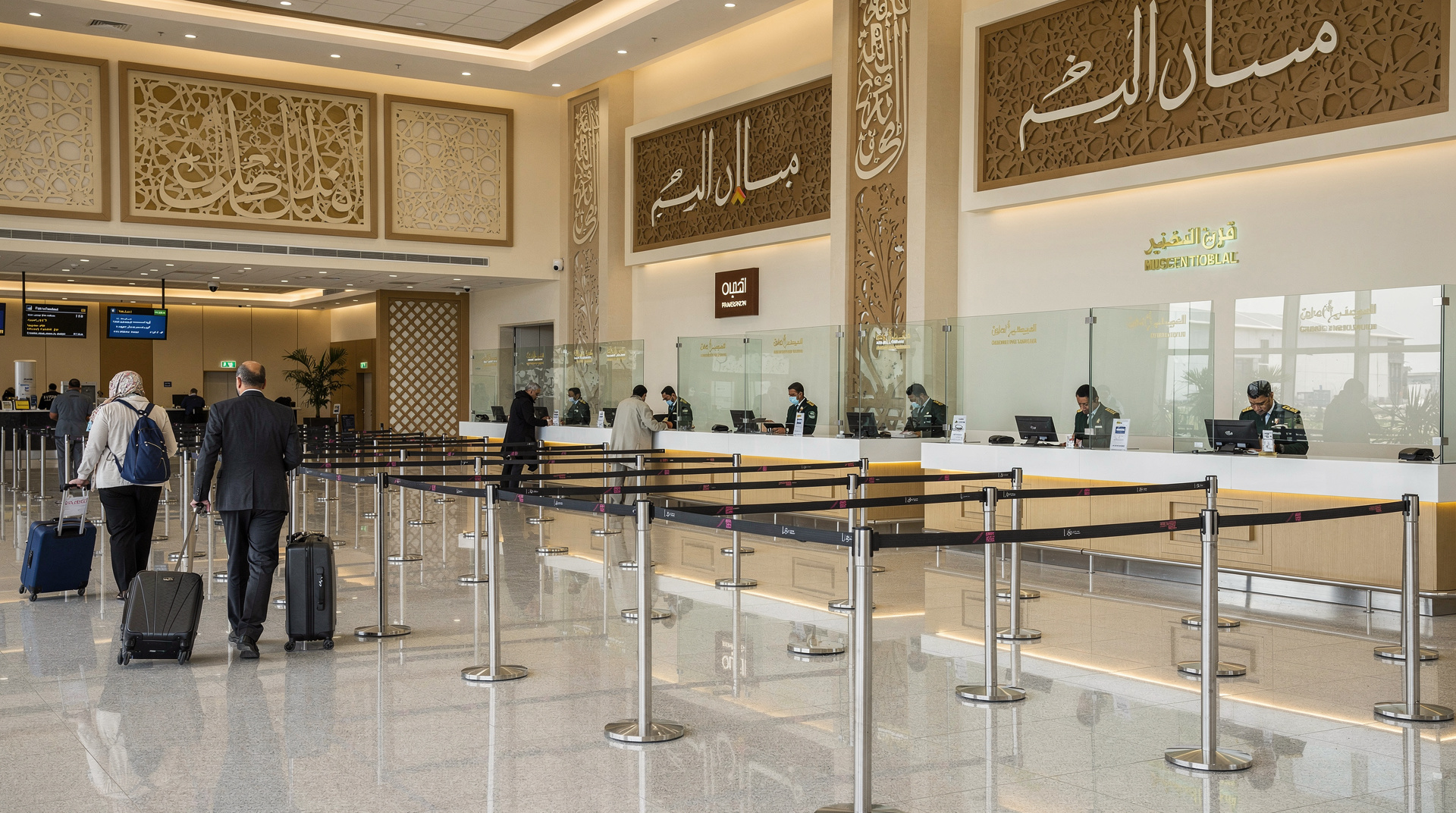
The duty-free shops at Muscat International Airport are open to arriving passengers. The allowance is 2 litres of spirits or wine per adult, non-Muslim, aged 21 or over. The selection is good and prices are competitive with European duty-free. This is genuinely the most convenient way for tourists who want access to alcohol outside hotel bars.
The allowance applies per arrival — if you leave and return, you can bring in another 2 litres.
Standalone Liquor Stores
The government-licensed bottle shops (operated by OASC and a few other licensed companies) technically exist, but they are primarily aimed at Oman residents who hold a permit. Tourists generally cannot access these without a residency card. Do not rely on them as a tourist option.
What to Expect Day-to-Day
Walking through Muscat’s souqs, markets, and old town districts, alcohol is entirely absent and invisible. This is normal. Restaurants outside hotels serve soft drinks, juices, and Arabic coffee — excellent ones at that, and our Omani coffee culture guide is worth reading before you go, since coffee ceremony is a genuine highlight rather than a consolation prize. The dining culture here is genuinely world-class without alcohol being part of the picture; see our best restaurants in Muscat guide for where to eat regardless of licensing.
Licensed hotel bars feel like hotel bars anywhere. They are professional, often well-stocked with international brands, and occasionally atmospheric — particularly rooftop bars in Muscat with views over the Gulf. Prices are comparable to Western Europe rather than the inflated Gulf-hotel rates you might expect.
Matching Your Accommodation to Your Drinking Plans
Because access to alcohol follows your hotel, the most useful decision you can make is where to sleep. Travelers who want an evening drink without effort should anchor at least part of the trip in a larger hotel. Those who care little about it can choose a guesthouse, a mountain lodge or a desert camp for its character and simply accept that the evening will be alcohol-free.
A common and sensible pattern is to split the trip. Spend the first or last nights in a licensed hotel in the capital, where you can unwind with a drink after a long flight or before heading home, and spend the middle of the journey in smaller, drier places that offer something a bar never could: silence, stars and a view. Our Muscat city guide helps you decide which part of the capital suits you, and where to stay in Muscat compares the options.
If you are drawn to the luxury end of the market, many of the resorts covered in our best luxury resorts in Oman and top 10 luxury hotels pages have bars, lounges or restaurants that serve alcohol, but policies differ from property to property. Treat any list as a starting point and confirm directly with the hotel.
Mountains, Desert and Remote Stays
Away from the coast, the picture changes. A stay in the mountains, such as at Jebel Akhdar, or a night among the dunes in Wahiba Sands, usually means a quiet evening of tea, dates and conversation. Camps and rural lodges are not designed around bars, and many guests find that this is part of the appeal. If you are planning a night in the sands, our guides to overnight desert camping and luxury desert camps describe what the evenings are really like.
The same applies to the road. If your itinerary follows a long road trip through small towns, expect the dining stops to be dry and plan any drink for the days you return to a larger hotel. Remember too that carrying open alcohol in a vehicle is a problem, so keep it out of the car whenever possible. Our renting a car in Oman guide covers other practical rules of the road.
Enjoying the Evening Without Alcohol
Many visitors arrive worried that an alcohol-free evening will feel flat. In practice, the evening rhythm in Oman gives you plenty to do. After the heat of the day eases, families head out for walks along the waterfront, the souqs come alive, and cafés fill with people sharing coffee and sweets.
Some ideas for evenings that need no licence at all:
- A sunset on the water. A dhow cruise in Muscat is one of the most relaxing ways to end a day, and the pleasure comes from the light on the Gulf rather than from what is in your glass.
- A wander through the lanes of Muttrah souq, stopping for fresh juice, spiced tea or a dessert such as Omani halwa.
- A performance at the Royal Opera House, which gives the capital an elegant cultural evening that does not depend on a bar.
- A slow dinner built around local dishes, such as those in our Omani food guide and our page on shuwa, the traditional slow-cooked lamb.
- Quiet time at a spa. See our wellness and spas guide for ideas that suit a calmer pace.
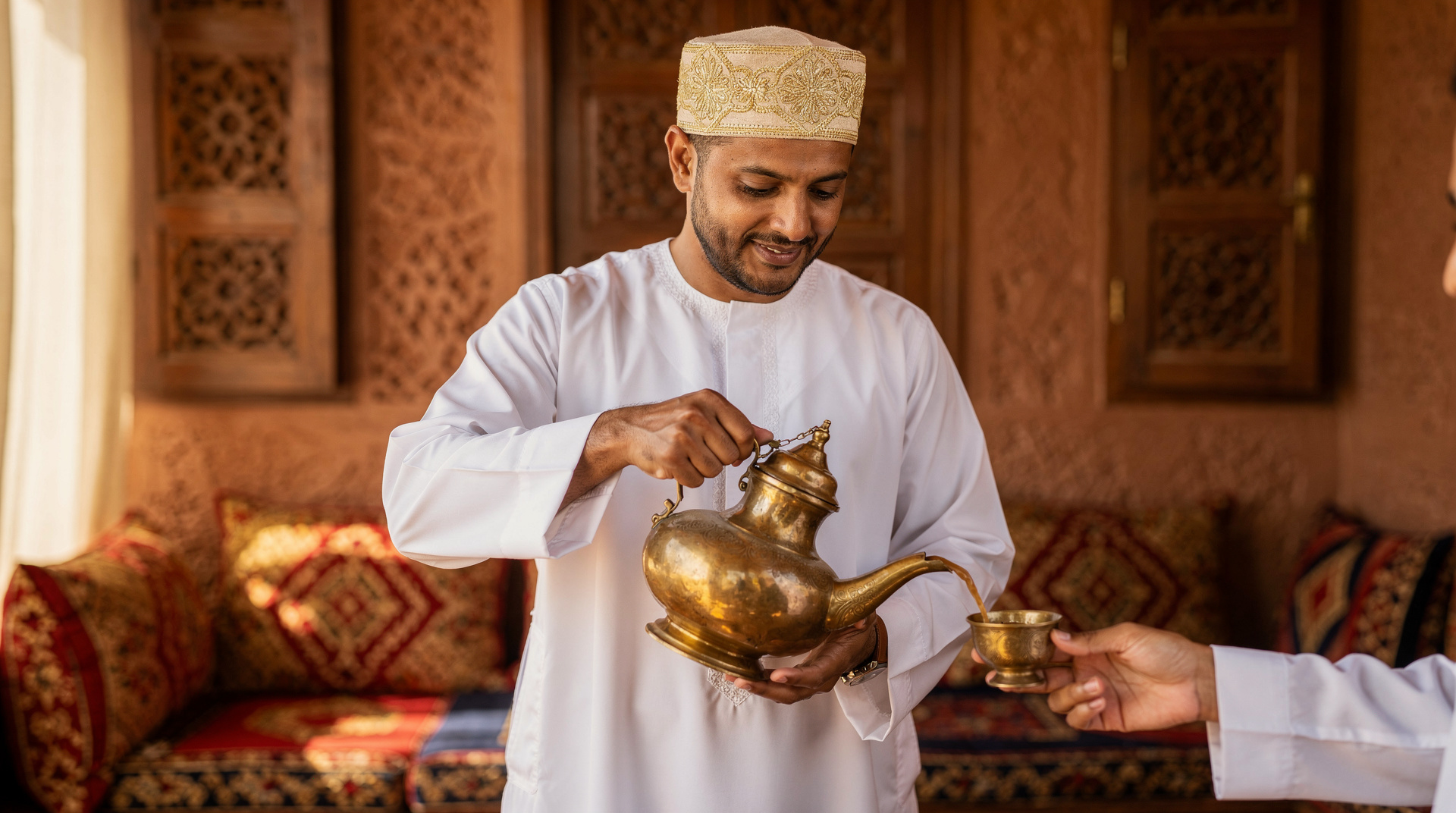
Fresh juices, lemon and mint drinks, cardamom-scented coffee and sweet tea are everywhere, and they are served with real generosity. Accepting a cup from a host is a small but meaningful social gesture, and the ritual itself is part of what many travelers remember most.
Etiquette Around Alcohol
Even where alcohol is legal, how you behave around it matters. A few habits help you stay on the right side of local expectations.
First, discretion. Keep drinking inside the licensed venue where it was served. Do not carry open drinks into lobbies, corridors or outdoor areas that are not covered by the venue’s licence. If you buy bottles at the airport, keep them in your luggage until you reach your room.
Second, dress and demeanour. The rules about modest clothing do not switch off at the hotel bar door. Our dress code guide explains what is appropriate in different settings, and our Oman etiquette and culture guide gives a wider sense of the values behind the rules.
Third, respect for those who do not drink. Most Omanis do not consume alcohol, and many will be happy to share a meal with you without any expectation that you will join them in abstaining or drinking. Never press alcohol on a local host or fellow guest, and never assume that a restaurant owner will welcome your own bottle.
Finally, remember that drinking in a hotel room is a private matter, but noise and visible excess are not. Staff in licensed hotels are used to international guests, yet they appreciate those who keep a low profile.
Safety, Driving and Common Sense
The legal approach to alcohol and driving is strict, and the simplest way to follow it is never to combine the two. If you plan an evening at a hotel bar, arrange a taxi or a hotel transfer in advance, or leave the rental car at the hotel. Our getting around Oman guide explains the transport options, and our Oman safety tips page covers the wider picture of staying safe.
Alcohol and the outdoors do not mix well either. Many of the country’s best experiences involve water, heights or rough terrain, such as wadi swimming, mountain walks and dune bashing. Those activities demand a clear head and, in the heat, good hydration. Save any drink for the end of the day, after the activity is finished.
If you are travelling alone, it is worth reading our advice for solo travel in Oman and for women travelling in Oman, which cover evenings out and how to feel comfortable in different venues. Travel insurance is also worth a look: our travel insurance guide explains what to check before you go.
Planning by Type of Traveler
Different trips call for different approaches, and a short summary helps you choose.
Couples. A romantic evening in Oman rarely needs a bar, but a celebratory glass at a licensed hotel can be part of an anniversary or honeymoon. Our Oman for couples guide and the honeymoon blog post suggest where to put your effort.
Families. Travelling with children usually shifts the focus away from bars entirely, and the daily rhythm of beaches, forts and wadis leaves little room for them. See Oman with kids for ideas.
Budget travelers. Choosing simple accommodation saves money but removes bar access, so decide early which matters more. The Oman budget guide helps you weigh the trade-off.
Culture-focused visitors. If your trip centres on forts, markets and villages, you will hardly notice the absence of alcohol. Our Oman forts guide and Nizwa fort and souq guide show how much there is to fill your days.
Visitors during Ramadan. The month changes the rhythm of the whole country, and alcohol service is part of that. Read our Ramadan travel guide well before booking.
Common Myths
Myth: You can just nip to the supermarket for a bottle of wine. This is not Oman. Alcohol is not available in supermarkets under any circumstances. Plan in advance.
Myth: All restaurants in tourist areas serve alcohol. Many excellent restaurants in Oman’s tourist districts are entirely dry. This is not a problem — the food is outstanding — but if you want wine with dinner you need to either book at a hotel restaurant with a license or choose your venue carefully.
Myth: Drinking quietly on the beach at night is fine. The law applies equally at night. Public drinking outside licensed venues is an offence regardless of how discreet you are.
Myth: Oman is liberalizing rapidly and restrictions will be lifted soon. Oman’s alcohol regulations have been broadly stable for years and are not expected to change significantly in the near future. Plan for the current framework.
Practical Planning Tips
Research your hotel’s bar before booking if alcohol access matters to you. Most hotel booking platforms list whether a bar or restaurant is on-site, but confirm directly that it holds a license rather than just serving soft drinks.
Use your duty-free allowance strategically. If your itinerary includes nights in very remote areas or budget accommodation, bring your 2-litre allowance and you will be self-sufficient.
Respect local sensibilities. Even in licensed venues, loud or disruptive drunk behavior is not tolerated and draws attention in ways that might not go well. Oman’s social culture values restraint and dignity in public spaces, and this includes licensed bars.
If you are comparing Oman with a more permissive Gulf base for your trip, our Oman vs Dubai guide covers the practical differences, including alcohol access, and our Oman budget guide breaks down how hotel choice affects overall trip cost, not just bar access.
A Sample Approach for Your Trip
To make the advice concrete, here is one way to think about the whole journey. Begin with a night or two in a licensed hotel in the capital, using the time to recover from travel, explore the corniche and the souq, and enjoy a relaxed first dinner. Our 3-day Muscat itinerary fits well with this approach.
Then move inland or along the coast for the heart of the trip. A route such as the 7-day classic Oman itinerary passes through forts, wadis and desert, where the evenings are quiet and alcohol is rarely on offer. If you have more time, the 10-day grand tour gives room to alternate between licensed and unlicensed stays, so you can have a drink on some nights and enjoy a purely traditional setting on others.
Finish with a final night in a larger hotel before your flight, so that the end of the trip has the same comfort as the start. Keep your plans flexible, and remember that the best memories of Oman rarely come from a bar. They come from the people, the landscapes and the food, and these are available to every traveler, whether or not they drink.
If you are choosing between destinations for a trip where evening drinks matter, our comparison of Salalah and Muscat and our Oman vs Dubai article can help you decide how much weight to give it.
Frequently asked questions about Alcohol in Oman: Where to Drink Legally
Is alcohol legal in Oman?
Alcohol is legal in Oman for non-Muslim adults aged 21 and over. It is sold at licensed venues including hotels rated 4 stars and above, licensed restaurants, and a small number of standalone bars. However, Oman is not a drinking destination — venues are fewer and more restricted than in Dubai or Bahrain, and alcohol is never sold in supermarkets or convenience stores.Where can tourists buy alcohol in Oman?
Tourists can purchase alcohol at hotel bars and restaurants with a liquor license (mainly 4- and 5-star properties), licensed standalone restaurants and bars, and the Oman Aviation Services Company (OASC) liquor stores, which require a permit. Duty-free at Muscat International Airport is your most straightforward option — you can bring in 2 litres of spirits or wine per adult on arrival.Can I buy alcohol at a supermarket in Oman?
No. Alcohol is not sold in Lulu, Carrefour, or any mainstream supermarket in Oman. This is a key difference from UAE, where large supermarkets in some emirates stock wine and beer. In Oman, you must go to a licensed hotel bar, restaurant, or one of the government-licensed standalone bottle shops, and these require a residency permit to access.Which hotels in Muscat serve alcohol?
Most 4- and 5-star hotels in Muscat have bars or restaurants with liquor licenses. These include large chains such as Marriott, InterContinental, Sheraton, Kempinski, and Shangri-La. Boutique hotels and budget properties typically do not serve alcohol. Always check with your specific hotel before booking if access to alcohol is important to you.Can I drink alcohol at the beach in Oman?
No. Drinking alcohol on public beaches is illegal in Oman, even on your own towel. The law applies to public spaces generally. You can drink by the pool or on the beach terrace at a hotel that has a liquor license covering its outdoor areas, but bringing your own alcohol to a public beach is not permitted.What happens if tourists break Oman's alcohol laws?
Penalties can include fines and in serious cases detention. Drunk and disorderly behavior in public, driving under the influence, or bringing alcohol into prohibited areas are treated seriously. Oman has a zero-tolerance policy for drunk driving and the legal limit is effectively zero. Keeping your drinking to licensed hotel venues and behaving discreetly eliminates virtually all risk for tourists.Is alcohol served during Ramadan in Oman?
Alcohol service is significantly restricted during Ramadan. Most hotels will not serve alcohol during daylight hours, and some suspend service entirely for the month or limit it to late evening in specific areas. If you are visiting during Ramadan and alcohol access matters, confirm policies with your hotel in advance. Discreet consumption in your hotel room from duty-free purchases is generally overlooked but publicly flaunting alcohol during Ramadan is very bad form.Can I bring my own alcohol to Oman?
You can bring up to 2 litres of wine or spirits (or 24 cans of beer) duty-free per adult when arriving by air. This must be declared and you must be non-Muslim and aged 21 or over. You cannot import more without paying heavy duties, and importing alcohol by land from UAE is prohibited. Alcohol cannot be brought into Oman as a gift or courier item.Are there dry areas or regions in Oman where alcohol is completely unavailable?
Musandam, the northern exclave on the Strait of Hormuz, has historically had very limited licensed venues. Remote interior regions, villages, and most budget accommodation outside major cities will have no alcohol at all. Salalah has licensed hotels but far fewer than Muscat. In practice, if you are staying anywhere outside a 4-star hotel, assume alcohol is unavailable.What should I do if I want alcohol but my hotel doesn't serve it?
Your best options are visiting the bar at a nearby licensed hotel (which is open to non-guests in most cases), dining at a licensed restaurant, or using your duty-free allowance to bring in 2 litres on arrival. The airport duty-free shops at Muscat are well-stocked. Budget and mid-range travelers who want a drink with dinner should plan accommodation accordingly or do their research on nearby licensed venues before booking.
Top experiences
Bookable activities with verified prices and instant confirmation on GetYourGuide.
 📍 Muscat
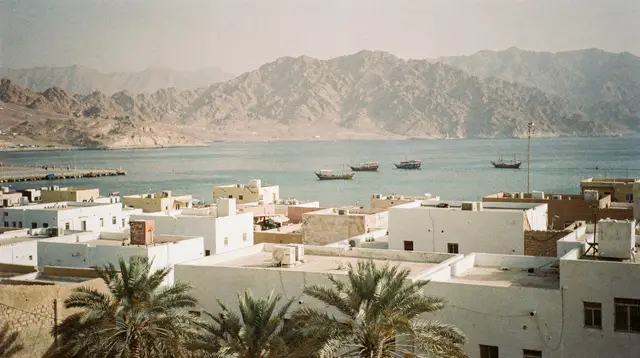
Muscat: half-day city tour
- Free cancellation
- Instant confirmation
- Hotel pickup
 📍 Muscat
Muscat: Omani traditional dhow sunset cruise
- Instant confirmation
- Pickup included
- Best seller
 📍 Salalah
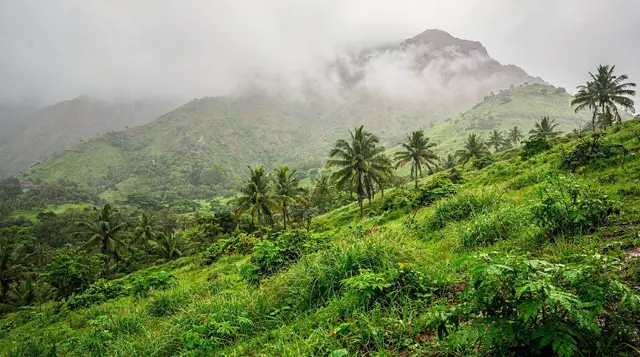
Salalah: highlights tour of heritage sites, markets and beach
- Free cancellation
- Hotel pickup
- English guide
 📍 Khasab
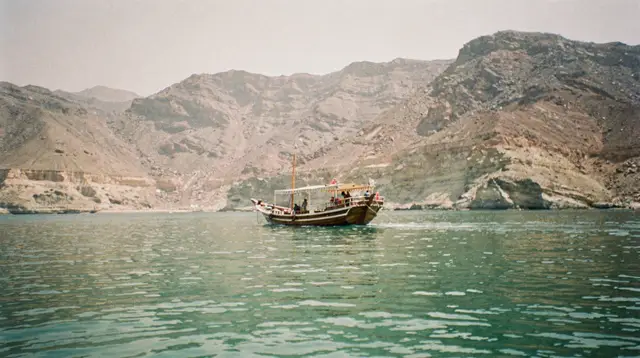
Khasab: half-day dhow cruise, dolphin watching, and snorkeling
- Instant confirmation
- Pickup included
- Best seller
 📍 Nizwa
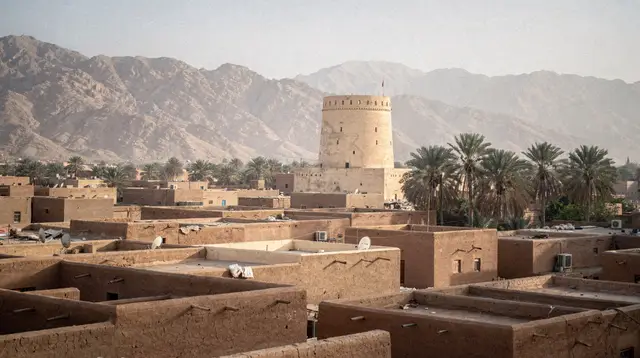
Muscat: explore Nizwa Fort and Souq + Jebel Akhdar
- Free cancellation
- Hotel pickup
- English guide