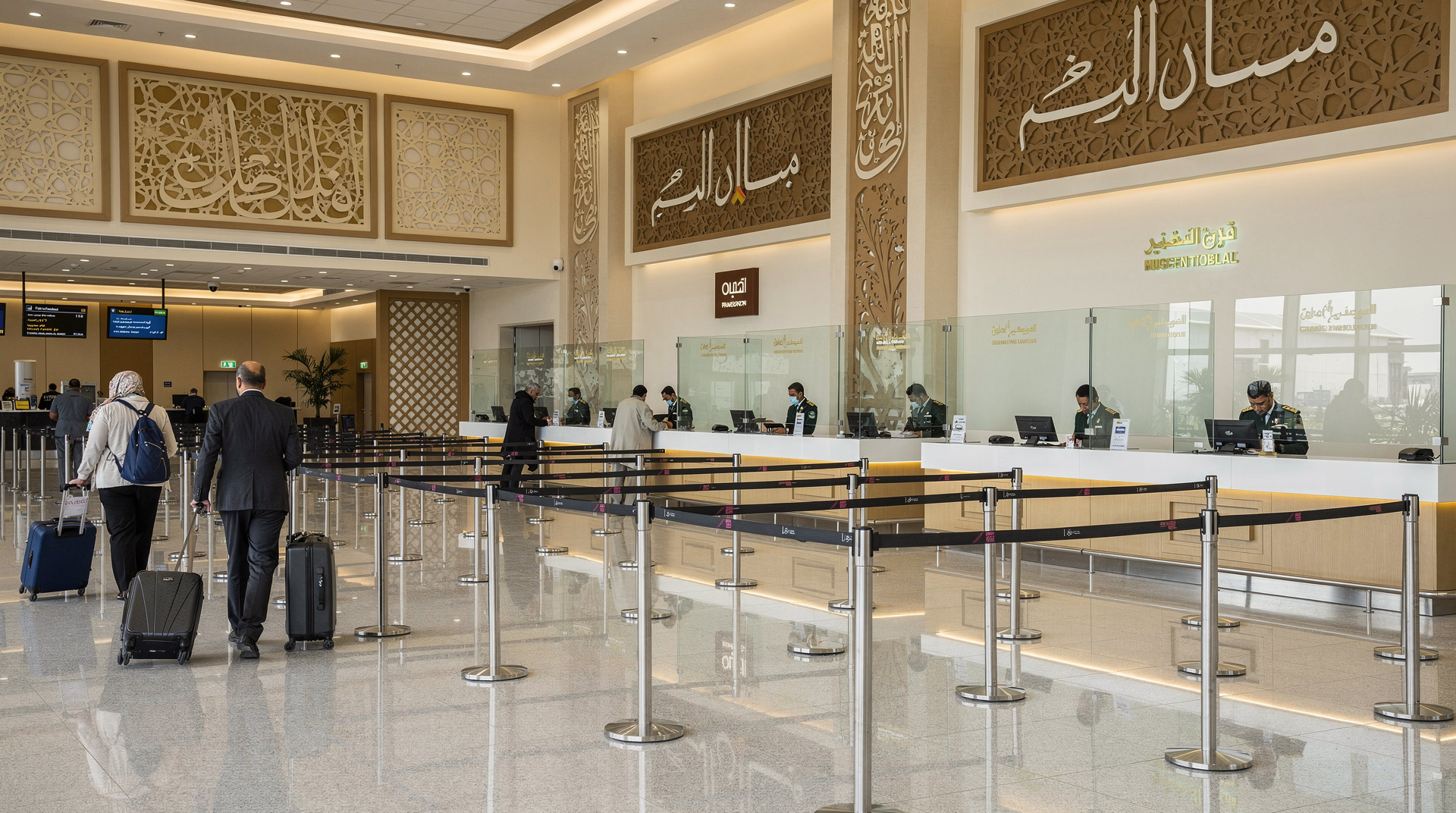
Is Oman Safe for Women? Solo Travel and Cultural Tips
Muscat: half-day city tour
Duration: 4 hours
- Free cancellation
- Instant confirmation
- Hotel pickup
Is Oman safe for women travelers?
Yes — Oman consistently ranks as one of the safest countries in the Middle East and among the top globally for solo female travelers. Violent crime against tourists is extremely rare, and respectful behavior from locals is the norm.
The Reality of Traveling Oman as a Woman
Oman does not get the international attention of Dubai or Jordan, but among experienced female travelers in the region, it has a strong reputation as one of the most relaxed and welcoming destinations in the Arab world. The country consistently appears in safety indexes for women, and the anecdotal consensus from travelers matches the data.
This is not a country without challenges — cultural norms exist and ignoring them creates friction — but the baseline level of safety, respect, and hospitality that visitors encounter here is genuinely high.
Oman for Women Travelers: At a Glance
| Factor | What to expect |
|---|---|
| Overall safety perception | Consistently ranked among the safest countries in the Middle East for women |
| Harassment risk | Low compared to regional norms — curious glances, rarely anything aggressive |
| Emergency number | 9999 (police, ambulance, fire), works nationwide |
| Solo-friendly base cities | Muscat, Nizwa, Salalah — see the Muscat city guide |
| Essential item to pack | A lightweight scarf for mosque visits and conservative villages |
| Driving alone | Fully legal and common; see getting around Oman |
| Best first-time solo window | October to April, when temperatures are easier to manage |
Practical Context
Legal Framework
Oman has no dress code laws targeting tourists. Women are not required by law to wear headscarves, abayas, or any specific clothing outside of religious sites. The country has made deliberate effort to welcome international visitors without imposing strict behavioural rules.
That said, local laws around public behavior do apply. Public displays of affection are discouraged. Alcohol is restricted to licensed venues. Dress that would be considered deliberately provocative in a conservative context can attract attention even if it breaks no law.
Transport and Getting Around
Oman’s road infrastructure is excellent. Rental cars are widely available, women face no restrictions on driving, and major routes are well-maintained and signposted. Ride-hailing apps (Careem and local alternatives) operate in Muscat and make independent navigation very easy.
Intercity transport is less developed. Long-distance buses exist but are infrequent. Taxis should always be metered or price-agreed in advance — apps eliminate the negotiation entirely. If you would rather not drive yourself, renting a car with a driver for a few days is a common compromise; our renting a car in Oman guide covers both self-drive and driver-inclusive options.
Accommodation
Hotels at all price points routinely accommodate solo female guests without question. Muscat has a solid range of well-reviewed hostels with women-only spaces. In more rural towns, guesthouses are family-run and generally conservative in atmosphere — entirely safe but quieter in terms of social life. Packing right matters as much as picking the right hotel — our Oman packing list and dress code guide cover exactly what to bring and wear.
What to Expect Day-to-Day
In souqs and markets, vendors are typically professional. Curiosity and friendly conversation are common — Omanis are genuinely curious about where visitors are from — but this very rarely crosses into unwanted territory. A polite but firm response to any unwanted attention is usually sufficient.
At religious and historical sites, the dress requirements are real and enforced. Staff at entrances will advise you if your clothing is not appropriate. Bringing a light scarf in your bag solves the headscarf situation instantly — this matters most at the Sultan Qaboos Grand Mosque, where non-Muslim women can visit during set hours in an abaya and headscarf.
At beach resorts, hotel pools, and tourist areas near the coast, atmosphere is significantly more relaxed. Western dress norms are entirely normal at these venues.
Choosing Where to Start as a Woman on Your Own
Where you begin shapes how the whole trip feels. Most women who write about their first solo week in Oman say the same thing: the country rewards a gentle start. Muscat is the natural entry point because everything is familiar enough to settle your nerves. The corniche is easy to walk, taxis and ride-hailing are simple to use, and there are plenty of cafés where you can sit alone without anyone paying attention. Our Muscat city guide lays out the districts, and the where to stay in Muscat page helps you pick a neighborhood that suits a solo traveler, with easy access to restaurants and a short, comfortable walk back at night.
The Muttrah souq is a good first lesson in how markets work here. Vendors call out, offer tea and ask where you come from, and then let you browse. A smile and a polite “no thank you” ends any pitch. Nobody follows you down the lane. If you want company for a first outing, the dhow cruise at sunset puts you on a boat with other travelers and a crew used to looking after guests, which makes it a relaxed way to meet people without any pressure.
After a few days in the capital, many women move inland to Nizwa. The Nizwa fort and souq guide explains how to spend a morning there, and the Nizwa day trip from Muscat works well if you prefer to keep a single base. Salalah is the other comfortable choice, especially if you are drawn to green landscapes; the Salalah complete guide covers it, and where to stay in Salalah helps with choosing a quiet, well-reviewed place. In each of these towns you will notice the same pattern: families out walking, shopkeepers who greet you warmly, and a general sense that visitors are guests to be looked after.
Reading the Room: Small Habits That Make a Difference
Safety in Oman is mostly about fitting in with the rhythm of the place, and a few habits do most of the work.
Watch what local women are wearing and take your cue from them. In cities you will see a wide range, from abayas to ordinary long sleeves and trousers. Aim for the covered, comfortable end of what you see and you will rarely draw a second look. The Oman etiquette and culture guide explains greetings, the way men and women may or may not shake hands, and why a hand placed over the heart is a perfectly polite alternative. If a man does not offer his hand, do not take it personally; it is a sign of respect, not coldness.
Eye contact and conversation are normal, but you set the tone. A friendly, brief reply is fine. If a conversation goes on longer than you want, say that you have to meet someone, thank the person, and keep walking. Omanis generally accept this without offence. In shops and taxis, sitting in the back seat is common for women traveling alone and nobody finds it strange.
Public behavior matters too. Affection in public is discouraged, and photographs deserve care: always ask before photographing a person, and be especially considerate with women and children. The photography guide for Oman goes through what is welcome and what is better left alone. Planning to relax with a drink after a long day? Read the alcohol in Oman guide first, since it is limited to licensed venues, and hotel bars are usually the most comfortable choice for a woman on her own.
Finally, trust your instincts the way you would at home. If a situation feels uncomfortable, leave it, move toward other people, and ask a hotel receptionist or shop owner for help. Staff at hotels and guesthouses are very used to assisting solo guests and will often call a trusted taxi for you without being asked.
Getting Out of the City Safely
The countryside is where Oman shines, and it is also where a little planning counts. The risks outside towns are practical rather than social: distance between services, heat, rough ground and sudden weather.
If you drive, read the Oman road trip planning guide and the renting a car in Oman guide before you pick up the keys. Fill the tank whenever you pass a station, keep water in the car, and save your route offline. The scenic drives in Oman page is useful for choosing routes that are well traveled rather than isolated. If you would rather not drive, the multi-day tours in Oman option lets you travel with a guide and a small group, which many solo women find to be the most relaxing way to see the interior.
Wadis are a highlight, and the top 10 wadis in Oman page helps you choose. Swimming spots are often visited by families and mixed groups, so a modest swimsuit under a loose top and shorts is common, and a quick-dry cover-up is handy for the walk in. Check conditions before you go, because rain far away can send water down a dry valley. The Wadi Shab complete guide explains the walk and the swim in detail.
Desert nights deserve the same care. The Wahiba Sands desert safari and the overnight desert camping guides describe organized camps where staff, guides and other guests are close by. For a first visit this is far more comfortable than sleeping alone in a remote spot, and it removes the question of what to do if the vehicle gets stuck.
Staying Connected and Prepared
A few small preparations remove most worries. Save the emergency number and your accommodation address before you set out. Tell the hotel desk or your host where you are going for the day and when you plan to return. Keep a copy of your passport and insurance details on your phone. Read the Oman visa guide well before departure so that arrival is smooth, and keep your first night booked so you land with a place to go.
Timing also helps. Arriving in daylight, especially on your first trip, makes the transfer to your hotel calmer. If your flight lands late, arrange a pickup through the hotel in advance. The best time to visit Oman guide explains how the seasons affect comfort, which matters because heat can wear you down and make everything feel harder than it is.
During Ramadan, daily life changes: daytime eating and drinking in public is discreet, and opening hours shift. The Ramadan travel in Oman guide explains how to adapt, and many women find it a special time to visit as long as they plan around the different rhythm.
If you want to read other women’s experiences before booking, our blog post on solo female travel in Oman collects practical advice, and the guide to solo travel in Oman by destination breaks the country down region by region. For couples or mixed groups, Oman for couples covers a different set of questions. When you are ready to build a route, the 7-day classic Oman itinerary is a sensible, well-paced template that you can shorten or stretch to match your comfort level.
Common Myths
Myth: Oman is as restrictive as Saudi Arabia. Completely false. The two countries have very different legal and social frameworks for visitors. Oman has never required women to wear abayas in public, and the social atmosphere is considerably more relaxed.
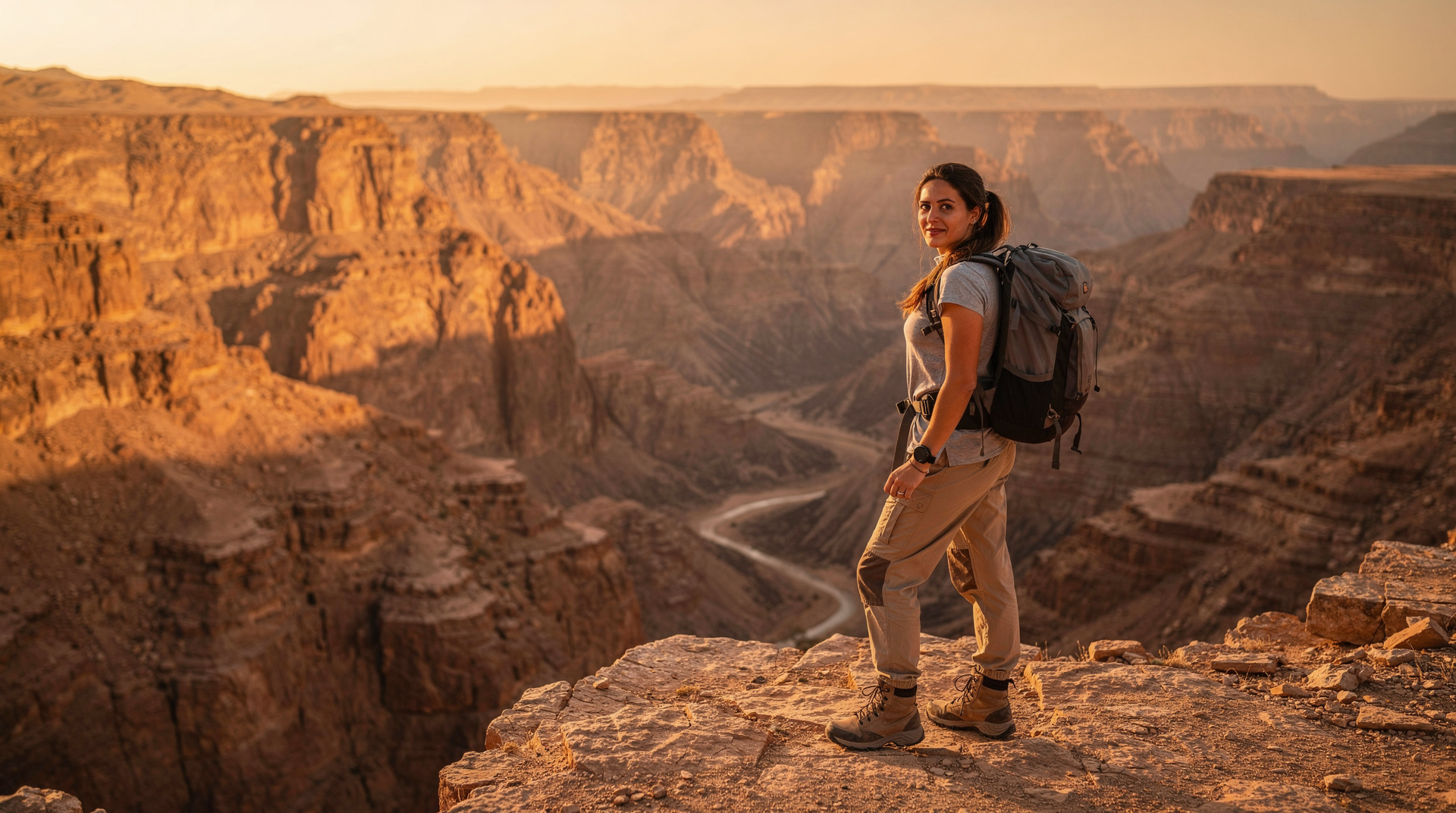
Myth: Solo women cannot access the desert or mountains. Also false. Organized desert tours, mountain hikes, and wadi excursions are all accessible to solo female travelers. The practical constraints are environmental (heat, terrain) rather than social.
Myth: You need a male companion to check into a hotel. Not true. Solo female guests are accommodated routinely at hotels throughout the country. This question does not arise in practice at tourist-facing accommodation.
Myth: Women cannot enter any mosques. Partially false. The Sultan Qaboos Grand Mosque in Muscat welcomes non-Muslim visitors of all genders during specific hours, with appropriate modest dress.
Planning Your Trip
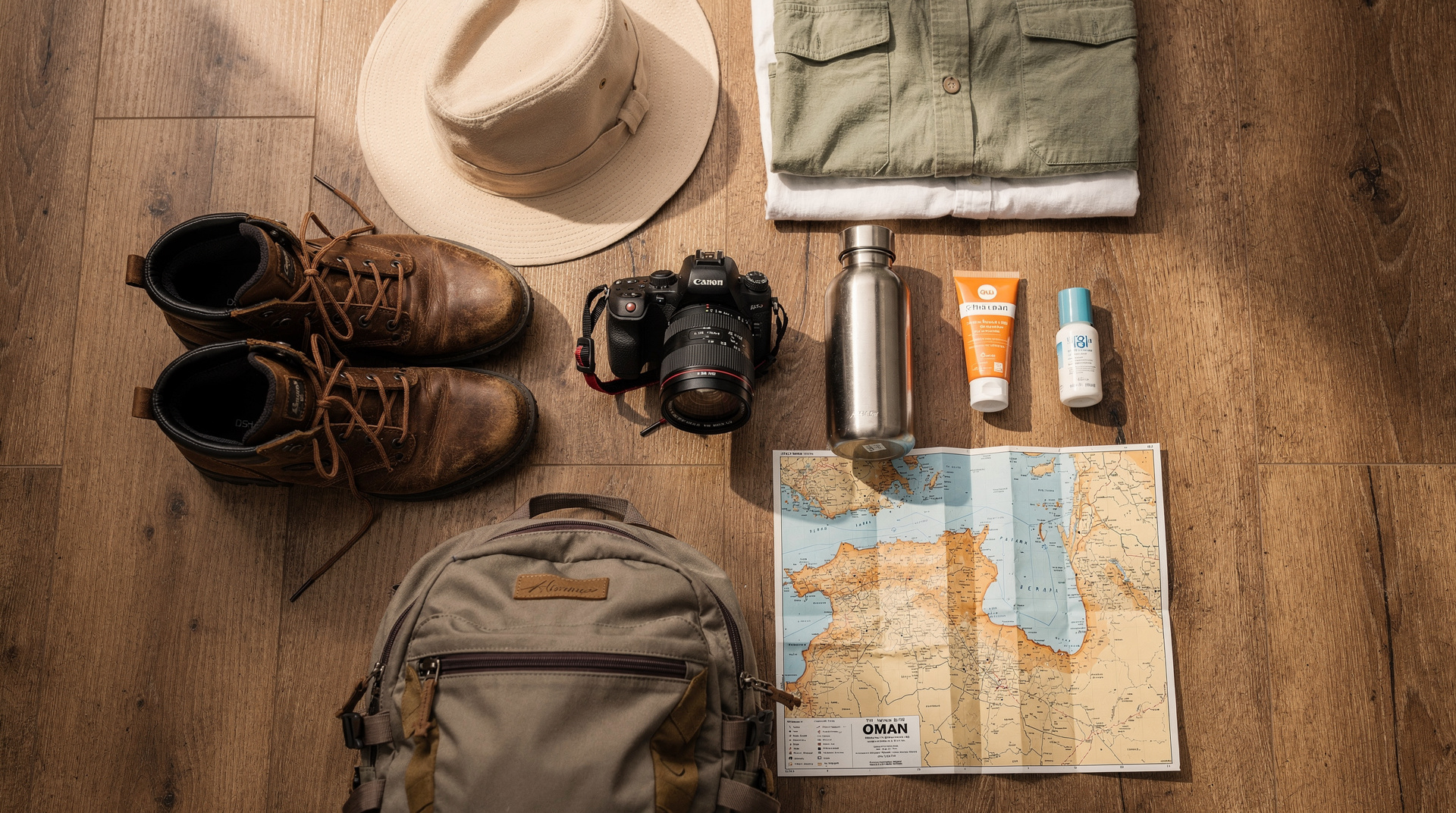
The single most important preparation for a solo female visit to Oman is packing the right clothing. Light, loose trousers or maxi skirts, tops that cover the shoulders, and a versatile scarf cover the vast majority of situations you will encounter. Pack this before you arrive and the cultural navigation becomes very straightforward.
Beyond clothing, the usual solo travel preparation applies: share your itinerary with someone at home, keep your phone charged, have your accommodation addresses saved offline, and carry some cash as backup. A local eSIM (see our Oman SIM card and eSIM guide) makes it much easier to stay reachable and use maps in areas with patchy signal. Oman is not a country that requires elaborate safety planning — but basic preparation makes any trip smoother. Our broader Oman safety tips guide covers general precautions that apply to every traveler, not just women.
Frequently asked questions about Is Oman Safe for Women? Solo Travel and Cultural Tips
Is Oman safe for solo female travelers?
Oman is widely considered the safest country in the Arab world for solo female travelers. Crime rates are very low, harassment is uncommon compared to other regional destinations, and locals are generally respectful and helpful. Many women travel alone throughout Oman without incident each year. The key is dressing modestly and following basic common-sense precautions you would apply anywhere.Will I be harassed as a woman in Oman?
Harassment is far less common in Oman than in many other Middle Eastern destinations. Omani culture places great emphasis on hospitality and respect. Catcalling, following, or aggressive behavior toward tourists is socially frowned upon. In tourist areas and cities, you are unlikely to experience anything beyond curious glances. Remote areas and public transport at night deserve the same caution you would apply anywhere.What should women wear in Oman?
There is no legal dress code for tourists, but modest dressing is strongly recommended. In cities and markets, covering your shoulders and knees is sufficient — loose trousers and a light shirt or linen dress work well. At mosques and religious sites, you will need to cover your head, arms, and legs fully, and shoes must be removed. At beach resorts and hotel pools, swimwear is entirely acceptable. Avoid revealing clothing in souqs, markets, and rural villages.Can women drive alone in Oman?
Absolutely. Women can drive freely throughout Oman and face no legal or cultural restrictions. Renting a car is an excellent way for solo female travelers to explore at their own pace. The road network is excellent, roads are well-lit, and service stations are frequent on main routes. Driving solo through the desert or mountains is very common among female visitors.Are there women-only spaces or facilities I should know about?
Some buses and public transport have designated women-only sections. Many government buildings, hospitals, and clinics have separate queues or waiting areas for women. These are helpful, not restrictive. In more conservative areas and during Ramadan, using these designated spaces is appreciated and shows cultural awareness.Is it safe to hike or explore wadis alone as a woman?
Wadi hiking in Oman is generally safe, and many women do it solo or in small groups. The main risks are not personal safety but environmental: flash floods, unstable terrain, and heat. Always tell someone your itinerary, carry plenty of water, and check weather conditions before entering any wadi. Wadi Shab, Wadi Tiwi, and Wadi Bani Khalid all attract many visitors including solo women without issues.What about staying in hostels or budget accommodation as a solo woman?
Oman has a growing range of hostels and guesthouses that are welcoming to solo female travelers. Many properties have women-only dormitories or private rooms. Budget accommodation in Muscat, Nizwa, and Salalah caters well to independent travelers. Wild camping is possible but solo camping in very remote areas warrants extra caution — camping within organized desert camps is safer and more comfortable.Can women enter mosques in Oman?
Non-Muslim women can visit the Sultan Qaboos Grand Mosque in Muscat during the specific visiting hours (Saturday to Thursday, 8am to 11am). You must wear an abaya (full-length robe) covering arms and legs, and a headscarf. Abayas can be borrowed at the entrance. Most other mosques in Oman are not open to non-Muslim visitors.Is it acceptable to travel with a man who is not my husband?
Yes. Oman does not legally require proof of marriage for couples to share hotel rooms, unlike some other conservative destinations. Hotels routinely accommodate unmarried couples. There is no requirement to prove your relationship status at checkpoints, and this question very rarely arises in practice for tourists.What are the best destinations for solo female travelers in Oman?
Muscat is the most accessible starting point — walkable waterfront, excellent museums, good transport links, and a cosmopolitan atmosphere. Nizwa is fascinating for cultural visits with a very friendly local population. Salalah during the khareef season is lush and welcoming. The Wahiba Sands via organized tours offer a safe way to experience the desert. Musandam's fjords via dhow cruise are excellent for solo travelers.
Top experiences
Bookable activities with verified prices and instant confirmation on GetYourGuide.
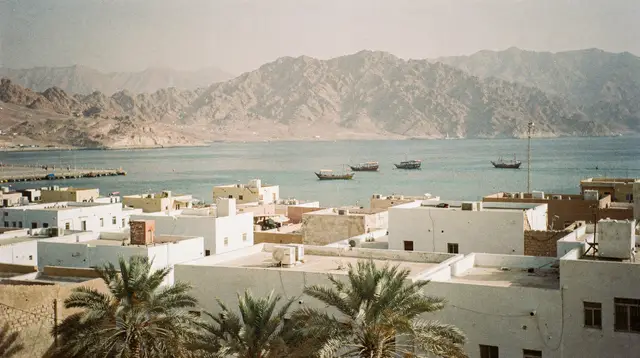 📍 Muscat
 Muscat: half-day city tour
- Free cancellation
- Instant confirmation
- Hotel pickup
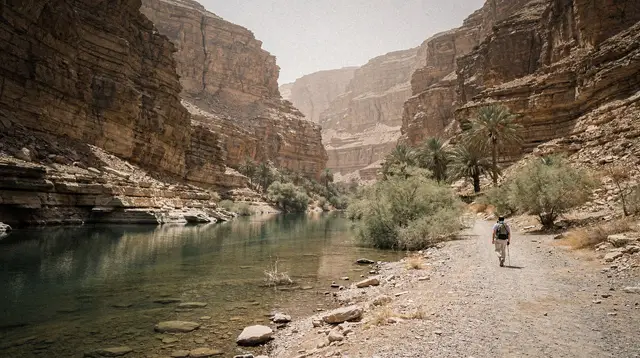 📍 Wadi Shab
 Explore Wadi Shab: hike and swim in paradise
- Free cancellation
- Pickup included
- Small group
 📍 Muscat
 Muscat: Omani traditional dhow sunset cruise
- Instant confirmation
- Pickup included
- Best seller
 📍 Nizwa
 Muscat: explore Nizwa Fort and Souq + Jebel Akhdar
- Free cancellation
- Hotel pickup
- English guide
 📍 Salalah
 Salalah: highlights tour of heritage sites, markets and beach
- Free cancellation
- Hotel pickup
- English guide