Salalah in Khareef (Jun-Sep): The Green Monsoon Season
Salalah: highlights tour of heritage sites, markets and beach
Duration: 5 hours
- Free cancellation
- Hotel pickup
- English guide
What is the khareef season in Salalah?
Khareef is the monsoon season that transforms Salalah and the Dhofar region of southern Oman from June to September each year. Cool mists, seasonal waterfalls, green hillsides, and blooming frankincense trees turn this corner of Arabia into a landscape unlike anywhere else in the Middle East.
Salalah’s Green Season: Arabia’s Monsoon Miracle
Every summer, while the rest of the Arabian Peninsula bakes in temperatures approaching 50°C, something extraordinary happens in the southern Omani governorate of Dhofar. The southwest Indian Ocean monsoon — the same system that drenches South Asia each year — pushes northward and breaks against the Dhofar mountains, transforming the landscape with an intensity that has to be seen to be believed.
Locals and Omanis call it khareef, meaning autumn or harvest in Arabic. The season runs from June through September, peaking in July and August when the green is at its most vivid and the mist and drizzle are constant. It draws enormous internal Gulf tourism — Salalah in July is Arabia’s answer to a hill station.
| At a glance | |
|---|---|
| Where | Dhofar mountains and coast around Salalah, southern Oman |
| Cost | No extra entry fee for the phenomenon itself; hotel prices rise sharply, and most heritage sites keep their usual modest ticket price |
| Time needed | 3-4 days to see the western coast, eastern wadis, and the mountain plateau |
| Getting there | 90-minute direct flight from Muscat, most practical during khareef given the traffic and mist on mountain roads |
| Best time | Late June-September, peaking in July-August; late September offers a quieter, still-green tail end |
This page is the seasonal overview. If you want the full picture of the region beyond the monsoon months, the Salalah destination page and the Salalah complete guide cover the city, the coast and the surrounding sights in more depth, while the companion khareef season guide goes further into the practical planning side. For a lighter, story-driven read on the same season, the blog post on the magical Omani summer is a good companion.
Khareef Month by Month
| Month | Conditions | Crowds |
|---|---|---|
| Mid-late Jun | Green is building, some clear days remain | Building |
| Jul-Aug | Peak mist, full waterfalls, most vivid green | Very high, book months ahead |
| Sep | Winding down, more clear days, still green | Easing, better availability |
Each month has its own character, and it helps to choose deliberately. The June end of the season suits travellers who prefer the green building up with a few clear days still on offer. July and August are the full-immersion months: mist, waterfalls and the busiest atmosphere in town. September rewards those who want the green without the same crush. If you are weighing Salalah against the rest of the country in the hot months, the Oman in summer guide puts the options side by side.
What to Expect This Season
The Mist and the Green
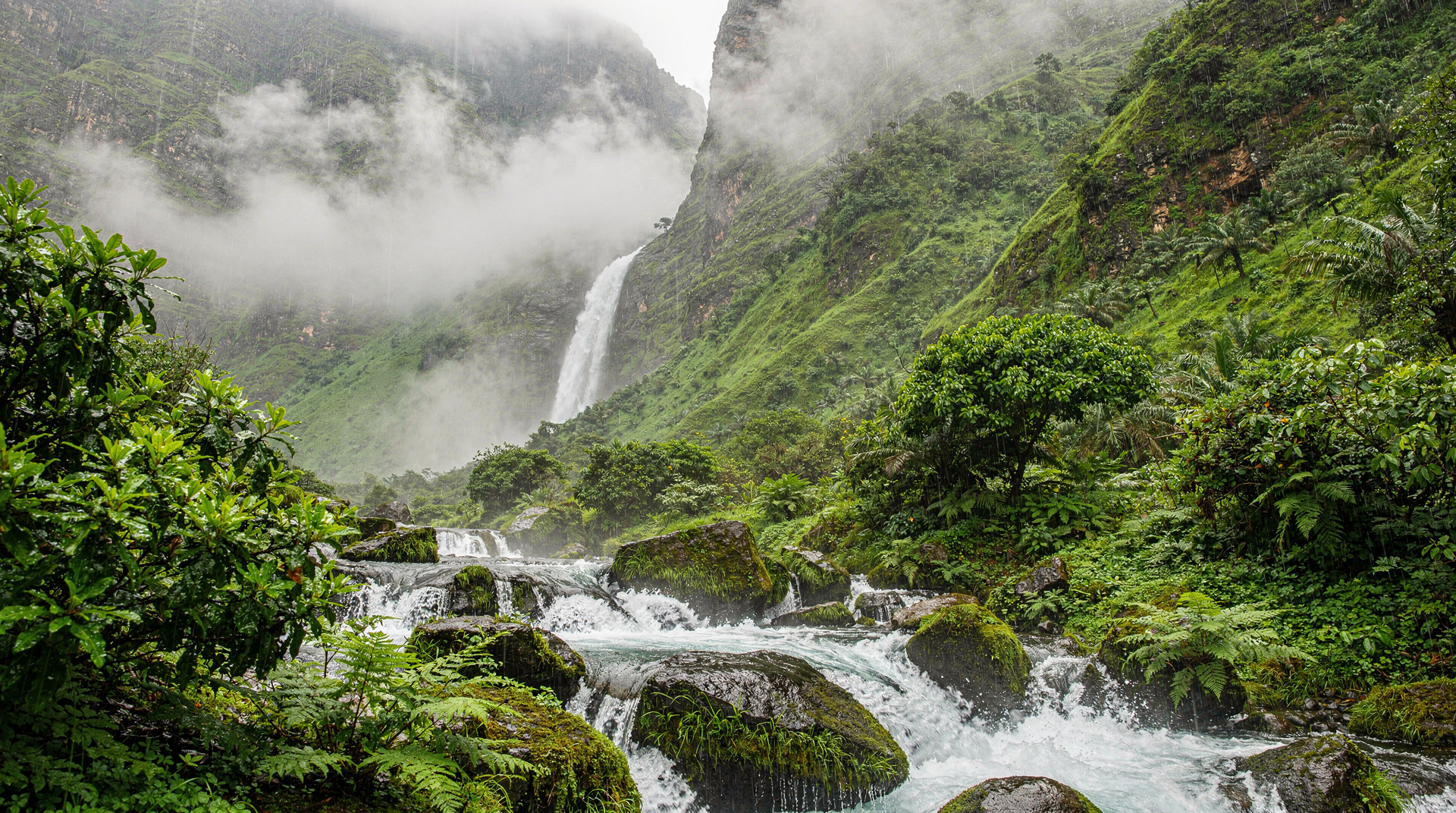
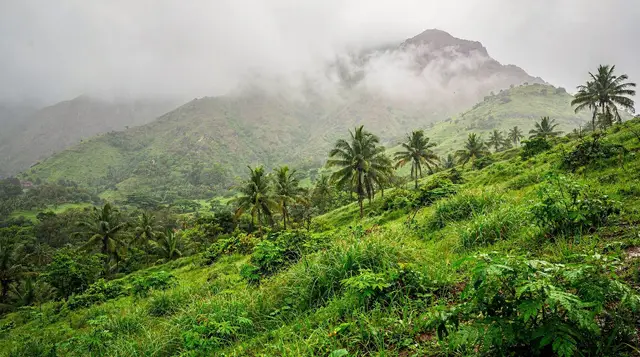
The defining atmospheric quality of khareef Salalah is the low cloud and mist. The moisture from the Indian Ocean doesn’t arrive as dramatic rainfall in most years — it rolls in as persistent fog and drizzle that keeps everything saturated. The coastal Jebel Samhan mountains, which overlook Salalah, turn an implausible shade of emerald green. Frankincense trees, which spend most of the year looking dry and struggling, explode into leaf. The plateau above the city becomes carpeted with wildflowers and grass.
The temperature drops to 20–25°C — a 15-degree difference from Muscat and a 25-degree difference from Riyadh or Abu Dhabi. For Gulf residents, this cool reprieve is the main draw.
For visitors arriving from a hot climate, the change is as much physical as visual. You can walk, picnic and linger outdoors in the middle of the day without hunting for shade, which is rare anywhere on the peninsula in summer. The air feels damp and soft rather than dry, and many travellers find that the pace of the days slows down accordingly: a long lunch, a drive through the cloud, a pause at a viewpoint to see whether the mist lifts. Treat the weather as part of the experience rather than an obstacle, and the trip tends to feel generous rather than frustrating.
The Waterfalls and Wadis
Oman’s wadis are usually dry in summer — bone-dry, in fact, with bleached rock floors. Dhofar’s seasonal wadis fill during khareef. Wadi Darbat becomes one of the most spectacular sights in Arabia: a green-walled canyon with a seasonal lake at its base, seasonal waterfalls tumbling from the clifftops, and flocks of birds including flamingos feeding in the shallows.
Ain Razat — a freshwater spring that feeds a small lake surrounded by gardens — becomes particularly lush, attracting local families and wildlife alike.
Wadis in the south are best approached with a relaxed mindset. Water levels shift with the weather, paths can be slick, and the most rewarding visits are the unhurried ones: a walk along the edge of the lake, time to watch the birds, a stop at a roadside stall for something warm to drink. For a closer look at the main site, the dedicated Wadi Darbat guide covers what to see there. If you are curious how the northern wadis compare once the heat returns, the top wadis in Oman list shows the contrast with the water-filled valleys of the south.
The Landscape
The Jebel Samhan Plateau
The mountain plateau above Salalah, accessible via the Salalah–Marbat road, is a revelation during khareef. The coastal villages perched on the edge of the escarpment are shrouded in mist, and the plateau itself — normally a dry limestone landscape — becomes thick with grass and small wildflowers. You can drive the mountain roads and barely see the Gulf of Arabia below through the cloud.
The Frankincense Landscape
Dhofar is the world’s most important frankincense-producing region, and the khareef season coincides with the trees at their most actively growing. The Boswellia sacra trees — gnarled and extraordinary-looking — dot the hillsides and plateau. Wadi Dawkah, a UNESCO-listed frankincense landscape, is accessible from Salalah and shows the trees in their full green summer splendour.
The Salalah city highlights tour with a local guide typically includes the frankincense landscape and provides essential context about the region’s history as the ancient incense trading centre.
The story behind the trees is worth knowing before you go. The frankincense trail around Salalah explains how the resin shaped the region’s trade, and the blog piece on frankincense as white gold gives the wider historical background. Seeing the trees in leaf, with the resin story fresh in your mind, makes the plateau feel far less like scenery and more like a working, living heritage landscape.
What to Do
Wadi Darbat and the Eastern Coast
The eastern tour from Salalah encompasses the most dramatic khareef landscapes. Wadi Darbat is the centrepiece — a two-to-three hour visit that takes in the canyon, the lake, and the seasonal waterfall (at its peak in July–August). Combine with Khor Rori (ancient Sumhuram ruins), the Taqah Cave, and the Mirbat coastline for a full day of khareef-specific experiences.
The Western Tour and Beaches
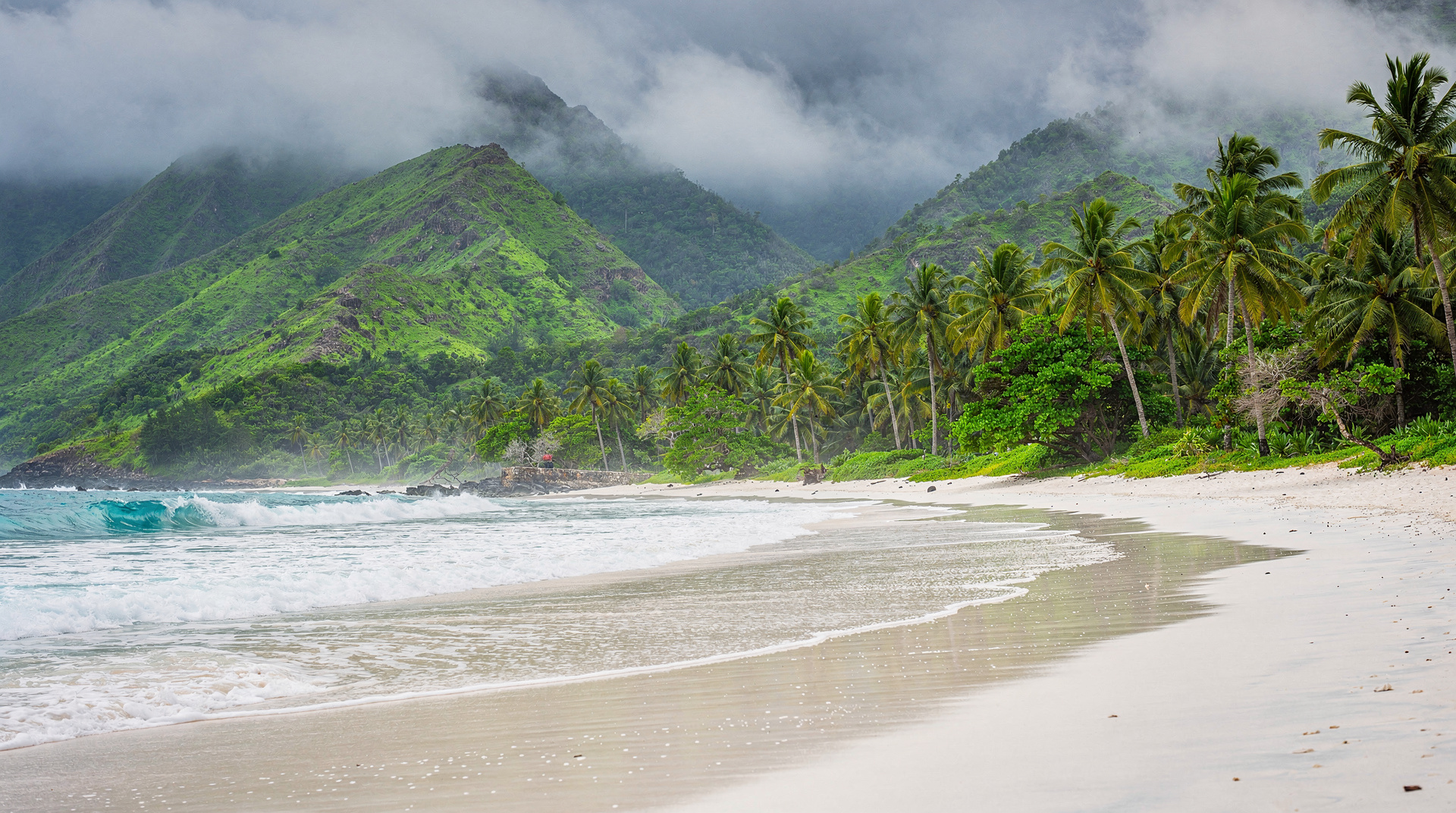
The western coast delivers Salalah’s most dramatic beach scenery. Al Mughsail Beach has the famous blowholes — where seawater is forced through natural rock funnels by wave action, creating dramatic eruptions of water and spray. These are most dramatic during khareef when the swell is highest. Fazayah Beach, further west, is completely undeveloped — a long arc of dramatic coastline with sea stacks and cliffs that looks almost Cornish in the mist.
Note that swimming at most ocean beaches during khareef is not recommended due to currents and swell. The experience is visual rather than aquatic.
If a proper beach day matters to you, the best beaches in Oman guide is a better planning tool for the calmer months, and the general Oman safety tips are worth a read before you go near any rough water. Respect the warning flags and local advice: they exist for good reason when the monsoon swell is running.
The Salalah Souq
The Al Husn Souq in central Salalah is excellent for frankincense in all its forms — raw resin, traditional burners (mabkhara), frankincense-infused products, and the local specialty of luban (liquid frankincense used as a tonic). During khareef, the souq is busy with Gulf tourists and prices for tourist items are elevated, but the atmosphere is vibrant and the frankincense selection is unmatched anywhere in the world.
Take your time with purchases. Smell the different grades of resin, ask the vendors how they are used, and compare a few stalls before buying. If you enjoy local flavours, the Omani food guide and the souvenirs and shopping guide help you decide what is worth bringing home, and the Omani coffee culture page explains the hospitality rituals you may be offered along the way.
Where to Stay
Salalah’s main hotel cluster is on the beach road between the city and the airport. Rotana Salalah, Hilton Salalah Resort, and Anantara Al Baleed Resort are the top options and book very early for July and August. The Anantara occupies the ancient Al Baleed site — a UNESCO-listed Frankincense Land location — and has extraordinary archaeological ruins incorporated into the resort grounds.
For a more local experience, the city centre has guesthouses and smaller hotels that offer more cultural immersion and much lower prices, though they lack the beach access and pools of the resort strip.
Choosing between the two comes down to how you plan to spend your days. If most of your time will be spent out exploring the wadis and the plateau, a simpler base in town is perfectly adequate. If the hotel itself is part of the holiday, the resort strip makes more sense. The where to stay in Salalah guide breaks down the neighbourhoods in more detail, and the best luxury resorts in Oman list is useful if you want to compare with other parts of the country.
What to Pack
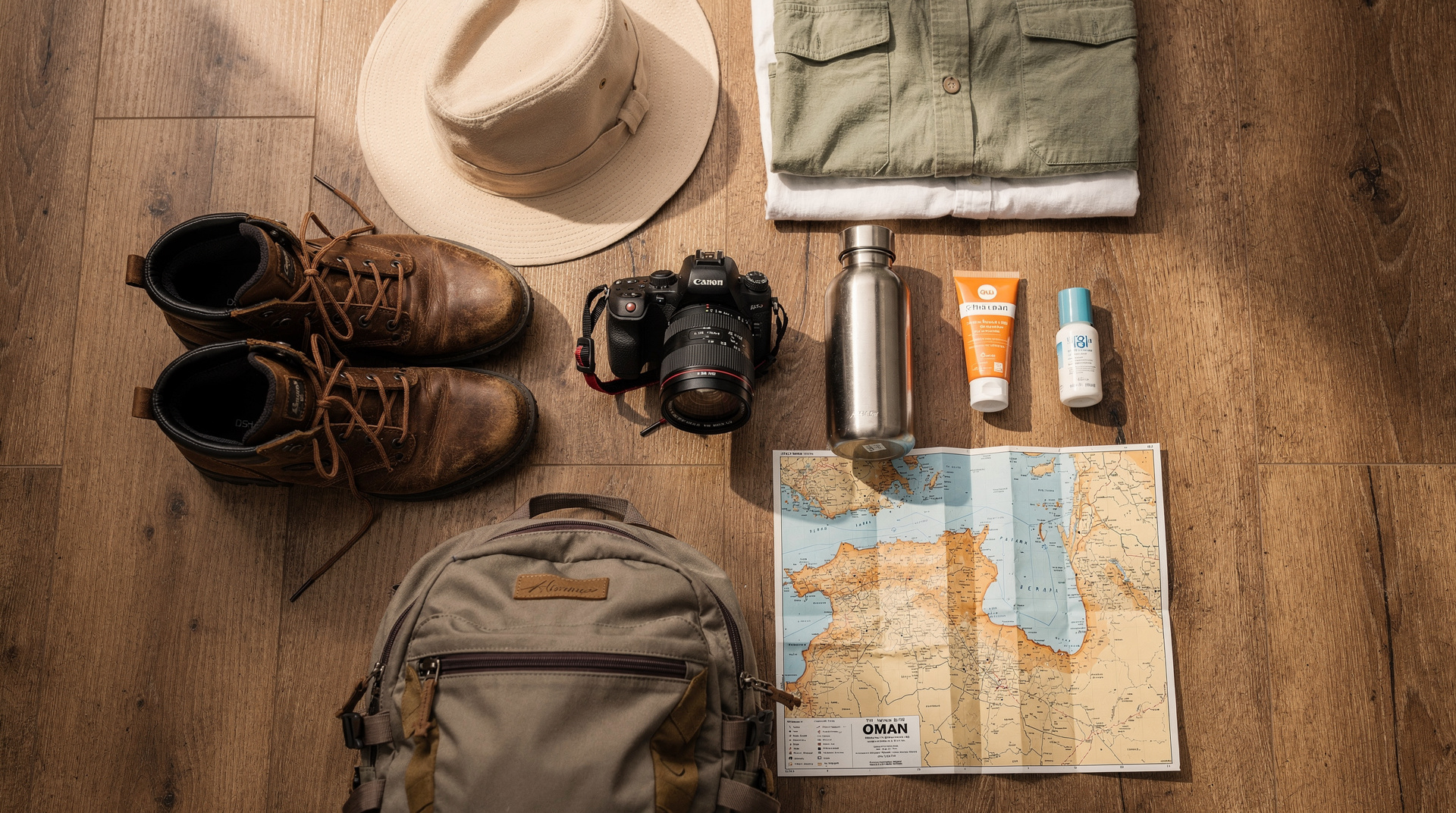
The khareef packing list differs significantly from the standard Oman list. Bring: a waterproof jacket or light rain mac (the persistent mist and drizzle will soak you without one), layers for cool evenings (15–18°C at altitude after sunset), comfortable walking shoes that handle wet ground, and a dry bag for any electronics. Sunscreen is less critical than usual given the cloud cover, but UV radiation can still be high through cloud — pack it but prioritize the rain gear.
Sandals and flip-flops become problematic in the muddy wadi paths and slippery mountain roads. Closed-toe walking shoes or light trail shoes are the right choice.
Remember that the weather does not change local expectations about dress. Light, loose, modest layers work well in the cool air, and the dress code in Oman and Omani etiquette guides explain what is appropriate in public places. For a broader checklist that you can adapt to the southern climate, start from the Oman packing list and swap the sun gear for rain gear.
Practical Tips
Book accommodation 3–4 months ahead for July and August visits. This cannot be overstated — Salalah becomes genuinely full at peak khareef.
Fly rather than drive if your time is limited. Oman Air operates multiple daily flights between Muscat and Salalah (approximately 1 hour versus 10 hours by road). Flights are affordable and make the logistics of combining north and south Oman in one trip much more manageable.
For more on the options, see the domestic flights in Oman guide. Travellers who prefer a road trip can read about the Muscat to Salalah drive, though it is a long journey and not the easiest choice in the mist. Once in Salalah, a rental car gives you the most freedom: see renting a car in Oman and getting around Oman for what to know before you drive on wet mountain roads.
Visit Wadi Darbat early in the morning. By 9am in July, coach tours arrive and the site becomes crowded. An early start gives you the canyon almost to yourself in the best light.
Check road conditions. Some mountain tracks and unpaved wadi routes become impassable during particularly heavy khareef rains. Local guesthouses and tour operators are reliable sources of current road information.
Set expectations for photography. The mist creates beautiful atmospheric shots but eliminates the long-distance views that define the landscape in other seasons. Embrace close-up and intimate shots of the green, mist, and frankincense trees rather than trying to replicate the panoramic dry-season images you may have seen. The photography guide for Oman has general tips on light and composition that still apply, and a lens cloth and a waterproof cover for your camera are more useful here than anywhere else in the country.
Combining Khareef With the Rest of Oman
Because Salalah sits roughly 1,000 km from Muscat, most visitors treat a khareef trip as a standalone southern loop rather than trying to combine it with the north in the same visit — the mist and green season is specific to Dhofar and does not extend to Muscat or the interior. Travellers who also want to see the rest of Oman at its best typically plan a separate northern trip for the October-April window, when Muscat, Nizwa, and the wadis are at their most comfortable.
For those flying in specifically for khareef, pairing Salalah with the frankincense trail and a full day at Wadi Darbat makes efficient use of a short trip, since both are close to the city and do not require the long drives that the Empty Quarter or Musandam would add. Anyone deciding between a Salalah-only trip and a longer Oman itinerary that includes Muscat should read the Salalah vs Muscat comparison before booking flights.
Frequently asked questions about Salalah in Khareef (Jun-Sep): The Green Monsoon Season
When exactly does the khareef season start and end?
The khareef typically begins in mid-June and peaks in July and August before tapering off through September. The exact dates vary year to year depending on the Indian Ocean weather patterns. Late June and early July tend to be the transition period when the green is building. July and August are peak khareef — full mist, active waterfalls, and the landscape at its most vivid. September is the winding-down phase, still green but with more clear days emerging.How different is Salalah during khareef compared to other months?
The transformation is dramatic and genuinely surprising. Outside of khareef, the Dhofar landscape is arid, hot, and brown — not unlike the rest of southern Arabia. During khareef, the southwest monsoon clouds sweep in from the Indian Ocean, turning the coastal mountains green, filling seasonal wadis, and creating waterfalls from otherwise dry cliffs. Average temperatures drop to 20–25°C — around 15 degrees cooler than Muscat in August.Are there any downsides to visiting Salalah during khareef?
Salalah is extremely busy during khareef, particularly in July and August. It draws hundreds of thousands of visitors from across the Gulf — Omanis, Emiratis, Saudis, Kuwaitis — seeking relief from brutal summer heat elsewhere. Hotels book out months in advance, prices spike significantly, and popular viewpoints and wadis become crowded. The mist is also constant, meaning some views are obscured and photography of the landscape is challenging. Book very early if you want quality accommodation.Is swimming possible at Salalah beaches during khareef?
Swimming at most beaches during khareef is not recommended due to strong currents, rough surf generated by the monsoon swell, and warning flags that are regularly raised. The Indian Ocean coastline near Salalah is exposed to the Arabian Sea during monsoon season and can have deceptively strong rips. Some sheltered coves and resort hotel beaches are calmer, but open ocean swimming is best avoided.Do I need to book in advance for khareef?
Yes — absolutely and well in advance. Popular hotels in Salalah can book out 3–4 months ahead for July and August dates. If you want to visit during peak khareef, aim to book in April or May at the latest. September offers more availability and lower prices while still catching the tail end of the green season.Is khareef in Salalah worth it if I dislike crowds?
If crowds are a dealbreaker, aim for the tail end of the season in mid-to-late September, when the landscape is still green but the peak July-August Gulf tourist surge has eased. Weekday visits and early mornings at sites like Wadi Darbat also help avoid the busiest windows.What should I wear during khareef in Salalah?
Layered, modest clothing works best: a light waterproof layer for the mist and drizzle, a warmer layer for cool evenings, and closed-toe shoes for muddy wadi paths. As elsewhere in Oman, modest dress is expected in public regardless of the weather.Can I see khareef and also visit Muscat's Grand Mosque on the same trip?
Yes, but treat them as two distinct legs given the 1,000 km distance — a direct flight between Muscat and Salalah takes about an hour, so a combined itinerary of a few days in each city is entirely workable, just not as a single day trip.Does khareef affect flights between Muscat and Salalah?
Flights generally operate normally during khareef, though mist and lower visibility around Salalah can occasionally cause delays. Building a little buffer time around connecting flights during peak khareef weeks is a sensible precaution.
Top experiences
Bookable activities with verified prices and instant confirmation on GetYourGuide.
 📍 Salalah
 Salalah: highlights tour of heritage sites, markets and beach
- Free cancellation
- Hotel pickup
- English guide
 📍 Ras Al Jinz
 From Muscat: Wadi Shab, Ras Al Jinz, Wahiba Sands 2-day tour
- Free cancellation
- Hotel pickup
- Small group
 📍 Wadi Shab
 Explore Wadi Shab: hike and swim in paradise
- Free cancellation
- Pickup included
- Small group
 📍 Muscat
 Muscat: Omani traditional dhow sunset cruise
- Instant confirmation
- Pickup included
- Best seller