Whale Shark Diving and Snorkelling in Oman: Daymaniyat Islands Guide
When can you see whale sharks in Oman?
Whale sharks are most reliably seen near the Daymaniyat Islands between October and May. Peak aggregations occur from November to March when plankton blooms are richest in the Arabian Sea.
Meeting the Ocean’s Gentle Giants
There is a moment, suspended in the warm blue water of the Arabian Sea, when a shape materialises from the depths below you — vast, impossibly large, patterned in white spots on a dark grey canvas, moving with the unhurried grace of something that has existed on this planet for twenty million years. Swimming with a whale shark (Rhincodon typus) is one of the most humbling, awe-inspiring encounters available to any ocean enthusiast, and the waters around Oman’s Daymaniyat Islands offer a remarkably reliable and well-managed opportunity to experience it.
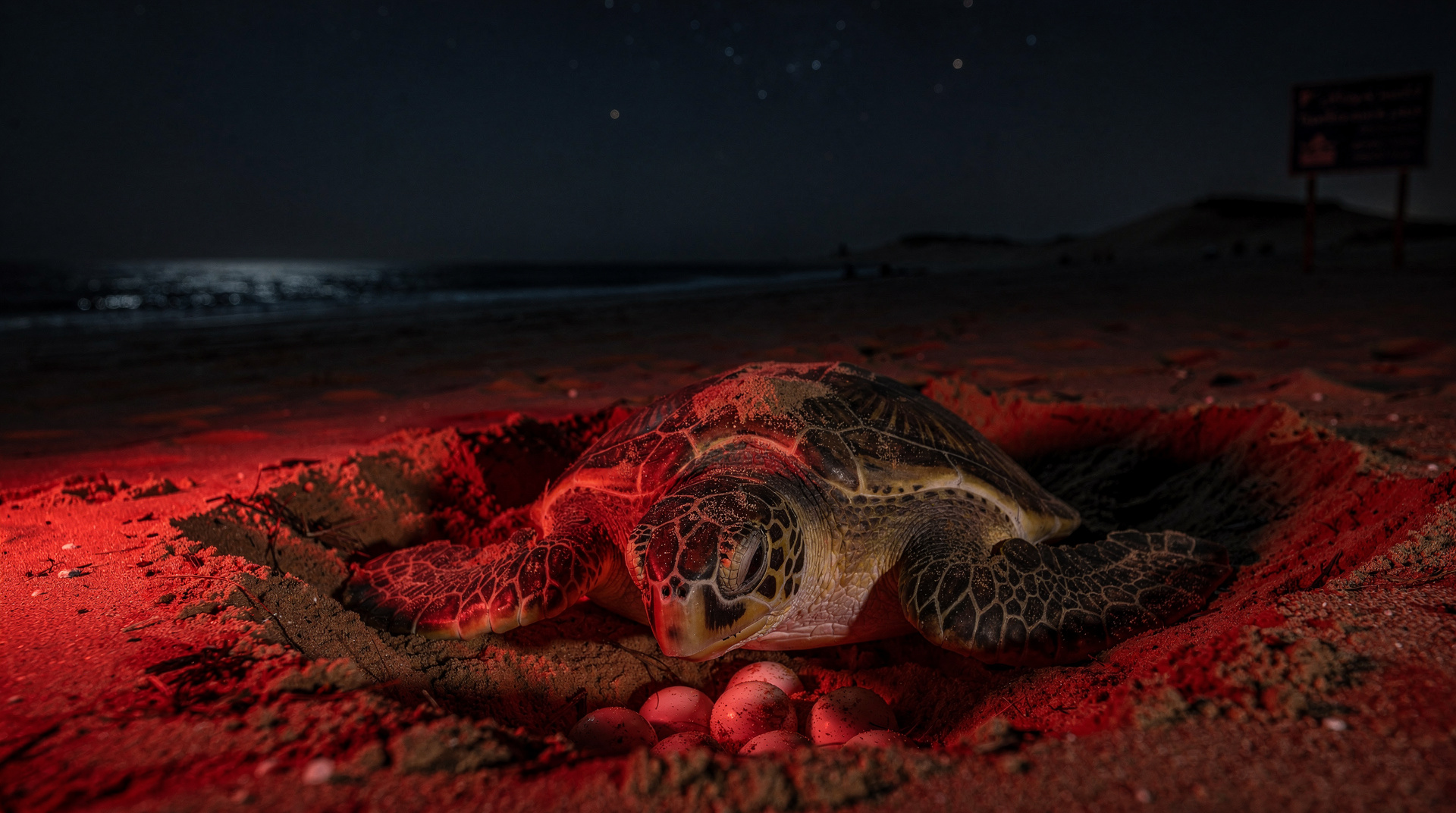
The Daymaniyat Islands — a protected archipelago of nine uninhabited rocky islands and associated coral reefs lying roughly 18 kilometres offshore from the Batinah coast of northern Oman — are the premier marine wildlife site in the Arabian Peninsula. The island chain was gazetted as a nature reserve in 1996, protecting not only the coral reef ecosystem but also breeding colonies of seabirds and nesting green turtles. The whale sharks that aggregate in the nutrient-rich waters surrounding the islands between October and May have become the headline attraction for visitors from across Oman and internationally.
| At a glance | |
|---|---|
| Where | Daymaniyat Islands, ~18 km off the Al Batinah coast, boat access only from around Muscat/Barka |
| Cost | Snorkel tours typically around OMR 35–55 per person; diving trips higher with gear hire |
| Time needed | A full day (early departure, 45–60 min crossing each way) |
| Getting there | Organised boat tour from Muscat/Barka; no independent boat access to the reserve |
| Best time | October–May, peak whale shark aggregations November–March |
Choosing Between Whale Shark Tour Operators
Not all Daymaniyat operators are equal, and the difference matters both for animal welfare and for your own experience. Look for operators who state a clear code of conduct (minimum distance from the shark, no chasing, small group sizes in the water at once), who limit snorkeller numbers per boat, and who are transparent that sightings are not 100% guaranteed. Smaller group sizes generally mean calmer, more considerate encounters and better guide attention if you are a nervous swimmer. If a whale shark trip is the highlight of a broader Muscat stay, pairing it with a dolphin watching trip in Muscat the same week is an easy way to round out the marine wildlife side of the itinerary.
Combining Daymaniyat With the Rest of a Muscat Trip
A Daymaniyat day trip fits naturally into a Muscat-based stay — most operators run pickups from central hotels, so where you stay in Muscat affects how early your pickup is. Al Mouj and Al Qurum bases tend to have the shortest transfer times to the Barka departure points. For travellers building a full itinerary, the 7-day classic Oman itinerary shows how a Daymaniyat day slots alongside interior and desert time without feeling rushed.
Understanding Whale Sharks
Whale sharks are the largest fish in the ocean, regularly reaching 9 to 12 metres in length and occasionally exceeding 18 metres. Despite their enormous size, they are filter feeders, straining vast quantities of plankton, fish eggs, and small fish through their cavernous mouths. They pose absolutely no threat to swimmers or divers — indeed, encounters are typically characterised by the whale shark’s complete indifference to human presence, continuing to feed or swim in its own unhurried rhythm regardless of the mask-wearing creatures hovering nearby.
In the Arabian Sea, whale sharks aggregate in areas of high plankton productivity. The upwelling of cold, nutrient-rich water from the deeper ocean, combined with the seasonal bloom cycles driven by the monsoon system, creates conditions that attract whale sharks in numbers. The Daymaniyat reefs concentrate this food source, and the shallow, protected waters between the islands make for ideal conditions for prolonged surface feeding — which in turn makes them visible and accessible to snorkellers and divers from the surface.
The Daymaniyat Islands: An Overview
The nine islands of the Daymaniyat group — Daymaniyat, Al Kayf, Al Djahliyan, and six smaller islets — rise from the sea as rugged limestone formations with minimal vegetation. Their value lies entirely underwater: the reef systems surrounding them are among the best preserved in the entire Arabian Gulf and Sea of Oman, protected from fishing, anchor damage, and development by their marine reserve status.
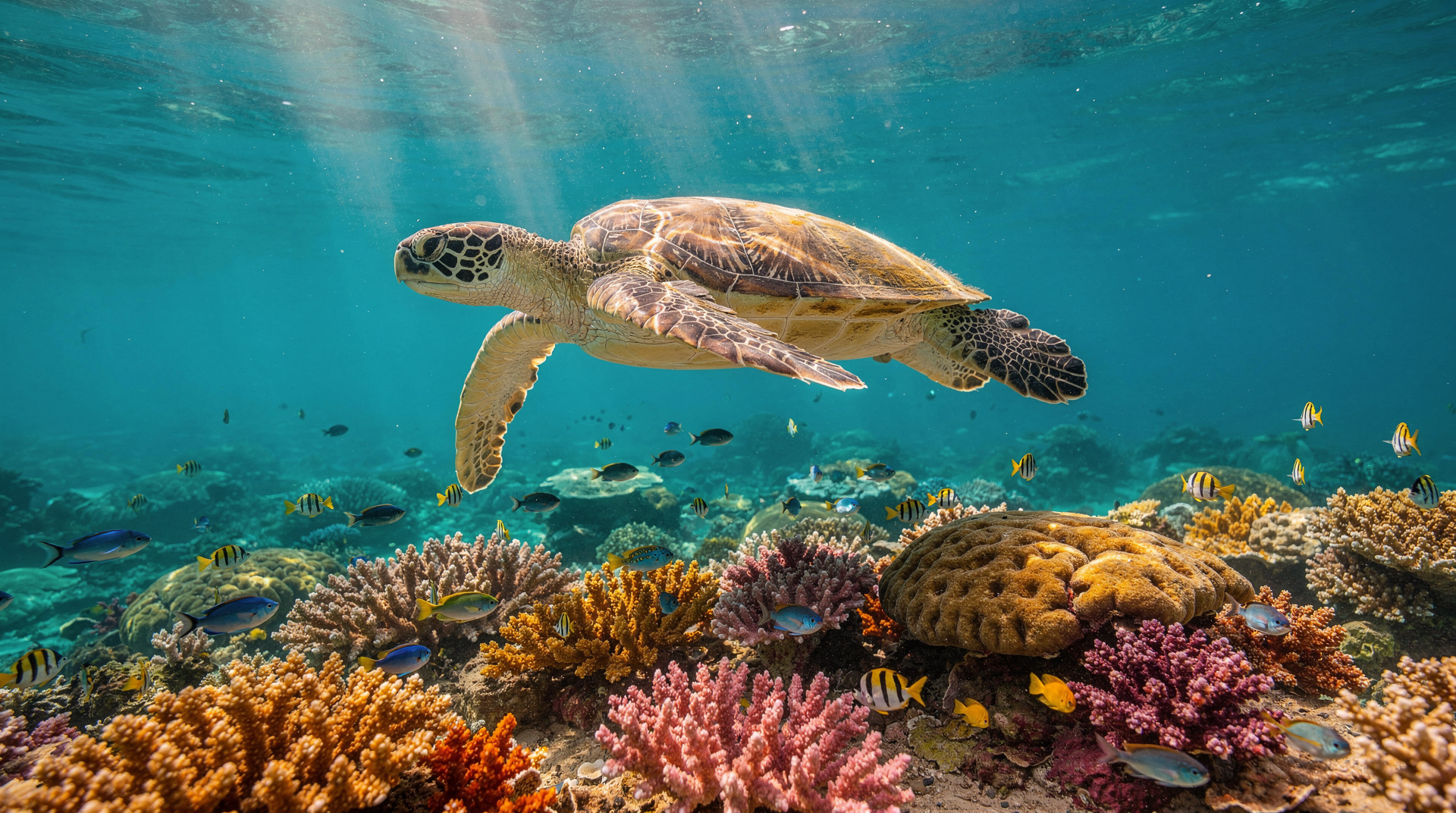
Coral cover on the Daymaniyat reefs is excellent by regional standards, with large stands of table coral, brain coral, and various branching species providing habitat for an impressive range of reef fish. Reef sharks (mostly grey reef and blacktip) patrol the deeper reef edges. Green and hawksbill turtles are commonly seen at rest on the reef top or cruising the water column. Manta rays visit the islands seasonally, particularly during the transition periods in October and April.
The combination of whale sharks, reef sharks, turtles, mantas, and diverse coral makes the Daymaniyat Islands a genuine world-class diving and snorkelling destination quite apart from the whale shark encounters.
Best Season for Whale Sharks at Daymaniyat
The whale shark season at the Daymaniyat Islands runs from approximately October through to May, with the most reliable and concentrated aggregations occurring between November and March. During these winter months, the Arabian Sea supports large plankton blooms that bring the sharks close to the surface in predictable areas.
A Daymaniyat Islands snorkelling tour from Muscat is the most convenient and cost-effective way to access the islands, with experienced guides who know the current locations of whale shark aggregations and can adapt the day’s itinerary accordingly.
During the summer months (June to September), the Daymaniyat reserve is typically closed to visitors to protect nesting turtles and seabird colonies. Access resumes in October as the reserves reopen and the whale sharks begin to appear.
It is worth noting that whale shark encounters, while highly reliable during peak season, are never completely guaranteed — these are wild animals in an open ocean environment. The best operators have excellent track records of whale shark encounters on the vast majority of trips during the peak months, but on any given day the sharks may be feeding in a different area or at greater depth.
What to Expect on a Daymaniyat Snorkel Tour
Tours to the Daymaniyat Islands depart from the Muscat area — typically from Al Mouj Marina or Barka — in the early morning, with boats reaching the islands after approximately 45 to 60 minutes at sea. The sea crossing is part of the experience: the Arabian Sea off Muscat is often glassy calm in the mornings, and flying fish leap beside the bow while dolphins occasionally ride the bow wave.
On arrival at the islands, the guide will assess conditions and whale shark locations — typically through communication with other boats in the area and by scanning the surface for the characteristic dorsal fin or feeding activity visible from a distance.
When a whale shark is located, swimmers enter the water quietly and position themselves in the shark’s path, allowing the animal to swim toward and past them rather than chasing it. Good guides are insistent about this protocol, for the animal’s comfort as much as for the safety of the experience — a 10-metre fish moving purposefully through the water is not something you want to be directly in front of.
The experience of floating in open water as a whale shark passes beneath you — its spotted back filling your entire field of vision, its tail sweeping slowly from side to side — is genuinely indescribable. Most participants surface immediately afterwards unable to speak, faces split with enormous grins.
Between whale shark encounters, the boat typically anchors at a reef site for reef snorkelling. The Daymaniyat reefs are spectacular in their own right, and combining whale shark encounters with reef exploration in a single day makes for an exceptionally full and rewarding marine experience.
Diving at the Daymaniyat Islands
For certified divers, the Daymaniyat Islands offer some of the best diving in the Arabian Sea. The reef walls, pinnacles, and sandy channels between the islands support a diverse range of dive sites suitable for all experience levels.
Highlights include the reef walls of Al Kayf, which drop to 25 to 30 metres and are frequented by grey reef sharks, Napoleon wrasse, giant moray eels, and occasional whale sharks passing at depth. The sandy channels between the islands are good for eagle rays and stingrays resting on the bottom. The shallower reef tops at 5 to 12 metres are perfect for drift dives through schools of fusiliers, snappers, and anthias.
Visibility at the Daymaniyat Islands is generally excellent by regional standards — typically 15 to 25 metres — though it can be reduced during periods of high plankton productivity (which are also when whale shark sightings are best). Divers should be comfortable with mild to moderate current at some sites.
Planning Your Daymaniyat Trip
All access to the Daymaniyat Islands is by boat from the mainland. No visitor accommodation exists on the islands themselves — this is entirely in keeping with their protected status. Day trips departing from the Muscat area are the standard format, and numerous tour operators run well-organised trips that combine whale shark snorkelling with reef exploration.
What to bring: swimwear, high-SPF sun cream (reef-safe formulations are encouraged), a rash guard or wetsuit for extended time in the water, polarised sunglasses for spotting whale sharks from the surface, seasickness medication if you are prone to motion sickness, and a generous amount of water and snacks.
What to expect to rent from operators: quality snorkel gear including mask, fins, and snorkel is typically provided. BCD and regulator hire is available for divers. Underwater camera hire or GoPro rental may be available from some operators.
The boat journey can be rough in northerly winds, which are common between November and February. Check the weather forecast before your trip and take precautions accordingly.
Conservation and Responsible Wildlife Tourism
Whale sharks in Oman are fully protected under the country’s fisheries laws. It is illegal to touch, ride, or harass whale sharks, and responsible operators enforce strict proximity guidelines — typically a minimum of 3 metres from the body and 4 metres from the tail. These rules exist to protect both the sharks and the swimmers: a reflexive tail flick from an animal of this size can be injurious at close range.
The marine reserve status of the Daymaniyat Islands prohibits fishing, anchoring on coral, coral collection, and the removal of any marine organisms. Reef-safe sun cream is strongly recommended — traditional sun creams containing oxybenzone and octinoxate are toxic to coral and are banned in many marine protected areas globally.
For further context on Oman’s broader marine ecosystem and the conservation challenges it faces, the marine life guide provides a comprehensive overview.
Getting There and Logistics
The Daymaniyat Islands lie off the coast between Muscat and Barka, roughly 90 kilometres west of the capital along the Al Batinah coastal highway. Most operators pick up from hotels in central Muscat and transport participants to the departure marina.
If you prefer to drive independently to the marina, Barka is a straightforward 45-minute drive from central Muscat. The coastal highway is dual-carriageway and well maintained.
The best combination for a multi-day itinerary is to pair a Daymaniyat day trip with a visit to Ras al Jinz for turtle watching or to include it as part of a broader Muscat-based itinerary that includes Nizwa and the interior.
Frequently asked questions about Whale Shark Diving and Snorkelling in Oman: Daymaniyat Islands Guide
Do I need a permit to visit the Daymaniyat Islands independently?
No independent access is possible — the Daymaniyat Islands are a protected nature reserve, and all visits must be with a licensed tour operator who holds the necessary permits. This also means your operator, not you, is responsible for reserve compliance, so choosing a reputable one matters for both legality and animal welfare.
How big are the whale sharks at the Daymaniyat Islands?
The whale sharks seen at Daymaniyat are typically juveniles and sub-adults ranging from 4 to 8 metres in length. Fully mature adult whale sharks, which can exceed 12 metres, are less commonly encountered at aggregation feeding sites. However, even a 4-metre whale shark is an enormous and utterly awe-inspiring creature when encountered in the water.
Do I need to be a strong swimmer to participate?
A reasonable level of swimming ability and comfort in open water is helpful but you do not need to be a strong swimmer. Life jackets and flotation aids can be provided for non-swimmers who wish to experience the encounter from the surface. The key is comfort in the water — feeling relaxed allows you to focus on the whale shark rather than on your own anxiety.
Is snorkelling or diving better for whale shark encounters?
Both have merits. Snorkelling allows you to stay at the surface and position yourself directly in the whale shark’s path as it feeds at or near the surface — the most common scenario during plankton bloom season. Diving allows you to descend if the sharks are at greater depth and to observe them from below, which many people find even more spectacular. The best approach is to snorkel for whale shark encounters and also do a reef dive for overall experience.
Are whale shark sightings guaranteed?
No wildlife sighting can be guaranteed, and any operator who promises otherwise is not being honest. However, during the peak months of November to March, reputable operators typically achieve whale shark encounters on 80 to 90 percent of trips. Weather and sea conditions are the most common reasons for cancelled encounters, not a lack of sharks in the area.
What is the water temperature at the Daymaniyat Islands?
Water temperature ranges from approximately 22 to 24 degrees Celsius during the cooler winter months (December to February) to 28 to 30 degrees in late spring. A 3mm wetsuit is comfortable for extended snorkelling in winter. A rash guard provides adequate thermal protection for shorter dips in warmer months. Full wetsuits are available for rent from most operators.
Can children participate in whale shark snorkelling?
Most operators accept children from age 6 or 8 upwards for snorkelling, subject to basic swimming ability and parental comfort. The experience is often transformative for children who are comfortable in the water. The crossing to the islands can be rough in winter winds, so assess your child’s susceptibility to seasickness honestly before booking.
What other marine wildlife might I see on the trip?
Beyond whale sharks, Daymaniyat trips commonly yield green turtles, hawksbill turtles, reef sharks, eagle rays, octopus, and a spectacular variety of reef fish including large Napoleon wrasse, grouper, and lionfish. Dolphins are frequently seen on the boat crossing. Manta rays are seasonally possible, particularly in spring. Seabirds including brown boobies and red-billed tropicbirds nest on the islands and are visible throughout the day.